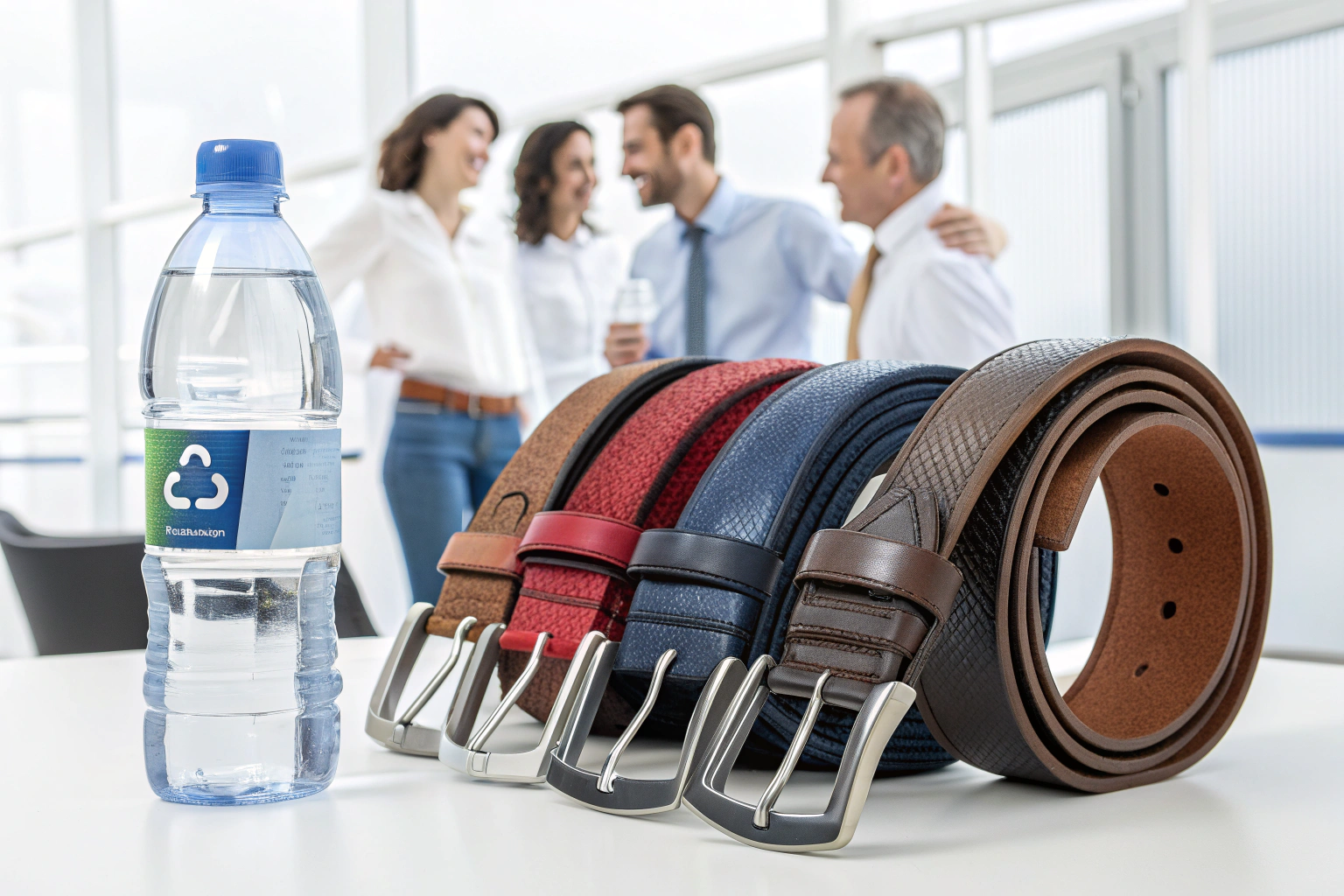
The fashion industry is at a crossroads. Consumers are demanding sustainable products, and brands are scrambling to respond. You see this trend everywhere. But how do you make a real environmental impact without sacrificing style or quality? The answer might be in an unexpected place: your belt.
Choosing recycled PET belts is a powerful, tangible step for eco-conscious brands. These belts are made from post-consumer plastic waste, like bottles, transforming trash into a stylish, durable, and marketable accessory. This choice directly reduces plastic pollution and conserves resources, offering a compelling story that resonates with modern consumers. It's a simple switch with a profound impact.
This article will explore the undeniable benefits of recycled PET belts. We will dive into the environmental impact, the surprising quality and durability of the material, the strong consumer demand driving this trend, and the practical advantages for your brand's sourcing and production.
What is the Real Environmental Impact of Using rPET?
The "green" claims of many products can feel vague and unsubstantiated. It's hard to know if you're making a genuine difference or just falling for marketing hype. With plastic waste being a global crisis, your brand needs a solution with a clear, positive environmental footprint.
The real environmental impact of using rPET (recycled polyethylene terephthalate) is significant and measurable. By choosing rPET belts, you actively divert plastic waste from landfills and oceans. The production process for rPET also consumes far less energy and water compared to virgin polyester or even some natural materials, substantially lowering its carbon footprint.

How Does rPET Reduce Plastic Waste?
The process is straightforward but powerful. Post-consumer plastic bottles are collected, cleaned, and shredded into tiny flakes. These flakes are then melted down and extruded into brand new polyester filament, which is spun into yarn. This rPET yarn becomes the raw material for weaving durable belt straps. Every meter of rPET fabric directly represents multiple plastic bottles that won't pollute our environment for centuries.
For example, producing a single belt can repurpose the equivalent of several plastic bottles. This creates a powerful narrative for your brand. You can literally quantify your environmental contribution. This tangible action against plastic pollution is a stronger message than any vague "eco-friendly" claim. It shows a real commitment to a circular economy.
How Does rPET Compare to Virgin Materials?
The environmental savings are stark when compared to virgin polyester. Manufacturing virgin PET is an energy-intensive process that relies on fossil fuels. In contrast, creating rPET from existing waste plastic can reduce energy consumption by up to 50-60%. It also reduces the dependence on crude oil, a non-renewable resource.
Furthermore, the impact of rPET often surpasses that of some natural materials like conventional cotton, which is notoriously thirsty and pesticide-intensive. While leather has its own complex environmental and ethical considerations, rPET offers a consistent, high-quality alternative that directly tackles the modern waste problem. This makes rPET material a leader in sustainable material choices for fashion accessories.
Can Recycled Belts Match the Quality and Durability of New Materials?
A major concern for brands is whether sustainable products can meet the high-quality standards their customers expect. There's a lingering perception that "recycled" might mean lower quality, less durable, or a compromise on style. This fear can hold brands back from making the switch.
Recycled PET belts absolutely match, and in some cases exceed, the quality of belts made from new materials. The rPET fabric is incredibly strong, colorfast, and resistant to abrasion and moisture. It provides a consistent and reliable base for creating everything from robust casual belts to sleek fashion belts, without any sacrifice in performance or aesthetics.

How Durable is rPET Webbing?
The durability of rPET webbing is one of its greatest assets. The polyester fibers created from recycled plastic are inherently strong and resilient. They are woven into a tight, dense webbing that resists tearing, fraying, and stretching over time. This makes rPET belts highly suitable for daily wear and tear, outperforming many natural materials in terms of consistency and resistance to moisture and mildew.
This durability is consistent across production runs. Unlike natural leather, which can have variations in hide quality, rPET webbing is uniform. This means every belt you receive from your supplier will have the same reliable strength and texture. This reduces product failure rates and returns, protecting your brand's reputation for quality. Partnering with a supplier with strict quality control ensures this durability is a standard feature.
What Are the Design Possibilities with rPET?
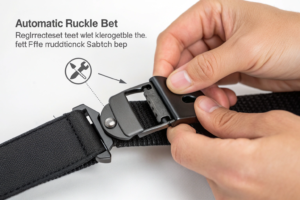
The design versatility of rPET is vast. The material can be dyed into a virtually limitless spectrum of vibrant, lasting colors. It can be woven into different textures—from a smooth, sleek finish for a minimalist belt to a coarse, canvas-like feel for a more rugged look. It pairs perfectly with various buckles, from modern automatic buckles to classic pin buckles, allowing for complete creative freedom.
For brands, this means you are not limited in your design options. You can create a full collection of eco-friendly belts that are on-trend and stylish. The material can be engineered to be soft and pliable for comfort or stiff and structured for a specific silhouette. This flexibility allows your brand to maintain its unique identity while championing sustainable fashion.
Is There Real Consumer Demand for Sustainable Accessories?
Investing in a new product line is a business decision. It's not enough for a product to be "good for the planet"; it also needs to be good for your bottom line. Without proven demand, sustainable products can sit on shelves, becoming a well-intentioned but costly mistake.
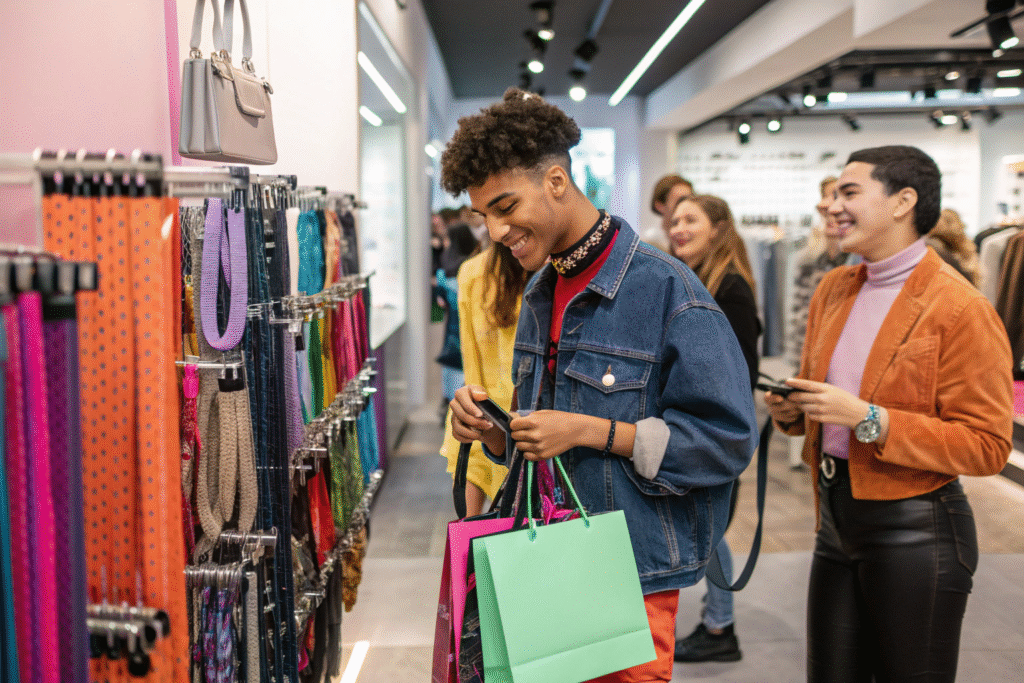
There is overwhelming and growing consumer demand for sustainable accessories. Market research consistently shows that a significant portion of consumers, particularly Millennials and Gen Z, prefer to buy from brands that demonstrate environmental responsibility. They are actively seeking out products made from recycled materials and are often willing to pay a premium for them.
What Do the Market Trends Say?
The numbers speak for themselves. Studies indicate that over 60% of consumers are more likely to purchase a product with sustainable packaging or made from recycled materials. The resale value of brands with strong sustainability credentials is also rising. This isn't a niche trend; it's a fundamental shift in consumer behavior that is reshaping the retail landscape, affecting everything from large supermarkets to boutique online stores.
Ignoring this trend means missing a major market opportunity. Brands that incorporate sustainability into their core identity are building deeper loyalty and attracting new customer segments. By offering recycled PET belts, you are not just selling an accessory; you are selling a value proposition that aligns with your customers' beliefs, making your brand more relevant and competitive.
How Can Sustainability Enhance Your Brand Story?
A sustainable product provides a powerful and authentic marketing narrative. It gives you a genuine story to tell on social media, in your packaging, and in your advertising. You can communicate how your belts are made, the number of bottles diverted from oceans, and the carbon emissions saved. This transparency builds trust and emotional connection with your audience.
This story is far more engaging than just selling a product. It turns customers into advocates. They become proud to wear your belt and share its origin with others. This word-of-mouth marketing is incredibly valuable. In a crowded market, a strong sustainability story can be the key differentiator that sets your brand apart and drives growth.
How Does Sourcing rPET Belts Simplify Your Supply Chain?
Sourcing sustainable products can seem complex. You might worry about material availability, consistent quality, or higher costs. Navigating these challenges with multiple suppliers can create inefficiency and uncertainty, negating the benefits of going green.
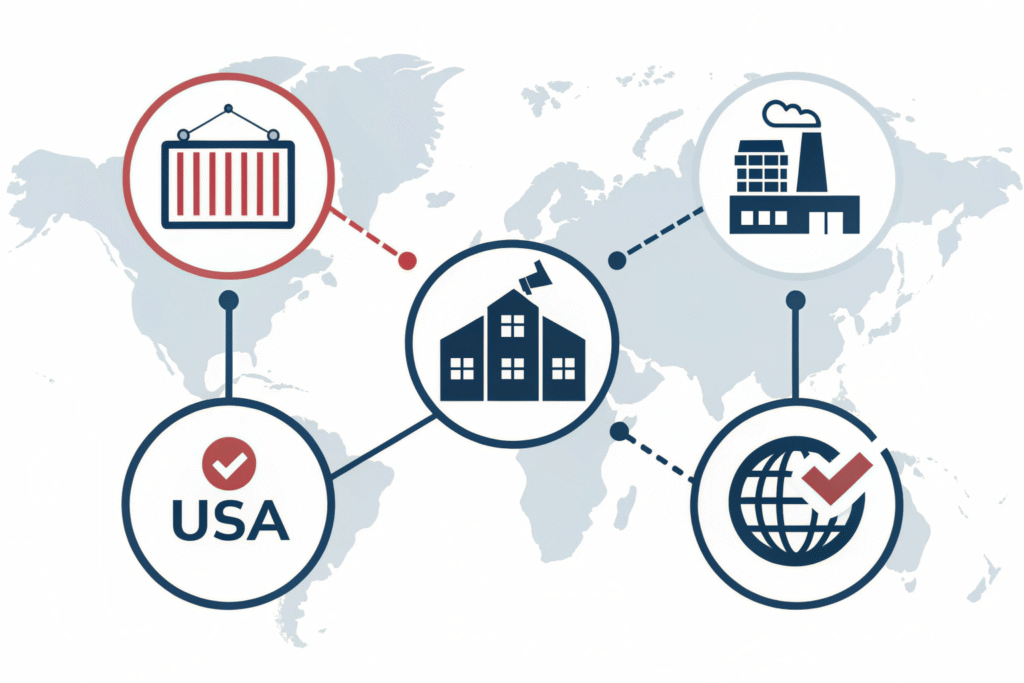
Sourcing rPET belts from a specialized manufacturer actually simplifies your supply chain. A full-service supplier manages the entire process, from sourcing certified rPET materials to production and quality assurance. This creates a streamlined, transparent, and reliable supply chain that is easier for you to manage and aligns with ethical sourcing goals.
What Are the Sourcing and Logistics Advantages?
A reputable supplier has established relationships with trusted rPET yarn producers. This guarantees a consistent supply of high-quality, certified recycled material. You don't have to manage the complexities of the recycling chain yourself. Furthermore, because rPET is a manufactured material, its properties are uniform, leading to fewer production surprises and a more predictable production timeline.
From a logistics perspective, rPET belts are often lighter than leather belts, which can lead to marginal savings on shipping costs, especially for large orders. An experienced supplier will also handle all the complexities of international logistics, including customs clearance, ensuring your products get from their factory in China to your doorstep in the US efficiently and reliably.
Why is Partnering with an Expert Manufacturer Crucial?
Partnering with a manufacturer that has its own design team and quality control team is crucial for success. They can guide you on the best applications of rPET for your specific designs, recommend weaves and buckles, and ensure every batch meets your standards. They act as your single point of contact, managing the complexities so you can focus on marketing and selling your products.
This partnership ensures that your commitment to sustainability is backed by product excellence. It transforms a potential sourcing challenge into a smooth, efficient process. You get a high-quality, eco-friendly product delivered on time, allowing you to meet market demand confidently and build a stronger, more responsible brand.
Conclusion
Recycled PET belts are more than just an eco-friendly alternative; they are a smart business decision. They offer a proven way to reduce environmental impact, meet robust quality standards, fulfill growing consumer demand, and streamline your supply chain. This combination of planetary good and business sense is unbeatable.
Ready to integrate recycled PET belts into your collection? We are a professional belt manufacturer with extensive experience in creating high-quality, sustainable accessories. Contact our Business Director, Elaine, at elaine@fumaoclothing.com to discuss your needs and request samples. Let's build a greener future for fashion, together.