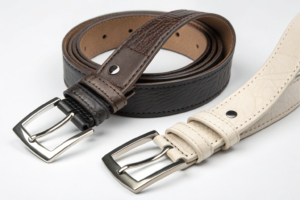
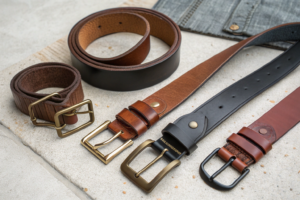
You're managing inventory for a new belt line, and a trend explodes in popularity. Your traditional manufacturing process can't adapt quickly enough, leaving you with outdated stock and missed opportunities. In today's fast-paced market, rigidity is a liability. Brands and retailers need supply chain solutions that offer both agility and efficiency to stay competitive.
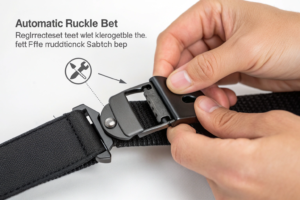
Modular belt systems are gaining significant commercial appeal because they fundamentally transform inventory management and product customization. By using interchangeable components—straps, buckles, and keepers—businesses can create an immense variety of finished products from a limited stock of parts. This system drastically reduces lead times, minimizes inventory costs, and allows for rapid response to shifting fashion trends.
This article will explore the core commercial advantages driving the adoption of modular belt systems. We will break down how they revolutionize inventory management, enable unprecedented customization, accelerate speed to market, and simplify logistics and sourcing for brands and retailers.
How Do Modular Systems Revolutionize Inventory Management?
Traditional belt manufacturing requires forecasting the exact demand for thousands of finished SKUs. This often leads to a nightmare scenario: bestsellers are out of stock while slow-moving items gather dust, tying up capital and warehouse space. The risk of dead stock is a constant financial drain.
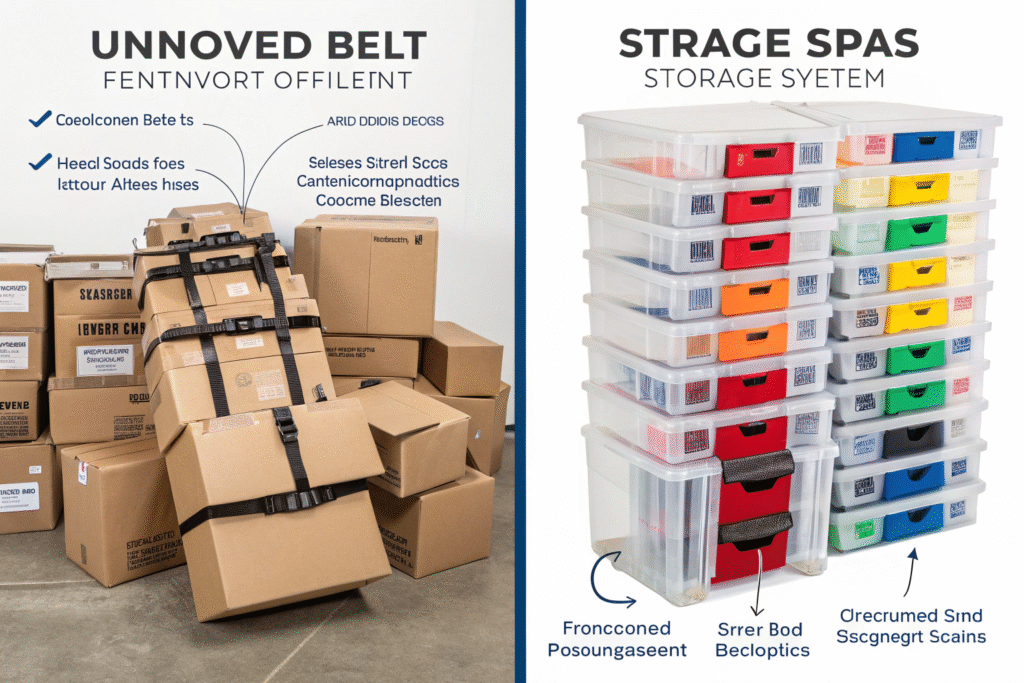
Modular systems flip this model on its head. Instead of stocking countless pre-assembled belts, you maintain a core inventory of separate components. A relatively small number of straps, buckles, and keepers can be combined to create a vast array of unique finished products. This component-based approach dramatically reduces the total number of SKUs you need to manage while exponentially increasing the variety you can offer.
What is the Financial Impact of Reduced SKU Count?
The financial benefits are direct and substantial. By reducing the number of finished good SKUs, you immediately lower storage costs and reduce capital tied up in inventory. More importantly, you significantly mitigate the risk of obsolescence and deep discounting.
For example, if a specific buckle style falls out of fashion, you only need to clear a single component from inventory, not hundreds of finished belts that incorporate it. This component-based approach provides a financial safety net, making your business more resilient to the volatile nature of the fashion accessories market.
How Does a Modular System Enhance Demand Responsiveness?
This system turns a reactive supply chain into a proactive one. When a particular style of women's belt becomes a surprise hit, you don't need to wait for a new production run from the factory. You can immediately assemble more units from your stock of components.
This allows you to continuously feed demand for trending products without the traditional 4-8 week lead time. Conversely, if a component isn't selling, it can be easily swapped out of the assembly rotation. This flexibility is a powerful tool for maximizing sales and minimizing waste.
What Drives the Customization and Personalization Boom?
Modern consumers, and the brands that serve them, crave uniqueness. The "one-size-fits-all" approach is no longer sufficient. Brands seek to differentiate themselves with unique product offerings, and end-consumers value products that reflect their personal style.
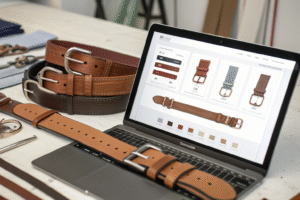
Modular belt systems are the engine behind this mass customization trend. They empower brands to offer an almost limitless variety of styles without the cost and complexity of traditional custom manufacturing. A brand can create a signature look by mixing and matching components, or even offer a "design-your-own" experience to their customers.
How Can Brands Leverage Modularity for Exclusive Collections?
For retailers and boutiques, modular systems make limited-edition runs financially viable. A store can commission a unique custom buckle and pair it with a selection of high-quality straps to create an exclusive collection that can't be found elsewhere.
This strategy builds brand loyalty and allows for higher margins. The ability to create small batches of unique products is a key competitive advantage in a crowded market, turning a standard accessory into a signature statement piece.
What is the Consumer Appeal of "Build-Your-Own"?
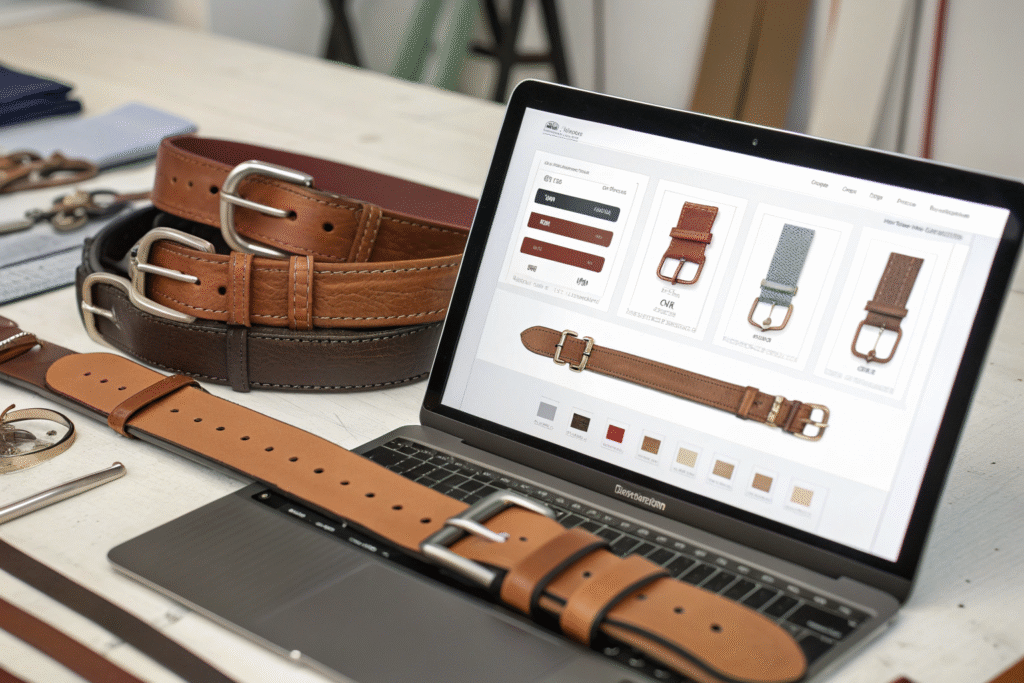
The appeal for the end-consumer is powerful. A "build-your-own-belt" kiosk in a store or an online configurator engages the customer directly in the creation process. This experience adds perceived value and emotional connection to the product.
When a customer designs their own combination, they are more likely to purchase and less likely to return the item. This model also provides brands with invaluable real-time data on which components and style combinations are most popular, informing future product development and inventory planning.
How Do Modular Belts Accelerate Speed to Market?
In the fashion industry, speed is a critical competitive edge. The ability to quickly capitalize on a trend seen on a runway, in a viral social media post, or in a popular television show can be the difference between leading the market and missing it entirely.
Modular belt systems are designed for speed. Because the components are pre-manufactured and held in stock, the final assembly of a new style can be completed in days, not months. This eliminates the lengthy process of tooling new buckles and cutting new straps for every single new design, slashing the time from concept to shelf.
What is the Agile Response to Micro-Trends?
Social media platforms like TikTok and Instagram have given rise to micro-trends that can dominate for just a few weeks. A traditional supply chain is too slow and inflexible to respond to these brief windows of opportunity.
A brand using a modular system can identify a trending belt style—a specific color, width, or buckle shape—and immediately begin assembling and shipping that combination to retailers. This agility allows brands to stay relevant and capture revenue from short-lived trends that would otherwise be inaccessible.
How Does This System Simplify Testing and Sampling?
Launching a new product line is always a risk. Modular systems drastically reduce this risk. Instead of committing to a large minimum order quantity for a single finished belt, a brand can order smaller quantities of multiple components.
This allows for market testing. A brand can launch several new style combinations in small batches, see what resonates with customers, and then quickly scale up production of the winning components. This data-driven approach to inventory management makes product launches more strategic and less speculative.
How Do Modular Systems Simplify Logistics and Sourcing?
International shipping, customs clearance, and managing multiple suppliers add layers of complexity and cost to any supply chain. The simpler the logistics, the more reliable and cost-effective the operation becomes.
A modular system streamlines the entire supply chain. Sourcing is consolidated—straps from one specialized supplier, buckles from another—allowing for larger, more efficient component orders. Logistically, shipping flat straps and buckles is more space-efficient than shipping pre-assembled belts, reducing volumetric weight and therefore shipping costs.

What Are the Sourcing and Quality Control Advantages?
Working with specialized component suppliers often leads to higher quality and better pricing. A factory that focuses solely on producing high-quality leather straps will typically achieve better results than a generalist factory.
From a quality control perspective, inspecting individual components is more straightforward than inspecting finished goods. It's easier to identify a defective buckle or a flawed strip of leather before it's assembled into a final product, reducing waste and ensuring a higher standard for the end customer.
How Does This Model Support Regionalized Assembly?
One of the most powerful logistical advantages is the potential for regional assembly. Bulky, lightweight straps can be shipped cost-effectively in bulk to assembly facilities closer to the end market. Smaller, heavier buckles can be shipped separately.
Final assembly can then be performed domestically or in a regional hub, drastically reducing the last leg of shipping time and cost. This model also allows for late-stage customization, where belts can be assembled to meet the specific taste of a regional market, making your global distribution more responsive and efficient.
Conclusion
Modular belt systems are not just a product trend; they are a strategic supply chain innovation. Their growing commercial appeal is rooted in tangible business benefits: revolutionary inventory management that reduces risk and cost, unparalleled customization capabilities that drive brand value, accelerated speed to market that captures trends, and simplified logistics that enhance efficiency. For any brand or retailer looking to build a more agile, responsive, and profitable accessories line, adopting a modular system is a powerful step forward.
If you are ready to leverage the commercial advantages of a modular belt system for your brand, we specialize in supplying high-quality, customizable components and finished assemblies. Contact our Business Director, Elaine, at elaine@fumaoclothing.com to explore how we can build a flexible and profitable belt program together.