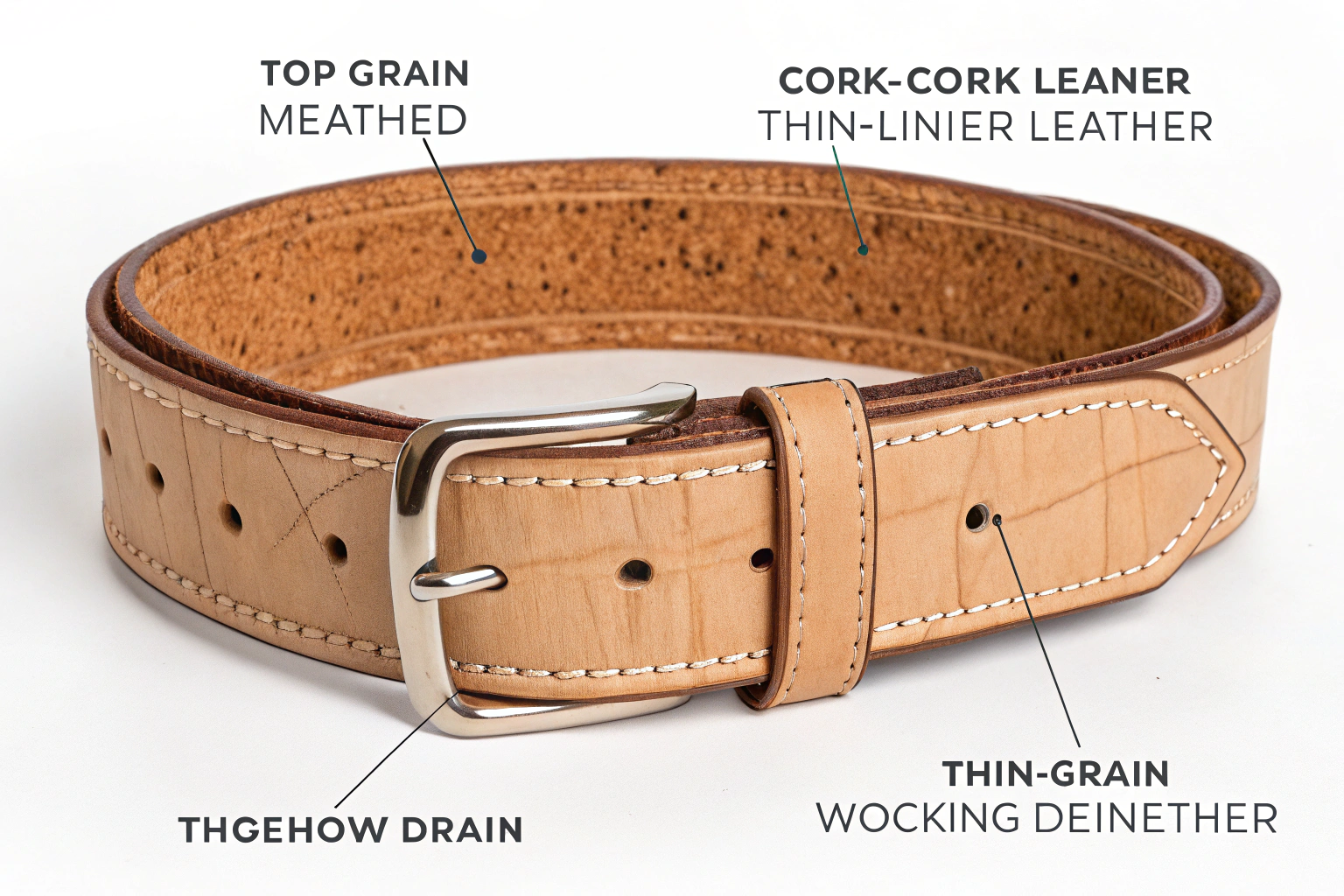
You're at an important outdoor event or enduring a long, humid commute. You feel a familiar discomfort: the damp, sticky feeling of a leather belt absorbing sweat against your skin. By the end of the day, not only are you uncomfortable, but the belt itself is stained and developing a permanent odor. This common issue is where traditional leather belts fail, but cork-lined leather belts offer a revolutionary solution.
Cork-lined leather belts are superior for sweat control because the cork layer acts as a natural, breathable barrier that wicks moisture away from the skin and allows it to evaporate. Unlike solid leather or synthetic linings, cork is naturally moisture-wicking, antimicrobial, and hypoallergenic, creating a drier, more comfortable, and more hygienic wearing experience. It combines the premium look of leather with the functional performance of a technical fabric.
This article will explore the unique properties of cork that make it an ideal lining material. We will break down its natural moisture-wicking mechanism, its inherent antimicrobial benefits for odor prevention, the unparalleled comfort it provides, and why it represents a sustainable and durable choice for modern belt design.
How Does Cork's Natural Structure Manage Moisture?
When sweat is trapped against the skin by a non-breathable material, it leads to discomfort and saturation of the belt's inner layer. Standard leather belts have no mechanism to handle this; they simply absorb the moisture, which can lead to staining, stiffness, and deterioration of the leather over time.
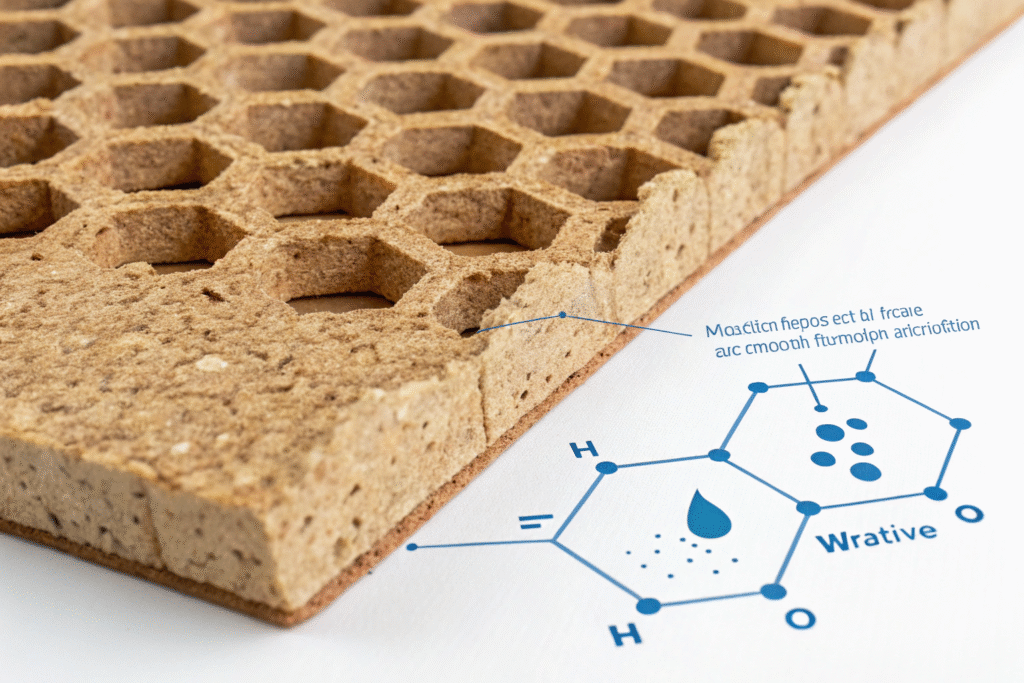
Cork is not an absorbent sponge; it is a natural moisture-wicking engine. Its unique cellular structure, comprised of millions of tiny, air-filled chambers, creates a powerful capillary action. This structure pulls moisture away from the skin laterally across the vast surface area of the cork, where it can then evaporate into the air. This process keeps the skin-to-belt interface significantly drier.
What is the Science Behind the Wickling Effect?
The wicking process is a function of surface tension and capillary action within the microscopic suberin cells of the cork. These cells are hydrophobic (water-repelling) internally but have minute channels that draw moisture along them.
This means that while cork resists being soaked through, it actively transports moisture. In a belt, this translates to sweat being pulled from your skin and dispersed throughout the cork lining, dramatically increasing its surface area for evaporation rather than letting it pool in one spot. This makes a cork-lined belt far superior to a standard leather dress belt in humid conditions.
How Does This Compare to Standard Leather or Fabric Linings?
A standard leather belt has no lining or a non-breathable synthetic lining, which traps moisture. Even a fabric lining, like cotton, will absorb sweat but then hold it against the skin, feeling wet and cold.
Cork, in contrast, manages moisture dynamically. It doesn't just absorb; it moves moisture away and facilitates its evaporation. This proactive management is why it's considered a technical material in performance apparel and is now being adopted for high-comfort accessories.
Why are Cork Belts Naturally Odor-Resistant?
The damp, warm environment created by trapped sweat is the perfect breeding ground for odor-causing bacteria. This is the primary reason belts, especially those worn frequently, develop a persistent, unpleasant smell that no surface cleaning can fully eliminate.
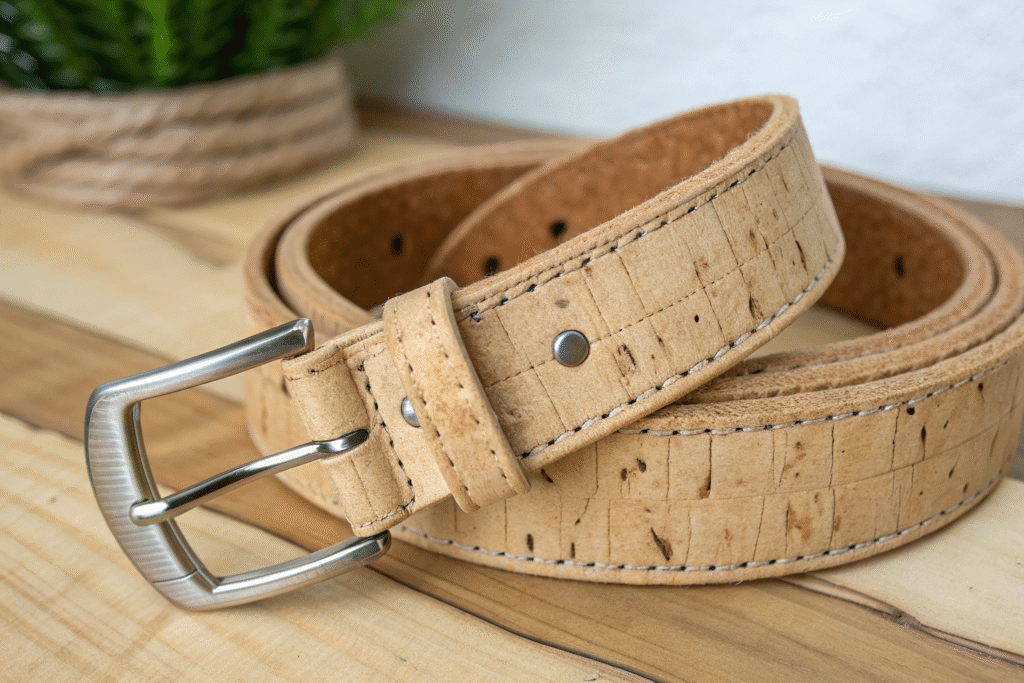
Cork possesses inherent antimicrobial properties due to a natural waxy substance called suberin. Suberin makes the cork material resistant to mold, mildew, and the growth of bacteria and microbes that cause odor. This is a built-in feature of the material, not a chemical treatment that can wear off.
How Do the Antimicrobial Properties Work?
Suberin is a complex fatty acid that creates a hostile environment for microorganisms. It prevents bacteria from thriving on the surface of the cork lining. Without bacteria, there is no metabolic process to produce foul-smelling acids and compounds.
This means a cork-lined belt will stay fresher for much longer between cleanings. For individuals with active lifestyles or those who live in warm climates, this is a transformative benefit, effectively solving the number one hygiene complaint associated with leather belts. It's a core feature of hygienic accessory design.
What is the Long-Term Impact on Belt Hygiene?
Over time, a standard belt can become permanently saturated with sweat and oils, leading to a deeply embedded odor. Because cork prevents bacterial growth from the start, the belt's core structure remains clean. The surface can be easily wiped with a damp cloth and a mild disinfectant, restoring it to a fresh state without the risk of damaging the leather or trapping moisture inside, as can happen with fully saturated traditional belts.
How Does a Cork Lining Enhance Wearer Comfort?
Discomfort from a belt comes from multiple factors: the feeling of dampness, the chafing of stiff materials, and the weight of the belt itself. Cork addresses all these issues through its unique physical properties.
The combination of moisture-wicking, natural softness, and lightweight structure makes a cork-lined belt exceptionally comfortable for all-day wear. It adapts to the body without the rigidity of a traditional leather belt, reducing pressure points and irritation.
Why is Cork So Lightweight and Flexible?
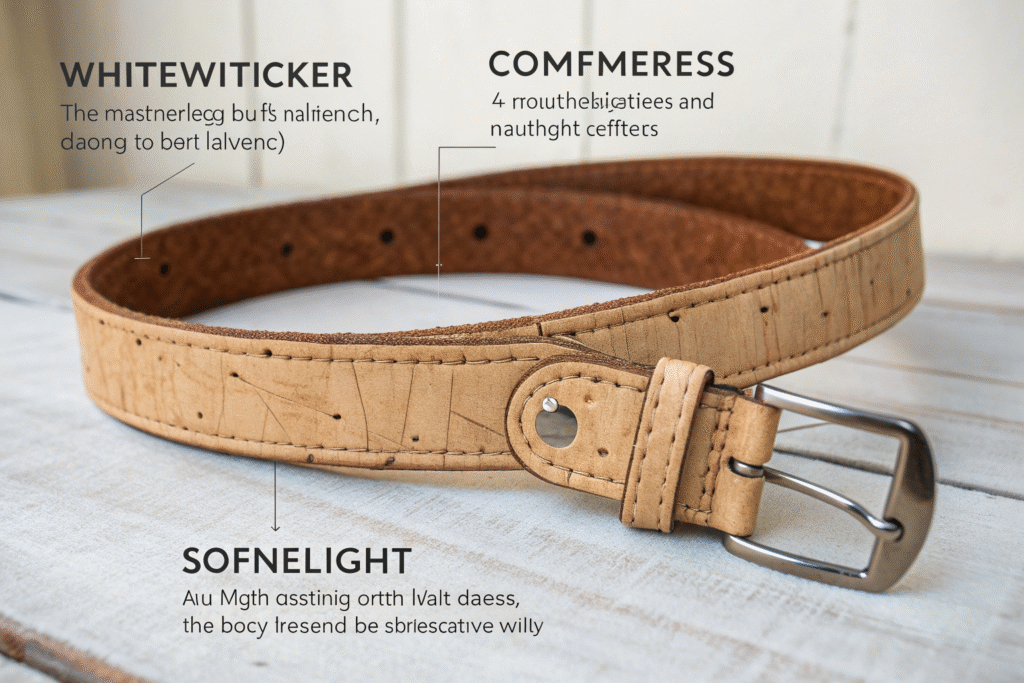
Cork is composed of up to 90% air, making it incredibly light. As a lining, it adds negligible weight to the belt. This lightweight nature, combined with its flexibility, allows the belt to move with your body throughout the day.
Unlike a stiff, unlined leather belt that can dig into the abdomen when sitting, a cork-lined belt is more pliable and forgiving. This dynamic flexibility provides a consistent, comfortable fit whether you are standing, sitting, or moving. This enhanced comfort is a key selling point for travel belts and everyday casual belts.
How Does the "Second Skin" Feel Improve the Experience?
The surface of cork is naturally smooth and slightly soft to the touch. When worn, it feels less abrasive against the skin than raw leather or some synthetic linings. Its non-irritating, hypoallergenic nature makes it suitable even for those with sensitive skin.
This "second skin" comfort, combined with the dry feeling provided by its moisture-wicking ability, creates a wearing experience that is both premium and highly functional, eliminating the urge to remove the belt at the first opportunity.
Why is Cork a Sustainable and Durable Choice?
In a world increasingly focused on sustainability, choosing materials with a lower environmental impact is a significant advantage. Cork is not only a high-performance material but also an exceptionally renewable and eco-friendly one.
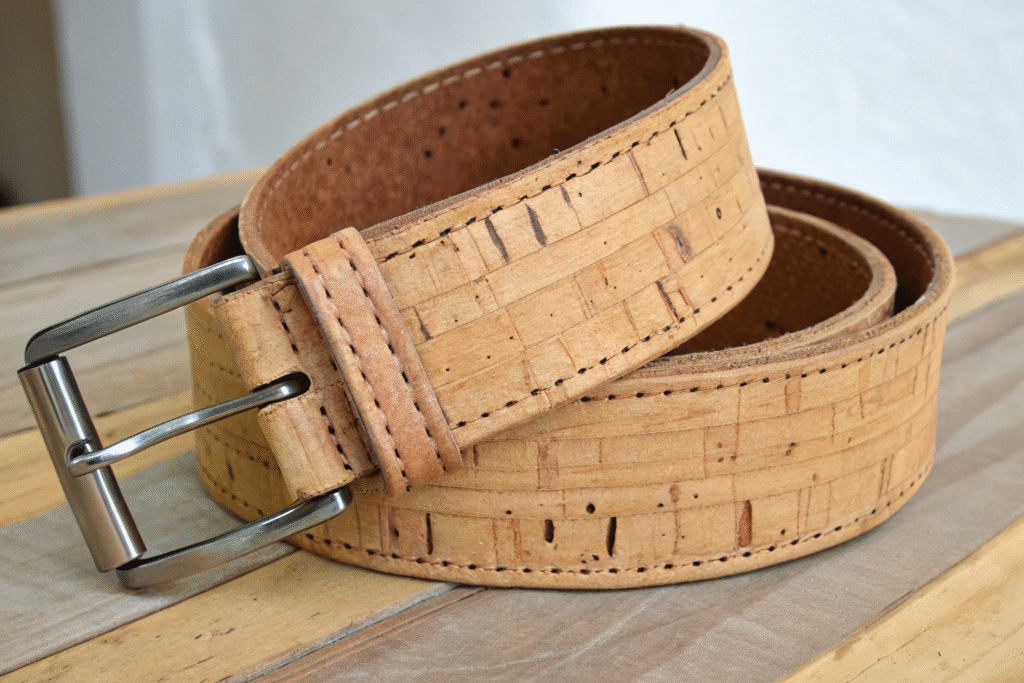
Cork is harvested from the bark of the cork oak tree without cutting down the tree itself. The bark regenerates, making it a completely renewable resource. This sustainable provenance, combined with the material's inherent durability, makes a cork-lined belt a responsible and long-lasting choice.
How Does Cork Harvesting Support the Environment?
The cork oak forest ecosystem is one of the most biodiverse in the world. The sustainable harvesting process actually helps the tree absorb more CO2 to regenerate its bark, making cork harvesting a net-positive for carbon sequestration. By choosing cork, brands and consumers support these vital ecosystems and a circular economy.
This allows brands to market their belts not just on performance, but on a strong sustainability story that resonates with modern, conscious consumers.
Is a Cork Lining Durable Enough for Long-Term Use?
A common misconception is that cork is fragile. In reality, when used as a lining in a laminated structure (sandwiched between layers of leather and backing), it is highly resilient. The honeycomb structure gives it natural compressibility and memory, allowing it to withstand repeated flexing and pressure without cracking or degrading.
When properly constructed with quality adhesives, the cork lining will last the lifetime of the belt. Its durability ensures that the sweat-control and comfort benefits are permanent features of the product.
Conclusion
Cork-lined leather belts are superior for sweat control because they leverage the material's unique natural properties to actively manage moisture, resist odor, and provide unmatched comfort. The cork lining functions as a technical layer that wicks sweat away from the skin for evaporation, utilizes inherent antimicrobial suberin to prevent bacterial growth, and offers a lightweight, flexible fit that enhances all-day wearability. Coupled with its credentials as a renewable and sustainable resource, cork represents a significant advancement in belt design, successfully bridging the gap between the classic appeal of leather and the performance demands of the modern consumer.
If you are interested in developing a line of high-comfort, performance-oriented belts with cork lining, our factory has the expertise in material sourcing and construction to bring this innovative product to life. Contact our Business Director, Elaine, at elaine@fumaoclothing.com to discuss how we can integrate this superior technology into your next collection.