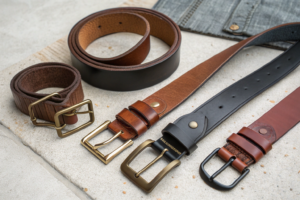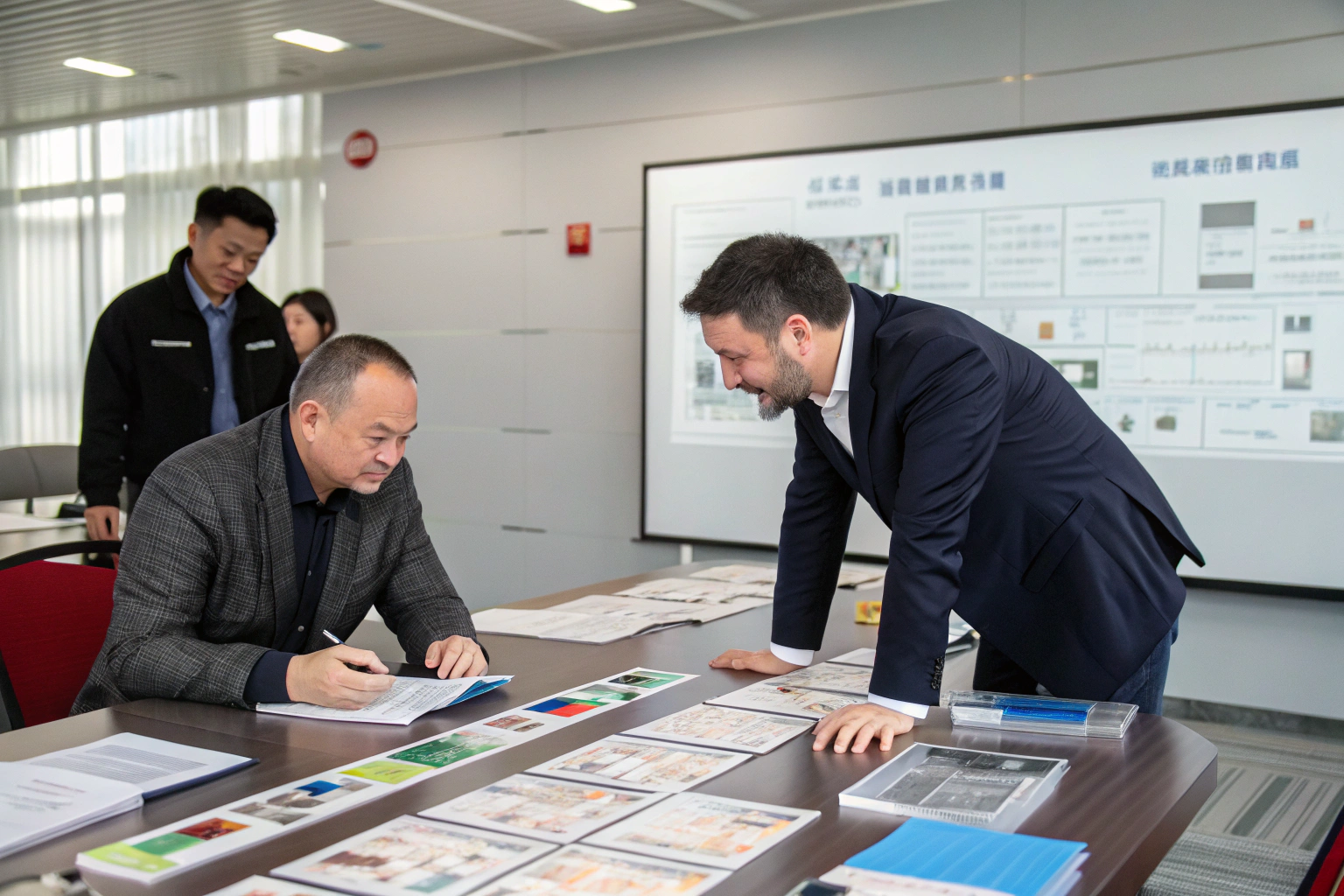
You just landed a major retail order with a tight deadline. Your Chinese supplier quotes 45 days for production, but you need the belts in 30 days to catch the spring fashion season. This time crunch threatens your entire business opportunity. The pressure is real, and how you negotiate the timeline will determine your success.
Negotiating faster production timelines requires strategic preparation, clear communication, and creating win-win scenarios. It's not about making demands but understanding your supplier's constraints and collaboratively finding solutions. The most successful negotiations focus on flexibility, planning, and building partnerships rather than just pushing for speed.
This guide will provide practical strategies for accelerating your production schedules. We'll explore how advance planning creates advantages, why communication clarity prevents delays, how flexibility in ordering helps both parties, and why building strong relationships leads to better cooperation.
How Does Advance Planning Create Timeline Advantages?
Most buyers approach suppliers after they've finalized their designs and need immediate production. This "ready-to-go" approach actually limits your negotiation power because you're asking the factory to accommodate your emergency within their existing production schedule.
Strategic advance planning gives you significant leverage in timeline negotiations. When you involve your supplier during the development phase, they can plan their production capacity around your project. This forward-looking approach transforms you from someone making demands to a strategic partner they want to accommodate.

What is the Ideal Planning Timeline?
Successful companies work backwards from their needed delivery date. For a new belt collection needing September delivery, the timeline should look like this:
| Timeline | Activity | Impact on Production |
|---|---|---|
| January | Initial concept sharing | Factory can reserve capacity |
| February | Sample development | Production planning begins |
| March | Final design approval | Materials sourcing starts |
| April | Production begins | Ample time for quality execution |
| June | Shipping | Avoids peak season delays |
By sharing your new belt designs 6-8 months in advance, you give the factory visibility into your needs. This allows them to schedule your production during slower periods or allocate specific production lines for your order.
How Can You Leverage Off-Season Production?
The fashion industry has natural peaks and valleys. Smart negotiators use this to their advantage. Consider producing fall collections in spring and spring collections in fall when factory capacity is more available.
One of our clients consistently places orders during traditional slow periods. Because we value their business, we offer 15-20% faster production during these windows. Their advanced planning saves them 2-3 weeks on every production run.
Why Does Communication Clarity Prevent Delays?
Unclear communication causes more production delays than any other factor. Vague specifications, changing requirements, and slow response times create bottlenecks that extend timelines. When factories need clarification, production stops until they receive answers.
Clear, precise communication keeps production moving smoothly. This means providing comprehensive technical packages, maintaining quick response times, and establishing single points of contact. When factories have all the information they need, they can work efficiently without interruptions.
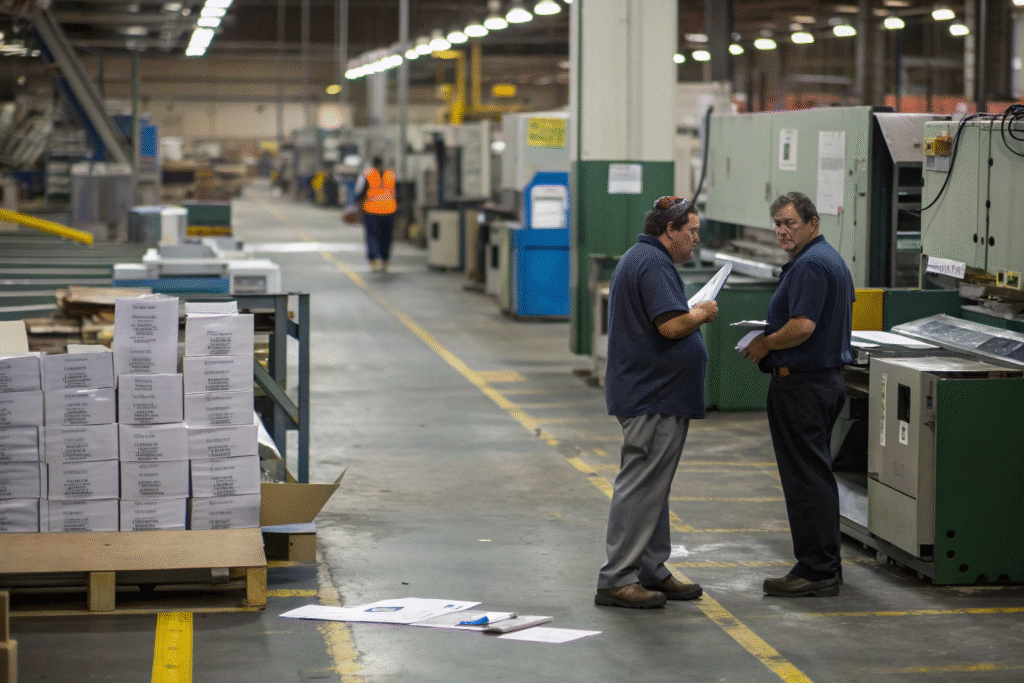
What Should a Perfect Technical Package Include?
Your production package should eliminate all guesswork. Include these elements for fastest execution:
- Detailed Tech Specs: Exact measurements for each belt style, including width, length, and thickness tolerances
- Material Specifications: Precise descriptions of leather types or fabric materials with approved supplier lists
- Buckle Requirements: Detailed buckle specifications including materials, finishes, and attachment methods
- Reference Samples: Physical samples of colors, materials, and workmanship standards
- Packaging Details: Complete packaging requirements with dielines and assembly instructions
One client reduced their production time by 10 days simply by providing perfect technical packages. The factory didn't need to stop once for clarification.
How Can You Streamline Communication?
Establish clear communication protocols from the beginning:
- Single Point of Contact: Designate one person from your team and request one from the factory
- Scheduled Updates: Implement weekly production calls rather than random check-ins
- Digital Tool Usage: Use shared platforms for file sharing and approval tracking
- Decision-Making Authority: Ensure your contact person can make quick decisions without multiple approval layers
How Does Flexibility Create Win-Win Solutions?
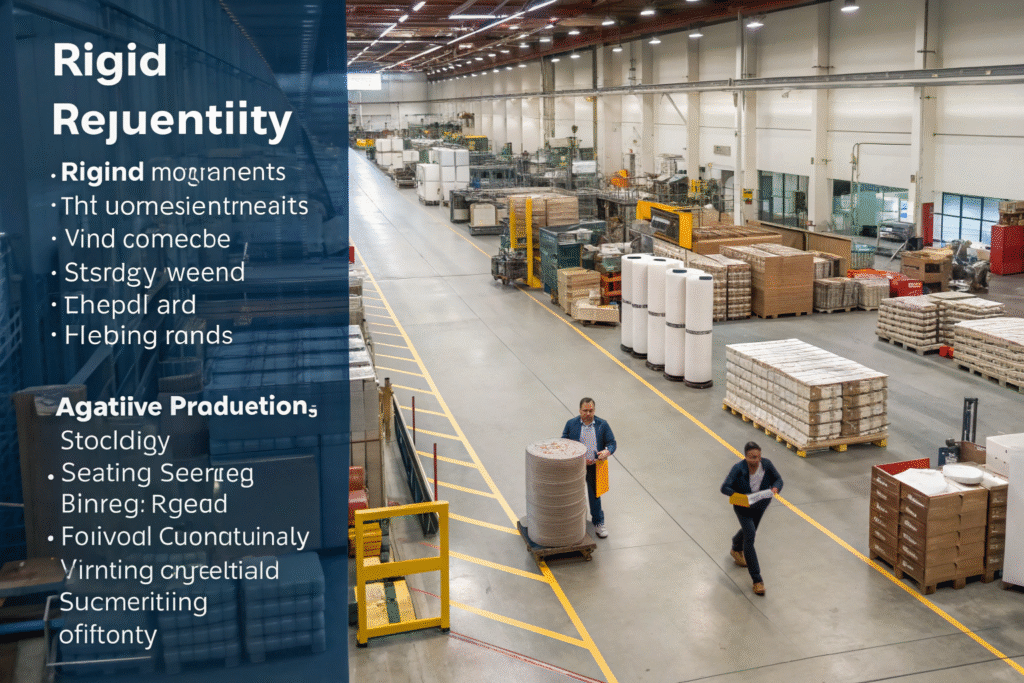
Rigid requirements often create production bottlenecks. When you insist on specific materials, exact timing, and fixed processes, you limit the factory's ability to optimize their workflow for speed.
Strategic flexibility in materials, scheduling, and shipping can dramatically accelerate your timeline. By understanding the factory's constraints and working within them, you can identify opportunities for mutual benefit that speed up production.
Where Can Strategic Compromises Save Time?
Consider these flexible approaches that often yield time savings:
- Material Substitutions: If your first-choice leather has a 4-week lead time, but a similar quality alternative is in stock, you might save 3 weeks
- Buckle Availability: Standard buckle designs from existing molds ship faster than custom designs
- Staggered Production: Instead of waiting for all colors to complete, ship ready items first
- Consolidated Shipping: Combine smaller orders into larger production runs for efficiency
One retailer needed emergency production of 5,000 belts in 3 weeks. By being flexible on buckle finish (choosing an in-stock option rather than custom) and leather type (selecting available stock), we completed production in 18 days.
How Can Payment Terms Influence Priority?
Factories naturally prioritize clients who make their jobs easier and more profitable. Consider how your payment terms affect your placement in the production queue:
- Deposit Timing: Faster deposits often mean faster production scheduling
- Payment Structure: Milestone payments aligned with production stages keep cash flowing
- Long-Term Commitment: Ongoing business receives preferential treatment over one-time orders
We consistently see that clients with established relationships and reliable payment histories receive faster production when they need it most.
Why Do Strong Relationships Lead to Better Cooperation?
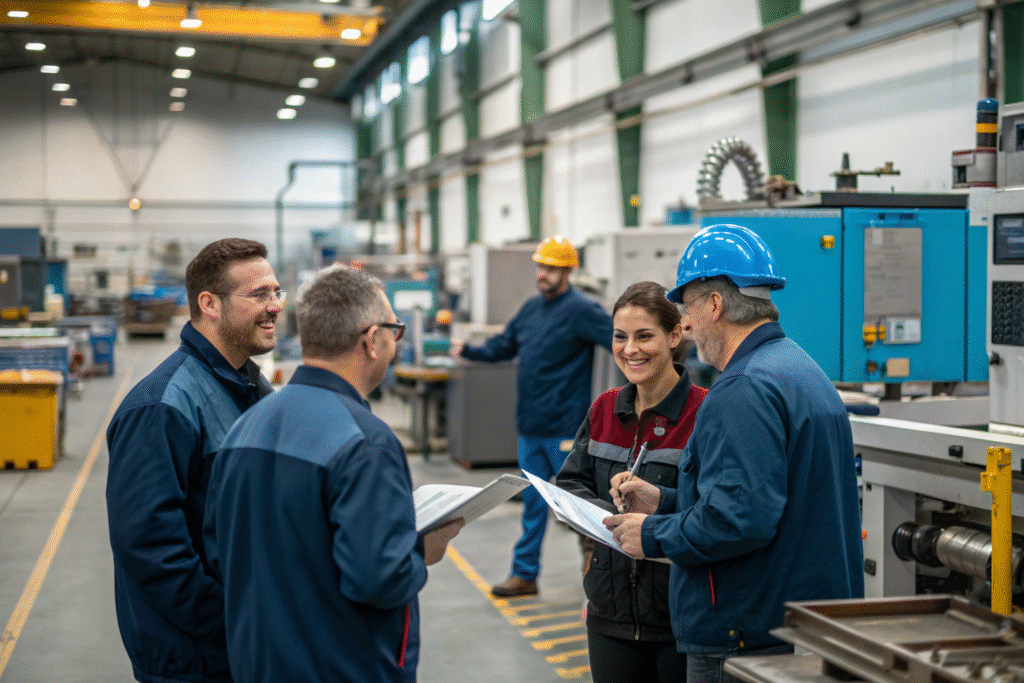
Factories receive countless requests for faster timelines. They naturally prioritize clients they know, trust, and want to keep happy. Transactional relationships get transactional responses, while partnership relationships get exceptional cooperation.
Building genuine relationships with your suppliers transforms timeline negotiations from adversarial to collaborative. When the factory team feels invested in your success, they'll find creative ways to meet your deadlines.
How Can You Build Relationship Capital?
Relationship building requires consistent effort:
- Factory Visits: Nothing builds trust like face-to-face meetings and seeing operations firsthand
- Fair Negotiating: Avoid squeezing every last cent from pricing negotiations
- Recognition of Good Work: Acknowledge when the factory delivers quality and meets deadlines
- Long-Term Planning: Share your business growth plans and how they can participate
- Cultural Understanding: Learn basic Chinese business customs and holiday schedules
One European brand visits our factory twice yearly. When they needed an impossible timeline for a surprise retail order, we worked weekends and rearranged our production schedule to deliver. Their relationship investment paid emergency dividends.
What Communication Style Builds Cooperation?
Your tone and approach significantly impact factory responsiveness:
- Collaborative Language: Use "we" and "our" rather than "you" and "I"
- Problem-Solving Focus: Approach challenges as shared problems to solve together
- Respect for Expertise: Value the factory's knowledge about what's possible
- Realistic Expectations: Understand that some physical processes have fixed time requirements
The most successful clients view us as partners in their business success. This mindset creates cooperation that transcends typical buyer-supplier transactions.
Conclusion
Negotiating faster production timelines requires a strategic blend of advance planning, clear communication, strategic flexibility, and relationship building. By involving suppliers early in your planning process, providing crystal-clear specifications, being flexible on negotiable elements, and investing in genuine partnerships, you can significantly accelerate your production schedules. Remember that the best timeline negotiations create win-win outcomes where both you and your supplier succeed together.
If you're looking for a belt manufacturer that values partnership and can work with you to meet challenging timelines, our factory has built our business on reliable, collaborative production relationships. Contact our Business Director, Elaine, at elaine@fumaoclothing.com to discuss how we can help accelerate your next production schedule.