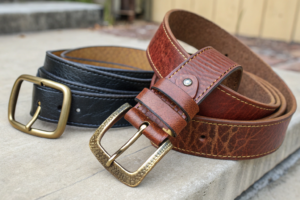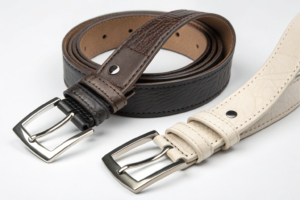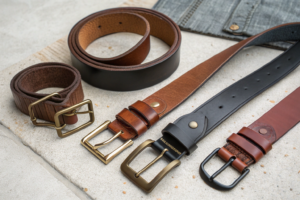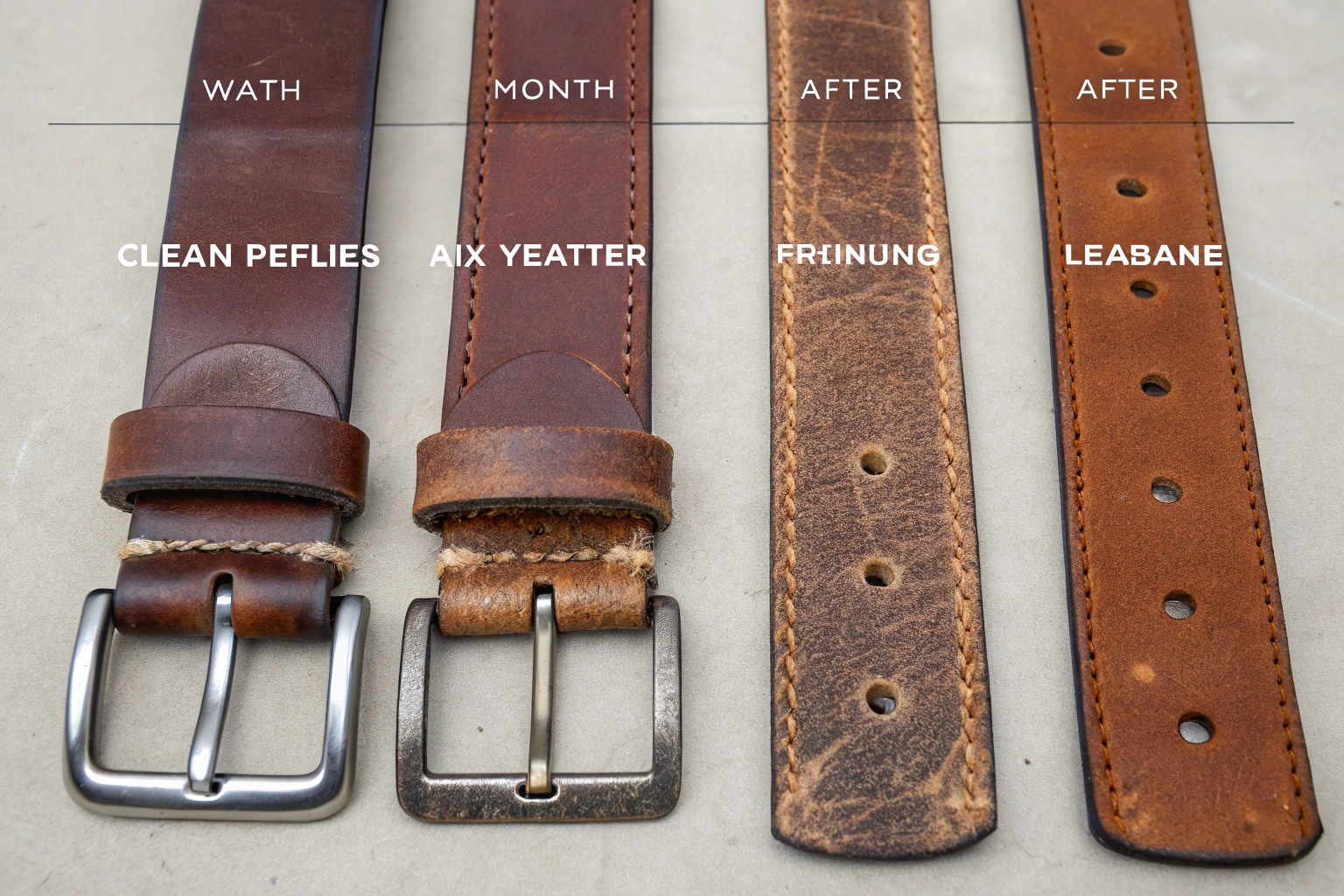
You bought a beautiful leather belt six months ago. Now you notice the edges are fraying, the surface is scratched, and the buckle is loose. This disappointment happens too often. The belt looked good initially but couldn't withstand daily wear. Understanding what makes leather belts durable saves you from repeated purchases and frustration.
Leather belt durability depends on leather quality and thickness, construction methods, hardware quality, and proper care. The most durable belts use full-grain leather, feature solid stitching and reinforced stress points, have well-made buckles, and receive appropriate maintenance. These factors work together to create belts that last for years, not months.
This guide will explore the key elements that determine leather belt longevity. We'll examine how leather type and tanning affect durability, why construction methods matter, what makes hardware last, and how maintenance extends belt life.
How Does Leather Quality Determine Longevity?
The leather type is the foundation of belt durability. Many belts use low-quality leather that looks acceptable initially but quickly deteriorates. The leather's origin, cut, and processing determine how it ages and withstands daily stress.
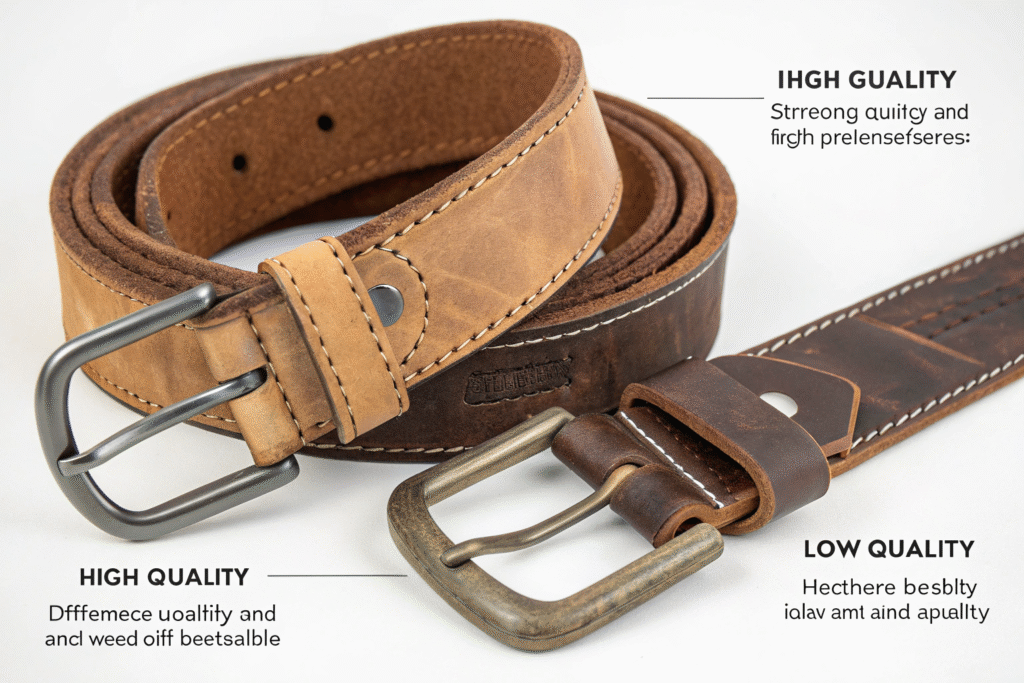
High-quality leather comes from the strongest parts of the hide and undergoes proper tanning. These belts develop character over time rather than falling apart. They resist cracking, stretching, and tearing because the fundamental material has inherent strength and flexibility.
What is the Difference Between Leather Grades?
Not all leather is created equal. The grading determines both initial quality and long-term performance:
- Full-Grain Leather: The strongest and most durable. It comes from the top layer of the hide and retains the natural grain. This leather develops a beautiful patina over years rather than cracking. Our full-grain leather belts represent the highest durability standard.
- Top-Grain Leather: The second most durable option. The surface is sanded to remove imperfections, which slightly reduces thickness but maintains good strength.
- Genuine Leather: A misleading term that actually refers to lower-quality splits and layers glued together. These belts may look fine initially but lack long-term durability.
- Bonded Leather: The least durable option. Made from leather scraps bonded with polyurethane, these belts typically crack and peel within months.
The density and tightness of the grain pattern indicate quality. Tighter patterns mean stronger leather that will better resist daily stress.
How Does Thickness Affect Daily Wear?
Leather thickness directly impacts how a belt withstands daily use:
- Dress Belts: Typically 3.0-3.5mm thick. Suitable for office wear but may deform under heavy use.
- Casual Belts: Usually 3.5-4.0mm thick. Balanced for regular use with moderate stress.
- Work/Outiler Belts: Often 4.0-5.0mm thick. Designed to carry weight and resist heavy stress.
Thicker leather resists curling and deformation around the buckle area. It also better maintains its shape when carrying items like phones or tools. For everyday belts, 3.5-4.0mm provides the best balance of comfort and durability.
Why Do Construction Methods Matter?
Even the best leather will fail if poorly constructed. The manufacturing process determines how well the belt holds together under tension and movement. Superior construction distributes stress evenly and prevents failure at critical points.
Quality construction involves multiple steps that reinforce the belt where it experiences the most stress. These methods require more time and skill but create products that last significantly longer.
What Role Does Stitching Play in Durability?
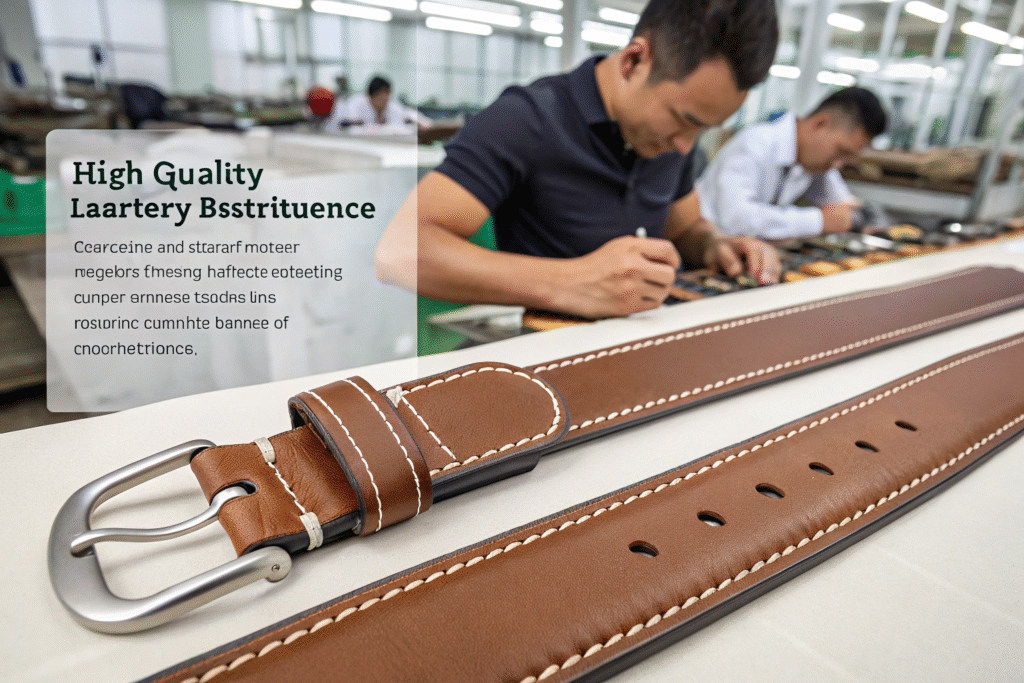
Stitching is the backbone of belt construction. Proper stitching prevents layer separation and reinforces stress areas:
- Thread Type: High-tenacity polyester or nylon thread resists breaking and UV degradation
- Stitch Density: More stitches per inch (SPI) create stronger seams—8-10 SPI is ideal for most belts
- Reinforced Areas: Extra stitching at the buckle attachment and tip area prevents common failure points
Well-executed stitching remains tight and even throughout the belt's life. Loose, uneven, or sparse stitching indicates poor construction that will likely fail.
How Do Edge Finishing and Skiving Affect Longevity?
The belt's edges receive significant abrasion from belt loops and general use. Proper edge treatment prevents fraying and delamination:
- Edge Painting: Multiple thin layers of edge paint create a flexible, durable finish
- Burnishing: Compacting the edge fibers creates a smooth, natural finish
- Skiving: Thinning the leather at the tip and buckle area prevents bulk and ensures smooth operation
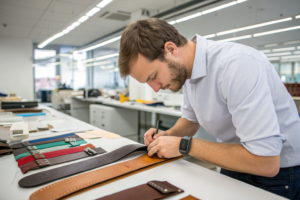
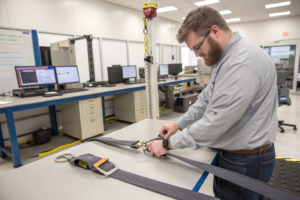
These finishing touches demonstrate attention to detail that correlates with overall construction quality. Our quality control process ensures every belt meets these construction standards.
What Makes Hardware Last?
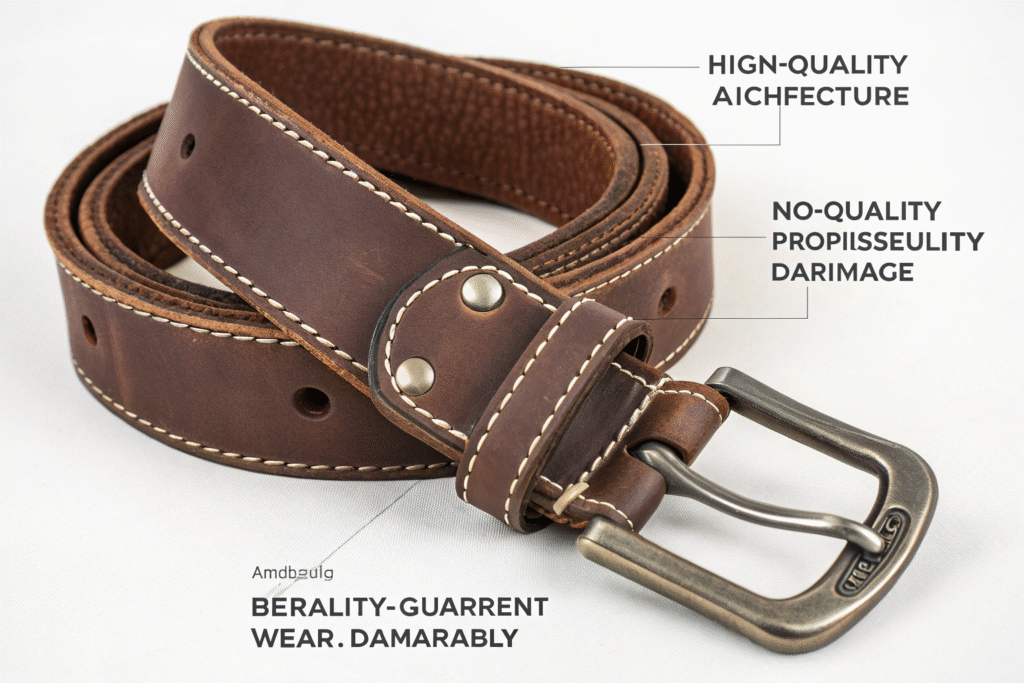
The buckle and attachment points experience constant mechanical stress. Poor hardware fails through breakage, corrosion, or detachment. Quality hardware should last the lifetime of the leather.
Durable hardware uses appropriate materials and secure attachment methods. The buckle should operate smoothly for years without loosening or damaging the leather.
How to Identify Quality Buckles?
The buckle material and construction determine its lifespan:
- Solid Brass: Heavy, durable, and develops a natural patina. Often used in high-end belts.
- Stainless Steel: Corrosion-resistant and maintains its appearance. Ideal for dress belts.
- Zinc Alloy: Lighter and less expensive but can break under stress and may corrode.
- Plated vs. Solid: Solid metal lasts indefinitely, while plating can wear off over time.
The buckle should feel substantial and operate smoothly. The attachment point should be secure without sharp edges that could cut the leather.
What Are the Most Secure Attachment Methods?
How the buckle attaches to the leather significantly impacts durability:
- Chicago Screws: Allow for buckle replacement and provide secure attachment
- Rivets: Permanent and very strong but cannot be replaced
- Stitched Loops: Traditional method that distributes stress evenly
- Folded and Stitched: Creates a clean look with excellent strength
The best method depends on the belt style, but all quality attachments should show clean workmanship without sharp edges or weak points.
How Does Proper Care Extend Belt Life?
Even the best-crafted belt needs proper care to reach its maximum lifespan. Leather is a natural material that benefits from occasional maintenance. Proper care prevents premature drying, cracking, and deformation.
Regular maintenance takes little time but significantly extends how long a belt remains functional and attractive. The right products and practices keep leather supple and strong.
What is the Ideal Cleaning and Conditioning Routine?
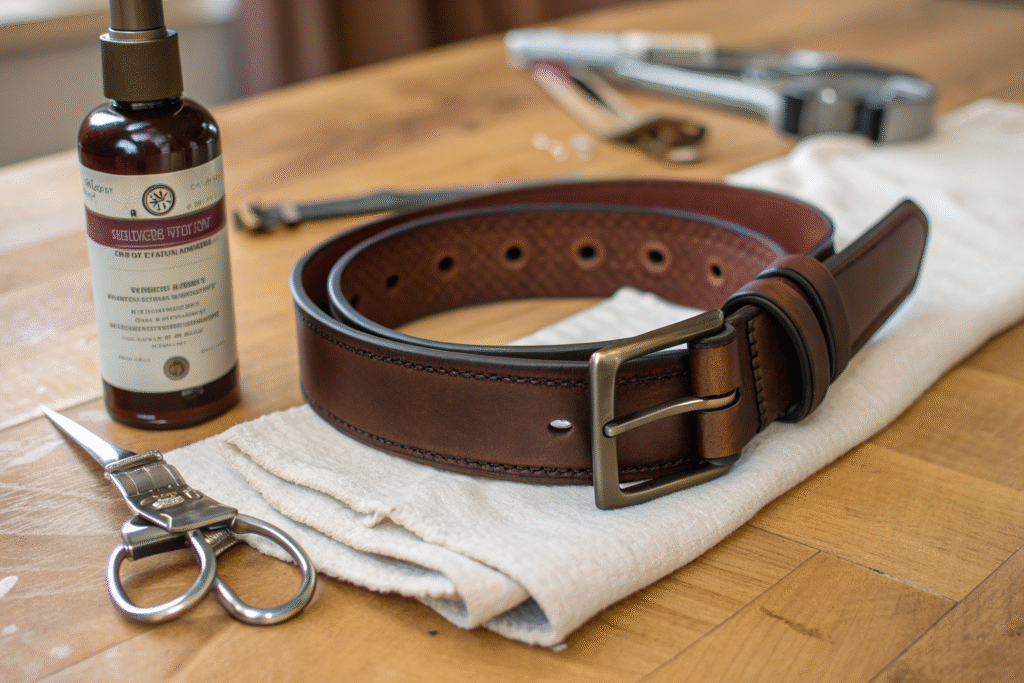
Leather needs occasional cleaning and conditioning to maintain its flexibility:
- Cleaning: Use a damp cloth to remove surface dirt. For deeper cleaning, use leather-specific cleaner.
- Conditioning: Apply leather conditioner every 6-12 months to prevent drying and cracking.
- Storage: Hang belts or roll them loosely. Avoid sharp folds that can create permanent creases.
- Rotation: Using multiple belts in rotation allows each to recover between wears.
Proper care maintains the leather's natural oils and prevents the stiffness that leads to cracking.
How Can You Protect Belts from Common Damage?
Preventing damage is easier than repairing it:
- Avoid Moisture: Don't wear leather belts in heavy rain or humidity if possible
- Prevent Sun Exposure: Store belts away from direct sunlight to prevent fading and drying
- Address Stains Immediately: Clean spills promptly to prevent permanent staining
- Use Proper Holes: Don't create additional holes that can weaken the leather
Following these simple practices can double or triple a belt's functional lifespan. Our care guidelines provide specific instructions for different leather types.
Conclusion
Leather belt durability stems from four key factors: quality full-grain leather with proper thickness, robust construction with reinforced stitching and finished edges, solid hardware made from appropriate materials with secure attachment, and consistent proper care including cleaning and conditioning. When these elements combine, they create belts that withstand daily use for years while developing a beautiful patina. Understanding these factors helps you choose belts that represent true value through long-term performance rather than just initial appearance.
If you're looking for durable leather belts built to last through years of daily use, our factory specializes in quality construction with premium materials and rigorous quality control. Contact our Business Director, Elaine, at elaine@fumaoclothing.com to discuss creating belts that combine lasting durability with timeless style.