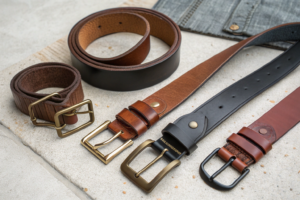
Western belt designs have moved far beyond traditional tooling and basic silver buckles. Today's consumers seek unique statement pieces that honor Western heritage while embracing contemporary fashion sensibilities. The challenge for manufacturers and retailers lies in identifying which embellishment trends have lasting power versus fleeting fads. What new directions are emerging in Western belt decoration?
Emerging trends in Western belt embellishments include mixed metal combinations, nature-inspired organic elements, personalized customization, and sustainable material integrations. Contemporary Western belts are blending traditional craftsmanship with modern aesthetics through textured metal treatments, layered material compositions, and artistic buckle designs that serve as wearable art rather than mere functional accessories.
The evolution of Western belt embellishments reflects broader shifts in fashion, technology, and consumer values. Let's explore the innovative metalwork techniques, nature-inspired designs, personalization trends, and sustainable approaches that are defining the next generation of Western belt styling.
How Are Modern Metalwork Techniques Transforming Western Belts?
Metal embellishments have always been central to Western belt design, but current techniques are pushing beyond traditional stamping and casting. Today's metalwork combines advanced manufacturing with artisanal finishing to create buckles and conchos that make powerful style statements.
Modern metalwork techniques include laser etching for precise detailing, mixed metal inlays, oxidized and patina finishes, and 3D printing for complex geometric designs. These approaches allow for greater artistic expression while maintaining the quality and durability expected of Western accessories. The result is buckles that serve as focal points rather than merely functional components.

What Laser Technology is Revolutionizing Belt Embellishments?
Laser cutting and etching technology enables incredibly detailed patterns, logos, and textures that were impossible with traditional metal stamping. Computer-controlled lasers can reproduce complex Southwestern patterns, intricate floral motifs, or even photographic-level detail with perfect consistency. This technology allows for customization at scale while maintaining artisanal appearance. The International Laser Apparel Association documents how laser technology is transforming leather and metal goods manufacturing. Additionally, resources from EPILOG Laser demonstrate the capabilities of laser systems for creating detailed metal embellishments.
Why Are Mixed Metal Combinations Gaining Popularity?
Mixed metal combinations like sterling silver with rose gold accents, copper with nickel silver, and bronze with stainless steel create visual depth and contemporary appeal. These combinations allow designers to play with contrast and complementarity, making belts more versatile with different jewelry and accessory choices. The trend reflects broader fashion movements toward personalized metal mixing rather than sticking to single metal families. The Manufacturing Jewelers and Silversmiths of America provides technical resources on successful metal combinations and joining techniques for durable mixed-metal creations.
What Nature-Inspired Elements Are Defining Contemporary Western Belts?
Western fashion has always drawn inspiration from the natural world, but current interpretations are more artistic and less literal. Designers are moving beyond basic floral and animal motifs to create organic elements that feel both timeless and fresh.
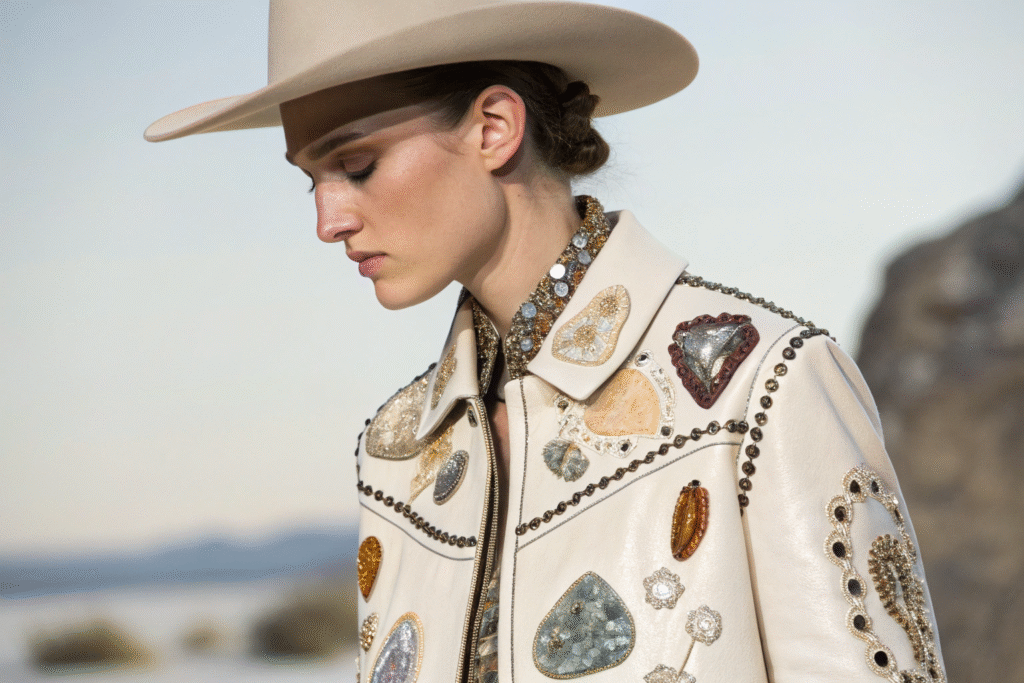
Nature-inspired elements now include geodes and crystal inlays, fossil and bone reproductions, textured surfaces mimicking natural formations, and organic asymmetrical designs. These elements connect wearers to Western landscapes and heritage while offering sophisticated, fashion-forward aesthetics suitable for both rural and urban environments.
How Are Stone and Crystal Inlays Being Used Innovatively?
Stone and crystal inlays have evolved from simple turquoise settings to sophisticated combinations of lapis lazuli, malachite, tiger eye, and even lab-grown crystals arranged in geometric patterns or organic clusters. Modern setting techniques allow stones to become integral design elements rather than mere accents, with some designs featuring stone as the primary buckle material. This approach creates unique, eye-catching pieces that capture light and color in dynamic ways. The Gemological Institute of America provides education on proper stone setting techniques for wearable accessories. Furthermore, The Responsible Jewelry Council offers guidelines for ethical sourcing of natural stone materials.
What Organic Textures Are Replacing Traditional Tooling?
Organic textures like bark-like embossing, water-eroded patterns, wind-swept finishes, and geological layer effects are replacing traditional floral and basketweave tooling. These textures create visual interest while feeling more contemporary and less costumey than some traditional Western patterns. The textures often extend beyond the buckle to the leather itself, creating cohesive design statements that reference natural erosion and formation processes. Research from The Leather Naturally coalition highlights how modern finishing techniques can create durable organic textures on leather surfaces.
How is Personalization Influencing Western Belt Embellishments?
The demand for personalized products has significantly impacted Western belt design, with consumers seeking pieces that reflect their individual stories and identities. Modern customization goes beyond simple initial engraving to encompass meaningful, unique embellishments.
Personalization trends include coordinates of significant locations, symbolic representations of personal journeys, custom brand marks for working ranchers, and artistic interpretations of family heritage. These elements transform belts from mass-produced accessories into cherished personal artifacts with emotional resonance and storytelling power.

What Technical Advances Enable Detailed Personalization?
Advanced CAD/CAM systems, high-precision laser engraving, and digital design interfaces allow customers to visualize and customize their belts before production. These technologies enable complex personalization including detailed maps, portrait reproductions, and intricate symbolic designs that maintain clarity and durability. The customization process has become more accessible through online configurators and mobile apps that guide customers through design choices. Platforms like Adobe Creative Cloud provide the design tools necessary for creating detailed personalized artwork for production. Additionally, SolidWorks offers CAD solutions specifically tailored for jewelry and accessory design with customization capabilities.
Why Are Symbolic and Meaningful Elements Replacing Simple Monograms?
Consumers are moving beyond simple monograms toward symbols that represent personal values, milestones, and heritage. This includes nature symbols representing family members, geometric patterns with personal significance, and artistic representations of important life events. This shift reflects a broader cultural movement toward meaningful consumption and products that tell personal stories. The Personalization Consortium researches consumer preferences in customized products, noting the growing demand for meaningful rather than merely decorative personalization.
What Sustainable and Ethical Embellishment Trends Are Emerging?
Sustainability has become a significant factor in Western fashion, with consumers increasingly concerned about the environmental and ethical implications of their purchases. This has inspired innovative approaches to materials and production methods in belt embellishments.
Sustainable trends include upcycled metal components, ethically sourced natural materials, lab-grown gem alternatives, and water-conscious leather treatments. These approaches allow consumers to enjoy Western aesthetics while aligning with their values regarding environmental responsibility and ethical production.
How Are Designers Incorporating Upcycled Materials?
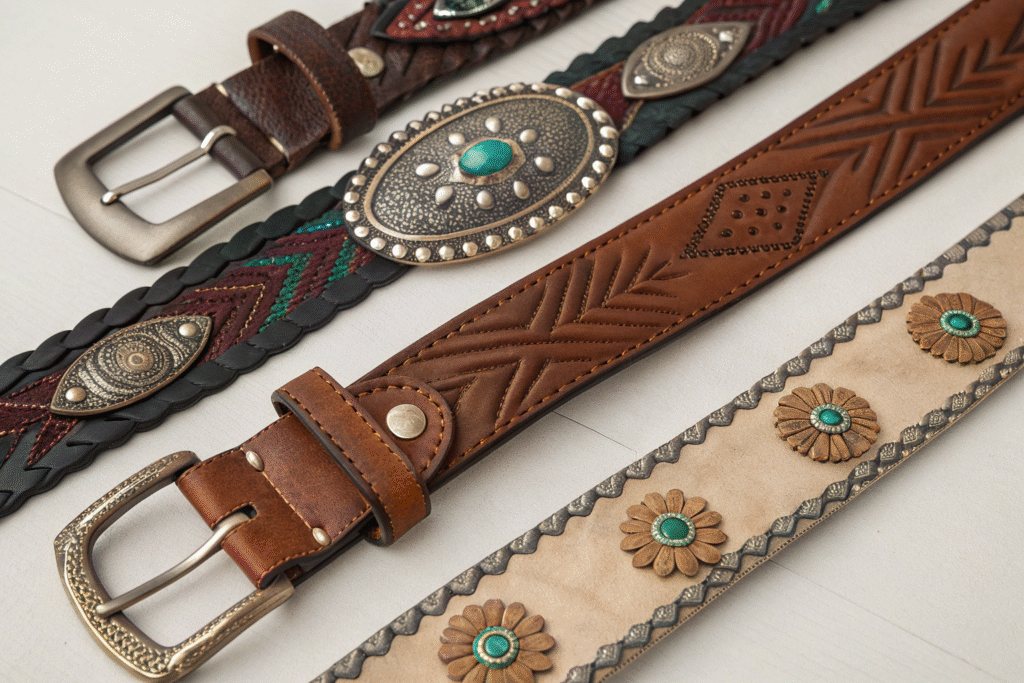
Designers are incorporating upcycled materials including reclaimed saddle hardware, vintage silverware repurposed as buckle elements, recycled brass from plumbing fixtures, and reclaimed leather scraps used for inlay work. These materials carry history and character while reducing environmental impact. The upcycling process often creates unique, one-of-a-kind pieces that cannot be exactly replicated, adding to their appeal. The Upcycled Fashion Association promotes sustainable practices in fashion manufacturing and provides certification for genuinely upcycled products. Resources from The Ellen MacArthur Foundation outline circular economy principles applicable to accessory manufacturing.
What Ethical Sourcing Certifications Are Consumers Seeking?
Consumers are increasingly seeking products with verifiable ethical certifications including responsibly sourced metals, conflict-free stones, transparent supply chain documentation, and fair labor practices verification. This trend is particularly strong among younger Western wear enthusiasts who value authenticity and ethical production. Certifications provide assurance that products align with their values while maintaining quality and aesthetic appeal. Organizations like Fairtrade International establish standards for ethical mining and production practices. Additionally, The Sustainable Apparel Coalition's Higg Index helps brands measure and communicate their sustainability performance.
Conclusion
Western belt embellishments are evolving to reflect contemporary values while honoring traditional craftsmanship. The emerging trends of artistic metalwork, nature-inspired elements, meaningful personalization, and sustainable practices demonstrate the category's dynamic evolution. These developments ensure Western belts remain relevant to modern consumers while maintaining their cultural significance.
The fusion of traditional Western aesthetics with modern design sensibilities and ethical production methods creates exciting opportunities for manufacturers and retailers. If you're looking to develop Western belt collections that incorporate these emerging embellishment trends, our design and manufacturing expertise can help create products that resonate with today's conscious consumers. Contact our Business Director, Elaine, to discuss how we can develop trend-forward Western belts for your brand. Reach out to Elaine at elaine@fumaoclothing.com. Let's create Western accessories that honor tradition while embracing innovation.