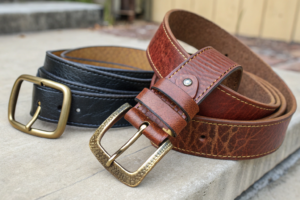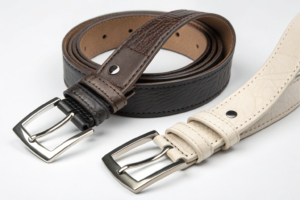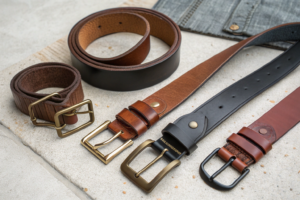
Minimum Order Quantity requirements often create barriers for brands wanting to work with quality Chinese manufacturers. You find the perfect factory with excellent craftsmanship, but their MOQ seems impossibly high for your startup or seasonal collection. The frustration of missing production opportunities because of quantity requirements is a common challenge for growing brands. Is there a way to negotiate MOQ flexibility without compromising the partnership?
MOQ flexibility with Chinese belt factories can be calculated by understanding factory cost structures, offering strategic concessions, and building mutually beneficial relationships. Successful negotiations consider material costs, production efficiency, seasonality, and long-term partnership potential. Factories are often willing to adjust MOQs when brands demonstrate growth potential, offer prepayment, or accept standard materials.
Calculating true MOQ flexibility requires analyzing multiple factors beyond the initial number. Let's explore how to understand factory perspectives, negotiate effectively, leverage strategic options, and build relationships that create flexibility.
What Factors Determine MOQ in Chinese Belt Factories?
Understanding what drives MOQ requirements is the first step toward negotiating flexibility. Factories don't set arbitrary numbers - each MOQ reflects calculated business decisions based on production efficiency and profitability.
MOQ determinations include material procurement constraints, production line efficiency thresholds, labor allocation efficiency, and profit margin requirements. Factories calculate the minimum quantity needed to make production runs economically viable while covering setup costs, material waste, and administrative overhead. Understanding these components helps identify where flexibility might exist.
How Do Material Costs Impact MOQ Calculations?
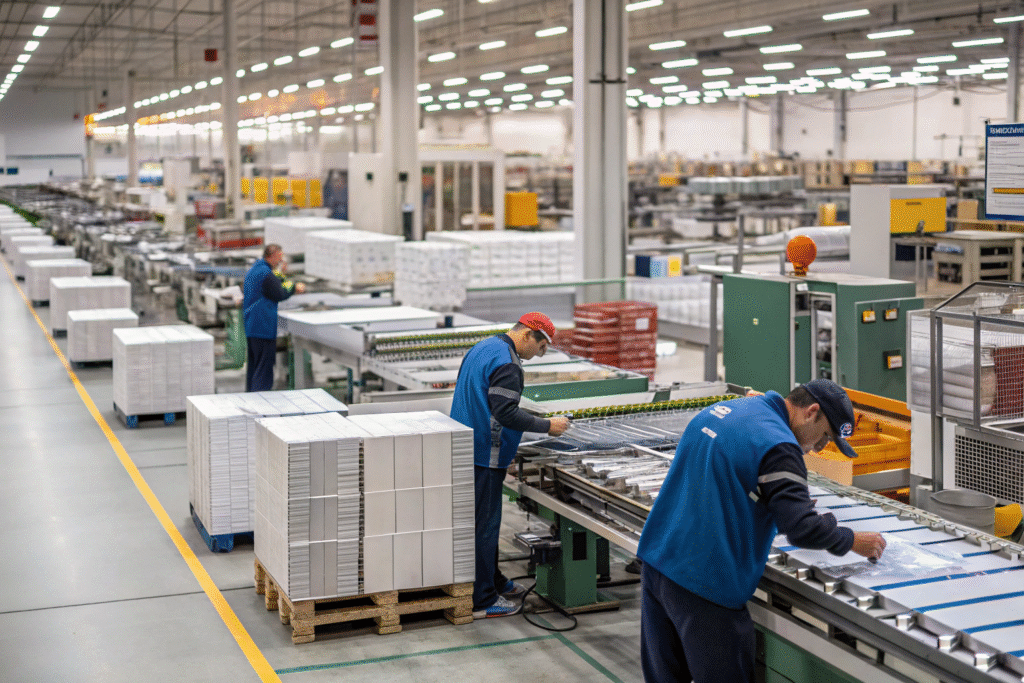
Material costs significantly impact MOQ because leather, metals, and other materials often have their own minimum purchase requirements. Factories cannot economically purchase small quantities of genuine leather hides or custom buckle molds without spreading costs across sufficient units. The more specialized or premium the material, the higher the MOQ tends to be. The International Leather Goods Association provides resources on leather procurement economics that help explain material-driven MOQ requirements. Additionally, the China Leather Industry Association offers insights into domestic material sourcing constraints and minimum purchase quantities.
What Production Efficiency Factors Affect MOQ?
Production efficiency factors include machine setup time, pattern making, production line organization, and quality control processes. Each production run requires fixed time investments regardless of quantity. Factories calculate the point where these fixed costs become economically viable per unit. Smaller orders disrupt production flow and increase per-unit costs significantly. Research from the China Garment Manufacturers Association demonstrates how production efficiency metrics directly influence minimum quantity requirements across different product categories.
How to Negotiate MOQ Flexibility Effectively?
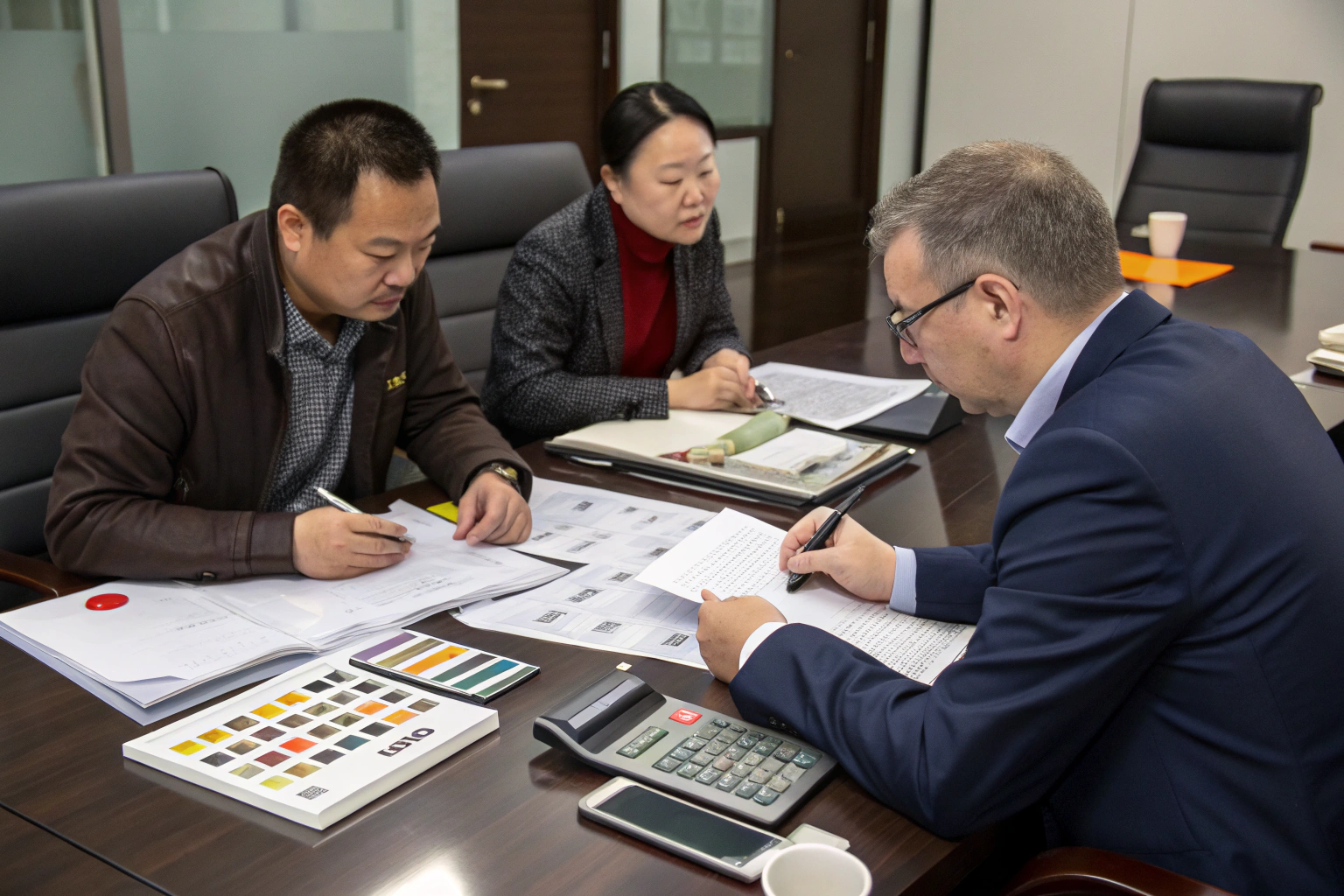
Successful MOQ negotiation requires preparation, realistic expectations, and understanding what concessions create value for the factory. Approaching negotiations with collaborative problem-solving yields better results than making demands.
Effective MOQ negotiation strategies include offering higher prices per unit, providing prepayment, combining multiple products, demonstrating growth potential, and accepting longer production timelines. Factories are more flexible when brands share risks and costs, or when orders fit into production gaps that would otherwise remain unused.

What Concessions Create Win-Win Flexibility?
Concessions that create flexibility include accepting standard materials instead of custom specifications, agreeing to consolidated shipping schedules, offering deposit payments that improve factory cash flow, and being flexible on production timing. These approaches reduce factory risk and administrative burden while still meeting quality standards. The U.S.-China Business Council provides resources on negotiation strategies that account for cultural differences in business communications. Additionally, the American Apparel & Footwear Association offers specific guidance on manufacturing negotiation tactics with Asian partners.
How Can Payment Terms Influence MOQ Requirements?
Favorable payment terms like 50% deposit with order confirmation and balance before shipment significantly increase negotiation leverage. Factories value cash flow certainty and may reduce MOQ by 20-40% for secure payment terms. Offering letters of credit or escrow services can further build trust while protecting both parties. Payment security often outweighs quantity concerns for factories managing tight margins. Information from The International Chamber of Commerce provides standard payment term frameworks that facilitate international manufacturing agreements.
What Strategic Options Increase MOQ Flexibility?
Beyond direct negotiation, several strategic approaches can create MOQ flexibility by restructuring how orders are planned and executed. Thinking creatively about order structure often reveals hidden opportunities.
Strategic flexibility options include mixed product orders, seasonal consolidation, pre-order programs, and consignment inventory arrangements. These approaches maintain factory production efficiency while accommodating smaller individual product quantities or shorter production runs.
How Do Mixed Product Orders Affect MOQ?
Mixed product orders allow factories to meet overall quantity requirements while brands receive smaller quantities of multiple belt styles. This approach works when different products share materials, production processes, or buckle components. Factories achieve efficient production runs while brands diversify their offerings without exceeding individual style MOQs. The Fashion Manufacturer's Association provides case studies on successful mixed-product ordering strategies that benefit both manufacturers and brands. Implementation often requires sophisticated inventory management systems to track multiple SKUs within combined production runs.
Can Production Timing Create MOQ Opportunities?
Production timing during factory slow seasons or scheduling during production gaps can significantly reduce MOQ requirements. Factories often have 20-30% more flexibility during January-February or July-August when regular orders slow. Being flexible on delivery dates allows factories to schedule smaller orders during otherwise unproductive periods. The China National Textile and Apparel Council publishes seasonal production capacity data that helps identify timing opportunities for smaller orders. Many factories use production planning software to optimize schedule efficiency and identify flexibility windows.
How to Build Relationships for Long-Term MOQ Flexibility?
Long-term partnerships create natural MOQ flexibility as trust develops and factories recognize customer value beyond individual order size. Relationship building requires consistent communication, reliable performance, and demonstrated growth.
Relationship-based flexibility develops through consistent order patterns, transparent business practices, prompt payment history, and growth demonstration. Factories invest in flexible terms for partners who show potential for increasing order sizes, provide predictable business, and communicate challenges proactively.

What Communication Practices Build Manufacturing Trust?
Regular factory visits, transparent business planning, prompt response to inquiries, and honest assessment of challenges build manufacturing trust. Chinese manufacturers particularly value face-to-face relationships and consistent communication patterns. Sharing long-term business plans helps factories see beyond individual small orders to future growth potential. The China-Britain Business Council provides cultural guidance on building manufacturing relationships in China, emphasizing the importance of personal connections in business negotiations. Regular use of professional communication platforms maintains connection between in-person visits.
How Does Order History Influence Future MOQ Negotiations?
Consistent order fulfillment, quality issue resolution, and payment reliability create negotiation leverage for future orders. Factories track customer performance metrics and are significantly more flexible with proven reliable partners. Even if initial orders are small, demonstrating growth trajectory and operational professionalism builds the case for flexibility. Data from The Supplier Relationship Management Institute shows that manufacturers offer 15-25% better terms to customers with strong performance histories across multiple order cycles.
Conclusion
MOQ flexibility with Chinese belt factories is achievable through strategic calculation, thoughtful negotiation, and relationship building. Understanding factory perspectives, offering valuable concessions, and demonstrating partnership potential creates opportunities for brands of all sizes to work with quality manufacturers.
The most successful approaches combine immediate practical solutions with long-term relationship development. If you're looking to establish manufacturing partnerships with flexible MOQ terms, our factory has developed structured approaches to accommodate growing brands. Contact our Business Director, Elaine, to discuss how we can create customized MOQ solutions for your belt collection. Reach out to Elaine at elaine@fumaoclothing.com. Let's build a manufacturing partnership that grows with your business.