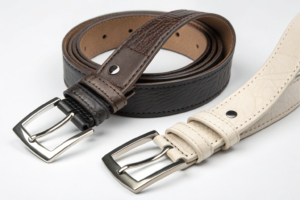
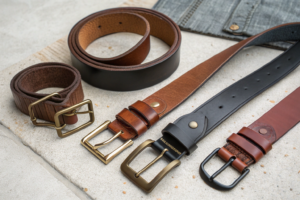
Nothing ruins a professional presentation or social gathering faster than worrying about belt odor. Many people don't realize their belts can harbor unpleasant smells that transfer to clothing and become noticeable throughout the day. The problem often starts subtly - a musty smell after a humid day, or persistent odor that survives multiple cleanings. What materials actually prevent these embarrassing situations?
The top material choices for odor-control belts include antimicrobial-treated leathers, advanced technical fabrics, natural fiber blends, and innovative composite materials. These options work through either inherent material properties or specialized treatments that prevent bacterial growth - the primary cause of persistent belt odors. Unlike conventional belts that simply mask smells, these materials address the root cause by creating environments where odor-causing bacteria cannot thrive.
Understanding odor control requires examining both material science and practical wearing conditions. Let's explore antimicrobial treatments, moisture-wicking technologies, natural odor-resistant materials, and specialized constructions that keep belts fresh through extended wear.
How Do Antimicrobial Treatments Work in Belt Materials?
Antimicrobial treatments represent the most direct approach to odor control, using advanced chemistry to create hostile environments for odor-causing microorganisms. These treatments have evolved significantly from simple surface applications to integrated material modifications.
Antimicrobial treatments work by either disrupting bacterial cell membranes, interfering with metabolic processes, or preventing reproduction through ionic interference. The most effective treatments are bonded at the molecular level to material surfaces, creating permanent protection that survives cleaning and wear. Unlike temporary solutions that wash away, these integrated treatments provide continuous protection throughout the product's lifespan.

What Are the Most Effective Antimicrobial Agents?
The most effective antimicrobial agents include silver ions, zinc compounds, copper-infused treatments, and plant-based alternatives like chitosan from shellfish shells. Silver ions work by disrupting cellular respiration and reproduction in microorganisms, while zinc compounds prevent odor through absorption and antimicrobial action. Copper treatments provide broad-spectrum protection against bacteria, viruses, and fungi. These agents are typically integrated during material processing rather than applied superficially, ensuring even distribution and lasting effectiveness. The Antimicrobial Agents Working Group provides research on efficacy and safety standards for various antimicrobial treatments. Additionally, the International Antimicrobial Council establishes testing protocols that verify long-term odor control performance.
How Are These Treatments Applied to Different Materials?
Application methods vary by material type: leather receives antimicrobial treatments during tanning or finishing processes, synthetic materials incorporate additives during polymer extrusion, and natural fibers undergo specialized finishing treatments. The key to effectiveness is ensuring the treatment penetrates beyond surface level to provide protection throughout the material thickness. For leather belts, antimicrobial properties are often integrated during the retanning stage, while technical fabrics may feature yarns with built-in antimicrobial properties. Manufacturing standards from the Leather Working Group include protocols for proper application of functional treatments during leather production.
What Technical Fabrics Excel at Odor Control?
Technical fabrics have revolutionized odor control through engineered fibers and specialized constructions that manage moisture and microbial growth simultaneously. These advanced materials offer solutions that natural materials cannot match for consistent performance.
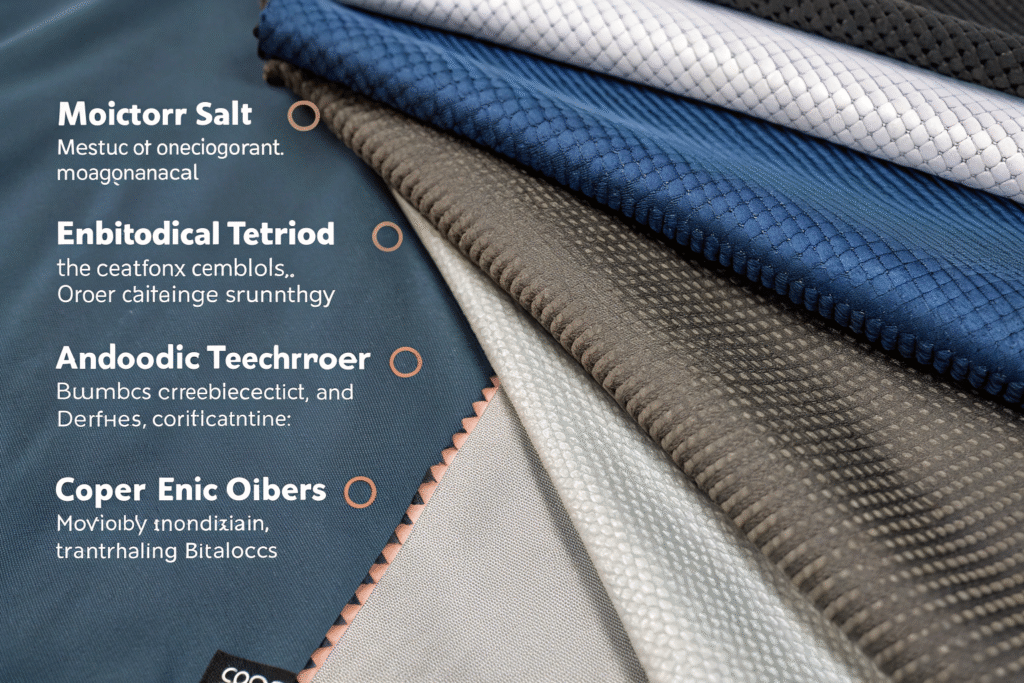
Technical fabrics excelling at odor control include polyester with silver salt technology, nylon with zinc-based treatments, bamboo charcoal-infused synthetics, and copper-embedded fibers. These materials combine moisture-wicking properties with inherent antimicrobial action, creating multiple barriers against odor development. The fabric constructions often feature capillary action that pulls moisture away from the body while antimicrobial elements prevent bacterial growth in the damp environment.
How Does Moisture Management Prevent Odor?
Moisture management prevents odor by eliminating the damp environment where bacteria thrive. Technical fabrics use capillary action, hydrophobic treatments, and strategic ventilation to move sweat away from the skin and facilitate rapid evaporation. By keeping the belt-to-body interface drier, these fabrics remove the primary condition necessary for bacterial proliferation and subsequent odor development. The Textile Institute publishes extensive research on moisture management technologies and their impact on microbial growth in wearable products. Performance standards from ASTM International provide testing methods for evaluating moisture management claims in textile products.
What Fabric Constructions Enhance Odor Resistance?
Fabric constructions that enhance odor resistance include mesh panels for increased airflow, double-layer designs that separate moisture transport from structural layers, and seamless weaves that minimize areas for bacterial accumulation. These constructions work with the material properties to create comprehensive odor prevention systems rather than relying on single solutions. The physical structure of the fabric can either promote or prevent the conditions that lead to odor problems. Research from The Advanced Textiles Association demonstrates how fabric construction impacts microbial growth patterns and odor development over time.
Which Natural Materials Offer Inherent Odor Resistance?
Some natural materials provide odor resistance through their inherent chemical composition and physical structure, offering solutions that don't rely on chemical treatments. These materials appeal to consumers seeking natural alternatives to technical fabrics.
Natural materials with inherent odor resistance include wool, bamboo, hemp, and certain specially processed leathers. These materials contain natural compounds that inhibit bacterial growth or feature physical structures that resist moisture retention. Unlike synthetic materials that may require chemical treatments, these natural options provide protection through their fundamental material properties.

What Makes Wool Naturally Odor-Resistant?
Wool's natural odor resistance comes from lanolin residues and the fiber's complex scale structure that prevents bacterial adhesion. The wool fiber can absorb up to 30% of its weight in moisture without feeling damp, creating an environment where bacteria struggle to proliferate. Additionally, wool contains keratin proteins that naturally resist microbial breakdown, the process that causes odor in many other natural fibers. The International Wool Textile Organisation provides scientific data on wool's natural antimicrobial properties and performance testing results. Studies from The Woolmark Company document wool's performance advantages for extended wear without odor development.
How Are Natural Fibers Being Enhanced for Better Performance?
Natural fibers are being enhanced through enzyme treatments, natural antimicrobial extracts, and blending with technical fibers that complement their inherent properties. Bamboo undergoes mechanical processing that preserves its natural antimicrobial agent bamboo kun, while hemp receives treatments that enhance its natural resistance to microbial growth. These enhancement processes maintain the natural character of the materials while improving their functional performance for demanding applications. The Global Organic Textile Standard provides guidelines for environmentally responsible treatments that enhance natural fiber performance without compromising their sustainable credentials.
What Specialized Constructions Enhance Odor Control?
Beyond material selection, physical construction plays a crucial role in odor prevention through strategic design elements that minimize conditions favorable to bacterial growth. These construction techniques work with material properties to create comprehensive odor management systems.
Specialized constructions that enhance odor control include ventilated layers, removable inner components, seamless designs, and modular systems. These approaches address odor through physical means rather than chemical treatments, creating products that remain fresh through mechanical solutions to moisture and bacterial management.

How Do Ventilated Designs Prevent Odor Buildup?
Ventilated designs prevent odor buildup by increasing airflow to areas most prone to moisture accumulation. Strategic perforations, mesh inserts, and channeled constructions create air movement that evaporates sweat before bacteria can proliferate. These designs are particularly effective in belt areas that contact skin directly or experience friction during movement. By addressing the environmental conditions that cause odor rather than just the bacteria themselves, ventilated designs provide protection that doesn't diminish over time. Design principles from The Industrial Designers Society of America include guidelines for integrating functional ventilation into wearable products without compromising aesthetics or durability.
What Role Do Removable/Washable Components Play?
Removable and washable components allow for regular cleaning of the elements most exposed to sweat and bacteria. Systems with interchangeable straps or liners enable users to maintain freshness through convenient cleaning of high-contact areas. This approach recognizes that even the best odor-resistant materials benefit from occasional cleaning, and makes this maintenance practical for regular use. The modularity also extends product life by allowing replacement of only the worn components rather than the entire belt. Consumer research from The Sustainable Apparel Coalition shows that modular designs significantly increase product lifespan and user satisfaction through maintainability.
Conclusion
Odor-control belts have evolved from simple treated fabrics to sophisticated systems combining advanced materials, intelligent constructions, and proven antimicrobial technologies. The most effective solutions address odor through multiple mechanisms simultaneously - managing moisture, inhibiting bacterial growth, and facilitating cleaning.
The optimal material choice depends on specific use conditions, personal preferences, and performance requirements. If you're looking to develop odor-control belts that combine technical performance with market appeal, our manufacturing expertise can help select and implement the right materials for your target audience. Contact our Business Director, Elaine, to discuss how we can create fresh-performing belts for your collection. Reach out to Elaine at elaine@fumaoclothing.com. Let's develop belts that stay as fresh as their first day of wear.