The global supply chain has transformed dramatically, with international travel restrictions and budget constraints making physical factory visits increasingly challenging. Buyers hesitate to commit to new manufacturing partners without seeing operations firsthand, while factories struggle to demonstrate their capabilities to potential clients overseas. How can manufacturers bridge this trust gap when in-person visits aren't possible?
Implementing virtual factory tours for remote audits involves combining live-streaming technology, interactive documentation, real-time Q&A sessions, and digital verification systems. Successful virtual tours provide comprehensive transparency while maintaining engagement, allowing international buyers to assess manufacturing capabilities, quality control processes, and working conditions without physical presence. This approach not only solves immediate access problems but often provides better documentation and more stakeholders participating than traditional visits.
Creating an effective virtual audit system requires strategic planning across technology, content, and process design. Let's explore the technical setup, content strategy, verification methods, and engagement techniques that make virtual factory tours credible alternatives to physical audits.
What Technical Setup Ensures Professional Virtual Tours?
The foundation of an effective virtual tour is reliable technology that captures factory operations clearly without disrupting workflow. Poor audio, shaky footage, or weak connections undermine credibility regardless of actual factory quality.
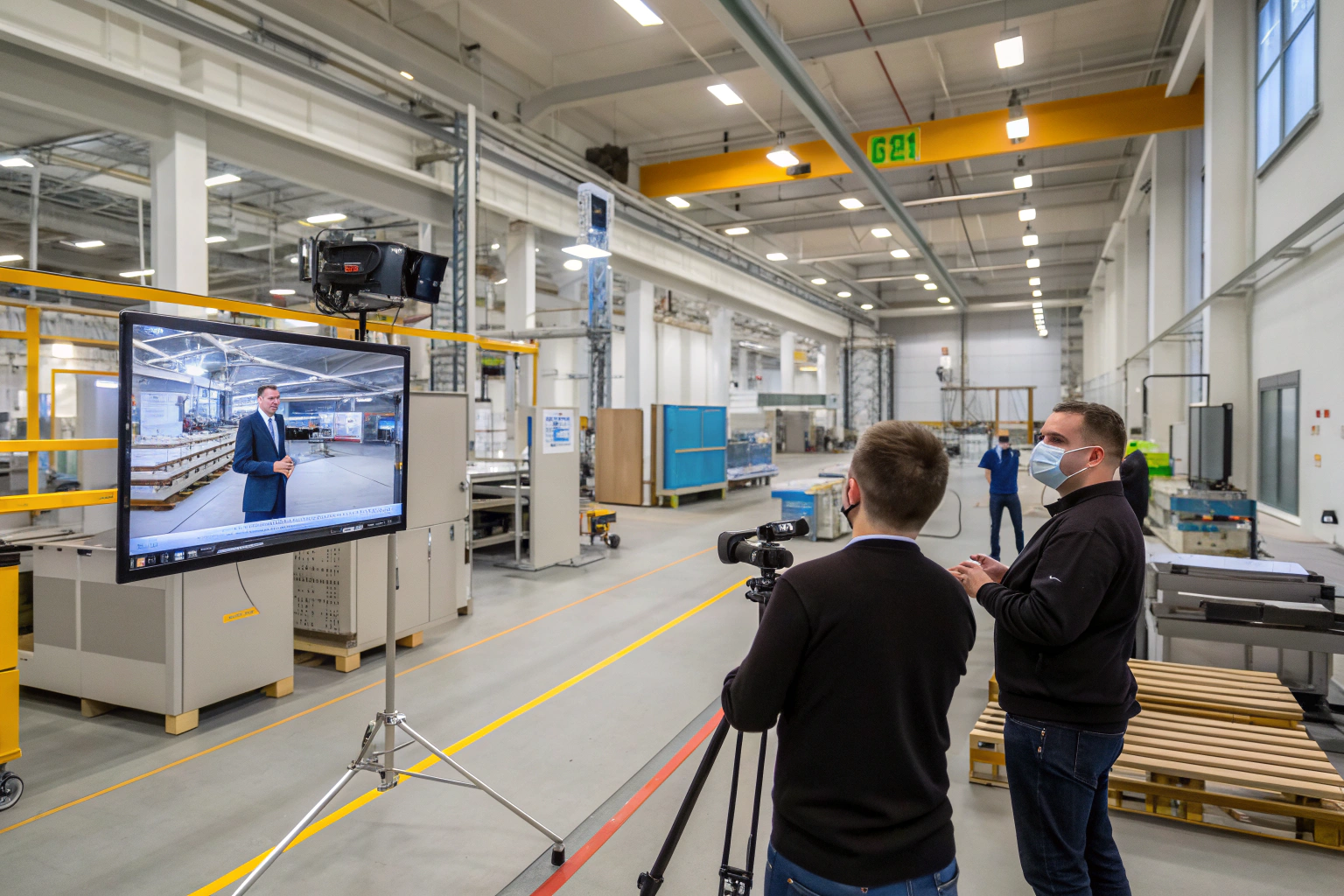
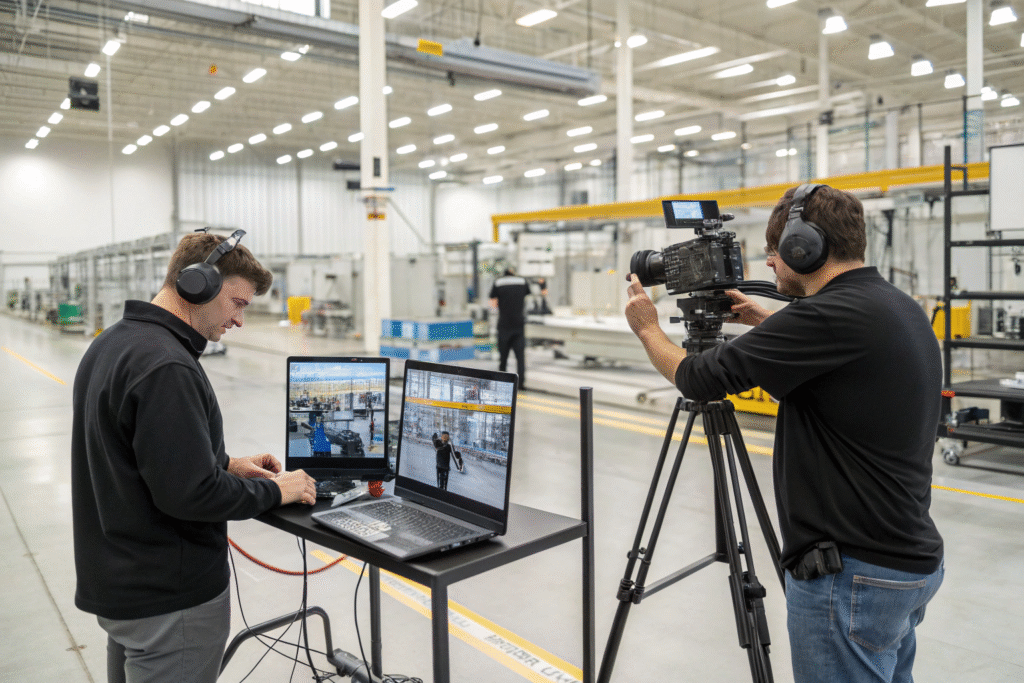
A professional virtual tour setup requires stable internet connectivity, high-quality audio-visual equipment, mobile streaming capabilities, and backup systems for technical failures. The system should capture both overview shots of factory operations and detailed close-ups of processes, with clear audio that allows natural conversation between hosts and remote auditors. Multiple camera angles and professional lighting ensure viewers see everything they would during a physical visit.
What Equipment Delivers Broadcast-Quality Virtual Tours?
The essential equipment includes 4K cameras with optical zoom capabilities, wireless lavalier microphones for hosts, backup wired internet connections, mobile streaming devices, and professional lighting setups. Multiple cameras controlled through a switching system allow seamless transitions between different factory areas without the jarring effect of a single moving camera. Dedicated audio equipment ensures the host can be heard clearly over factory background noise, while participants' questions are transmitted without delay. The International Live Events Association provides technical standards for professional live streaming that ensure consistent quality. Additionally, The Streaming Video Technology Alliance offers guidelines for maintaining stream stability and quality under varying network conditions.
How to Ensure Reliable Internet Throughout the Facility?
Reliable internet requires a combination of wired Ethernet connections for stationary cameras, industrial-grade Wi-Fi systems with multiple access points, cellular data backups, and network prioritization for the streaming equipment. Factories should conduct signal strength mapping to identify dead zones and install additional access points in key audit areas. Having a dedicated IT specialist managing bandwidth allocation during tours prevents other factory systems from impacting stream quality. Technical standards from The Institute of Electrical and Electronics Engineers provide guidelines for industrial network installations that support bandwidth-intensive applications like live video streaming.
What Content Strategy Builds Auditor Confidence?
Technology alone cannot build trust - the content and flow of the virtual tour must address auditor concerns systematically. A well-structured tour demonstrates transparency and leaves no areas suspiciously omitted.
An effective content strategy includes pre-recorded segments for consistent messaging, live demonstrations of key processes, unrestricted access to requested areas, and documentation verification. The tour should follow a logical flow that mirrors physical audit checklists while allowing for spontaneous investigation of areas of particular interest to the specific auditors.
Which Factory Areas Require Emphasis During Virtual Tours?
Critical areas include raw material inspection stations, production lines with quality checkpoints, finished goods inspection areas, warehouse organization, and worker facilities. Each area should demonstrate specific compliance or capability evidence: material certification documentation, quality control records, calibrated measuring equipment, organized storage systems, and clean worker amenities. The tour should spend appropriate time in each area rather than rushing through, allowing auditors to observe processes thoroughly and ask detailed questions. The American Society for Quality provides audit checklists that help identify which manufacturing areas require closest examination during supplier assessments.
How to Demonstrate Quality Control Processes Virtually?
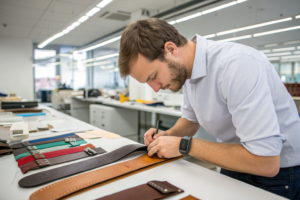
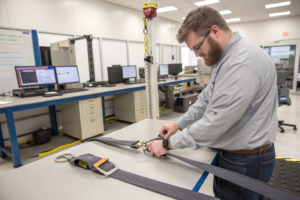
Quality control demonstration involves showing inspection equipment in use, reviewing real quality records, interviewing QC staff about procedures, and demonstrating testing methods. Rather than simply claiming quality standards, factories should show measurement devices with current calibration certificates, display completed inspection reports, and have quality staff explain rejection criteria and procedures. Live demonstrations of tests like buckle strength, leather thickness measurement, or stitch quality provide tangible evidence of quality commitment. Certification bodies like ISO provide specific guidelines for demonstrating quality management systems during remote audits.
How to Verify Authenticity During Remote Audits?
The fundamental challenge of virtual tours is establishing that what viewers see represents normal operations rather than staged conditions. Verification mechanisms must prove the factory's genuine state and practices.
Authenticity verification includes timestamp and location verification, unrestricted area access, worker interviews without management presence, and real-time documentation review. These elements combine to provide evidence that the tour shows actual operations rather than prepared demonstrations.
What Technology Proves Tour Authenticity and Timeliness?
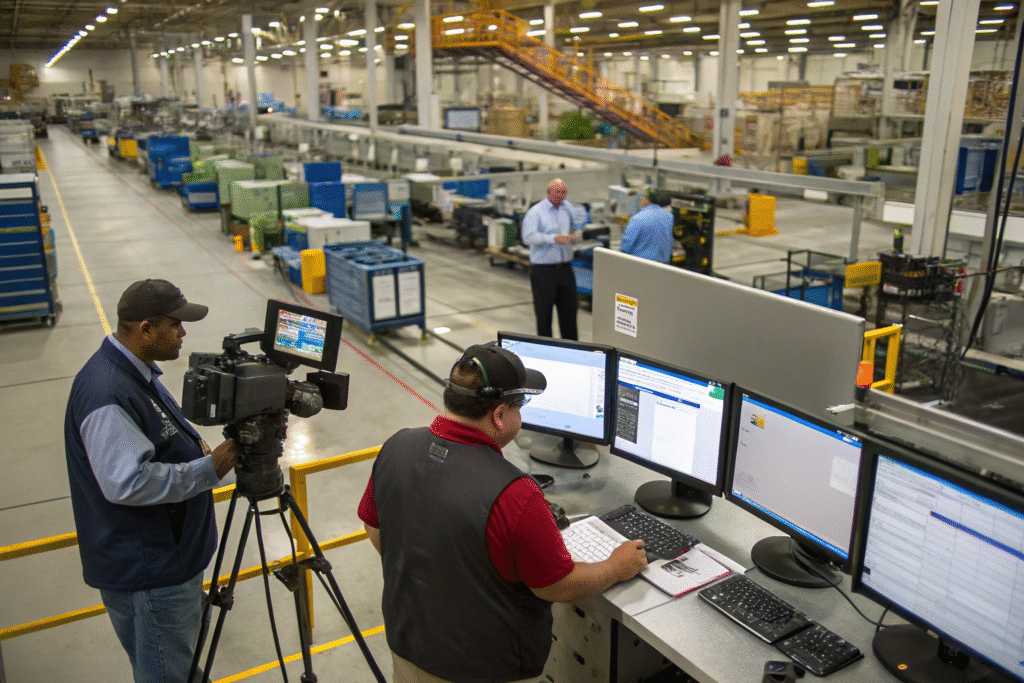
Authentication technology includes live timestamp overlays with location data, 360-degree camera views that prevent selective framing, and random facility walk-throughs requested by auditors. Digital verification services can provide cryptographic proof that the stream is live and unedited, while GPS verification confirms the location. Systems that allow auditors to control camera angles or choose directions for exploration provide additional confidence in the tour's authenticity. The Trusted Connectivity Group establishes standards for verifying digital content authenticity and preventing manipulation in remote verification scenarios.
How Can Worker Interviews Build Credibility?
Worker interviews conducted without management in hearing range provide authentic insights into working conditions, training adequacy, and company culture. Using a translator if necessary, auditors should be able to ask workers about their experience, training received, working hours, and safety practices. These conversations should feel natural rather than rehearsed, with workers showing genuine familiarity with their roles and procedures. Ethical audit standards from the Fair Labor Association provide guidelines for conducting worker interviews that yield genuine insights while protecting worker privacy and comfort.
What Engagement Techniques Maintain Auditor Attention?
Virtual tours risk becoming passive viewing experiences unless specifically designed for interaction. Maintaining engagement throughout a multi-hour audit requires deliberate attention to participation and pacing.
Effective engagement techniques include interactive document review, real-time polling for area focus, breakaway sessions for specialist discussions, and hands-on demonstration participation. These approaches transform auditors from passive viewers into active participants, maintaining their attention and investment in the audit process.
How to Facilitate Real-Time Document Review?
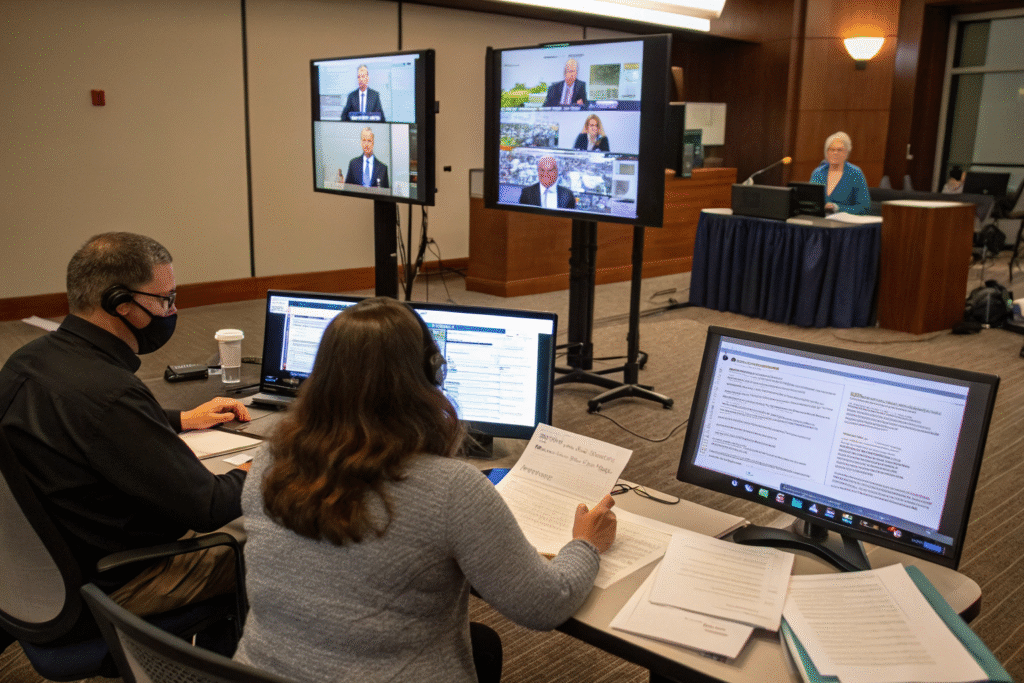
Real-time document review requires preparing digital copies of all relevant certificates, production records, and compliance documents before the tour. Using screen sharing or dedicated document portals, auditors can request specific records during the tour and have them displayed immediately. The factory host should be able to navigate quickly between live video and document display, with technical support standing by to resolve any access issues. Document management systems like Google Workspace or Microsoft SharePoint provide secure platforms for simultaneous document review during live virtual events.
What Interactive Elements Increase Participation?
Interactive elements include live polling to choose which area to visit next, Q&A sessions with different department heads, virtual "hands-on" examination of materials and products, and collaborative annotation of processes or documents. These elements break the monotony of continuous narration and give auditors agency in directing the audit focus. The most effective tours feel like collaborative investigations rather than scripted presentations. Research from The Virtual Events Institute provides data on engagement techniques that maintain participant attention during extended online sessions.
Conclusion
Virtual factory tours have evolved from temporary solutions into sophisticated audit tools that often provide advantages over traditional visits, including better documentation access, more stakeholder participation, and permanent recording for future reference. When implemented with robust technology, strategic content, verification systems, and engagement techniques, they build sufficient confidence for major sourcing decisions.
The future of factory audits will likely blend virtual and physical elements, with routine assessments conducted remotely and strategic visits reserved for relationship building. If you're looking to implement virtual tour capabilities for your manufacturing facility, our experience can help design a system that showcases your operations effectively to international buyers. Contact our Business Director, Elaine, to discuss how we can set up a virtual audit system for your factory. Reach out to Elaine at elaine@fumaoclothing.com. Let's bridge the distance with technology that builds trust.