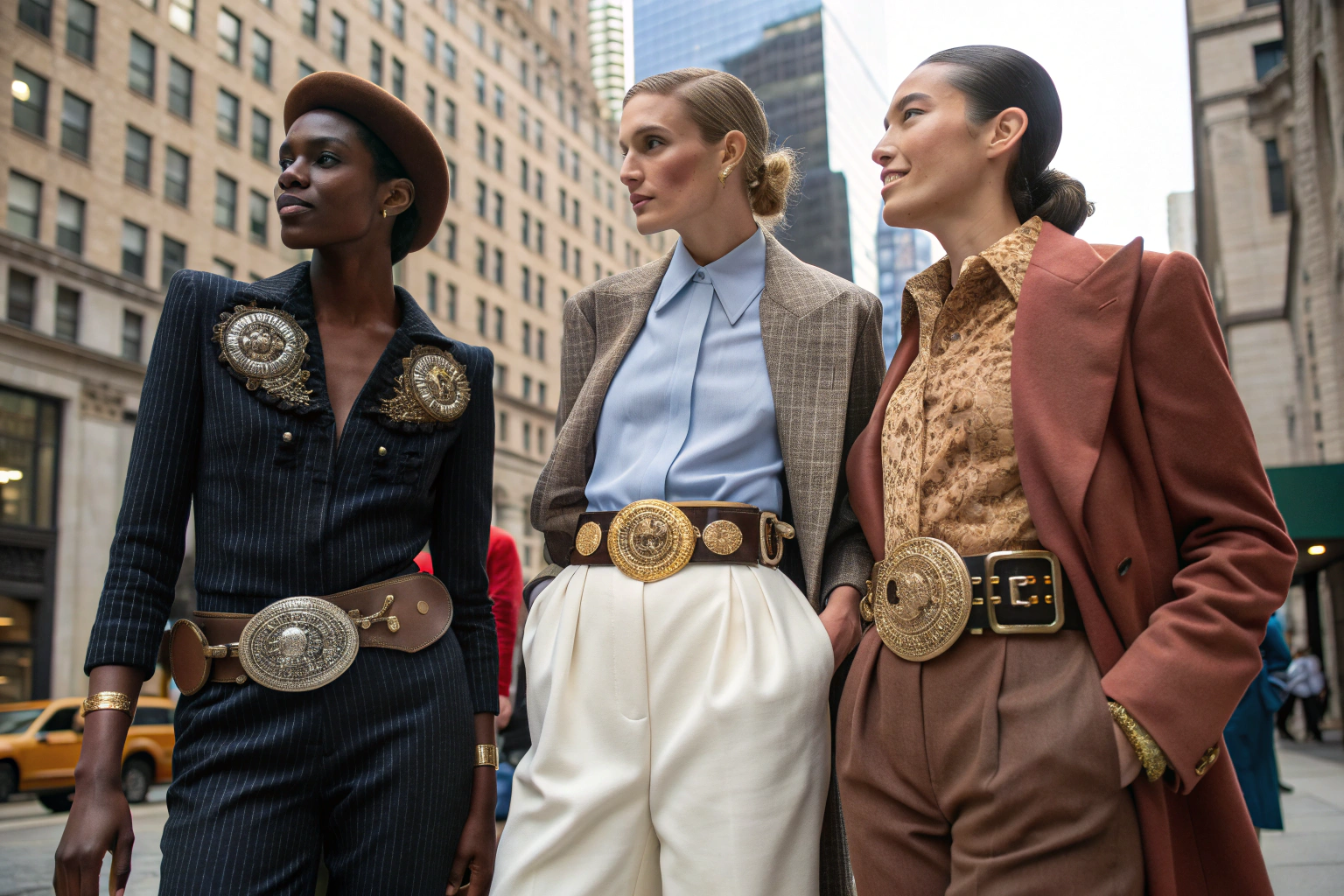
In an increasingly digital world, fashion is experiencing a surprising counter-movement: the dramatic resurgence of vintage buckle designs. While technology advances at breakneck speed, consumers are increasingly drawn to the craftsmanship, history, and tangible quality of vintage-inspired accessories. What explains this nostalgic turn in belt fashion, and why are these historical designs feeling so fresh in 2025?
Vintage buckle designs are trending in 2025 because they offer authenticity, sustainability, and unique character in a market saturated with mass-produced minimalism. These designs connect wearers to craftsmanship traditions while providing distinctive style that stands apart from algorithm-driven fashion trends. The resurgence is particularly strong among younger consumers who value storytelling and sustainability in their purchases, seeing vintage elements as both aesthetically appealing and ethically preferable to fast fashion alternatives.
The vintage buckle trend represents more than mere nostalgia—it reflects shifting consumer values and smart industry adaptations. Let's explore the cultural drivers, specific design elements, sustainability connections, and manufacturing innovations making vintage buckles unexpectedly relevant in 2025.
What Cultural Shifts Are Driving Vintage Revival?
The return to vintage designs reflects deeper cultural movements that extend far beyond fashion. Understanding these underlying shifts helps explain why historical elements feel particularly relevant now rather than dated.
Cultural drivers include digital fatigue seeking tangible connections, generational rediscovery of craftsmanship, the rise of "quiet luxury" emphasizing quality over logos, and post-pandemic appreciation for enduring design. These factors combine to create an environment where vintage-inspired pieces represent both aesthetic preference and value statement.
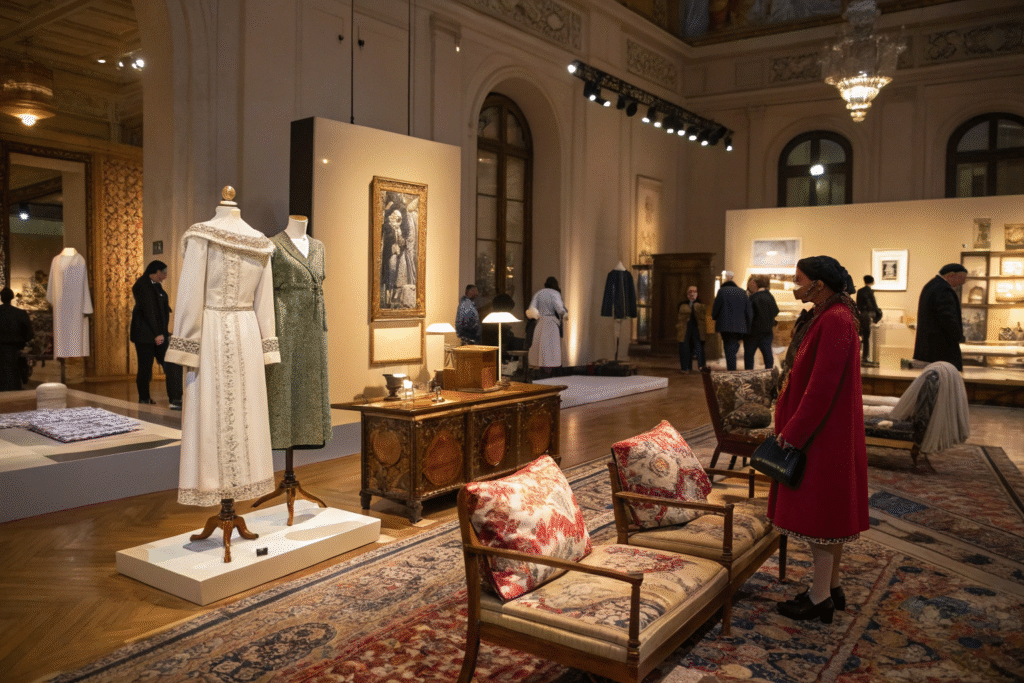
How Does Digital Fatigue Influence Fashion Choices?
Digital fatigue drives consumers toward physical artifacts with history and tangible quality as antidotes to disposable digital content. Vintage buckle designs offer connection to pre-digital craftsmanship eras, providing weight, detail, and permanence that contrast with the ephemeral nature of digital experiences. This represents part of a broader "analog revival" where consumers seek products with stories and physical presence. Research from the Fashion Institute of Technology documents how digital saturation increases appreciation for tangible quality and historical connections in fashion choices.
Why Are Younger Consumers Embracing Vintage Aesthetics?
Younger consumers embrace vintage aesthetics as rebellion against algorithm-driven sameness and fast fashion environmental impact. For Gen Z and younger Millennials, vintage elements represent curation and individual expression rather than simply following trends. Vintage buckles offer distinctive details that mass-market modern designs lack, allowing personal style statements that feel both unique and culturally informed. Market analysis from Vogue Business shows that consumers under 30 are the fastest-growing demographic for vintage and vintage-inspired fashion purchases.
Which Specific Vintage Eras Are Influencing Current Designs?
Not all vintage styles are experiencing equal resurgence. Certain historical periods particularly resonate with contemporary sensibilities, offering design elements that feel both nostalgic and fresh.
The most influential eras include Art Deco geometric precision, Western craftsmanship revival, Mid-Century modern simplicity, and 1970s statement pieces. Each period offers distinct design languages that manufacturers are adapting for modern production techniques and wearing preferences.
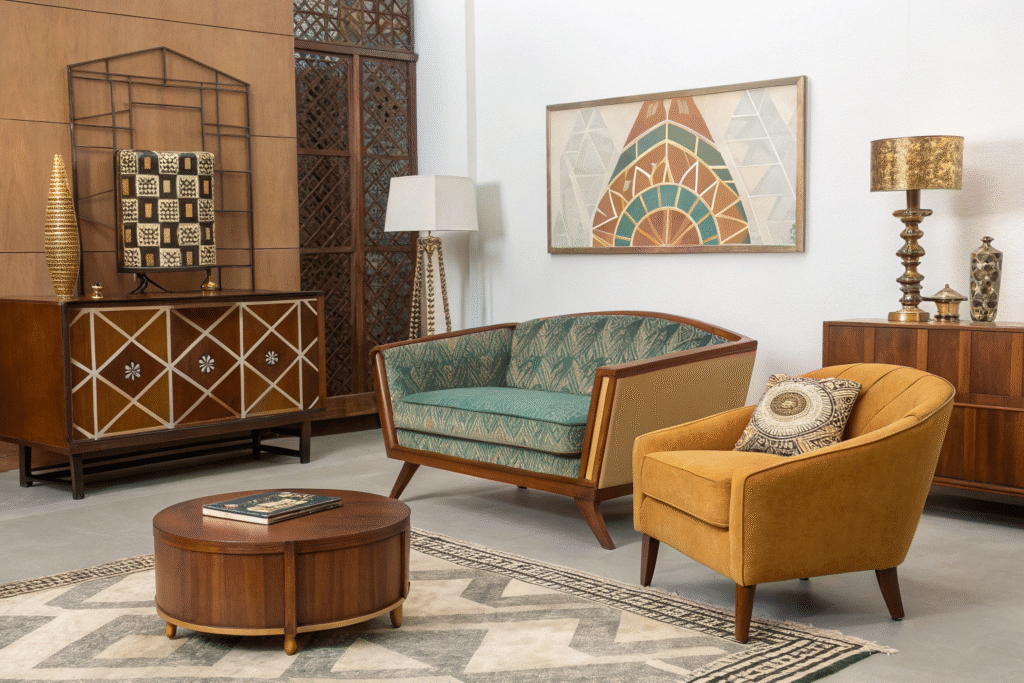
What Makes Art Deco Designs Feel Contemporary?
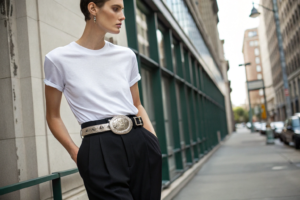
Art Deco designs feel contemporary because their geometric patterns, symmetrical layouts, and streamlined elegance align with current minimalist preferences while offering more character than basic modern designs. The style's emphasis on precision and material contrast translates well to contemporary manufacturing, allowing intricate details without appearing overly ornate. Designers are updating these elements with mixed metals and matte finishes that feel fresh while maintaining historical references. The Art Deco Society provides resources on period-correct design elements that inform contemporary interpretations.
Why Are Western and Equestrian Styles Returning?
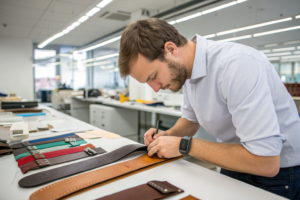
Western and equestrian styles return because they represent authentic craftsmanship heritage and practical elegance. These designs feature tooled leather patterns, substantial brass or silver buckles, and construction methods developed for durability rather than disposability. The current interpretation often simplifies traditional Western elements for urban contexts, creating sophisticated rustic elegance rather than costume reproduction. Historical archives from the National Cowboy & Western Heritage Museum inform authentic design elements being adapted for contemporary markets.
How Does Sustainability Connect to Vintage Trends?
The vintage trend powerfully intersects with growing sustainability concerns, creating products that appeal to both aesthetic preferences and environmental values. This connection represents a significant driver behind the trend's commercial success.
Sustainability connections include material reuse, quality construction extending product lifespan, emotional durability reducing replacement frequency, and traditional manufacturing techniques with lower environmental impact. These factors make vintage-inspired pieces appealing to consumers seeking to reduce their fashion footprint.
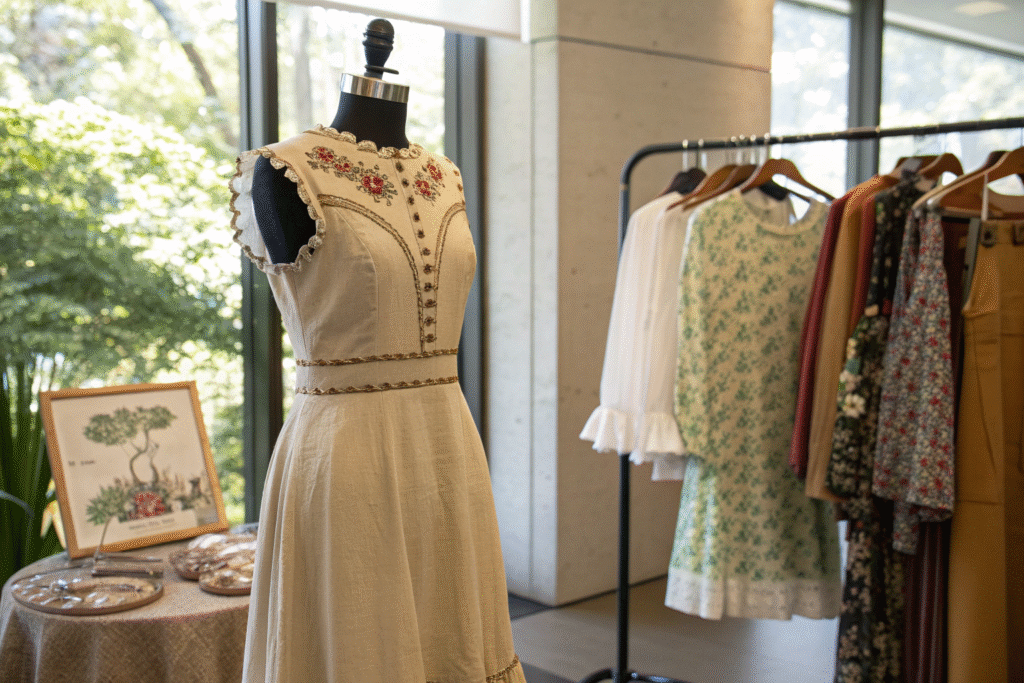
How Do Vintage Designs Support Circular Fashion?
Vintage designs support circular fashion through their emphasis on durability, repairability, and timeless style that remains relevant across seasons. Unlike trend-driven fast fashion, vintage-inspired pieces are designed for long-term use, with construction methods that facilitate repair rather than replacement. This approach aligns with circular economy principles that prioritize product longevity and material conservation. The Ellen MacArthur Foundation provides frameworks for circular design that many vintage-inspired manufacturers are adopting.
Why Does Emotional Durability Matter?
Emotional durability describes products that remain valued and used because of emotional connections rather than just physical endurance. Vintage-inspired designs often create stronger emotional bonds through their storytelling elements, craftsmanship evidence, and unique character that mass-produced items lack. This emotional connection significantly extends product lifespan as owners cherish and maintain pieces they feel connected to. Research from The Sustainable Angle demonstrates how emotional durability reduces replacement frequency more effectively than physical durability alone.
What Manufacturing Innovations Enable Vintage Reproduction?
Reproducing vintage designs requires balancing historical authenticity with modern production realities. Successful manufacturers employ innovative techniques that capture vintage essence while meeting contemporary quality and efficiency standards.
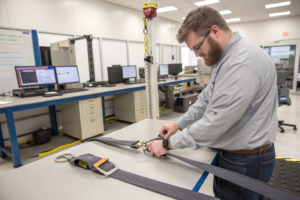
Key manufacturing innovations include digital modeling for historical pattern recreation, advanced casting techniques for intricate details, laser etching for precise ornamentation, and sustainable metal finishing that replicates aged patinas without harmful chemicals. These approaches allow cost-effective production of designs that previously required extensive handwork.
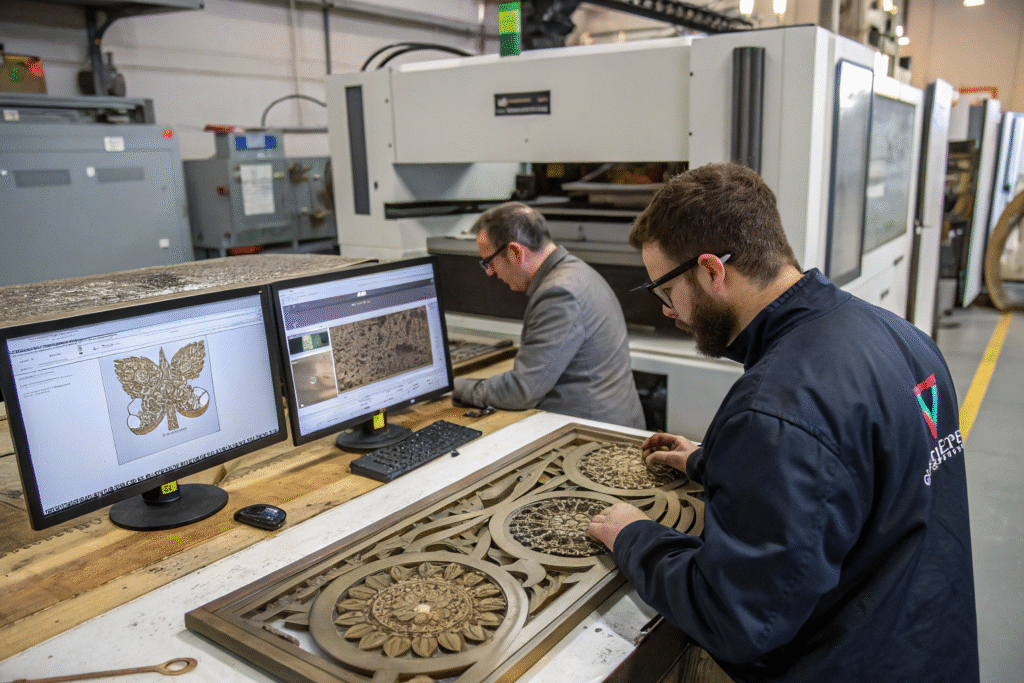
How Are Digital Technologies Enhancing Vintage Reproduction?
Digital technologies including 3D scanning, CAD modeling, and CNC machining enable precise reproduction of historical designs that would be cost-prohibitive using traditional methods. Manufacturers can scan original vintage buckles, refine designs digitally, and produce molds or direct machine components with historical accuracy. This approach preserves design heritage while making vintage styles accessible at various price points. The Additive Manufacturing Users Group showcases how advanced manufacturing technologies enable historically informed design reproduction.
What Sustainable Finishing Techniques Recreate Vintage Patinas?
Sustainable finishing techniques include electrochemical patination, vapor deposition for consistent aging, and plant-based chemical treatments that recreate vintage appearances without toxic heavy metals. These methods achieve the warm, time-worn look consumers associate with vintage pieces while meeting modern environmental and safety standards. The development of these techniques represents significant innovation in surface treatment technology. The Society of Vacuum Coaters provides technical resources on advanced finishing methods that achieve vintage aesthetics through environmentally responsible processes.
Conclusion
The 2025 vintage buckle trend represents a sophisticated convergence of nostalgia, sustainability, and quality craftsmanship in response to digital fatigue and fast fashion concerns. These designs succeed because they offer authentic character, environmental responsibility, and timeless style that transcends seasonal trends.
The trend's strength suggests a lasting shift toward more considered, story-rich accessories that consumers value and maintain for years. If you're looking to develop vintage-inspired belt collections that capture this movement, our manufacturing expertise can help create pieces that balance historical authenticity with contemporary wearability. Contact our Business Director, Elaine, to discuss how we can develop vintage buckle designs for your brand. Reach out to Elaine at elaine@fumaoclothing.com. Let's create accessories that connect past craftsmanship with future fashion.