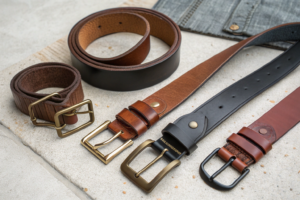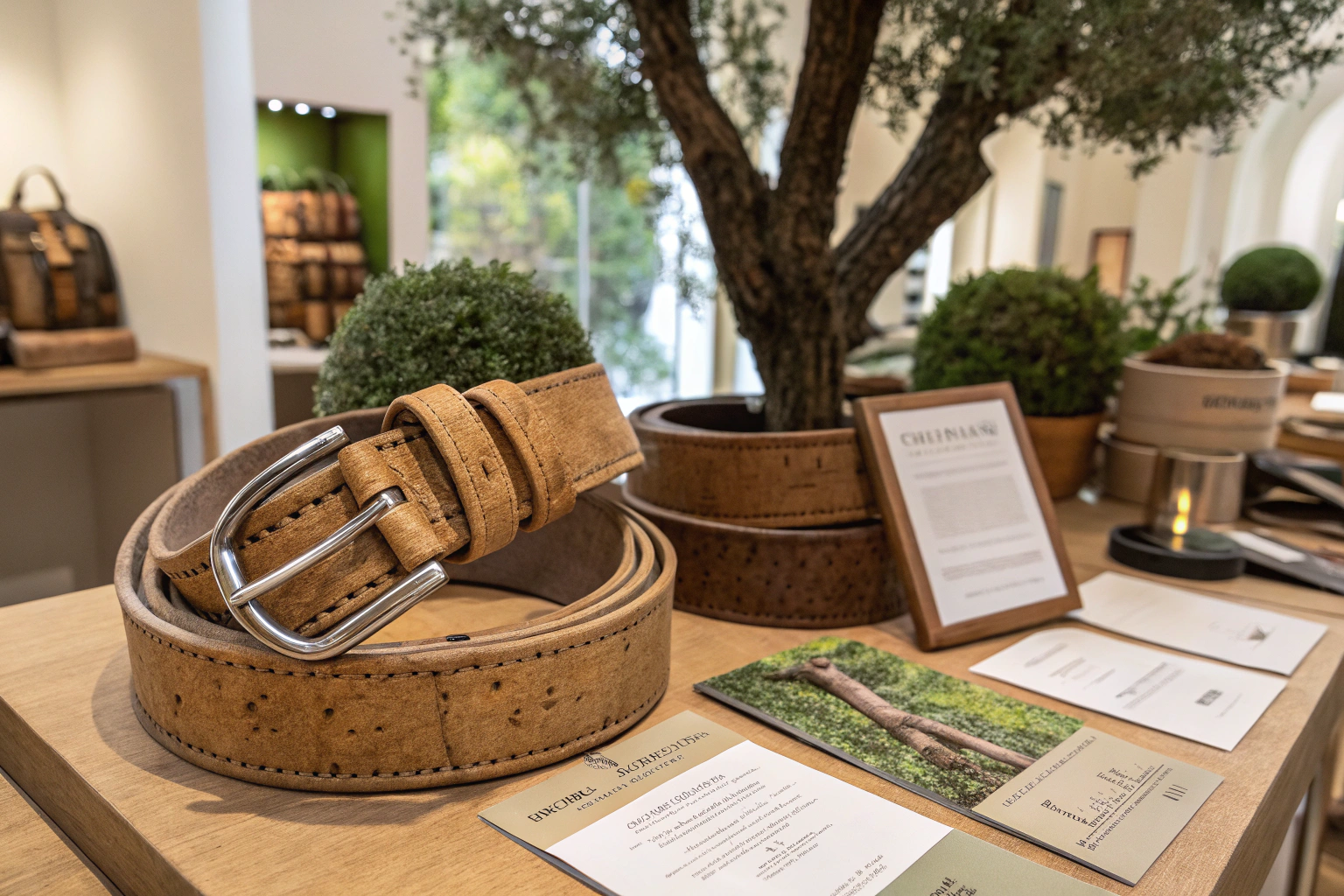
The luxury fashion industry faces increasing pressure to reconcile opulence with environmental responsibility, creating a challenging landscape for accessories that traditionally relied on animal-derived materials. Amid this transformation, an unexpected contender has emerged from the Mediterranean: cork leather. Once relegated to bulletin boards and wine stoppers, this remarkable material is now appearing in high-end boutiques and sustainable luxury collections. What explains cork's rapid ascent from utilitarian material to luxury accessory?
Cork leather belts are emerging in sustainable luxury because they offer a unique combination of environmental credentials, distinctive aesthetics, practical durability, and compelling storytelling. Unlike petroleum-based vegan leathers or resource-intensive animal leathers, cork provides a genuinely sustainable alternative that doesn't compromise on luxury appeal. The material's natural texture, lightweight comfort, and water-resistant properties make it particularly suited for belts that bridge casual and formal contexts.
The rise of cork leather represents a convergence of environmental awareness, material innovation, and changing luxury values. Let's examine the sustainability advantages, aesthetic qualities, performance characteristics, and market positioning that make cork leather belts increasingly prominent in sustainable luxury collections.
What Sustainability Advantages Does Cork Offer?
Cork's environmental credentials extend far beyond being plant-based, encompassing unique harvesting methods, carbon sequestration capabilities, and circular economy potential that few other materials can match.
Cork's sustainability advantages include renewable harvesting that doesn't harm trees, significant carbon sequestration, biodegradable composition, and minimal processing requirements compared to synthetic alternatives. These factors combine to create a material with exceptionally low environmental impact from forest to finished product.
How Does Cork Harvesting Actually Work?
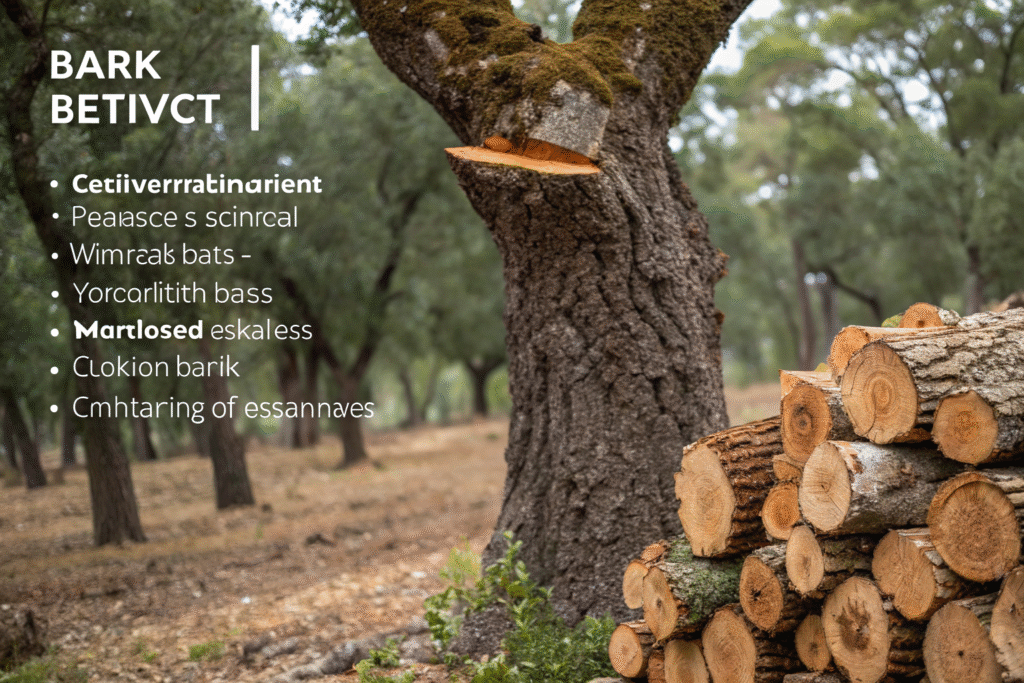
Cork harvesting involves carefully removing bark from cork oak trees (Quercus suber) using specialized axes, following traditional methods that don't damage the living tree. The trees naturally regenerate their bark, with harvests occurring every 9-12 years throughout a tree's 200-year lifespan. This process not only provides renewable material but actually enhances the tree's carbon absorption capacity—each harvest stimulates increased CO2 sequestration. The Forest Stewardship Council provides certification for properly managed cork forests, ensuring ecological balance and fair labor practices.
What Makes Cork Superior to Other Vegan Leathers?
Cork proves superior to many vegan leathers because it requires minimal chemical processing, contains no petroleum derivatives, and comes from a renewable harvesting process rather than agricultural cultivation. Unlike PVC and polyurethane vegan leathers that rely on fossil fuels and can release toxic chemicals, cork uses natural binders and creates a biodegradable product at end of life. The material's natural water resistance also eliminates the need for chemical waterproofing treatments common in other leather alternatives. Research from the Environmental Paper Network demonstrates cork's significantly lower environmental impact compared to both animal leather and synthetic alternatives across multiple impact categories.
What Unique Aesthetic Qualities Define Cork Leather?
Beyond sustainability, cork leather possesses distinctive visual and tactile characteristics that differentiate it from both animal leather and synthetic alternatives. These aesthetic qualities contribute significantly to its luxury appeal.
Cork's aesthetic advantages include unique natural patterns that resemble exotic leathers, a warm tactile experience, lightweight elegance, and the ability to develop a subtle patina over time. Each piece displays distinctive grain patterns and natural variations that cannot be replicated, offering the exclusivity that luxury consumers value.

How Does Cork Achieve Its Luxury Appearance?
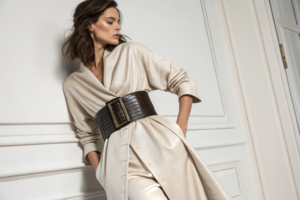
Cork achieves luxury appearance through its natural grain patterns that resemble expensive exotic leathers, rich earth-tone color palette, and sophisticated matte finish that absorbs light beautifully. The material can be finished to highlight its natural texture or pressed to create smoother surfaces, offering design versatility while maintaining organic character. Unlike printed synthetics that attempt to mimic natural materials, cork's visual depth comes from its authentic structure, creating a product that feels genuinely premium rather than imitation luxury. Design analysis from the Color Association of the United States identifies cork's natural hues as aligning with current luxury preferences for authentic, earth-inspired palettes.
Why Do Natural Variations Enhance Luxury Perception?
Natural variations enhance luxury perception by ensuring each product remains unique, telling a visual story of its organic origins. Unlike mass-produced synthetics with repetitive patterns, cork's variations demonstrate authentic craftsmanship and material integrity. These imperfections become marks of distinction rather than flaws, similar to how fine wood grain or natural stone variations increase perceived value in other luxury categories. Consumer research from The Luxury Institute shows that affluent consumers increasingly value unique characteristics and storytelling over perfect uniformity in sustainable luxury goods.
What Performance Characteristics Support Luxury Positioning?
Luxury products must deliver not only aesthetic appeal but also functional performance that justifies their premium positioning. Cork leather possesses several inherent properties that make it particularly suitable for belt applications.
Cork's performance advantages include natural water resistance, durability despite lightweight construction, flexibility and comfort, and hypoallergenic properties. These characteristics ensure that cork belts function beautifully while maintaining their appearance through regular use.
How Does Cork Withstand Daily Wear?
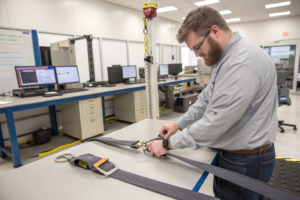
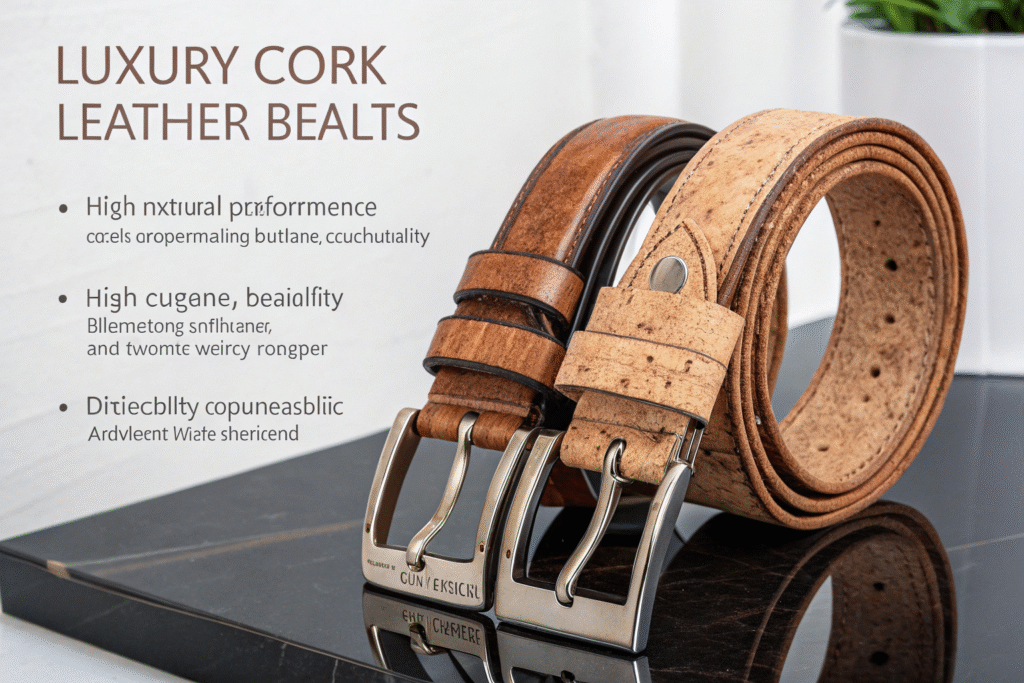
Cork withstands daily wear through its honeycomb cell structure that compresses under pressure then returns to shape, providing natural resilience to creasing and deformation. The material's cellular composition includes suberin—a waxy substance that provides natural resistance to moisture, abrasion, and microbial growth. With proper backing and finishing, cork leather belts maintain their structure and appearance through years of regular use, developing a gentle patina rather than showing wear. Testing data from the American Society for Testing and Materials confirms cork's durability performance in fashion accessory applications.
What Makes Cork Ideal for Belt Construction?
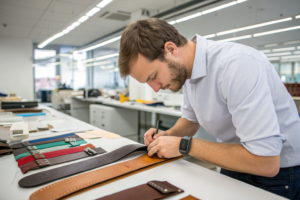
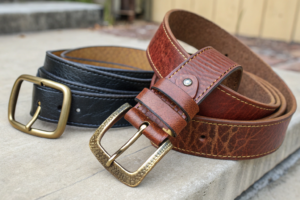
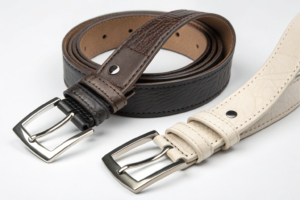
Cork proves ideal for belt construction due to its excellent strength-to-weight ratio, consistent thickness, and compatibility with various backing materials. The material can be precisely cut and finished without fraying, accepts dyes and edge paints beautifully, and works well with both traditional and modern buckle systems. Its slight natural grip helps prevent belt slippage while remaining comfortable against skin or clothing. Manufacturing guidelines from the Portuguese Cork Association provide technical specifications for working with cork in leather goods and accessory production.
How Does Cork Support Sustainable Luxury Brand Stories?
Beyond physical properties, cork leather provides compelling narrative elements that align with contemporary luxury values and consumer expectations for authentic sustainability.
Cork supports luxury brand storytelling through its ancient harvesting traditions, connection to Mediterranean ecosystems, artisanal production methods, and transparent supply chain. These narrative elements help brands communicate meaningful values beyond superficial marketing claims.
What Cultural Heritage Enhances Cork's Appeal?
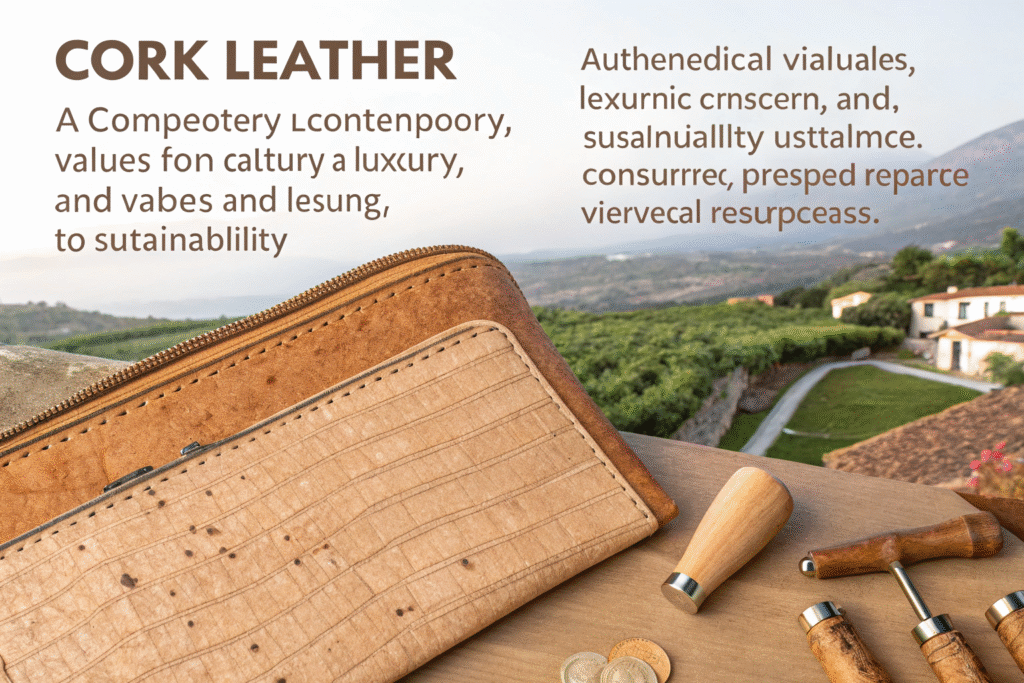
Cork's cultural heritage includes centuries-old harvesting traditions in Portugal and Spain, artisanal processing methods passed through generations, and historical use in luxury goods since the 19th century. This rich background provides authentic storytelling opportunities that resonate with luxury consumers seeking products with genuine history and craftsmanship. Unlike newly developed synthetic materials, cork carries cultural weight that enhances its luxury credentials. Historical archives from the Cork Museum in Portugal document cork's long association with quality craftsmanship and luxury applications.
How Can Brands Communicate Cork's Sustainability Authentically?
Brands can communicate cork's sustainability authentically by highlighting the renewable harvesting process, supporting cork forest conservation, providing transparency about manufacturing, and educating consumers about cork ecosystems' ecological importance. The most effective communications focus on specific, verifiable benefits rather than vague sustainability claims, using third-party certifications and supply chain transparency to build credibility. Marketing research from Sustainable Brands indicates that luxury consumers respond particularly well to environmental stories that combine traditional craftsmanship with ecological benefits.
Conclusion
Cork leather belts represent a compelling convergence of sustainability, luxury, and innovation that addresses evolving consumer values without compromising on quality or aesthetics. The material's unique properties and compelling environmental story position it perfectly within the growing sustainable luxury market.
The emergence of cork leather reflects a broader transformation in luxury towards materials that offer both aesthetic distinction and authentic sustainability credentials. If you're looking to develop cork leather belt collections that capture this emerging opportunity, our manufacturing expertise can help create products that balance luxury craftsmanship with environmental responsibility. Contact our Business Director, Elaine, to discuss how we can develop cork leather belts for your sustainable luxury collection. Reach out to Elaine at elaine@fumaoclothing.com. Let's create accessories that redefine luxury for the conscious consumer.