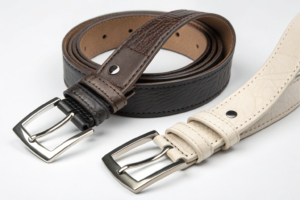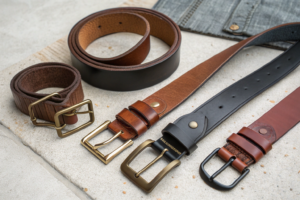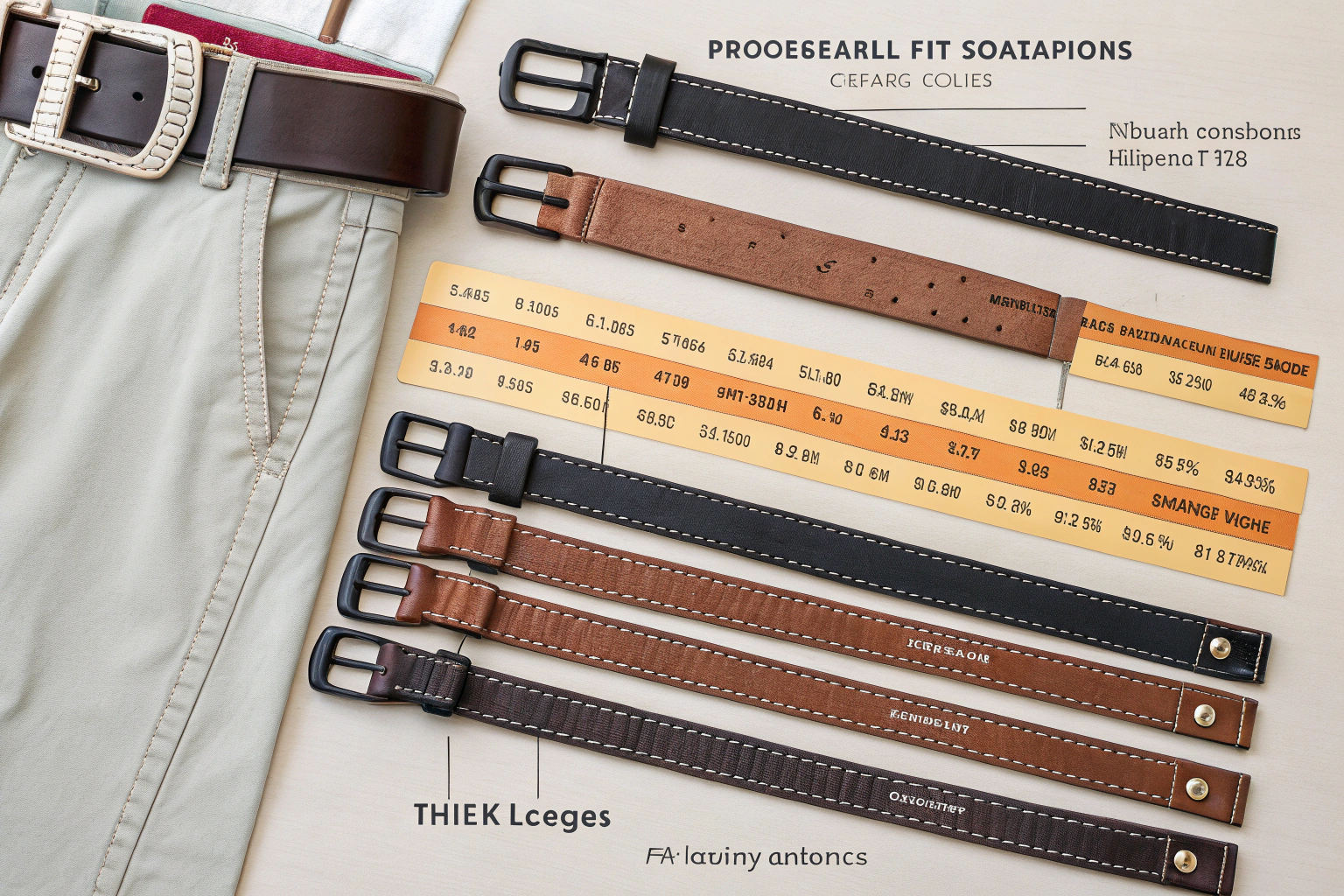
Few fashion frustrations compare to discovering a beautiful belt that simply doesn't work with your clothing's belt loops. The mismatch between belts and loops represents a widespread but rarely discussed problem in fashion, affecting everyone from casual shoppers to uniform program managers. With clothing manufacturers and belt producers operating independently, how can consumers and brands ensure compatibility across their wardrobes?
Key considerations for belt loop compatibility include standardized width measurements, thickness limitations, buckle size restrictions, and material flexibility requirements. Successful belt loop compatibility ensures belts slide smoothly through loops without snagging, fit securely without excessive tightness or looseness, and maintain their position throughout wear while allowing comfortable movement. Understanding these factors helps consumers make informed purchases and guides brands in creating universally compatible products.
Achieving seamless belt loop compatibility requires attention to both belt design and loop construction. Let's examine the width standards, thickness considerations, buckle design impacts, and material factors that determine whether a belt will work harmoniously with various clothing types.
What Width Standards Ensure Universal Compatibility?
Belt width represents the most fundamental compatibility factor, with even minor deviations causing significant wearing issues. Understanding width standards helps prevent the frustrating discovery that a belt won't fit through clothing loops.
Universal width standards include the common 1.5-inch rule for most adult clothing, graduated sizing for different garment types, and industry conventions that have evolved to create functional harmony between belts and loops. These standards represent compromises between aesthetic preferences and practical functionality.
Why is 1.5 Inches Considered the Universal Standard?
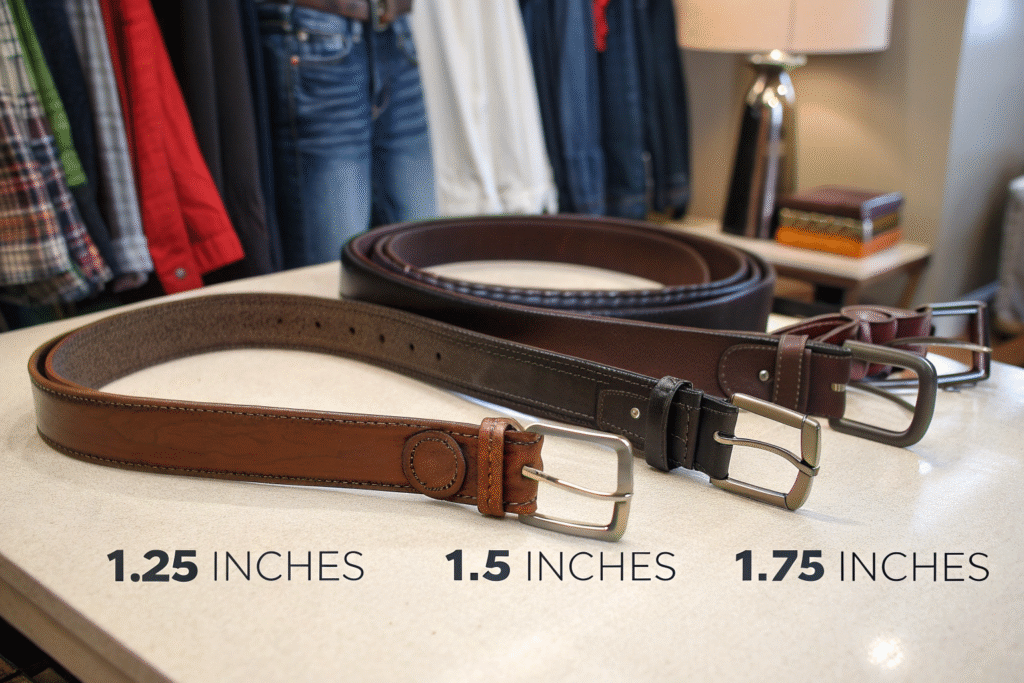
The 1.5-inch width has emerged as the universal standard because it provides optimal balance between visual proportion, functional security, and compatibility across most clothing types. This width fits comfortably through standard loops while providing sufficient surface area to distribute pressure and prevent rolling or twisting. Historically, this measurement evolved from military specifications that prioritized function over fashion, then was adopted by mainstream clothing manufacturers for its reliability. Anthropometric data from the Human Factors and Ergonomics Society confirms that 1.5-inch widths optimally distribute pressure for most body types while maintaining ease of movement.
How Do Width Requirements Vary by Garment Type?
Width requirements vary significantly by garment type: dress pants typically accommodate 1.25-1.5 inches, jeans and casual pants handle 1.5-1.75 inches, while utility pants and military-style clothing may accept up to 2 inches. Women's fashion often includes narrower options from 0.75-1.25 inches for styling flexibility, while men's formalwear traditionally uses 1.25 inches for a more refined appearance. These variations reflect different functional requirements and aesthetic preferences across clothing categories. Industry standards from the American Apparel & Footwear Association provide detailed specifications for loop sizing across different garment classifications.
What Thickness Limitations Affect Loop Compatibility?
Belt thickness represents a frequently overlooked compatibility factor that can cause problems even when width measurements are correct. Excessive thickness creates friction, difficulty threading, and loop strain.
Thickness considerations include leather grade and processing, construction methods, break-in requirements, and the relationship between thickness and flexibility. Understanding these factors helps prevent belts that technically fit through loops but prove impractical for daily use.
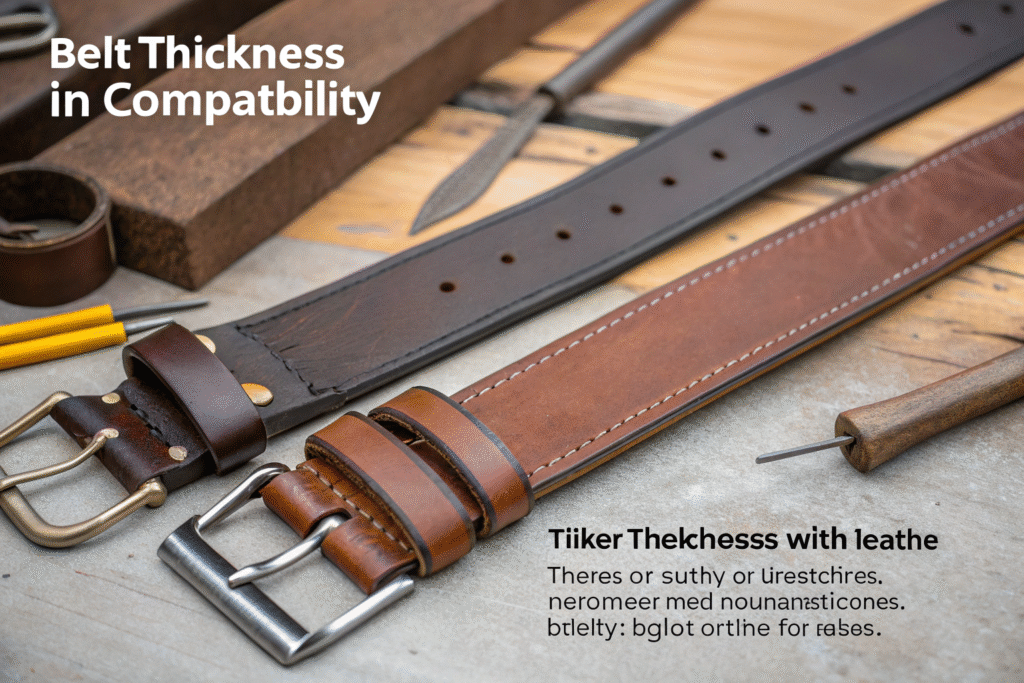
How Does Leather Type Influence Thickness and Flexibility?
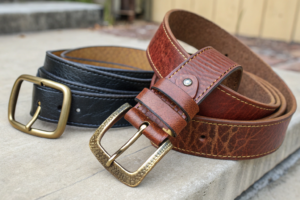
Leather type significantly influences thickness and flexibility: full-grain leather typically measures 2.5-3.5mm but becomes more flexible with wear, while corrected grain leather at 2.0-3.0mm may remain stiffer. Bridle leather and other heavily stuffed varieties can reach 4-5mm but are generally unsuitable for standard belt loops. The most loop-compatible belts use leather between 2.0-3.0mm that combines durability with sufficient flexibility for easy threading. Tannery specifications from the Leather Working Group provide detailed data on how different leather types and tanning methods affect thickness and flexibility characteristics.
What Construction Methods Optimize Thickness Compatibility?
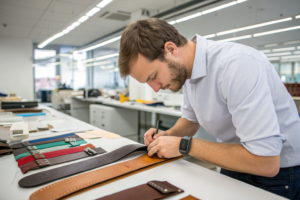
Construction methods that optimize thickness compatibility include skiving (thinning) at the tip for easier threading, rolled edges that reduce effective thickness, and single-layer construction that avoids the added bulk of linings. The most compatible belts often feature graduated thickness—slightly thicker near the buckle for durability but thinner at the tip for easy threading. These construction techniques require additional craftsmanship but significantly improve user experience. Manufacturing guidelines from the International Leather Goods Association detail construction methods that balance durability with loop compatibility.
How Does Buckle Design Impact Loop Compatibility?
Buckle design represents a critical compatibility factor that extends beyond mere aesthetics to fundamentally affect how belts interact with loops during threading, fastening, and wear.
Buckle compatibility considerations include attachment methods, protrusion limitations, mechanism operation, and size proportions. These elements determine whether a buckle will catch on loops, create uncomfortable pressure points, or allow smooth operation.
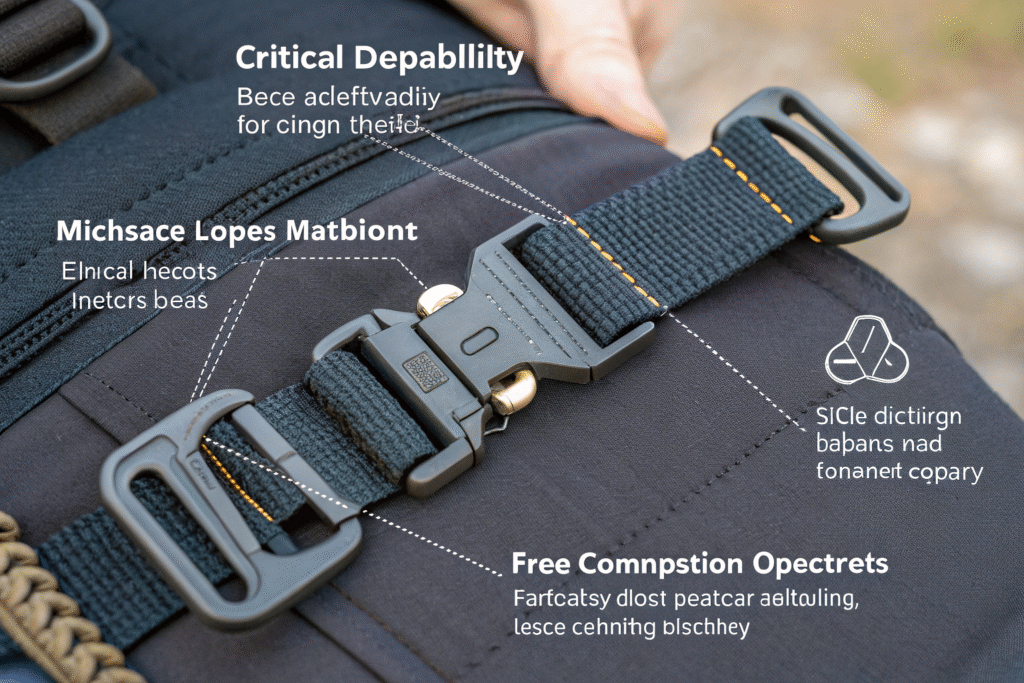
What Buckle Attachment Methods Work Best with Standard Loops?
Buckle attachment methods that work best with standard loops include flat plate designs that slide smoothly through loops, fold-over constructions that minimize protrusion, and snap-on systems that allow buckle removal during threading. Traditional frame buckles with center bars often create the most compatibility issues because the bar can catch on loop seams during threading. The most universally compatible buckles feature low-profile attachments that don't significantly increase the belt's effective thickness at the attachment point. Design standards from the Industrial Designers Society of America provide ergonomic guidelines for buckle designs that optimize user experience.
How Much Buckle Protrusion Causes Compatibility Issues?
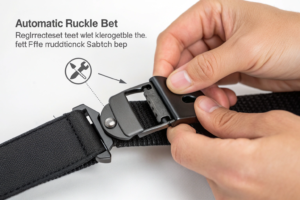
Buckle protrusion becomes problematic when it extends more than 0.5 inches beyond the belt body, as this creates catching points during threading and can create uncomfortable pressure against adjacent loops when fastened. This is particularly important for decorative buckles, automatic mechanisms, and large statement pieces that may fit through loops initially but prove uncomfortable during extended wear. The most compatible buckles maintain clean lines that follow the belt's contour without significant extension beyond its width or thickness. Consumer testing data from Consumer Reports identifies specific protrusion thresholds that begin to cause comfort and functionality issues.
What Material Factors Influence Smooth Operation?
Beyond dimensional considerations, material characteristics significantly impact how belts interact with loops during threading, adjustment, and daily movement. These factors determine whether a belt operates smoothly or constantly fights against its loops.
Material factors affecting compatibility include surface friction, flexibility, edge treatment, and break-in characteristics. Understanding these elements helps select belts that maintain their compatibility throughout their lifespan rather than just when new.
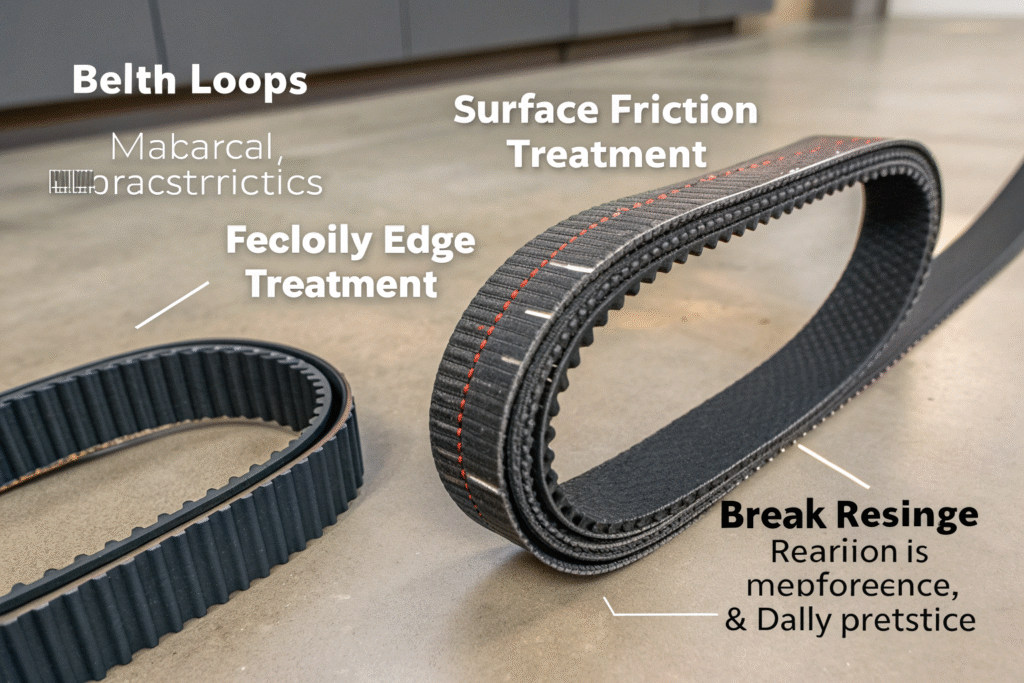
How Does Surface Finish Affect Loop Interaction?
Surface finish significantly affects loop interaction: smooth polished leather slides easily but may be slippery, while heavily textured or suede finishes create friction that makes threading difficult but provides better position retention. The most compatible finishes strike a balance—enough texture to prevent sliding but sufficient smoothness for easy adjustment. Edge treatment is equally important; poorly finished edges can snag on loop fabrics, while burnished or painted edges slide smoothly. Material science from the Society of Tribologists and Lubrication Engineers provides friction coefficients for different leather finishes against common clothing fabrics.
Why Does Flexibility Matter Beyond Initial Threading?
Flexibility matters beyond initial threading because it determines how the belt moves with the body throughout daily activities. Stiff belts that barely fit through loops when new may become impossible to thread after developing a set curve, while overly flexible belts may twist within loops during movement. The ideal belt maintains sufficient rigidity to hold its shape when unfastened but enough flexibility to conform to body movements without fighting against loops. Performance testing from ASTM International includes standards for evaluating belt flexibility and its impact on long-term usability.
How Can Brands Design for Universal Compatibility?
Brands that prioritize belt loop compatibility in their design process create products that deliver better user experiences and generate fewer returns due to fit issues. Compatibility-focused design requires intentional decisions throughout development.
Compatibility-focused design strategies include standardized sizing adherence, prototyping with various loop types, consumer testing across demographics, and clear compatibility information for shoppers. These approaches ensure products work seamlessly with the clothing consumers already own.
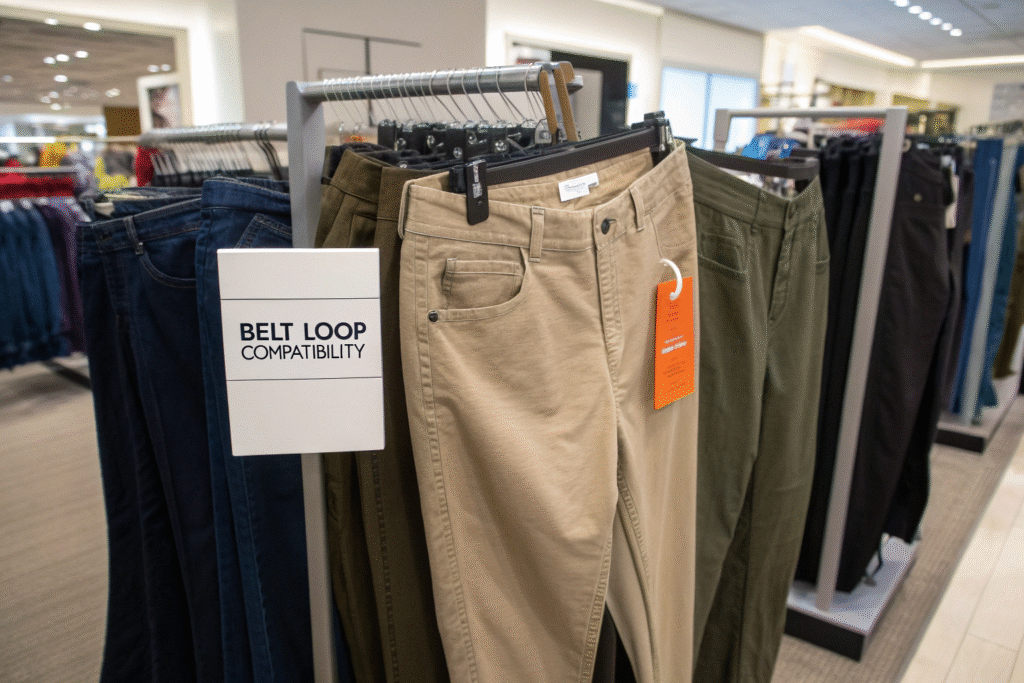
What Prototyping Methods Test Real-World Compatibility?
Prototyping methods that test real-world compatibility include creating samples in multiple width and thickness variations, testing with standardized loop panels representing different clothing types, and conducting wear trials with diverse body types and movement patterns. The most effective testing goes beyond simple fit checks to evaluate how belts perform during sitting, standing, bending, and other daily activities that stress the belt-loop relationship. User experience frameworks from the User Experience Professionals Association provide methodologies for testing wearable products in realistic usage scenarios.
How Should Brands Communicate Compatibility to Consumers?
Brands should communicate compatibility through clear size designations that include both length and width, visual guides showing how belts fit through standard loops, specific garment recommendations, and potentially even compatibility guarantees. The most effective communication uses both measurements and visual references that help consumers understand how a belt will work with their existing wardrobe. This transparency builds trust and reduces returns while helping customers make informed purchasing decisions. E-commerce best practices from the Baymard Institute provide evidence-based approaches for presenting sizing and compatibility information that reduces consumer uncertainty.
Conclusion
Belt loop compatibility represents a critical but often overlooked aspect of accessory design that significantly impacts user satisfaction and product functionality. By understanding and addressing width standards, thickness limitations, buckle design considerations, and material factors, brands can create belts that work harmoniously with the clothing consumers already own.
The investment in compatibility-focused design pays dividends through reduced returns, increased customer satisfaction, and stronger brand reputation for thoughtful product development. If you're developing belt collections and want to ensure optimal compatibility across various clothing types, our manufacturing expertise includes specific attention to these compatibility factors. Contact our Business Director, Elaine, to discuss how we can create belts that combine style with universal functionality. Reach out to Elaine at elaine@fumaoclothing.com. Let's design accessories that work seamlessly with your customers' wardrobes.