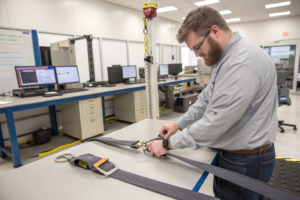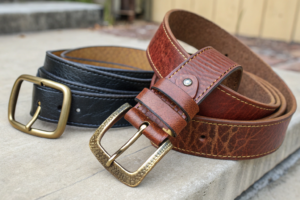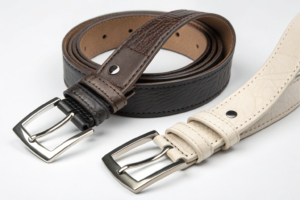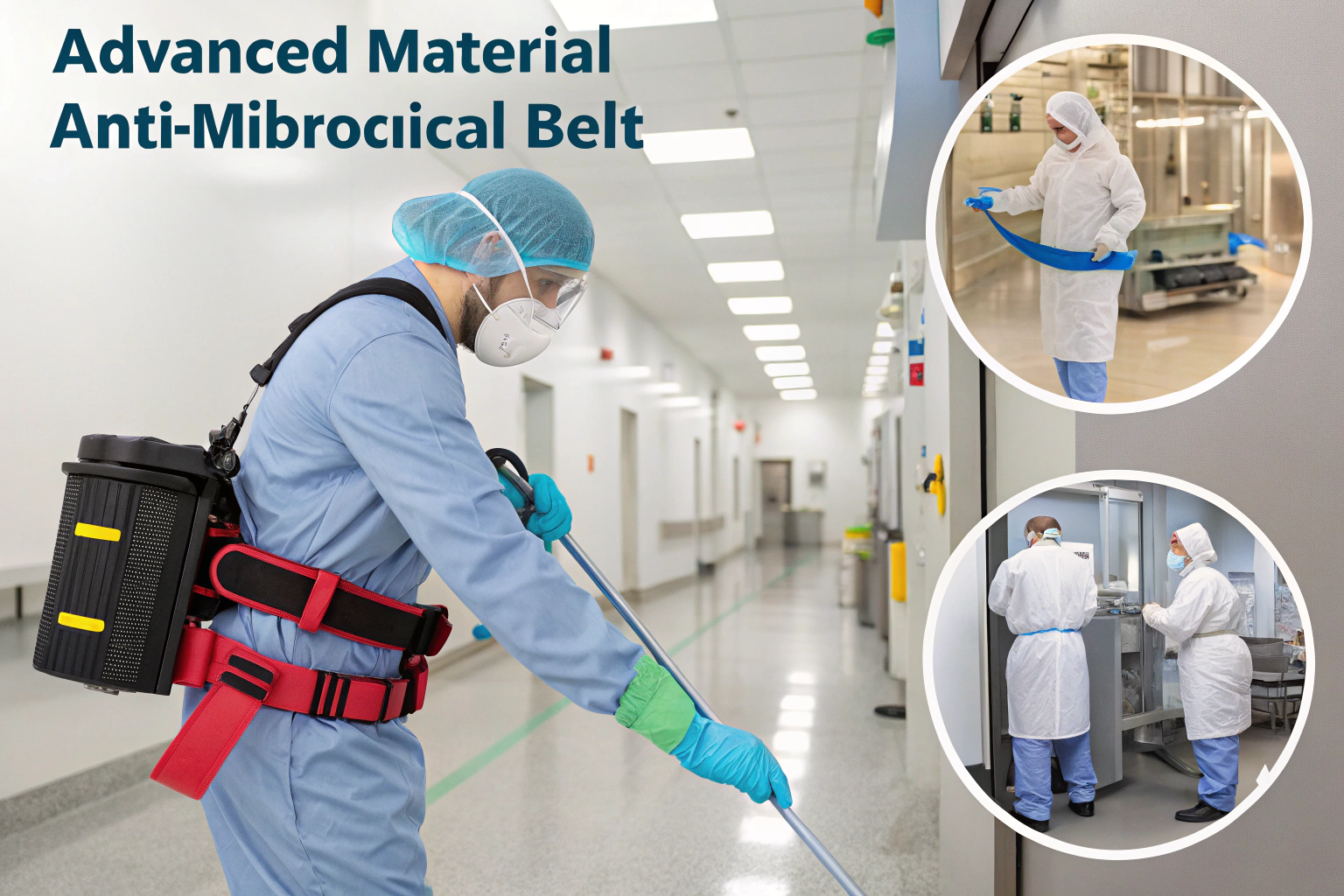
The healthcare sector presents unique challenges for accessories, where hygiene concerns meet practical uniform requirements. Traditional belts can harbor pathogens and contribute to healthcare-associated infections (HAIs), creating an often-overlooked contamination risk. With growing awareness of infection control extending beyond hand hygiene and protective equipment, how can suppliers provide belt solutions that meet the rigorous standards of healthcare environments?
Sourcing anti-microbial belts for healthcare markets requires understanding specialized material technologies, regulatory compliance, healthcare workflow integration, and durability under medical-grade cleaning protocols. Successful healthcare belts typically incorporate silver-ion technology, copper-infused materials, or specialized polymer treatments that provide continuous protection against bacteria, fungi, and viruses while withstanding repeated disinfection. These belts must balance infection control with healthcare professionals' comfort during long shifts.
Navigating the healthcare accessories market demands both technical knowledge and practical understanding of clinical environments. Let's examine the anti-microbial technologies, material specifications, compliance requirements, and sourcing strategies that ensure belts meet healthcare's unique demands.
What Anti-Microbial Technologies Are Most Effective?
Not all anti-microbial treatments provide equal protection in healthcare settings. Understanding the mechanism, duration, and spectrum of different technologies is crucial for effective sourcing decisions.
The most effective anti-microbial technologies for healthcare belts include silver-ion diffusion systems, copper-infused materials, quaternary ammonium compounds, and photo-catalytic treatments. Each technology offers different advantages in terms of protection spectrum, durability, and compatibility with healthcare cleaning protocols.

How Does Silver-Ion Technology Work in Healthcare Applications?
Silver-ion technology works by releasing silver ions that disrupt microbial cell membranes and interfere with cellular metabolism, providing broad-spectrum protection against bacteria, fungi, and viruses. In healthcare belts, silver is typically incorporated into polymers or applied as a coating that provides continuous protection even after repeated cleaning. The most effective systems use controlled-release mechanisms that maintain consistent anti-microbial activity throughout the product's lifespan. Research from the Silver Institute demonstrates silver's effectiveness against healthcare-associated pathogens including MRSA and VRE.
Why Are Copper-Infused Materials Gaining Healthcare Acceptance?
Copper-infused materials are gaining healthcare acceptance because copper surfaces have been proven to continuously kill bacteria, viruses, and fungi between cleanings. Unlike coatings that can wear away, copper-infused materials maintain their anti-microbial properties throughout the material's thickness. This approach is particularly valuable in healthcare where belts may encounter pathogens between scheduled cleanings. The Environmental Protection Agency has registered copper alloys as anti-microbial materials that can continuously reduce bacterial contamination.
What Material Specifications Meet Healthcare Demands?
Healthcare belts must satisfy multiple material requirements beyond anti-microbial properties, including durability, cleanability, comfort, and compatibility with medical equipment.
Key material specifications include chemical resistance to disinfectants, liquid barrier properties, seam integrity, flexibility for long-term wear, and color-fastness under repeated cleaning. These factors determine whether belts can withstand the rigorous demands of healthcare environments.

How Do Cleaning Protocols Influence Material Selection?
Healthcare cleaning protocols significantly influence material selection because belts must withstand frequent exposure to harsh disinfectants like bleach, hydrogen peroxide, and quaternary ammonium compounds without degrading. Materials must maintain their anti-microbial properties and structural integrity through hundreds of cleaning cycles. The most suitable materials demonstrate resistance to chemical degradation, color fading, and stiffness development that can occur with repeated disinfectant exposure. Testing standards from ASTM International provide protocols for evaluating material durability under healthcare cleaning conditions.
What Comfort Features Are Essential for Healthcare Professionals?
Comfort features essential for healthcare professionals include moisture-wicking properties, breathability to prevent skin irritation during long shifts, flexible construction that allows natural movement, and lightweight materials that don't contribute to fatigue. Unlike many industrial applications, healthcare belts must provide all-day comfort while maintaining professional appearance and infection control properties. Ergonomics research from the American Nurses Association identifies specific comfort requirements for healthcare accessories worn during 12-hour shifts.
What Regulatory Compliance Must Healthcare Belts Meet?
The healthcare market requires strict adherence to regulatory standards that verify safety, efficacy, and material compatibility. Understanding these requirements is essential for successful market entry.
Key regulatory considerations include anti-microbial efficacy verification, material safety documentation, manufacturing quality systems, and specific healthcare facility requirements. Compliance demonstrates that products meet the rigorous standards expected in healthcare environments.

What Efficacy Testing Verifies Anti-Microbial Claims?
Efficacy testing that verifies anti-microbial claims typically follows standards such as ISO 22196 for measurement of anti-microbial activity on plastics and other non-porous surfaces, AATCC 100 for textile materials, and JIS Z 2801 for anti-microbial products. These tests measure log reduction of specific pathogens including Staphylococcus aureus, Escherichia coli, Pseudomonas aeruginosa, and other healthcare-relevant microorganisms. Third-party verification from organizations like UL Solutions or Eurofins provides credible validation of anti-microbial performance claims.
How Do FDA Regulations Impact Healthcare Belts?
FDA regulations impact healthcare belts primarily through material safety requirements, particularly for products making anti-microbial claims. While belts are generally considered accessories rather than medical devices, any therapeutic claims or specific infection control assertions may trigger regulatory scrutiny. Manufacturers must carefully navigate claims language and ensure all materials are safe for prolonged skin contact under healthcare conditions. Guidance from the U.S. Food and Drug Administration helps determine when accessories cross into regulated product categories.
How Should Healthcare Belts Be Sourced and Manufactured?
Sourcing anti-microbial belts for healthcare requires specialized manufacturing partnerships and supply chain management that differ from conventional belt production.
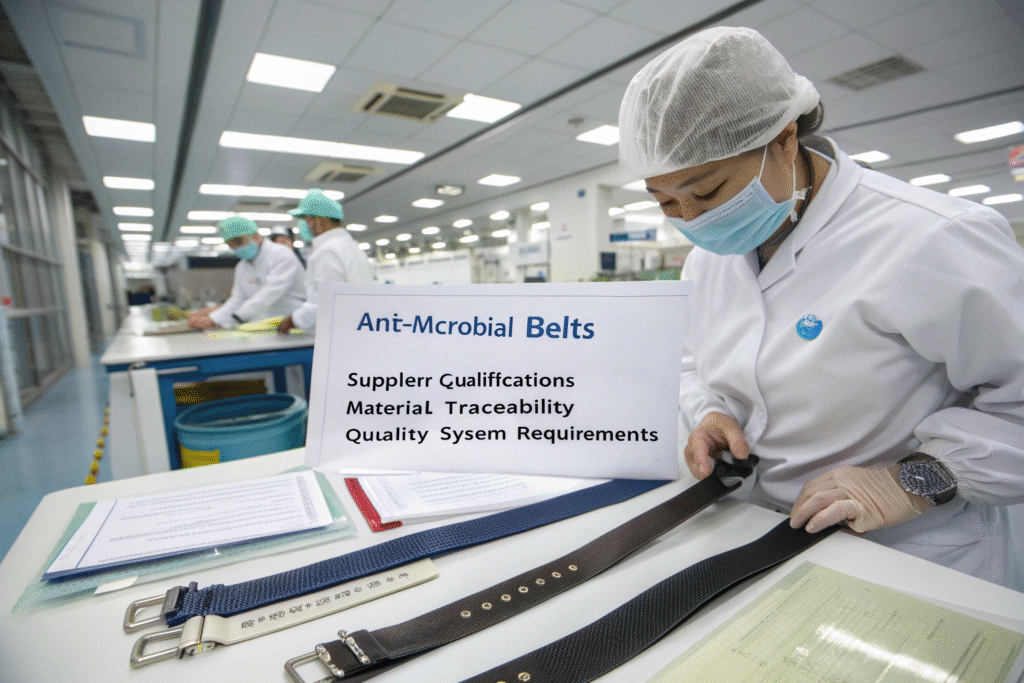
Successful healthcare belt sourcing involves supplier qualification for medical applications, material traceability, quality system requirements, and production environment controls. These factors ensure consistent product quality and reliable anti-microbial performance.
What Supplier Qualifications Ensure Healthcare Quality?
Supplier qualifications that ensure healthcare quality include ISO 13485 certification for medical device manufacturing, experience with healthcare customers, material traceability systems, and robust quality management processes. Suppliers should demonstrate understanding of healthcare requirements including lot control, documentation practices, and change management procedures. The most reliable partners have established relationships with healthcare providers and understand the unique demands of medical environments. Standards from the International Organization for Standardization provide frameworks for qualifying medical product suppliers.
How Does Manufacturing Environment Affect Product Integrity?
Manufacturing environment significantly affects product integrity because contamination during production can compromise anti-microbial properties or introduce pathogens. Controlled manufacturing environments, proper material handling procedures, and validated cleaning processes ensure that belts arrive at healthcare facilities with guaranteed purity and performance. Suppliers should implement Good Manufacturing Practices (GMP) similar to those used for medical products to maintain consistent quality. Guidelines from the World Health Organization provide GMP frameworks applicable to healthcare accessories.
What Market Considerations Drive Healthcare Adoption?
Understanding the healthcare market dynamics helps suppliers position anti-microbial belts effectively and address the specific concerns of healthcare administrators and professionals.
Key market considerations include infection control priorities, cost-benefit analysis, staff acceptance factors, and procurement processes. These elements determine whether products gain traction in the competitive healthcare supply market.
How Do Infection Control Committees Evaluate New Products?
Infection control committees evaluate new products based on evidence of efficacy, compatibility with existing protocols, staff safety, and cost-effectiveness. Successful products typically provide third-party validation of anti-microbial claims, demonstrate material compatibility with hospital disinfectants, and show clear benefits over existing alternatives. Committees also consider the product's impact on workflow and whether it addresses a genuine infection control gap. Resources from the Association for Professionals in Infection Control and Epidemiology provide insight into how healthcare facilities evaluate infection control products.
What ROI Calculations Influence Healthcare Purchasing Decisions?
ROI calculations that influence healthcare purchasing decisions include potential reduction in healthcare-associated infections, product lifespan under healthcare use, staff satisfaction impact, and compatibility with existing uniform programs. While initial cost is considered, healthcare administrators increasingly evaluate total cost of ownership including replacement frequency, cleaning requirements, and potential infection reduction benefits. Studies from the CDC provide data on infection costs that help calculate potential savings from improved infection control measures.
Conclusion
Sourcing anti-microbial belts for healthcare markets requires a comprehensive approach that balances technical efficacy, regulatory compliance, practical functionality, and economic considerations. The most successful products address genuine infection control needs while integrating seamlessly into healthcare workflows and standing up to rigorous clinical environments.
The healthcare market offers significant opportunity for suppliers who can deliver verified anti-microbial protection combined with the durability and comfort demanded by healthcare professionals. If you're looking to develop anti-microbial belts for healthcare applications, our manufacturing expertise includes specialized experience with medical-grade materials and compliance requirements. Contact our Business Director, Elaine, to discuss how we can create healthcare-appropriate belts that meet infection control standards. Reach out to Elaine at elaine@fumaoclothing.com. Let's develop accessories that protect both healthcare workers and patients.