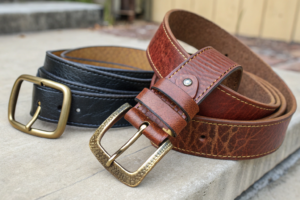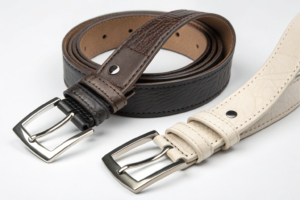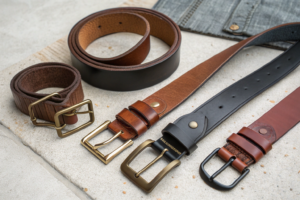
In an era of increasing environmental awareness, the leather industry faces scrutiny for its ecological impact. While leather production has traditionally involved harsh chemicals and concerning waste streams, vegetable-tanned leather offers a centuries-old alternative that aligns with modern sustainability values. But what specific characteristics make this traditional method genuinely eco-friendly compared to conventional leather production?
Vegetable-tanned leather is eco-friendly because it uses natural tannins from plants instead of synthetic chemicals, creates biodegradable products, generates less hazardous waste, and supports traditional craftsmanship with lower energy requirements. The process transforms raw hides using tannins extracted from tree bark, leaves, and fruits in a method that's remained largely unchanged for centuries, creating leather that ages beautifully while minimizing environmental harm throughout its lifecycle.
The environmental advantages of vegetable-tanned leather extend beyond the tanning process to encompass the complete product lifecycle. Let's examine the natural tanning process, material biodegradability, waste management, and broader ecological impacts that distinguish this traditional method.
How Does the Natural Tanning Process Reduce Environmental Impact?
The tanning process represents the most environmentally significant phase of leather production, and vegetable tanning offers fundamental ecological advantages through its use of renewable plant materials rather than synthetic chemicals.
Vegetable tanning reduces environmental impact through biodegradable tannins, water conservation, renewable resource utilization, and elimination of heavy metal contamination. This approach contrasts sharply with chrome tanning, which relies on chromium salts and generates hazardous waste.
What Natural Materials Are Used in Vegetable Tanning?
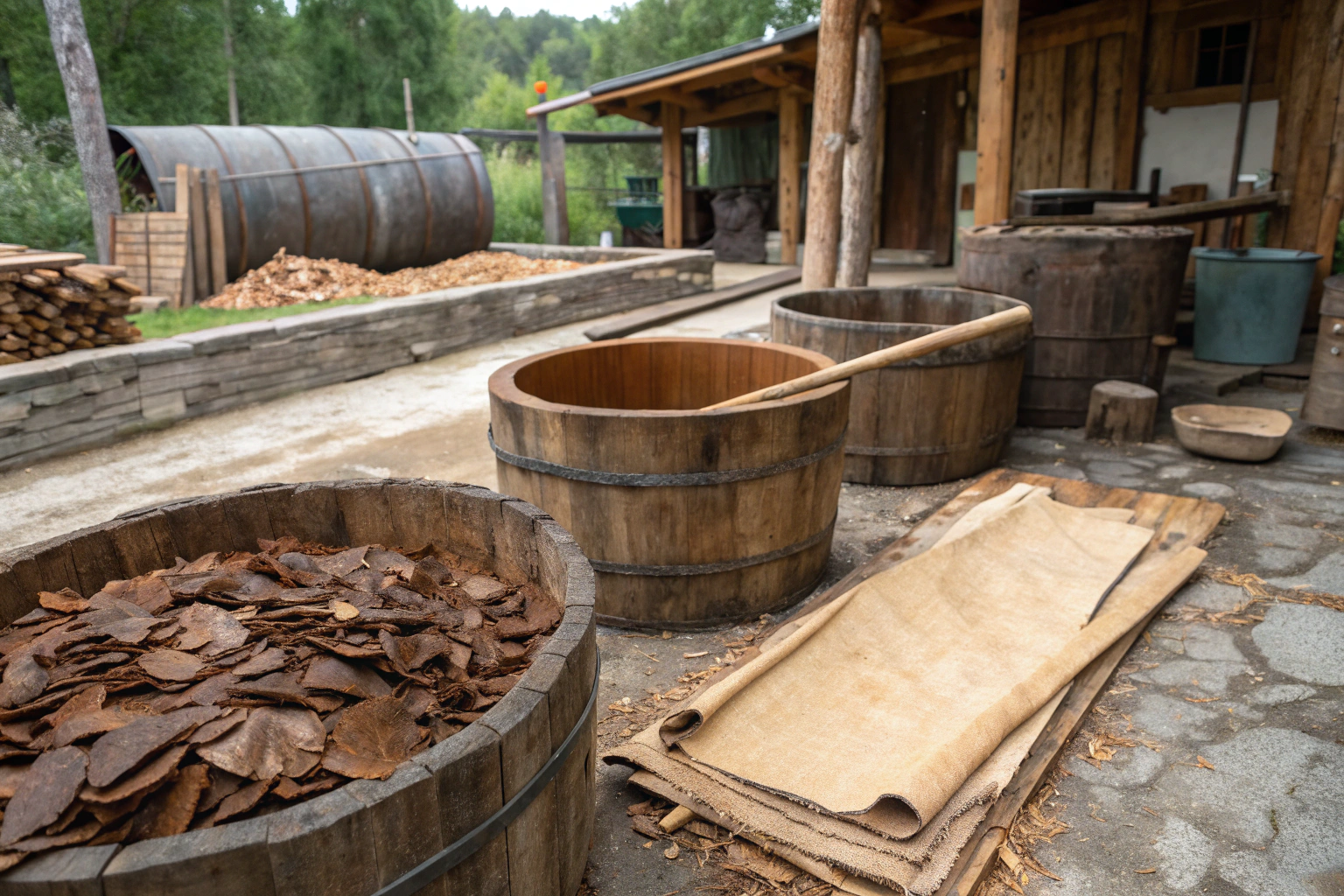
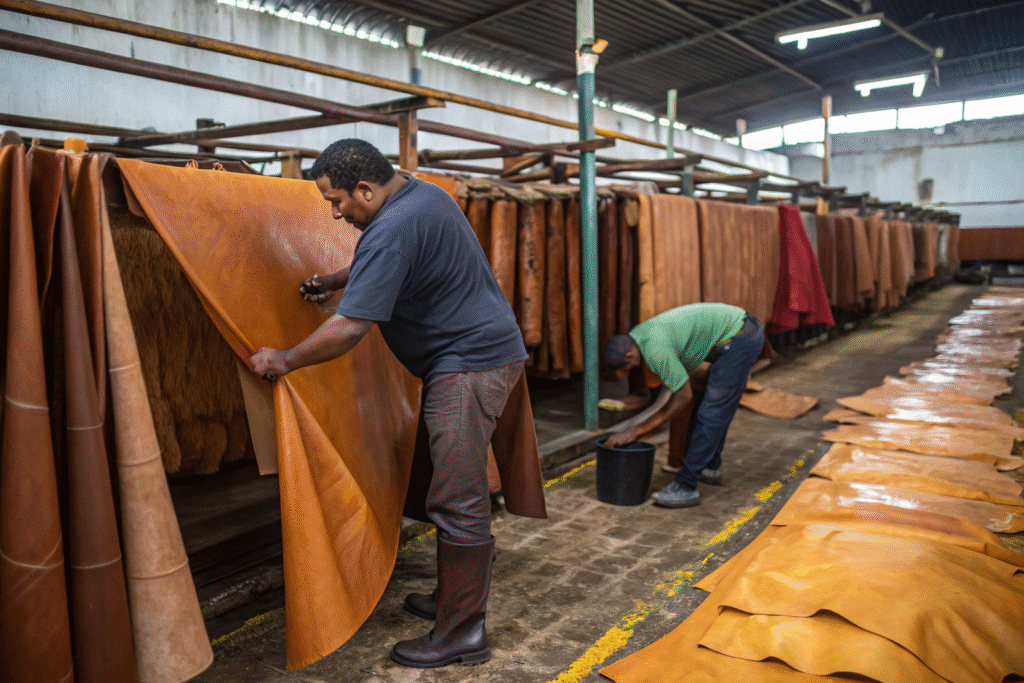
Vegetable tanning uses tannins extracted from sustainable plant sources including chestnut wood, quebracho tree bark, oak galls, tara pods, and myrobalan fruit. These natural materials are renewable, biodegradable, and sourced from managed forests or agricultural byproducts. The tannins work by binding with collagen fibers in the hide through hydrogen bonding, creating stable, durable leather without toxic residues. Unlike chrome tanning that completes in hours, vegetable tanning requires 30-60 days, allowing thorough penetration and creating leather with unique character. The Forest Stewardship Council certification ensures that tannin sources come from responsibly managed forests.
How Does Vegetable Tanning Conserve Water and Reduce Pollution?
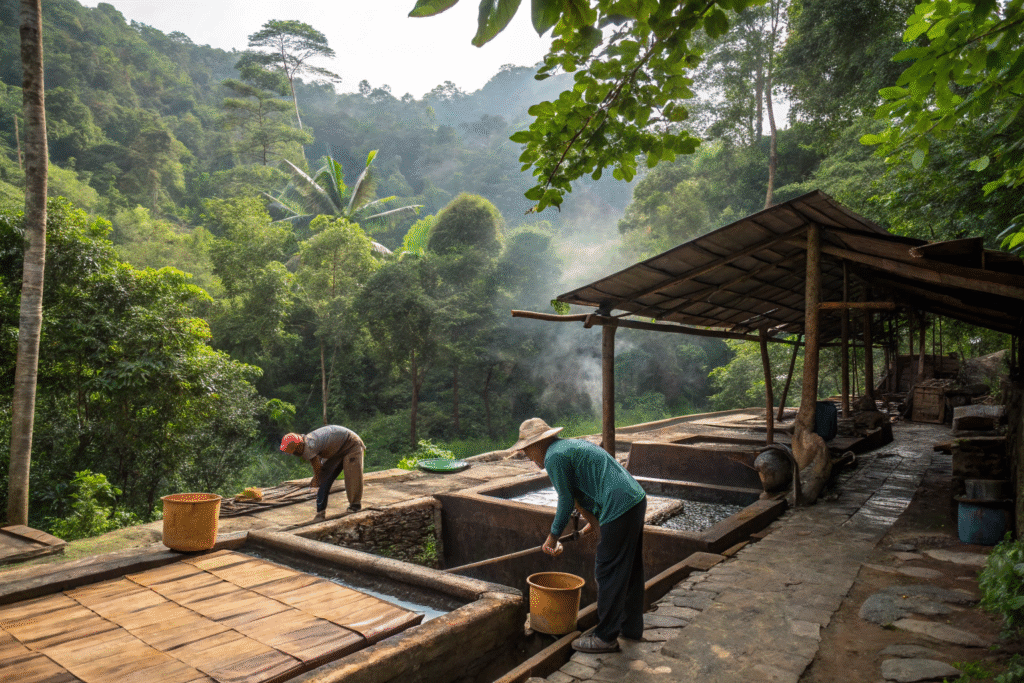
Vegetable tanning conserves water through closed-loop systems that reuse tanning liquors and employs natural materials that don't require the intensive washing needed to remove synthetic chemicals. The process generates wastewater with organic compounds that can be treated through natural biodegradation, unlike chrome tanning wastewater that contains heavy metals requiring specialized treatment. Traditional tanneries often use settling ponds and natural filtration systems that allow organic materials to break down safely. Water management protocols from the Leather Working Group provide standards for reducing water consumption and preventing contamination in tanning processes.
What Biodegradability Advantages Does Vegetable-Tanned Leather Offer?
The end-of-life characteristics of vegetable-tanned leather provide significant environmental advantages, particularly in an era concerned with circular economies and waste reduction.
Biodegradability advantages include natural decomposition, non-toxic breakdown products, compostability under proper conditions, and reduced landfill impact. These characteristics ensure that vegetable-tanned leather products don't persist in the environment like synthetic materials or chrome-tanned leathers.

How Quickly Does Vegetable-Tanned Leather Biodegrade?
Vegetable-tanned leather begins significant biodegradation within 25-50 years when exposed to soil microorganisms, moisture, and oxygen, compared to hundreds of years for synthetic materials or chrome-tanned leathers. The rate varies based on thickness, finishing treatments, and environmental conditions, but the fundamental organic composition allows natural decomposition. This timeline represents a reasonable balance between product durability during use and eventual return to natural cycles. Research from the Biodegradable Products Institute provides testing methodologies for evaluating leather biodegradation rates in various environments.
What Makes the Breakdown Products Environmentally Safe?
The breakdown products are environmentally safe because they consist primarily of organic compounds including cellulose, natural tannins, and collagen fragments that microorganisms can metabolize without releasing heavy metals or persistent synthetic chemicals. As vegetable-tanned leather decomposes, it releases nutrients back into the ecosystem rather than leaching chromium, formaldehyde, or other hazardous substances associated with conventional leather production. This closed-loop characteristic aligns with circular economy principles that minimize waste and toxicity. Environmental safety standards from the Cradle to Cradle Products Innovation Institute provide frameworks for evaluating material safety throughout their lifecycle.
How Does Vegetable Tanning Support Waste Reduction?
The vegetable tanning process generates significantly different waste streams compared to conventional methods, with byproducts that have value rather than representing disposal problems.
Waste reduction benefits include valuable byproduct creation, minimal hazardous waste generation, material efficiency through traditional craftsmanship, and recycling opportunities for tanning materials. These factors contribute to a more circular production model.
What Valuable Byproducts Come from Vegetable Tanning?
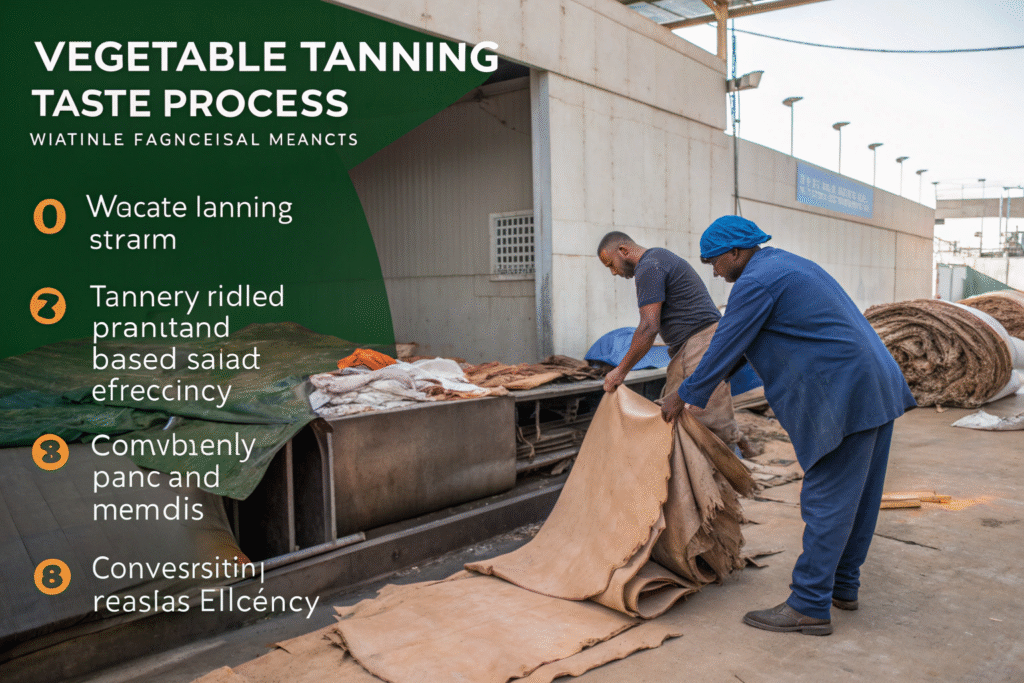
Valuable byproducts from vegetable tanning include spent tanning materials that can be composted for agriculture, leather scraps that biodegrade naturally, and tanning liquors that can be replenished and reused for multiple cycles. Some tanneries even sell processed tannin extracts to other industries, creating additional revenue streams from what would otherwise be waste. The bark and plant materials used in extraction often come from sustainable forestry operations where harvesting supports forest health. Circular economy models from the Ellen MacArthur Foundation highlight how byproduct utilization increases resource efficiency.
How Do Traditional Methods Minimize Material Waste?
Traditional vegetable tanning methods minimize material waste through careful hide selection, skilled cutting that maximizes usable leather from each hide, and repair techniques that extend product life. The slower process allows artisans to identify and address imperfections rather than discarding materials, and the natural markings in vegetable-tanned leather are often celebrated as character rather than treated as defects. This approach contrasts with high-speed industrial tanning that prioritizes volume over efficiency. Craft preservation organizations like UNESCO document how traditional knowledge systems often incorporate inherent waste reduction practices.
What Broader Ecological Benefits Does Vegetable Tanning Provide?
Beyond the immediate production process, vegetable tanning supports broader environmental values through its supply chain relationships, energy profile, and cultural preservation.
Broader ecological benefits include support for sustainable forestry, reduced energy consumption, biodiversity conservation, and preservation of traditional knowledge systems. These factors create positive environmental impacts beyond the tanning facility itself.
How Does Vegetable Tanning Support Sustainable Forestry?
Vegetable tanning supports sustainable forestry by creating economic value for tannin-rich tree species that might otherwise be cleared for more immediately profitable land uses. Responsible tanneries source from managed forests where bark harvesting doesn't kill trees and actually stimulates growth, similar to sustainable maple syrup production. This economic incentive helps preserve forest ecosystems that provide carbon sequestration, habitat, and watershed protection. Certification programs from the Programme for the Endorsement of Forest Certification ensure that tannin sources maintain forest health and biodiversity.
What Energy Savings Come from Traditional Methods?
Traditional vegetable tanning methods save energy through natural processes that don't require the high temperatures, pressure systems, or chemical reactions of industrial tanning. The process relies on time rather than energy-intensive acceleration, with many traditional tanneries using passive solar heating and natural ventilation. While the extended timeframe requires more patience, the overall energy footprint is significantly lower than synthetic alternatives. Life cycle assessment data from the Sustainable Apparel Coalition confirms the energy advantages of vegetable tanning across multiple impact categories.
Conclusion
Vegetable-tanned leather represents a compelling convergence of traditional craftsmanship and modern environmental values, offering a genuinely eco-friendly alternative to conventional leather production. Its advantages extend from the tanning process through the product's entire lifecycle, creating accessories that age beautifully while minimizing ecological harm.
The growing appreciation for vegetable-tanned leather reflects a broader shift toward products that balance aesthetic appeal, functional durability, and environmental responsibility. If you're looking to develop eco-conscious leather collections that leverage the environmental benefits of vegetable tanning, our manufacturing expertise includes specialized partnerships with traditional tanneries committed to sustainable practices. Contact our Business Director, Elaine, to discuss how we can create vegetable-tanned leather belts that align with your sustainability values. Reach out to Elaine at elaine@fumaoclothing.com. Let's craft accessories that respect both tradition and the environment.