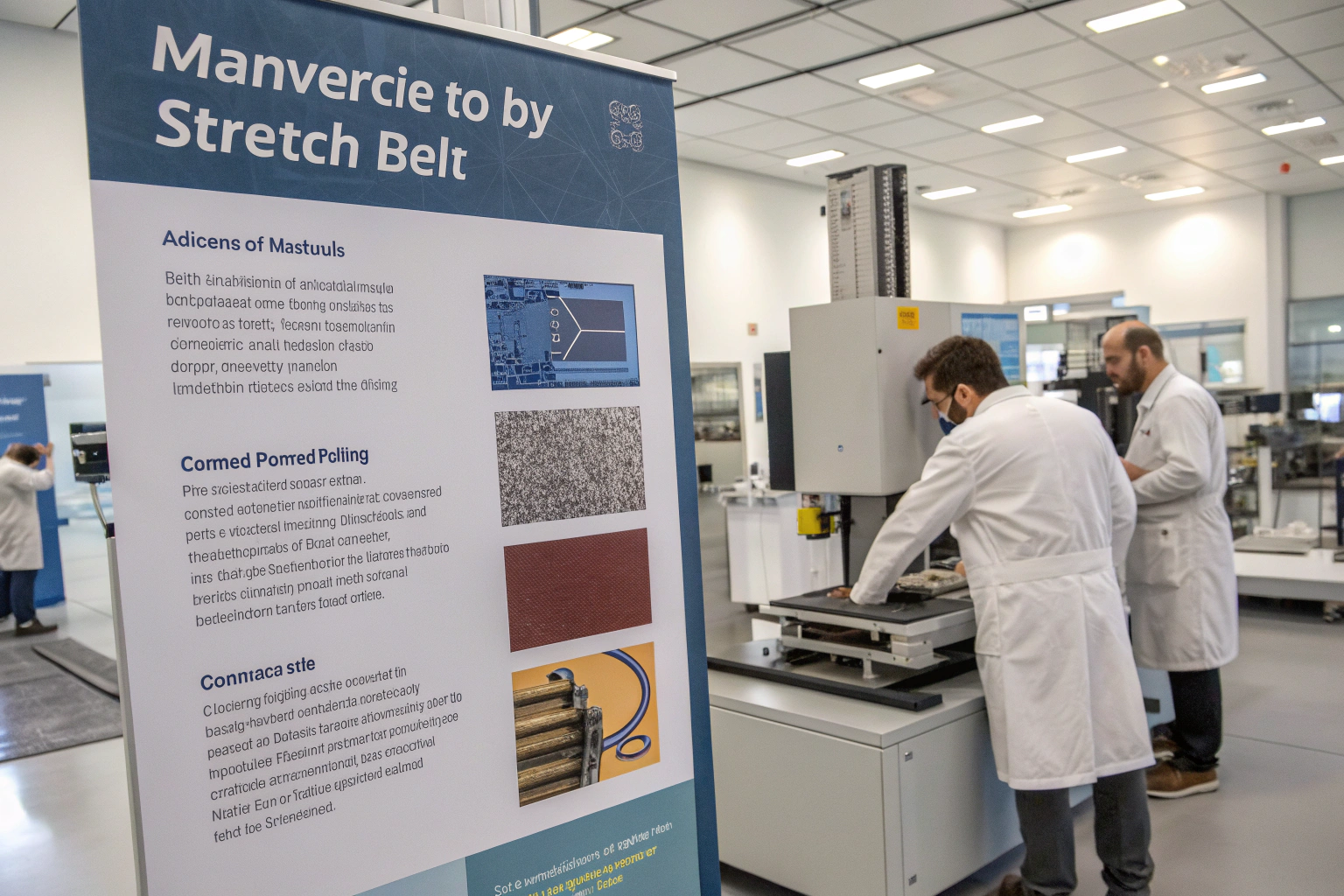
The traditional belt market has long been dominated by rigid materials that prioritize structure over comfort, leaving consumers to choose between proper fit and all-day comfort. However, recent material innovations are fundamentally reimagining what belts can be, creating products that move with the body rather than resisting it. What breakthrough materials are enabling this comfort revolution while maintaining the durability and appearance consumers expect?
Top material innovations in stretch belt technology include shape-memory alloys, advanced elastic composites, bio-inspired structures, and smart responsive materials that actively adapt to movement and posture changes. These innovations allow belts to maintain consistent light pressure throughout daily activities, eliminate the discomfort of rigid waist constriction, and provide unprecedented comfort for extended wear. The most advanced stretch belts now incorporate multiple innovative materials working in concert to deliver both exceptional comfort and reliable performance.
The stretch belt revolution represents a convergence of materials science, biomechanics, and fashion design. Let's examine the elastic composites, structural innovations, smart materials, and sustainable advancements that are redefining comfort in belt technology.
What Elastic Composite Breakthroughs Enable Superior Stretch?
Traditional elastic materials have faced significant limitations in belt applications, including poor recovery, limited durability, and unattractive aesthetics. New composite approaches are solving these challenges through sophisticated material engineering.
Elastic composite breakthroughs include multi-layer constructions, hybrid fiber integration, advanced polymer formulations, and structural reinforcement techniques. These approaches create materials that stretch predictably while maintaining their original shape through thousands of stretching cycles.
How Do Multi-Layer Constructions Enhance Stretch Performance?
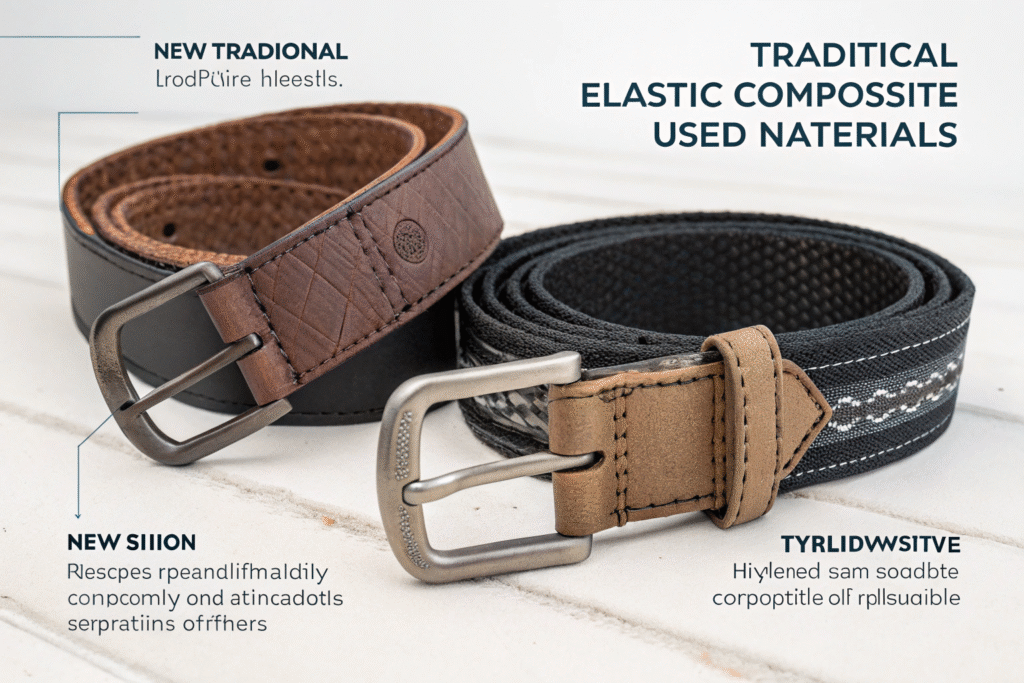
Multi-layer constructions enhance stretch performance by combining specialized materials that each contribute different properties: an inner comfort layer for soft skin contact, a core elastic layer for stretch and recovery, and an outer aesthetic layer for appearance and durability. The most advanced systems use 5-7 distinct layers, including moisture-wicking linings, directional stretch cores, and abrasion-resistant exteriors. This approach allows manufacturers to optimize each functional requirement independently rather than seeking a single material that compromises on multiple fronts. Material science research from The Textile Institute demonstrates how multi-layer composites outperform single-material solutions in wearable applications.
What Role Do Hybrid Fibers Play in Advanced Elastic Belts?
Hybrid fibers play a crucial role in advanced elastic belts by combining the stretch properties of elastane with the strength of technical nylons or polyesters and the natural feel of cotton or wool blends. The most innovative systems use core-spun yarns where an elastic filament forms the center, wrapped with non-stretch fibers that provide structure and aesthetic qualities. This construction allows belts to stretch significantly (typically 150-200% elongation) while maintaining a non-stretch appearance and recovering completely to their original dimensions. Manufacturing advancements from The Advanced Textiles Association enable precise control over fiber combinations for specific stretch characteristics.
What Structural Innovations Maximize Comfort and Support?
Beyond material composition, structural innovations in how stretch belts are engineered have dramatically improved their comfort and functionality. These designs often draw inspiration from other fields where flexibility and support must coexist.
Structural innovations include graduated tension systems, directional stretch patterns, segmented constructions, and ergonomic shaping. These approaches ensure belts provide support where needed while allowing freedom of movement where required.

How Do Graduated Tension Systems Improve Wearer Comfort?
Graduated tension systems improve wearer comfort by varying the belt's resistance to stretching along its length, providing firmer support in critical areas (like the back) while allowing more stretch in others (like the sides). This approach mimics the natural variation in abdominal pressure throughout the day and during different activities. The most sophisticated systems use strategically placed reinforcement panels or varying elastic thread density to create these tension zones without visible seams or transitions. Biomechanics research from the International Society of Biomechanics informs how graduated pressure distribution reduces discomfort during extended wear.
What Benefits Do Directional Stretch Patterns Provide?
Directional stretch patterns provide specific benefits including horizontal stretch for comfort during sitting and bending, limited vertical stretch to prevent rolling, and multi-directional stretch areas for complex movements. By controlling stretch orientation through woven patterns or strategic material placement, manufacturers can create belts that move naturally with the body while maintaining their position and appearance. This precision engineering represents a significant advancement over early stretch belts that expanded in all directions, often becoming loose and baggy. Patent analysis from the United States Patent and Trademark Office shows increasing innovation in directional stretch technologies for wearable products.
What Smart Materials Are Revolutionizing Stretch Belts?
The integration of smart materials represents the cutting edge of stretch belt technology, creating products that actively respond to changing conditions rather than passively stretching. These materials bring unprecedented functionality to belt design.
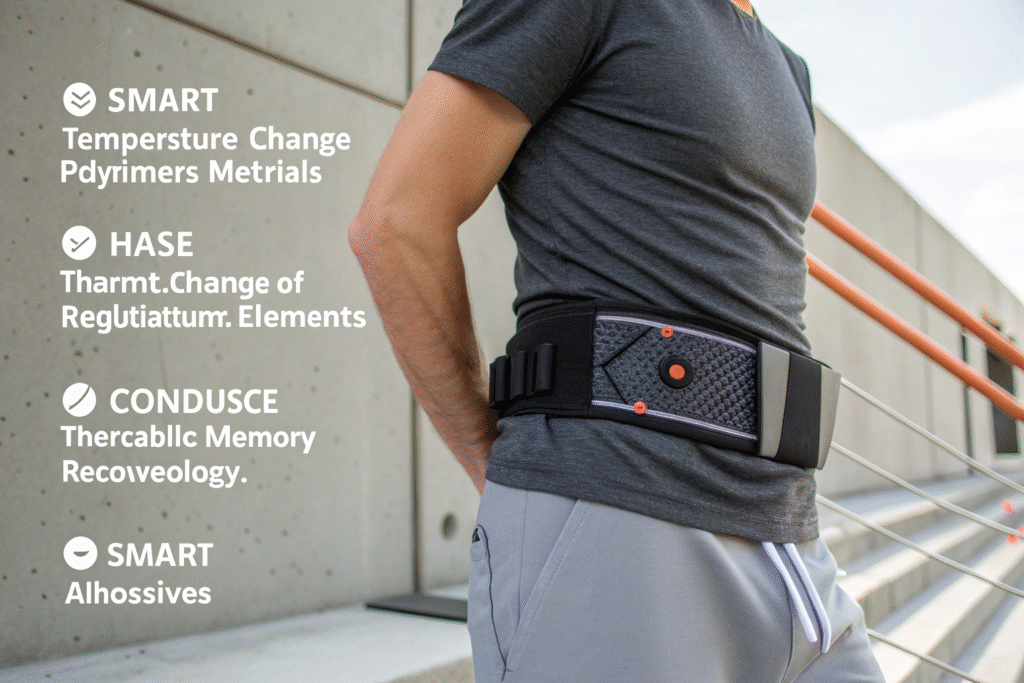
Smart material innovations include temperature-responsive polymers, phase-change materials for thermal regulation, shape-memory alloys for perfect recovery, and conductive elements for wearable technology integration. These materials enable belts that adapt to their environment and the wearer's needs.
How Do Temperature-Responsive Polymers Enhance Comfort?
Temperature-responsive polymers enhance comfort by adjusting their flexibility based on ambient conditions—becoming more flexible in cold weather to prevent stiffness and maintaining optimal tension in heat to prevent over-stretching. These materials, often based on polyurethane composites with melting point modifiers, provide consistent performance across the temperature ranges typically encountered during daily wear. This eliminates the common problem of belts becoming uncomfortably rigid in cold weather or overly loose in heat. Materials research from SPIE documents the development of temperature-responsive polymers for consumer applications.
What Role Do Phase-Change Materials Play in Thermal Regulation?
Phase-change materials (PCMs) play a crucial role in thermal regulation by absorbing excess body heat when the wearer is active and releasing it when the body cools, maintaining a consistent microclimate around the waist. Incorporated as microcapsules within belt materials, PCMs significantly improve comfort during temperature transitions—such as moving between air-conditioned buildings and warm outdoor environments. This technology, previously available only in high-performance athletic wear, now brings unprecedented comfort to everyday belts. Thermal management studies from The American Society of Heating, Refrigerating and Air-Conditioning Engineers validate PCM effectiveness in wearable applications.
What Sustainable Innovations Are Emerging in Stretch Belts?
As environmental concerns increasingly influence purchasing decisions, sustainable innovations in stretch belt materials have become both an ethical imperative and a competitive advantage. These advancements prove that performance and sustainability can coexist.
Sustainable innovations include bio-based elastomers, recycled elastic components, biodegradable stretch materials, and circular design principles. These approaches reduce environmental impact while delivering the comfort and performance consumers expect.

How Are Bio-Based Elastomers Replacing Synthetic Materials?
Bio-based elastomers are replacing synthetic materials by deriving stretch properties from renewable resources including natural rubber, bio-polyols from castor oil, and polylactic acid (PLA) from corn starch. These materials provide comparable stretch and recovery to petroleum-based elastanes while reducing carbon footprint and dependence on fossil fuels. The most advanced bio-elastomers now achieve the durability required for belt applications, withstanding the repeated stretching and recovery that previously required synthetic materials. Lifecycle assessment data from the Sustainable Apparel Coalition confirms the environmental advantages of bio-based elastomers.
What Circular Design Principles Extend Stretch Belt Lifespan?
Circular design principles that extend stretch belt lifespan include modular construction for component replacement, repairable stitching systems, and designs that facilitate material separation for recycling. Unlike traditional belts where a single failed component dooms the entire product, circular-designed stretch belts allow replacement of worn elastic sections while retaining buckles and other elements. This approach significantly extends product life while reducing waste. The Ellen MacArthur Foundation provides frameworks for implementing circular principles in fashion accessories.
How Are These Innovations Being Commercialized?
The transition from laboratory innovations to commercially viable products requires careful consideration of manufacturing scalability, cost management, and consumer acceptance. Understanding this commercialization process helps identify which innovations will reach the market.
Commercialization pathways include phased implementation strategies, cost-performance optimization, consumer education approaches, and manufacturing partnership models. These factors determine whether groundbreaking innovations become accessible products.

What Manufacturing Advances Enable Cost-Effective Production?
Manufacturing advances that enable cost-effective production of innovative stretch belts include ultrasonic welding that replaces stitching for seamless construction, automated tension control systems that ensure consistent quality, and computer-controlled knitting that creates complex stretch patterns without cutting and sewing. These technologies help manage the increased complexity of advanced stretch belts while maintaining competitive pricing. The most successful manufacturers implement these technologies gradually, allowing for refinement and cost reduction as production scales. Manufacturing innovation reports from The Association of Manufacturing Excellence document successful implementation strategies for advanced textile production.
How Quickly Are Consumers Adopting These Advanced Stretch Belts?
Consumers are adopting advanced stretch belts at an accelerating rate, with market growth exceeding 25% annually as comfort becomes a primary purchasing driver. Early adoption has been strongest in active lifestyles and professional settings where extended wear comfort is valued, with gradual expansion into fashion segments as aesthetics improve. Education about the benefits of advanced materials has been crucial for adoption, as consumers increasingly understand the difference between basic elastic and sophisticated stretch systems. Market research from The NPD Group shows comfort-focused accessories outperforming traditional categories across multiple market segments.
Conclusion
The material innovations revolutionizing stretch belt technology represent a fundamental shift in how belts interact with the human body, prioritizing dynamic comfort alongside traditional requirements of appearance and durability. These advancements demonstrate how sophisticated materials engineering can solve long-standing comfort challenges while opening new possibilities for functionality and sustainability.
The rapid evolution of stretch belt technology highlights how consumer demand for comfort drives material innovation. If you're looking to incorporate these cutting-edge stretch technologies into your belt collections, our manufacturing expertise includes specialized experience with advanced elastic composites and smart materials. Contact our Business Director, Elaine, to discuss how we can develop stretch belts that leverage these innovations for your brand. Reach out to Elaine at elaine@fumaoclothing.com. Let's create the next generation of comfortable, high-performance belts together.