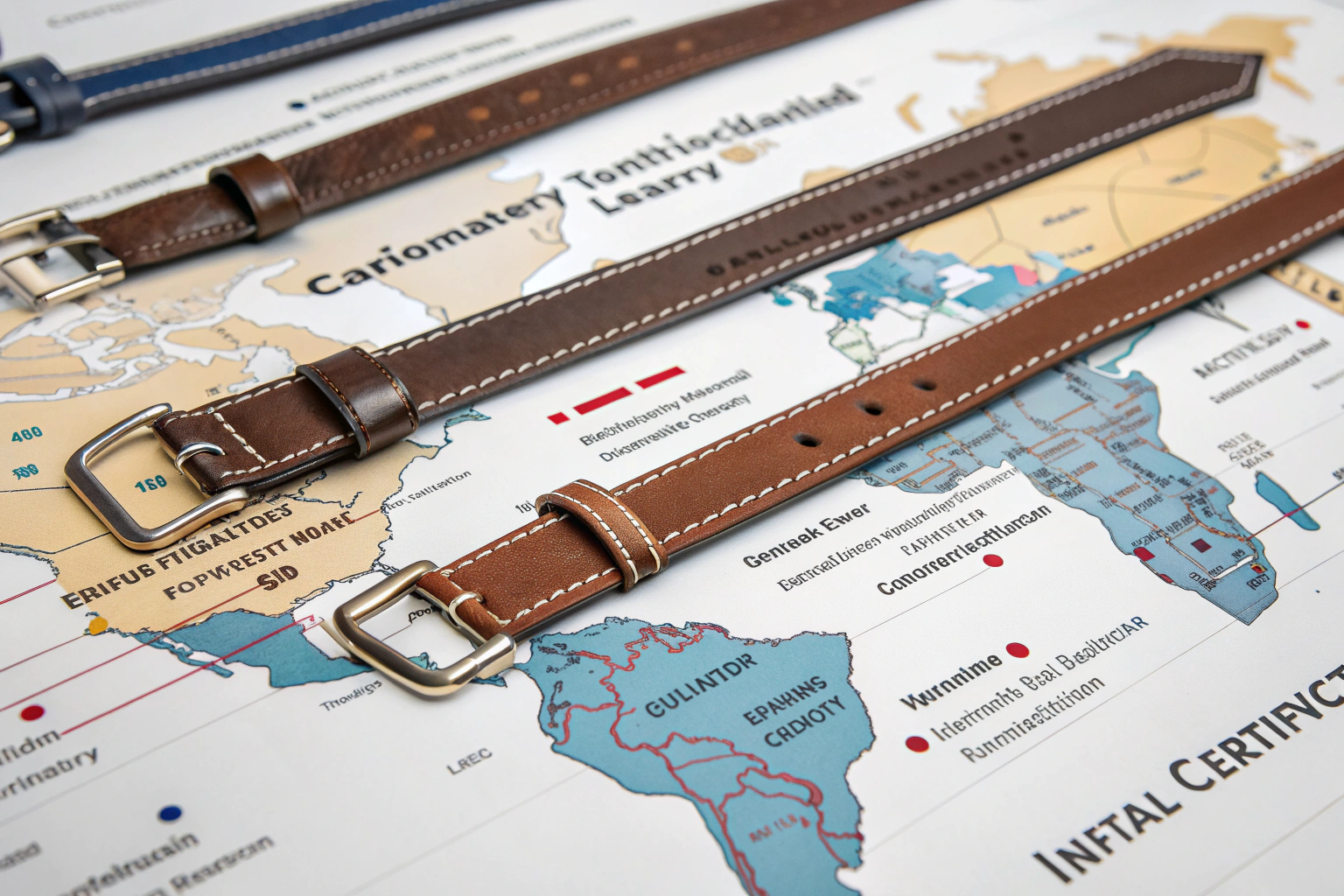
Global supply chain complexity creates significant challenges for brands seeking to verify the true origins of their leather belt components. With components often passing through multiple countries before final assembly, determining authentic country of origin has become both a regulatory requirement and a competitive advantage. How can brands establish reliable verification systems that withstand scrutiny from customs authorities and conscious consumers?
Verifying country of origin for leather belt components requires implementing supply chain mapping, documentation audits, material testing, and certification validation through systematic approaches. Successful verification typically combines paper trail examination with scientific analysis, including DNA tracing for leather origins, metallurgical testing for hardware, and blockchain documentation for complete chain of custody. Brands implementing comprehensive systems typically reduce compliance risks by 70-85% while gaining marketing advantages from verified origin claims.
Establishing reliable origin verification demands both technical expertise and systematic processes. Let's examine the documentation requirements, scientific verification methods, certification frameworks, and supply chain transparency approaches that ensure accurate country of origin determination.
What Documentation Establishes Reliable Origin Proof?
Proper documentation forms the foundation of any country of origin verification system, providing the paper trail that supports claims and withstands regulatory scrutiny. However, not all documents provide equivalent verification value.
Essential documentation includes original mill certificates, shipping and customs records, manufacturing process documentation, and component-specific origin declarations. These documents must form a continuous chain that connects raw materials to finished components without gaps.
What Makes a Certificate of Origin Valid and Reliable?
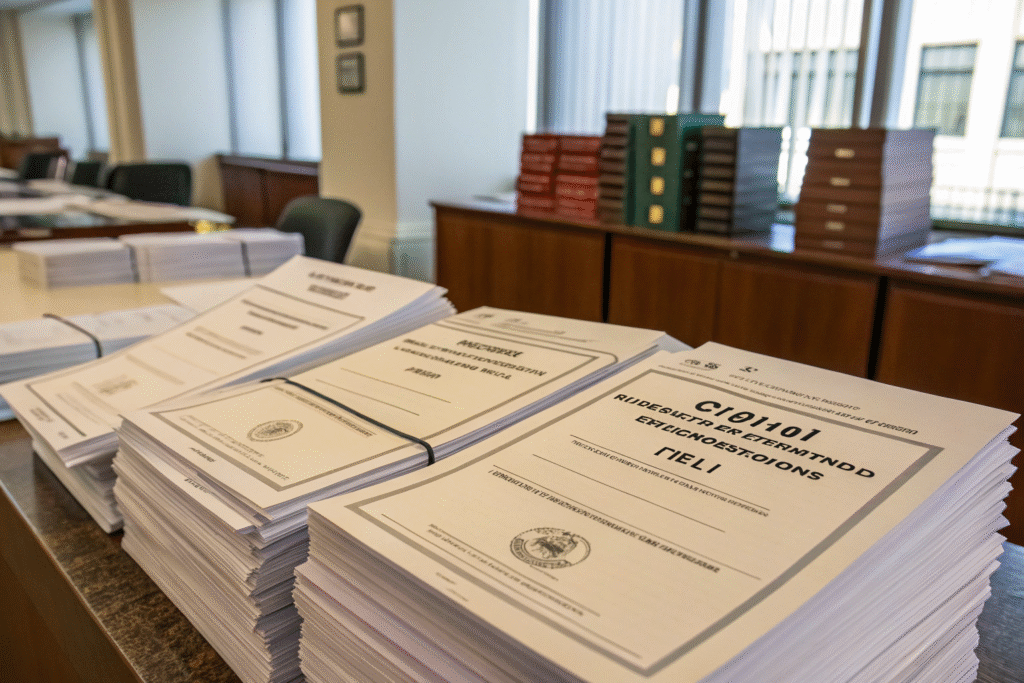
A valid and reliable Certificate of Origin must be issued by the actual manufacturer (not a trading company), reference specific shipment details, include authorized signatures with contact verification, and align with other supply chain documents. The most credible certificates follow formats established by international chambers of commerce and include specific harmonized system codes for the components being shipped. Certificates should be verified through direct contact with issuing organizations rather than simply accepting provided documents. Standards from the International Chamber of Commerce provide frameworks for authentic certificate creation and verification.
How Should Shipping Documents Be Correlated for Verification?
Shipping documents should be correlated by matching dates, quantities, and parties across bills of lading, commercial invoices, packing lists, and customs declarations. Discrepancies in these documents often reveal transshipment or origin obfuscation. The most effective verification systems use specialized software that automatically flags inconsistencies across document types and identifies patterns suggesting fraudulent origin claims. Digital documentation platforms from organizations like TradeLens enable real-time document verification and anomaly detection.
What Scientific Methods Verify Material Origins?
Beyond paper documentation, scientific analysis provides objective verification of material origins that cannot be easily falsified. These methods offer physical proof that complements documentary evidence.
Scientific verification methods include isotopic analysis, DNA tracing, chemical fingerprinting, and material composition testing. Each approach provides different types of origin information with varying levels of precision and cost.

How Does Isotopic Analysis Determine Leather Origins?
Isotopic analysis determines leather origins by measuring the unique ratios of stable isotopes (carbon, nitrogen, oxygen, strontium) that reflect the geographical region where animals were raised. These isotopic signatures become fixed in leather through animals' diet and water sources, creating chemical "fingerprints" specific to particular regions. The method can typically distinguish between continents with 95%+ accuracy and between specific regions within 60-80% accuracy depending on database comprehensiveness. Research from the International Atomic Energy Agency documents isotopic mapping applications for agricultural products.
What Role Does DNA Analysis Play in Origin Verification?
DNA analysis plays a crucial role in origin verification by identifying species and breed characteristics that indicate specific geographical origins. While not pinpointing exact locations, DNA can verify claims about specific leather types (such as water buffalo from particular regions) and detect substitutions of cheaper materials misrepresented as premium options. The most advanced applications use DNA markers that correlate with specific breeding populations known to originate from declared regions. Genetic testing protocols from Bureau Veritas provide standardized approaches for leather origin verification.
What Certification Frameworks Support Origin Claims?
Third-party certification provides independent verification of origin claims, adding credibility that self-declared documentation cannot achieve. Understanding different certification frameworks helps select appropriate verification partners.
Certification frameworks include material-specific origin certifications, manufacturing process certifications, chain of custody verification, and comprehensive sustainability standards that include origin requirements. Each framework addresses different aspects of origin verification.

How Do Protected Designation of Origin Certifications Work?
Protected Designation of Origin (PDO) certifications work by legally protecting names of products originating from specific regions with unique characteristics tied to geographical origin. For leather components, this might include certifications like "Italian Vegetable-Tanned Leather" from specific districts known for traditional tanning methods. These certifications require verification of both geographical origin and adherence to traditional production methods, providing strong origin assurance. The European Union's PDO system provides the framework for these certifications.
What Chain of Custody Certifications Verify Complete Journey?
Chain of custody certifications verify the complete journey from raw material to finished component through documented tracking systems that record each transfer of custody. Standards like the Forest Stewardship Council chain of custody for leather (tracking hides from responsible sources) or Responsible Wool Standard for wool belts provide comprehensive tracking from origin through manufacturing. These systems typically use mass balance or segregation models to ensure origin claims remain valid throughout complex supply chains.
How Can Supply Chain Mapping Enhance Origin Verification?
Supply chain mapping creates visual and data-driven representations of component journeys, making origin verification more systematic and transparent. Modern mapping approaches leverage technology for unprecedented visibility.
Supply chain mapping techniques include tier-one through tier-n supplier identification, geographic visualization, risk assessment integration, and real-time monitoring systems. These approaches transform abstract supply chains into verifiable systems.

What Technology Platforms Enable Effective Supply Chain Mapping?
Technology platforms enabling effective supply chain mapping include blockchain systems for immutable record keeping, IoT sensors for real-time location tracking, and AI-powered risk assessment tools that identify origin verification gaps. The most effective platforms integrate multiple data sources—purchase orders, shipping documents, customs records—into unified visual maps that highlight each component's journey and verification status. Platforms like Sourcemap and TrusTrace specialize in fashion supply chain mapping with origin verification features.
How Deep Should Supply Chain Mapping Extend for Reliable Verification?
Supply chain mapping should extend to raw material origins for reliable verification, typically reaching tier-3 or tier-4 suppliers for comprehensive understanding. For leather belts, this means mapping back to the farms supplying hides, the tanneries processing leather, the metal foundries producing hardware, and all intermediate handlers. While complete mapping requires significant effort, it provides the only definitive verification of origin claims and enables rapid response when verification questions arise. Supply chain depth analysis from the Sustainable Apparel Coalition provides guidelines for appropriate mapping extent.
What Legal Compliance Requirements Govern Origin Verification?
Legal frameworks establish mandatory requirements for country of origin verification, with significant penalties for non-compliance. Understanding these requirements ensures verification systems meet regulatory standards.
Legal compliance requirements include customs regulations, labeling laws, trade agreement qualifications, and consumer protection standards. Each framework imposes specific verification and documentation obligations.

How Do Customs Regulations Define Country of Origin?
Customs regulations define country of origin through rules that determine the "substantial transformation" standard—typically where the last significant manufacturing process occurred. For leather belts, this often means the country where leather was cut and assembled with hardware, though specific rules vary by trade agreement. The World Trade Organization's Agreement on Rules of Origin provides the international framework, while individual countries implement specific interpretations. Proper classification requires understanding both general rules and product-specific requirements.
What Labeling Laws Require Origin Verification?
Labeling laws requiring origin verification include the U.S. Customs and Border Protection country of origin marking requirements, the European Union's Textile Labeling Regulation for fabric components, and various national consumer protection laws governing misleading origin claims. These regulations typically require permanent, legible origin labeling and maintain documentation supporting claimed origins for several years. Penalties for violations can include substantial fines, shipment seizures, and loss of importing privileges.
Conclusion
Verifying country of origin for leather belt components requires a multi-layered approach combining documentary evidence, scientific analysis, certification validation, and comprehensive supply chain mapping. The most effective systems create redundant verification pathways that ensure origin claims withstand both regulatory scrutiny and consumer investigation.
The investment in robust origin verification delivers returns through reduced compliance risks, enhanced brand reputation, and access to markets requiring verified sustainability claims. If you're seeking manufacturing partners with transparent supply chains and verifiable component origins, our production facilities maintain comprehensive origin documentation and verification systems. Contact our Business Director, Elaine, to discuss how we can ensure your belt components meet the highest standards of origin verification. Reach out to Elaine at elaine@fumaoclothing.com. Let's build supply chain transparency that supports your brand integrity.