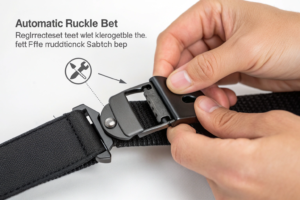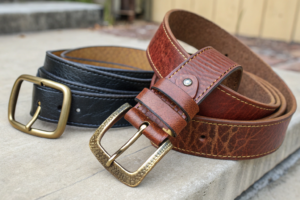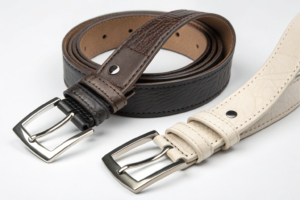
High return rates represent a significant profitability challenge in the belt industry, with fashion accessories experiencing average return rates of 15-25% compared to 8-12% for other apparel categories. The costs associated with these returns—including shipping, inspection, restocking, and potential value depreciation—can erase 5-8% of revenue for belt retailers and manufacturers. What systematic approaches can significantly reduce return rates while maintaining customer satisfaction?
Top strategies for reducing belt return rates include implementing augmented reality fitting technology, providing detailed sizing education, improving product photography accuracy, offering virtual consultation services, and creating comprehensive quality assurance protocols. Companies implementing these strategies typically achieve 30-50% reduction in return rates within 6-12 months while simultaneously increasing customer satisfaction scores by 15-25 points through better upfront alignment between customer expectations and product reality.
Reducing returns requires addressing both the informational gaps that lead to wrong purchases and the quality issues that disappoint customers. Let's examine the sizing communication improvements, visualization technologies, quality enhancements, and educational approaches that collectively minimize return rates.
How Can Enhanced Sizing Communication Reduce Returns?
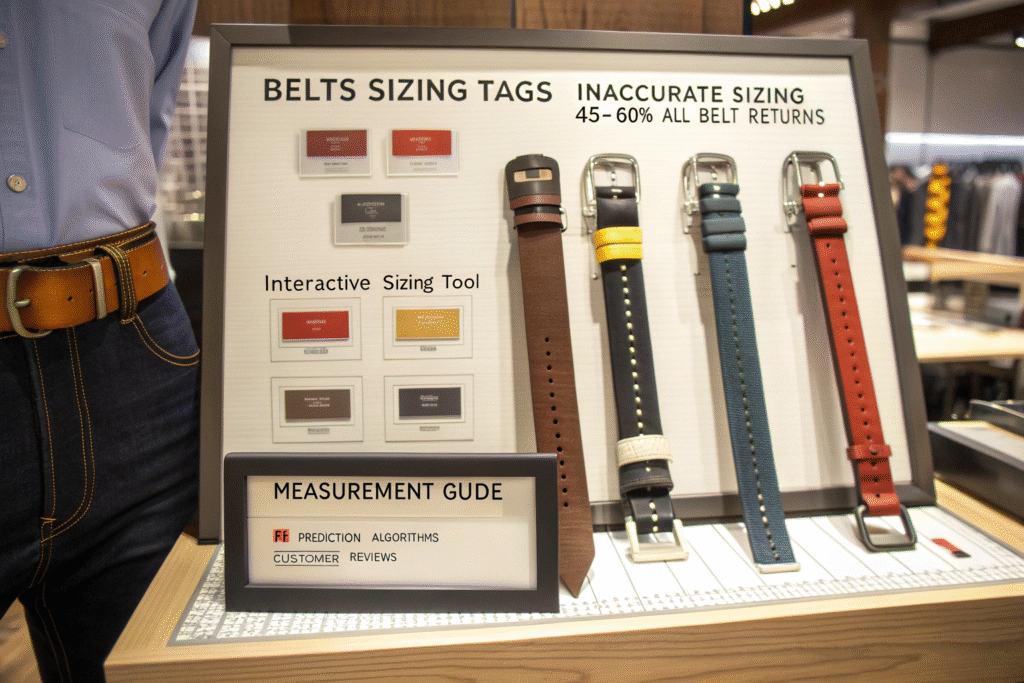
Inaccurate sizing represents the primary driver of belt returns, accounting for 45-60% of all returns in the category. Traditional sizing information fails to address the nuances that determine proper belt fit.
Enhanced sizing communication strategies include interactive sizing tools, detailed measurement guides, fit prediction algorithms, and customer review integration. These approaches transform sizing from guesswork to science.
What Makes Interactive Sizing Tools So Effective?
Interactive sizing tools reduce returns by 25-35% by guiding customers through precise measurement processes and accounting for fit preferences. The most effective tools combine waist measurement guidance with questions about wearing position (hips vs. natural waist), fit preference (snug vs. loose), and pant size correlation. Advanced systems use machine learning to refine recommendations based on return patterns, continuously improving accuracy. E-commerce data from Baymard Institute shows that interactive sizing tools can reduce size-related returns by up to 40%.
How Should Measurement Guides Be Presented for Maximum Clarity?
Measurement guides should present information through sequential visual steps, video demonstrations, printable templates, and comparison objects that customers already own. The most effective guides show exactly where and how to measure existing belts and bodies, using unambiguous reference points and multiple measurement methods to accommodate different customer scenarios. Including both metric and imperial measurements with clear conversion guides prevents international customer confusion. Usability research from Nielsen Norman Group provides best practices for measurement instruction design.
What Role Does Advanced Visualization Technology Play?
Modern visualization technologies bridge the gap between online shopping and physical product inspection, addressing the second largest cause of returns: mismatched expectations versus reality.
Advanced visualization approaches include 360-degree product views, zoomable high-resolution images, video demonstrations, augmented reality try-ons, and user-generated content integration. Each technology provides different types of product understanding.

How Does Augmented Reality Reduce Fashion Return Rates?
Augmented reality reduces fashion return rates by 22-30% by allowing customers to visualize products in their environment and on their bodies before purchasing. For belts, AR technology can show how different widths and buckle sizes look relative to body proportions, how materials drape and move, and how colors appear in various lighting conditions. The most advanced systems even simulate how belts fit with different clothing items from the customer's existing wardrobe. Research from Retail Perceptions shows that 61% of consumers prefer retailers offering AR experiences.
Why Are Multiple Product Angles Crucial for Accurate Expectations?
Multiple product angles are crucial because they reveal details that single images miss: buckle mechanism operation, edge finishing quality, material texture, thickness proportions, and how the belt curves when fastened. The most effective product photography includes macro shots of stitching and hardware, side views showing thickness, curved views demonstrating flexibility, and comparison shots with common objects for scale. Including "lifestyle" images showing the belt being worn in different contexts helps customers visualize real-world use. E-commerce analytics from Google Analytics show that products with 6+ images have 25% lower return rates than those with 1-2 images.
What Quality Assurance Improvements Minimize Returns?
Product quality issues account for 20-30% of belt returns, with complaints ranging from manufacturing defects to material quality mismatching price points. Strengthening quality control directly impacts return rates.
Quality assurance improvements include enhanced inspection protocols, material certification, durability testing, and packaging that protects products during shipping. Each element ensures customers receive products meeting their quality expectations.

How Can Enhanced Inspection Protocols Reduce Defect Returns?
Enhanced inspection protocols can reduce defect returns by 40-60% by implementing multiple checkpoints throughout manufacturing, using standardized defect classification systems, and employing trained quality inspectors. The most effective protocols include raw material inspection, in-process checks during cutting and sewing, buckle attachment verification, final comprehensive inspection, and pre-shipment audit. Implementing Statistical Process Control methods helps identify quality issues before they affect large production runs. Quality management standards from ISO 9001 provide frameworks for comprehensive quality systems.
What Role Does Material Transparency Play in Managing Expectations?
Material transparency plays a crucial role in managing expectations by providing detailed information about leather grades, hardware composition, finishing processes, and expected durability. Customers who understand that they're purchasing corrected grain leather rather than full-grain, or zinc alloy rather than solid brass, make informed decisions aligned with their quality expectations. The most effective transparency includes photographic examples of how materials age and detailed specifications about material sources and processing methods. Consumer research from Label Insight shows that 94% of consumers are likely to be loyal to brands offering complete transparency.
How Does Customer Education Impact Return Rates?
Knowledgeable customers make better purchasing decisions and have more realistic product expectations. Educational content transforms shopping from transactional to informational, reducing returns through better decision-making.
Customer education strategies include care instruction integration, styling guidance, product comparison tools, and detailed material information. Each approach addresses different aspects of customer uncertainty.

How Detailed Care Instructions Prevent Premature Returns?
Detailed care instructions prevent premature returns by educating customers about normal material characteristics that might otherwise be mistaken for defects—such as natural leather creasing, color transfer from dark leathers, or expected break-in periods for stiff belts. The most effective instructions include troubleshooting guides addressing common concerns, photographic examples of normal wear patterns, and specific guidance for different materials and environments. Educational content from the Leather Working Group provides authoritative information about leather characteristics and care.
What Styling Guidance Helps Customers Visualize Usage?
Styling guidance helps customers visualize usage by showing how belts work with different outfits, body types, and occasions. The most effective guidance includes "how to wear" videos, outfit inspiration galleries, seasonal styling suggestions, and specific recommendations for different buckle types and belt widths. This content helps customers assess whether a belt fits their personal style and wardrobe needs before purchasing. Fashion education resources from Who What Wear demonstrate effective styling communication techniques.
Conclusion
Reducing belt return rates requires a comprehensive approach that addresses sizing uncertainty, expectation mismatches, quality issues, and knowledge gaps through coordinated strategies. The most successful implementations combine technological solutions with educational content and quality improvements to create seamless customer experiences that result in right-first-time purchases.
The investment in return reduction strategies delivers significant financial returns through lower processing costs, improved customer lifetime value, and enhanced brand reputation. If you're seeking to minimize returns in your belt business and need manufacturing partners committed to quality and accurate representation, our production expertise includes specific focus on reducing return drivers. Contact our Business Director, Elaine, to discuss how we can implement these strategies in your belt collections. Reach out to Elaine at elaine@fumaoclothing.com. Let's build approaches that keep your products with customers instead of returning to warehouses.