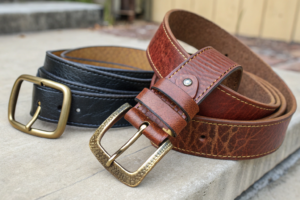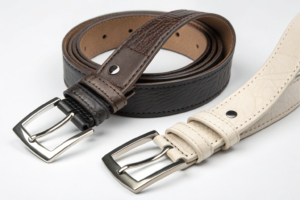
Are you paying more tariffs than necessary on belt imports from China? Many US importers are unaware of potential duty savings available through trade exclusions. This lack of knowledge costs businesses thousands of dollars annually. As an experienced manufacturer exporting to the US, we've helped numerous clients navigate these complex regulations successfully.
Calculating duty savings under US trade exclusions involves identifying applicable HTS codes, determining standard duty rates, checking for active exclusions, and calculating the difference between standard and excluded rates multiplied by your shipment value. Proper documentation and customs compliance are essential for claiming these savings on belts and fashion accessories.
Understanding these calculations can significantly impact your bottom line. We'll guide you through the precise steps to determine your potential savings. Stay with us to learn how to legally reduce your import costs and improve your competitive position in the US market.
What Are US Trade Exclusions for Belt Products?
You're likely paying standard tariff rates without realizing potential exemptions. Trade exclusions provide temporary relief from additional tariffs on specific products. For belt importers, understanding these exclusions is crucial for cost management.
US trade exclusions are specific product exemptions from Section 301 tariffs on Chinese goods. These exclusions apply to particular HTS codes and allow importers to pay lower duty rates. For fashion belts and leather accessories, certain product categories may qualify for significant duty reductions or complete exemptions.

Which HTS Codes Apply to Belt Products?
The Harmonized Tariff Schedule codes classify imported products for customs purposes. Belt products typically fall under HTS code 4203, with specific subcategories for different materials. Men's dress belts might use 4203.30.00, while women's fashion belts could fall under different classifications. Identifying the correct HTS code is the first step toward determining potential duty savings.
How Long Do These Exclusions Remain Active?
Trade exclusions have specific effective dates and expiration timelines. Most exclusions are granted for one-year periods but may be extended. The USTR periodically reviews and updates exclusion lists. Monitoring these dates is essential for maintaining your supply chain cost efficiency and avoiding unexpected duty increases when exclusions expire.
How to Identify Your Eligibility for Duty Savings?
Determining eligibility requires careful analysis of your products and current regulations. Many importers miss savings opportunities by using incorrect classifications or missing exclusion updates.
Eligibility for duty savings depends on matching your products to specific HTS codes with active exclusions. This involves verifying product descriptions, materials, and manufacturing details against exclusion criteria. For genuine leather belts versus synthetic leather belts, different exclusions may apply.

What Documentation Proves Eligibility?
Proper documentation includes commercial invoices, product descriptions, and manufacturing details that match exclusion criteria. The certificate of origin and detailed product specifications help customs officials verify your eligibility. Maintaining accurate records of your quality control processes and material sourcing can support your exclusion claims during customs reviews.
How Often Should You Review Eligibility?
Eligibility should be reviewed with every significant order and when exclusion lists update. The USTR typically announces changes quarterly. Regular reviews ensure you don't miss new savings opportunities. For seasonal belt collections and new product developments, fresh eligibility assessments can reveal additional cost-saving possibilities.
What's the Step-by-Step Calculation Process?
The calculation process involves specific mathematical steps to determine potential savings. Many importers struggle with this process, leading to either missed opportunities or compliance issues.
The calculation involves multiplying the standard duty rate by your shipment value, then subtracting the product of the exclusion rate and shipment value. This difference represents your potential savings per shipment. For bulk belt orders, these savings can be substantial.
| Calculation Step | Example Values | Description |
|---|---|---|
| Standard Duty Rate | 15% | Normal tariff rate without exclusion |
| Exclusion Duty Rate | 7.5% | Reduced rate under active exclusion |
| Shipment Value | $50,000 | Total customs value of belt shipment |
| Standard Duty Cost | $7,500 | 15% × $50,000 |
| Exclusion Duty Cost | $3,750 | 7.5% × $50,000 |
| Potential Savings | $3,750 | $7,500 - $3,750 |

How to Calculate Per-Unit Savings?
Per-unit savings help in pricing and cost analysis. Divide total savings by the number of units in your shipment. For example, if saving $3,750 on 5,000 leather belts, each belt saves $0.75. This detailed calculation assists in competitive pricing strategies and profit margin planning for your US market operations.
What Factors Affect Final Savings Amount?
Multiple factors influence final savings, including product classification accuracy, shipping method timing, and customs valuation methods. The logistics and shipping schedule can impact which exclusion rates apply if regulations change during transit. Proper customs clearance documentation ensures you realize the full calculated savings.
How to Implement These Savings in Your Supply Chain?
Identifying savings is only valuable if properly implemented. Many companies calculate potential savings but fail to execute the necessary procedural changes.
Implementation requires coordination between your purchasing, logistics, and accounting departments. Clear communication with your belt manufacturer and customs broker ensures everyone supports your duty optimization strategy. For US belt importers, this coordination is essential for consistent savings.

What System Changes Are Needed?
System changes include updating product classification databases, modifying cost calculation spreadsheets, and training staff on new procedures. Your purchase order templates should reference specific HTS codes and exclusion details. Accounting systems must track both standard and exclusion duty rates for accurate cost reporting and financial analysis.
How to Maintain Compliance While Saving?
Maintaining compliance requires thorough documentation and adherence to all customs regulations. While maximizing savings is important, proper import compliance prevents penalties and supply chain disruptions. Regular audits of your duty calculation processes ensure you remain compliant while optimizing costs for your fashion accessory imports.
Conclusion
Calculating duty savings under US trade exclusions requires careful attention to HTS codes, exclusion lists, and precise mathematical calculations. By systematically identifying eligible products, accurately calculating potential savings, and implementing proper procedures, US importers of belts and fashion accessories can significantly reduce their import costs. These savings directly improve competitive positioning and profitability in the demanding US market.
If you're looking to optimize your belt import costs while maintaining compliance, our experienced team can help. We assist clients in identifying eligible products and streamlining their import processes. Contact our Business Director, Elaine, to discuss how we can support your duty savings strategy. Reach her at elaine@fumaoclothing.com. Let's work together to maximize your import efficiency and profitability.