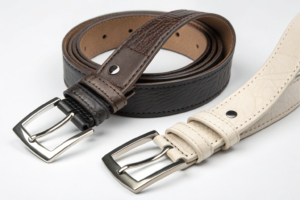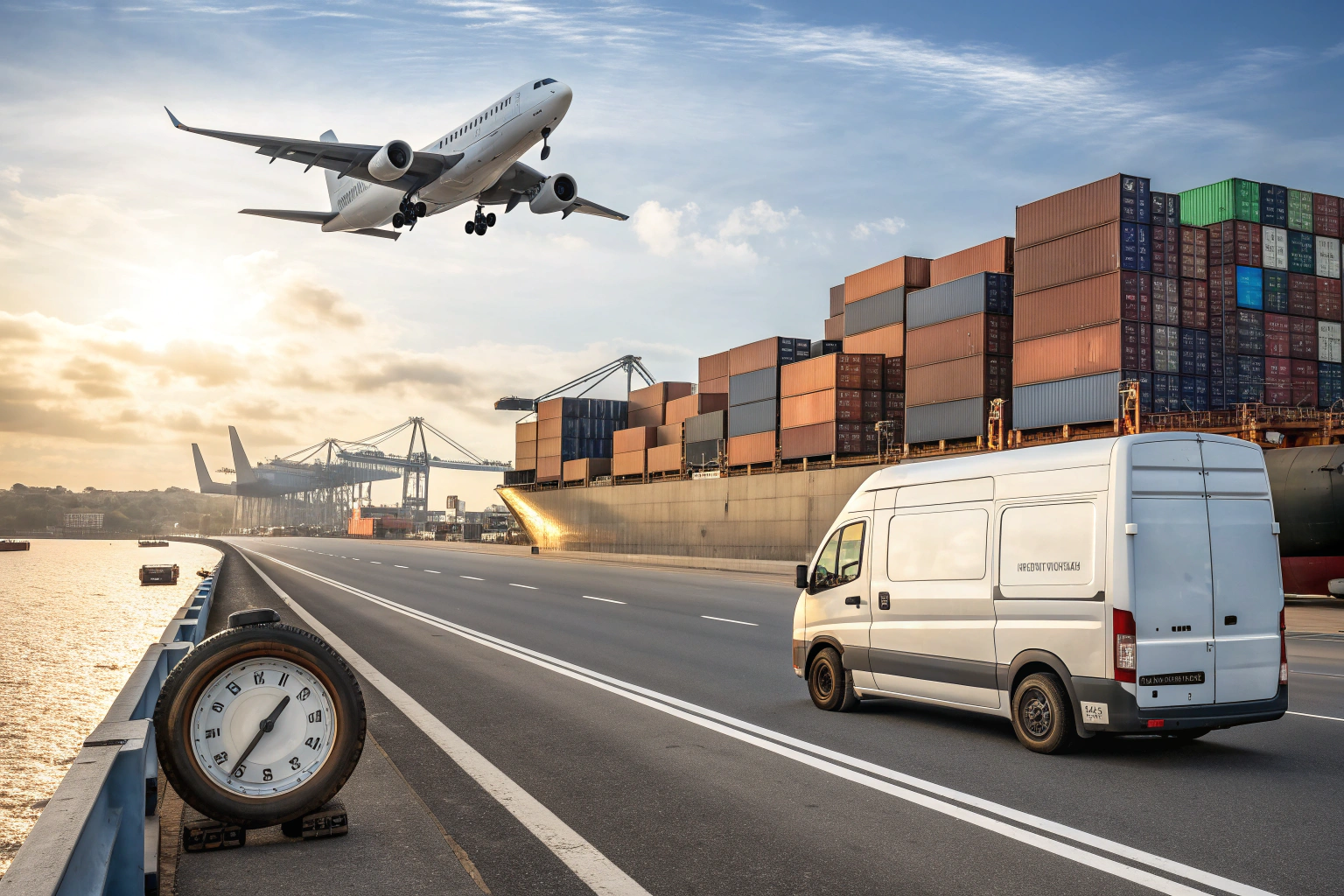
When urgent belt orders threaten to miss critical delivery deadlines, businesses face costly consequences including lost sales, production delays, and dissatisfied customers. The pressure to balance speed against budget constraints creates significant stress for supply chain managers.
The best freight options for urgent belt orders are air freight for fastest delivery, courier services for small packages, and hybrid solutions combining multiple transport modes. Air freight typically delivers within 3-7 days, courier services within 2-5 days, while hybrid options balance speed and cost for medium-sized shipments.
Choosing the right urgent shipping method requires understanding your specific timeline, budget, and order characteristics. This guide breaks down the optimal solutions for different scenarios to ensure your belts reach their destination on time.
When Should You Choose Air Freight for Urgent Shipments?
Air freight remains the gold standard for time-sensitive international shipments, offering unparalleled speed for belt orders that must reach global destinations quickly.
While often perceived as expensive, air freight provides excellent value when considering the total cost of delays, including lost sales and production stoppages. The reliability of scheduled flights makes it particularly valuable for time-critical fashion seasons and promotional events.
What Are the Actual Air Freight Transit Times?
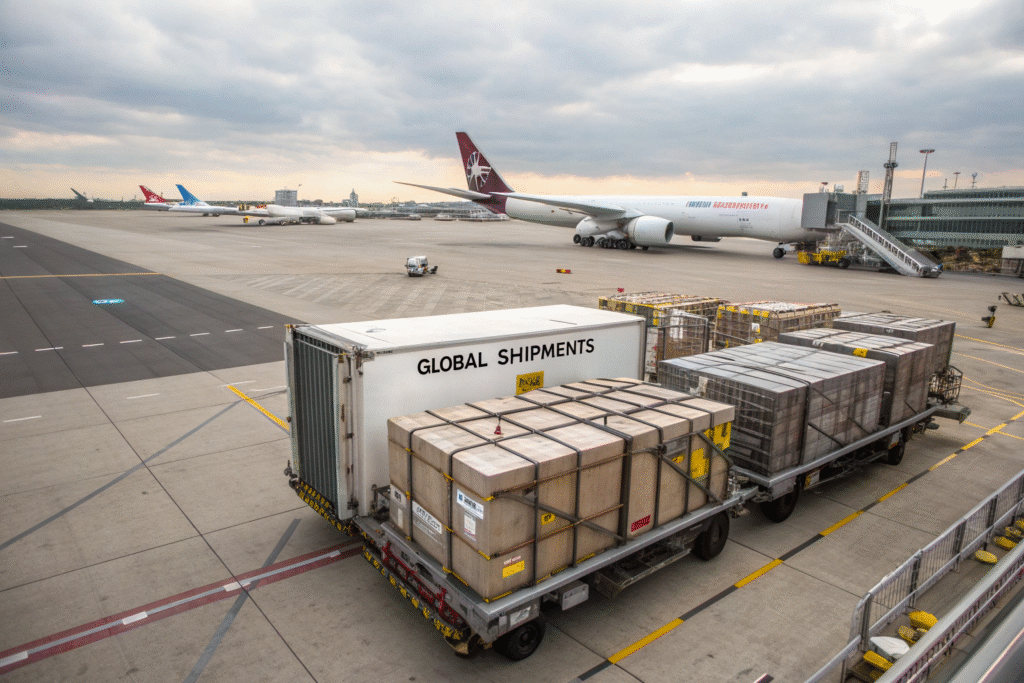
Air freight from China to major US and European hubs typically takes 3-7 days from pickup to delivery, depending on the specific route and customs clearance efficiency. Major carriers offer daily cargo flights with consistent schedules. For truly emergency situations, charter services can deliver within 48 hours, though at significantly higher costs. The predictability of air schedules makes it ideal for fashion belts tied to specific launch dates or seasonal collections.
How Much Does Air Freight Actually Cost?
Air freight costs vary based on weight, volume, and fuel prices, but generally range from $4-8 per kilogram for belt shipments from China to North America. While more expensive than sea freight, the cost becomes justifiable when considering the bigger picture. For a shipment of 500 leather belts weighing 200kg total, air freight might cost $1,200-$1,600 versus $400-$600 for sea freight—but delivers 25-30 days faster, potentially saving thousands in missed sales opportunities.
Are Courier Services Worth the Premium?
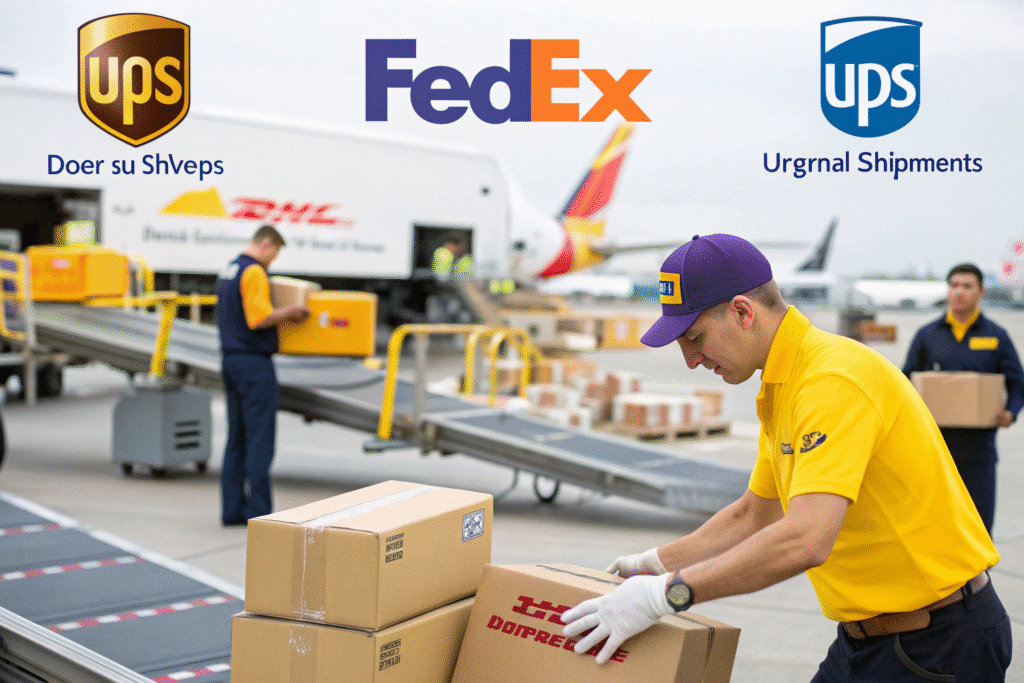
International courier services like DHL, FedEx, and UPS provide door-to-door solutions that combine speed with convenience for smaller urgent shipments.
These services excel at handling the entire shipping process, including customs clearance, making them ideal for businesses without dedicated logistics departments. Their extensive networks ensure coverage even in remote locations.
When Do Courier Services Make Financial Sense?
Courier services typically charge premium rates but offer exceptional value for shipments under 100kg. For sample orders, small batch production, or replacement parts, the convenience and speed often justify the cost. A 30kg shipment of designer belts might cost $300-500 with express services but arrive in 2-4 days versus 7-10 days for standard air freight. The integrated tracking, insurance, and customs handling reduce administrative burden and risk, particularly valuable for small to medium businesses.
What Are the Hidden Benefits of Courier Services?
Beyond speed, courier services offer comprehensive tracking, built-in insurance, and simplified documentation. Their established customs clearance processes significantly reduce the risk of delays at borders. For time-sensitive belt samples needed for buyer approvals or trade shows, this reliability is invaluable. Additionally, their last-mile delivery networks ensure packages reach recipients directly without requiring pickup arrangements at airports or warehouses.
How Can Hybrid Solutions Save Time and Money?
Hybrid shipping solutions combine multiple transport modes to optimize both cost and delivery speed for urgent but not emergency situations.
These innovative approaches leverage the strengths of different transportation methods, creating customized solutions that balance urgency with budget considerations effectively.
| Shipping Method | Typical Transit Time | Cost per kg | Best For |
|---|---|---|---|
| Air Freight | 3-7 days | $4-8 | Emergency shipments, high-value orders |
| Courier Services | 2-5 days | $8-15 | Small packages, samples, documents |
| Sea-Air Combined | 10-15 days | $2-4 | Medium urgency, cost-sensitive larger orders |
| Express LCL | 15-20 days | $1.5-3 | Less urgent bulk orders with some time sensitivity |
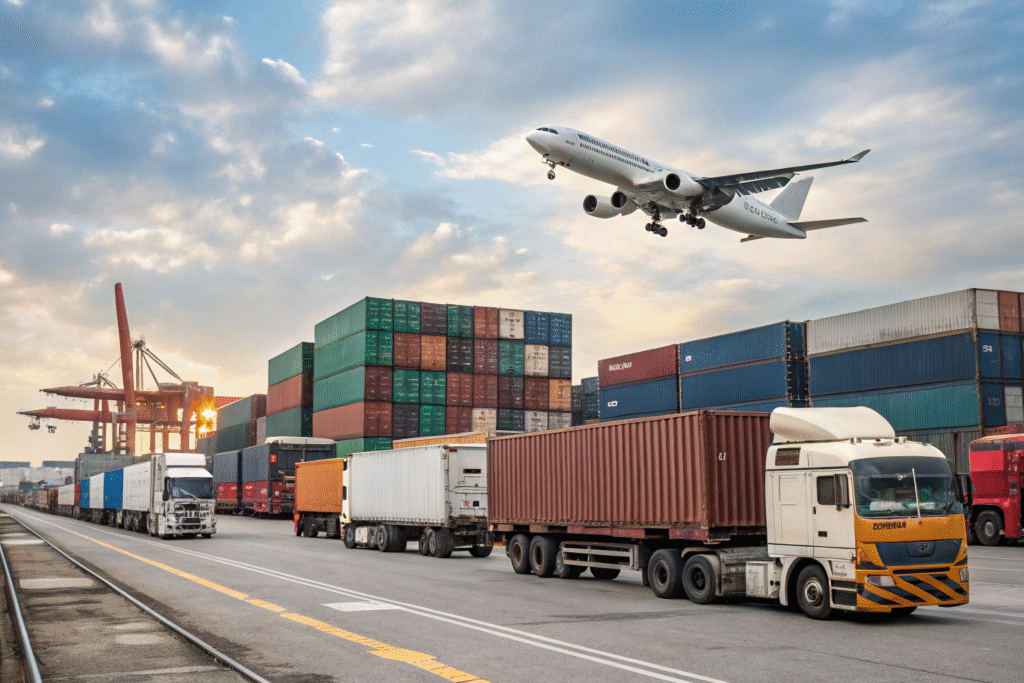
What is Sea-Air Combination Shipping?
Sea-air combination involves shipping containers by sea to a regional hub, then transferring to air freight for the final leg. This approach cuts transit time by approximately 40% compared to pure sea freight while costing 30-50% less than direct air freight. For urgent belt orders of 500-2,000 units where absolute minimum transit time isn't critical but significant acceleration is needed, this balanced approach delivers excellent value.
How Does Express LCL Service Work?
Express LCL (Less than Container Load) services consolidate multiple shippers' urgent smaller shipments into dedicated containers with priority handling and faster vessel routing. While slower than air options, these services typically save 7-10 days compared to standard LCL sea freight. For businesses needing to replenish belt inventory quickly but working within tighter budgets, express LCL provides a cost-effective middle ground between air and standard sea freight.
What Documentation Accelerates Urgent Shipments?
Proper documentation preparation is crucial for avoiding customs delays that can negate the speed advantages of premium shipping methods.
Even the fastest air freight can be delayed for days by incomplete or incorrect paperwork. Having documents prepared in advance ensures smooth customs clearance and maximizes the value of urgent shipping investments.
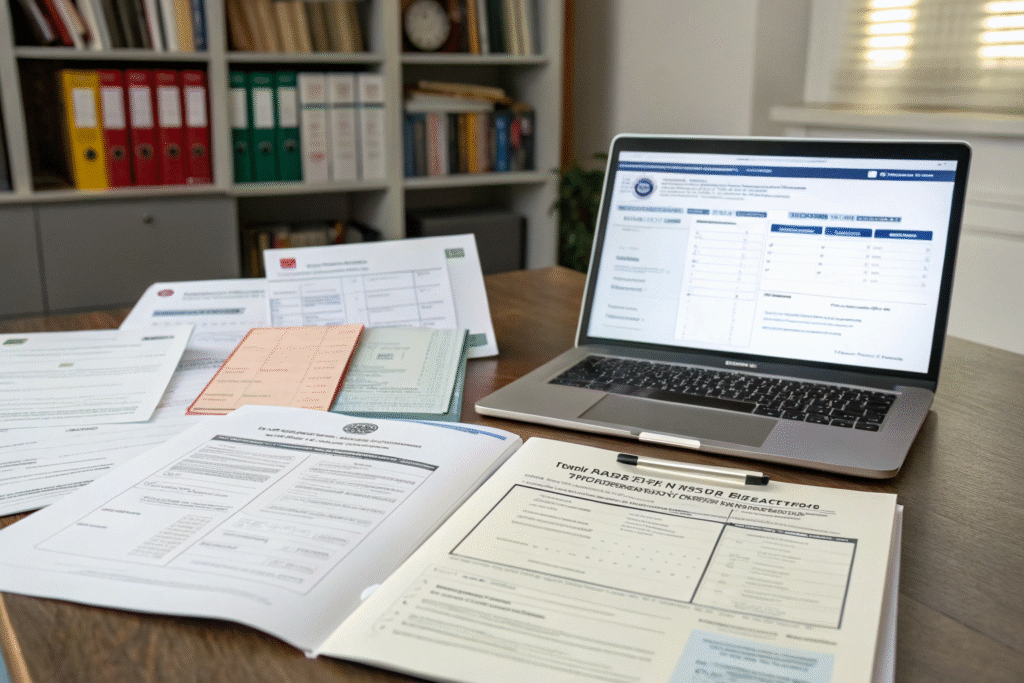
Which Documents Are Most Critical for Speed?
The commercial invoice, packing list, and certificate of origin require particular attention for urgent shipments. The commercial invoice must accurately describe the leather belts or fashion accessories, including material composition, value, and harmonized system codes. Incomplete descriptions or valuation discrepancies are among the most common causes of customs delays. Having these documents prepared electronically before shipment pickup can save 24-48 hours in processing time.
How Can Technology Streamline Documentation?
Modern shipping platforms and electronic data interchange systems can pre-submit documentation to customs authorities before physical arrival of goods. Many freight forwarders now offer digital platforms where shippers can upload documents directly, reducing processing time. For repeat belt shipments to the same destination, maintaining template documents with pre-approved product descriptions significantly accelerates each subsequent shipment.
Conclusion
Selecting the optimal freight option for urgent belt orders requires careful evaluation of both visible and hidden factors. Air freight delivers maximum speed for true emergencies, courier services offer convenience for smaller shipments, while hybrid solutions provide balanced value for medium-urgency situations. The key is matching the shipping method to your specific timeline requirements and budget constraints while ensuring proper documentation to prevent avoidable delays.
At StylishBelts, we help our partners navigate these complex logistics decisions every day. Our experienced project managers can recommend the most efficient shipping solution for your urgent belt orders, balancing speed and cost while handling all documentation and customs requirements. Contact our Business Director, Elaine, for assistance with your next time-sensitive shipment: elaine@fumaoclothing.com.