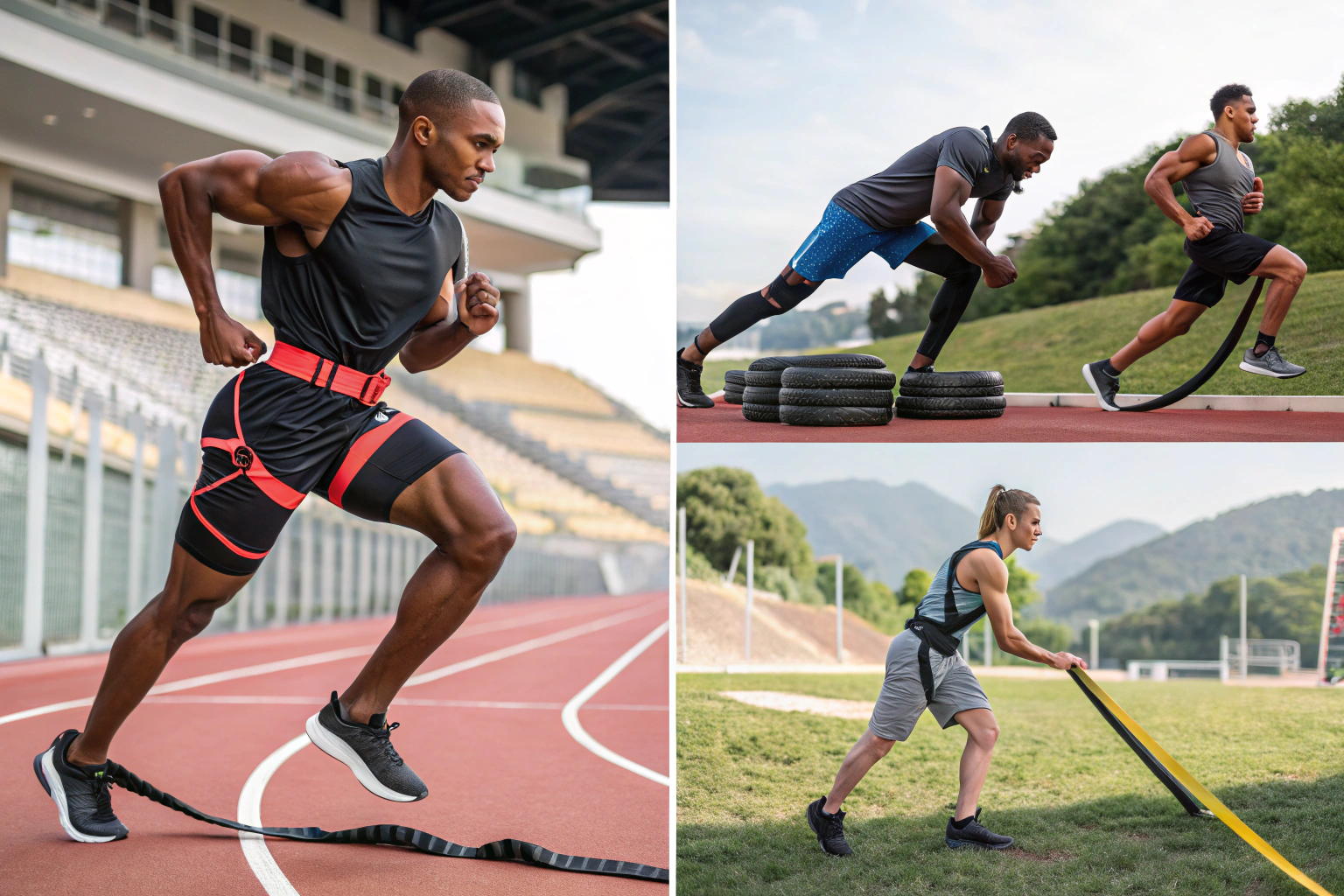
Athletes and fitness enthusiasts know the discomfort of a sweat-soaked belt during intense activity. Traditional leather or cotton belts become heavy, abrasive, and odorous when wet, compromising performance and comfort. This common problem affects everyone from casual gym-goers to professional athletes.
Quick-dry nylon belts are ideal for sports apparel because they combine rapid moisture evaporation, lightweight durability, and flexible comfort. Unlike traditional materials that absorb and retain sweat, nylon's synthetic fibers wick moisture away from the body and facilitate extremely fast drying times. This technical performance, combined with practical benefits like minimal maintenance and odor resistance, makes nylon the superior choice for active wear.
The sports apparel market continues to prioritize technical functionality, and quick-dry nylon belts deliver exactly what active consumers need. Understanding the material science behind nylon's performance, along with its practical advantages across various sports, reveals why this humble accessory deserves attention in any sports-focused collection.
What Material Properties Make Nylon Superior for Active Use?
Nylon's molecular structure gives it inherent advantages for sports applications. Developed in the 1930s as a synthetic silk alternative, nylon has evolved into a high-performance technical fabric. Its polymer chain structure creates strong, smooth fibers that naturally resist water absorption while maintaining strength when wet.
The quick-dry capability stems from nylon's hydrophobic nature and large surface area. Unlike cotton which absorbs up to 27 times its weight in water, nylon absorbs less than 10% while moving moisture across its surface through capillary action. This means sweat evaporates rather than being stored against the skin. Additionally, nylon fibers maintain their tensile strength when wet, unlike many natural fibers that weaken with moisture exposure.

How Does Nylon's Moisture Management Compare to Other Materials?
Nylon outperforms both natural and synthetic alternatives in moisture management. Compared to cotton's 40+ minute drying time, nylon typically dries in 5-10 minutes depending on weave density and environmental conditions. Even compared to other synthetics like polyester, nylon's slightly higher water absorption rate (4-8% vs 0.4-1% for polyester) actually enhances its wicking capability through better capillary action.
The moisture transport mechanism in nylon involves both capillary action between fibers and diffusion through micro-pores in the fabric construction. Advanced weaves create directional wicking that moves moisture from the inside (skin contact) to the outside (evaporation surface) efficiently. This scientific principle explains why nylon belts remain comfortable during high-sweat activities while leather or cotton equivalents become saturated and uncomfortable.
What Mechanical Properties Benefit Sports Applications?
Nylon's exceptional strength-to-weight ratio makes it ideal for belts that need to withstand pulling and tension without adding bulk. With a tensile strength of approximately 40,000-80,000 psi (compared to leather's 2,000-5,000 psi), nylon webbing provides reliable performance even in thin, lightweight constructions. This allows for slim belt profiles that don't interfere with movement or layered clothing.
The material's flexibility and abrasion resistance ensure long-term durability despite repeated bending, twisting, and contact with equipment. Nylon's natural elasticity (15-30% stretch capability) provides comfortable give during dynamic movements while maintaining secure fit. These mechanical advantages explain why nylon has become the material of choice for safety harnesses, climbing gear, and other performance applications where failure isn't an option.
How Do Quick-Dry Belts Enhance Specific Sports Performance?
Different athletic activities place unique demands on accessories. Quick-dry nylon belts provide specific benefits across various sports, from combat sports where moisture management is crucial to outdoor activities where temperature regulation matters. Understanding these sport-specific advantages helps in marketing the right features to each customer segment.
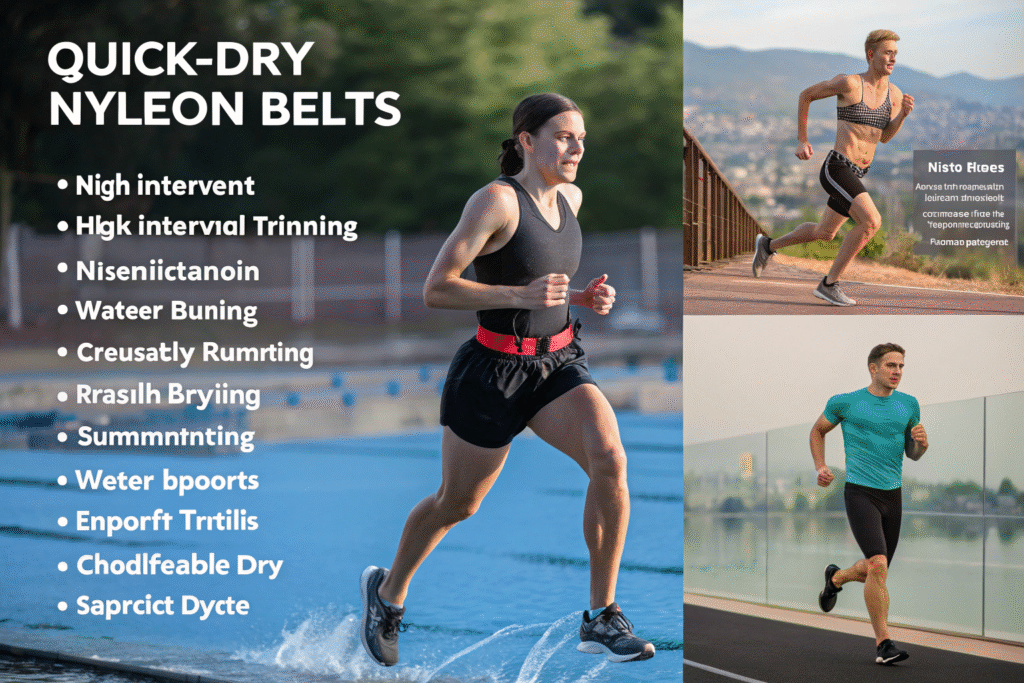
For high-intensity interval training and CrossFit, quick-dry belts prevent the chafing and discomfort that often derail workouts. In running and trail sports, the lightweight nature reduces energy expenditure over long distances. For water sports and swimming, rapid drying prevents post-activity discomfort and equipment damage. The versatility across activities makes nylon belts ideal for multi-sport athletes.
What Advantages Do Nylon Belts Offer for Combat Sports?
In martial arts, boxing, and wrestling, traditional leather belts become heavy and abrasive when saturated with sweat. This not only causes discomfort but can interfere with technique and safety. Quick-dry nylon belts maintain consistent weight and surface texture regardless of sweat exposure, providing reliable performance throughout training sessions or matches.
The hygienic properties are particularly important in combat sports with close physical contact. Nylon's resistance to microbial growth reduces odor development compared to organic materials that can harbor bacteria in their fibrous structure. The easy cleaning (most nylon belts can be machine washed) ensures proper sanitation between uses, addressing a common concern in shared training environments.
How Do Outdoor Athletes Benefit from Quick-Dry Properties?
Hikers, climbers, and trail runners face variable weather conditions where quick-drying gear can prevent hypothermia risks. A wet traditional belt against the core can significantly increase heat loss, while a quick-dry nylon belt minimizes this risk by rapidly shedding moisture. This temperature regulation benefit becomes crucial in wilderness settings where conditions can change rapidly.
The UV resistance of nylon (particularly solution-dyed varieties) prevents degradation and color fading during extended sun exposure. Unlike leather that can become brittle when exposed to sun and moisture cycles, nylon maintains its flexibility and strength. This weather resistance makes nylon belts ideal for adventure sports where equipment reliability directly impacts safety and enjoyment in challenging environments.
What Design Features Complement Nylon's Technical Properties?
The material alone doesn't create the perfect sports belt—thoughtful design maximizes nylon's inherent advantages. From buckle mechanisms that won't corrode to stitching that withstands repeated stress, every element must align with the demands of active use. The most successful designs integrate multiple features that work together seamlessly.
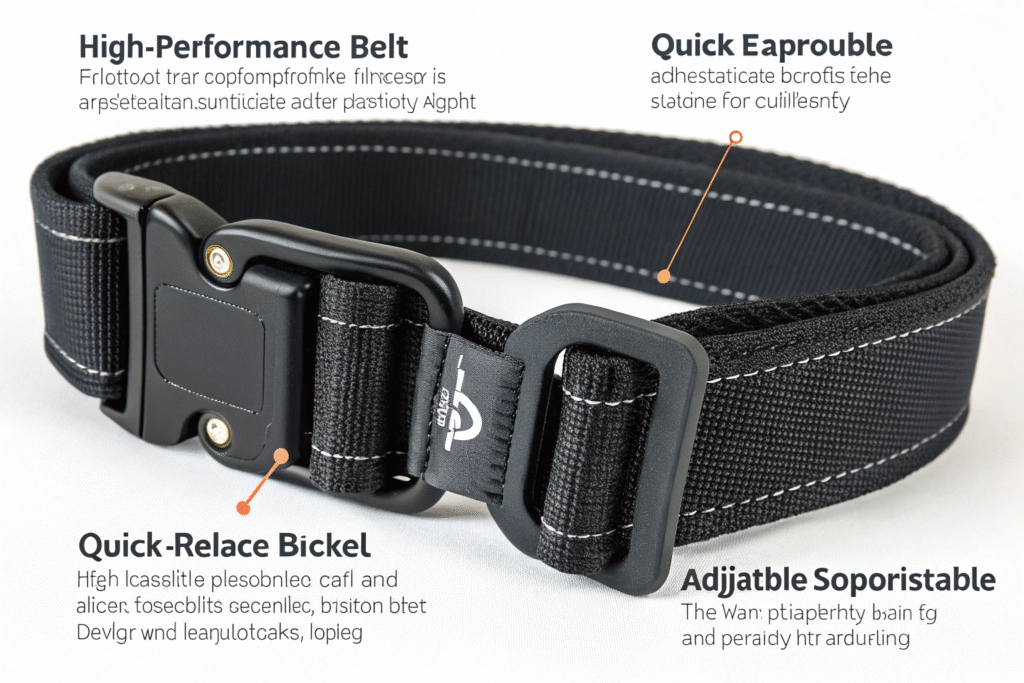
Quick-release buckles, adjustable sliding mechanisms, and low-profile designs characterize high-performance nylon belts. These features address common frustrations athletes experience with traditional belts, such as difficulty adjusting during activity, bulky hardware that digs into the body, or complicated fastening systems that slow transitions between activities.
Which Buckle Systems Work Best with Nylon Webbing?
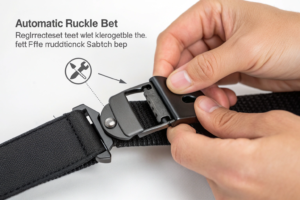
Slide buckles (often called ladderlock or side-release buckles) provide secure, micro-adjustable fit without traditional holes that can weaken the webbing. These systems allow precise tension control and easy one-handed operation—valuable features during activities where attention is focused elsewhere. The best designs use reinforced bar-tacking at stress points to prevent pull-out under load.
For applications requiring rapid removal, quick-release buckles with push-button mechanisms offer instant release while maintaining security during activity. These buckles typically feature glass-filled nylon construction that provides strength comparable to metal without the weight or corrosion concerns. The corrosion resistance is particularly valuable for athletes with high salinity sweat or those participating in water sports.
How Does Weave Pattern Affect Performance and Comfort?
The weave pattern significantly influences both technical performance and subjective comfort. Herringbone and diamond weaves offer excellent strength-to-weight ratios while maintaining flexibility. Twill weaves provide a smoother surface against the skin, reducing friction and potential irritation during repetitive movements.
Advanced weaves incorporate channels or texture variations that enhance moisture distribution and evaporation. Some performance belts feature dual-layer construction with different weave patterns on inner and outer surfaces—a tighter weave inside for comfort against skin and a more open weave outside for maximum evaporation. Understanding these textile engineering principles helps in selecting the optimal construction for specific sports applications and price points.
How Do Maintenance Requirements Compare to Traditional Belts?
The practical care requirements significantly influence long-term user satisfaction. Quick-dry nylon belts require fundamentally different maintenance than traditional leather or woven fabric belts, with advantages in simplicity, speed, and cost. These practical benefits often become deciding factors for athletes with limited time for gear maintenance.
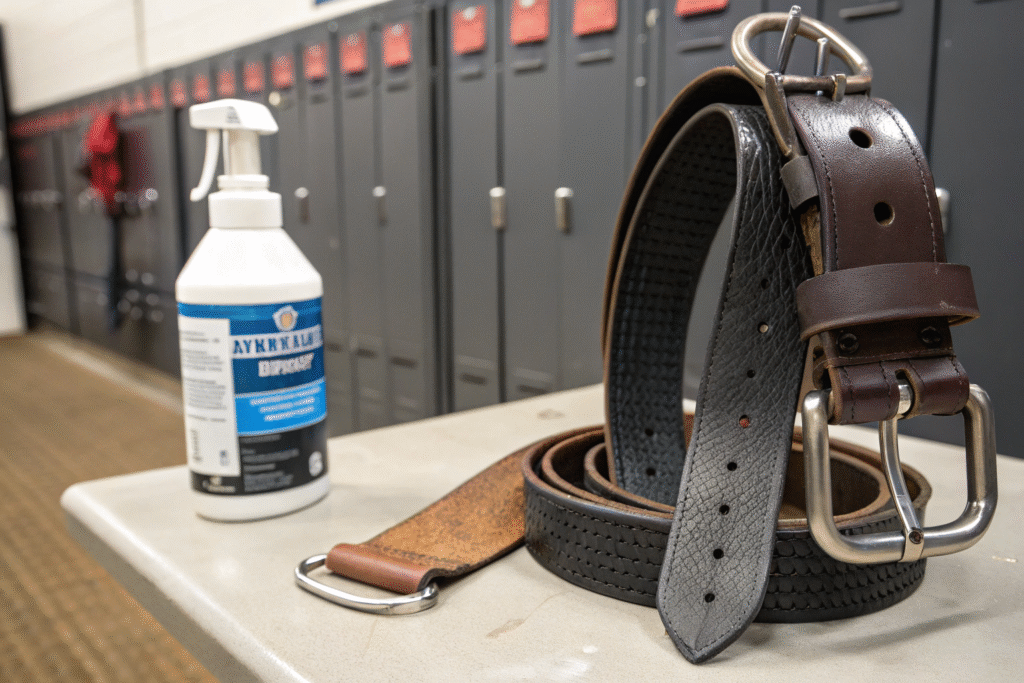
Unlike leather belts that require conditioning, careful drying, and specialized cleaners, nylon belts typically need only simple washing and air drying. This reduced maintenance burden aligns with the busy lifestyles of most athletes while ensuring the belt remains hygienic and functional throughout its lifespan.
What Cleaning Methods Preserve Nylon's Performance?
Machine washing in cold water with mild detergent effectively cleans nylon belts without damaging the fibers. The quick-dry properties mean belts can be washed and ready for use within hours rather than days. Unlike leather that can be damaged by improper drying, nylon withstands air drying without degradation—though direct high heat should be avoided as it can weaken fibers over time.
For between-wear freshness, simple rinsing under running water removes salt residues and surface dirt. The non-absorbent nature of nylon means odors don't penetrate deeply as they can with organic materials. This easy maintenance routine fits seamlessly into post-workout routines, increasing the likelihood that users will maintain proper hygiene practices with their gear.
How Does Long-Term Durability Impact Cost-Per-Use?
The initial investment in a quality quick-dry nylon belt often delivers better long-term value than traditional alternatives. While leather belts may crack, warp, or develop permanent odor issues over time, properly maintained nylon belts can maintain their appearance and functionality for years of regular use. This extended lifespan significantly reduces cost-per-use calculations.
The colorfastness of solution-dyed nylon (where color is integrated during fiber production rather than applied later) prevents the fading that plagues many sports accessories. This manufacturing process creates superior color retention that maintains professional appearance despite repeated washing and sun exposure. For team sports or branded apparel programs, this consistency across replacements represents significant value.
Conclusion
Quick-dry nylon belts represent the convergence of material science, practical design, and user needs in sports apparel. Their superior moisture management, durable construction, and low-maintenance requirements solve multiple problems athletes face with traditional belt materials. The technical advantages translate directly into comfort, performance, and convenience benefits that active consumers increasingly demand.
The versatility of quick-dry nylon belts across different sports and activity levels makes them valuable additions to any sports apparel collection. From casual fitness enthusiasts to professional athletes, users appreciate gear that performs reliably while requiring minimal special care. As sports apparel continues evolving toward technical solutions, quick-dry nylon belts offer accessible innovation with immediate benefits.
Ready to enhance your sports apparel line with quick-dry nylon belts? Contact our Business Director, Elaine, at elaine@fumaoclothing.com to discuss developing high-performance belt solutions that meet the demands of today's active consumers.