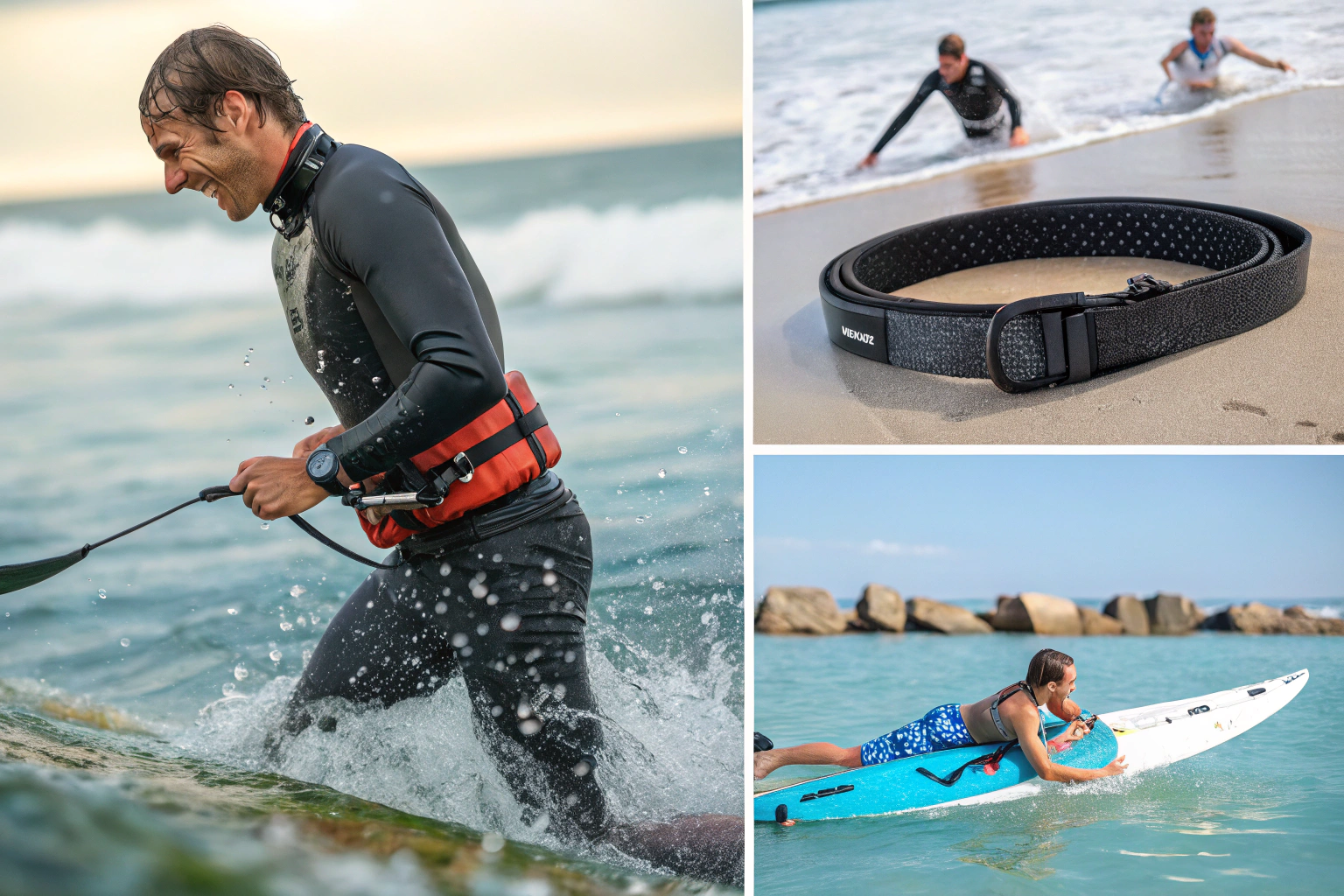
Finding belts that withstand water exposure while maintaining style and function presents unique challenges. Traditional leather belts warp, crack, and develop odors when exposed to water, while standard synthetic belts often lack the durability needed for active water sports. The market demands solutions that bridge performance and aesthetics.
Waterproof belts for aquatic activities require specialized materials, construction methods, and testing protocols. The most effective options include marine-grade nylon webbing, polyurethane-coated fabrics, natural rubber, and technical synthetics with welded seams. Successful sourcing involves identifying suppliers with specific expertise in water-resistant accessories and verifying their claims through independent testing.
The global water sports accessories market is projected to reach $5.2 billion by 2028, with belts representing a growing segment. Understanding material science, manufacturing processes, and quality verification separates reliable suppliers from those making unsubstantiated claims. This guide provides a comprehensive approach to sourcing belts that perform in aquatic environments.
What Materials Provide True Waterproof Performance?
Material selection forms the foundation of waterproof belt performance. Not all water-resistant materials qualify as truly waterproof, and understanding the distinctions prevents sourcing disappointments. The best materials combine impermeability with flexibility, durability, and comfort.
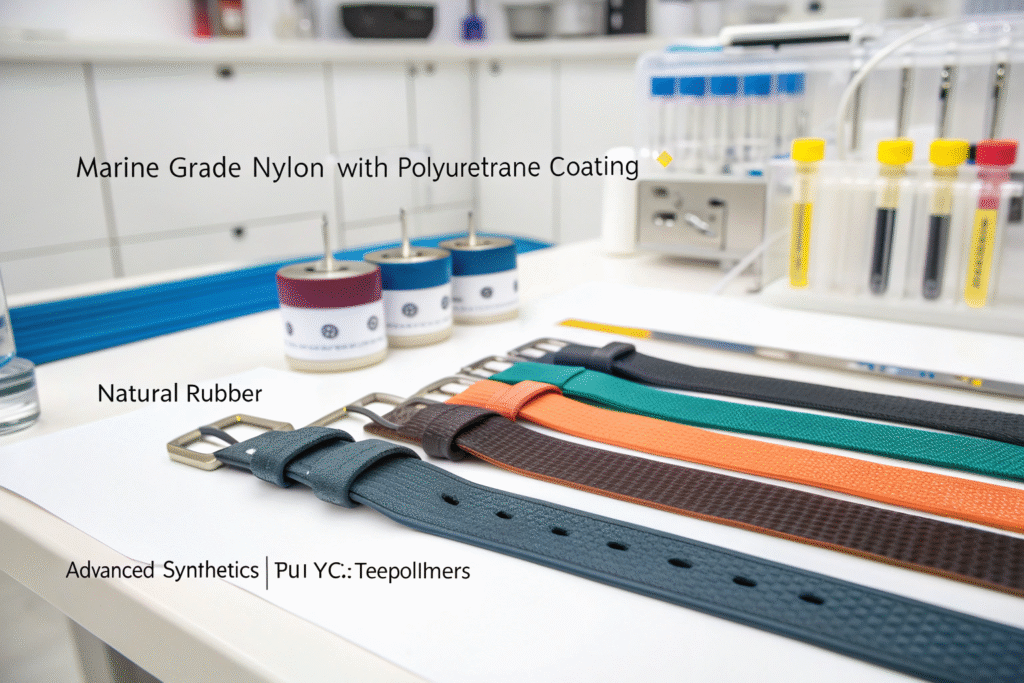
Marine-grade nylon with polyurethane coating offers excellent waterproof characteristics while maintaining flexibility. Natural rubber provides complete water impermeability but may lack breathability. Advanced synthetics like TPU (Thermoplastic Polyurethane) and PVC-free polymers balance environmental concerns with performance needs. Each material serves different aquatic activities and price points.
How Do Coated Fabrics Compare to Solid Materials?
Coated fabrics like PU-coated nylon create a waterproof barrier while maintaining the strength and flexibility of the base fabric. The coating process involves applying a polyurethane layer to one or both sides of the fabric, creating a seamless protective barrier. The quality of coating determines longevity, with premium versions resisting peeling and cracking through repeated wet-dry cycles.
Solid materials like vulcanized rubber provide inherent waterproof characteristics without coatings that can degrade. However, solid rubber belts may become uncomfortable during extended wear due to lack of breathability. The American Society for Testing and Materials provides standards for coated fabric durability that help verify supplier claims about coating quality and expected lifespan.
What Material Certifications Verify Waterproof Claims?
ISO 811 for waterproofness specifies testing methods for water penetration resistance. Materials passing this standard withstand specific water pressure without leakage. For saltwater environments, ISO 105-E06 tests colorfastness to sea water, ensuring belts maintain appearance despite repeated saltwater exposure.
The Blue Sign certification indicates environmentally responsible manufacturing of waterproof textiles, important for brands emphasizing sustainability. OEKO-TEX Standard 100 certification ensures materials contain no harmful substances, crucial for products in direct skin contact during water activities. These certifications provide independent verification beyond supplier claims.
Which Construction Methods Ensure Lasting Waterproof Integrity?
Material selection alone doesn't guarantee waterproof performance—construction methods determine how well belts withstand aquatic environments. Seam construction, hardware attachment, and edge finishing all impact water resistance and overall durability.
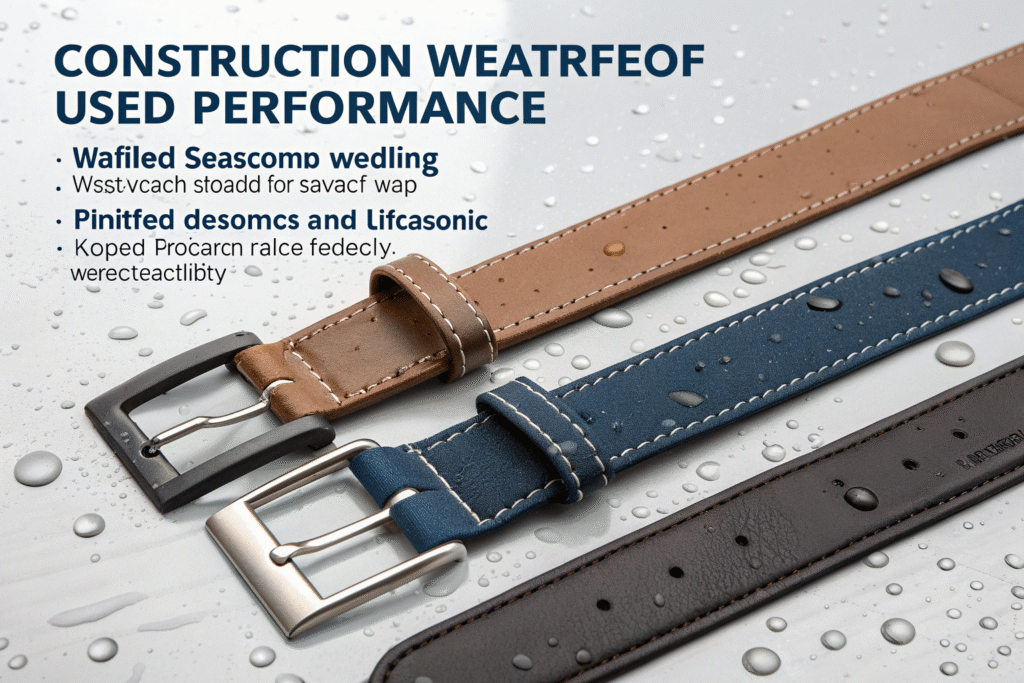
Welded seams create waterproof bonds by melting material edges together, eliminating needle holes that allow water penetration. Ultrasonic welding uses high-frequency vibrations to fuse synthetic materials seamlessly. For materials that cannot be welded, sealed seams with waterproof tape provide reliable alternatives when properly executed.
How Does Hardware Selection Impact Water Resistance?
Hardware represents potential failure points in waterproof belts. Stainless steel 316 (marine-grade) offers the best corrosion resistance for saltwater environments. Plastic buckles eliminate corrosion concerns entirely but must demonstrate sufficient strength for their intended use.
The hardware attachment method significantly impacts waterproof integrity. Rivets require gaskets or sealing compounds to prevent water penetration at attachment points. Molded-in hardware creates seamless integration but limits design flexibility. Understanding these marine hardware considerations helps evaluate supplier capabilities for different aquatic applications.
What Testing Methods Verify Construction Quality?
Static immersion testing submerges finished belts in water for specified periods (typically 24-72 hours) while monitoring for water penetration. Dynamic testing simulates actual use conditions, including flexing while wet and rapid temperature changes that accelerate failure in poorly constructed products.
The International Marine Certification Institute provides testing protocols specifically for marine accessories. For belts used in professional or safety applications, third-party verification through organizations like UL or DNV adds credibility to waterproof claims. Reputable suppliers provide test reports documenting performance under standardized conditions.
How to Identify Specialized Waterproof Belt Suppliers?
Finding suppliers with genuine expertise in waterproof accessories requires looking beyond general leather goods manufacturers. Specialized suppliers demonstrate specific knowledge of material science, manufacturing techniques, and testing protocols unique to aquatic products.
The most reliable suppliers typically serve multiple markets requiring waterproof goods, including marine safety equipment, outdoor gear, and military supplies. This diversified experience indicates robust capabilities rather than opportunistic responses to market trends. Their technical teams understand how materials behave in different water conditions and temperatures.
What Questions Separate Experts from Generalists?
Ask specific technical questions about material composition, seam construction, and testing protocols. Expert suppliers provide detailed answers about polymer types, coating thickness, welding parameters, and independent verification. Generalists often deflect with vague claims or focus exclusively on aesthetics.
Request information about material supply chain transparency for waterproof components. Knowledgeable suppliers trace materials back to specific mills and chemical providers, ensuring consistent quality. They understand how material variations affect performance in different aquatic environments from freshwater lakes to saltwater oceans.
How Do Factory Audits Verify Waterproof Capabilities?
Onsite audits reveal manufacturing practices that datasheets conceal. Observe cleanroom conditions for waterproof product assembly, proper equipment maintenance, and quality control checkpoints. Specifically examine seam welding stations, coating application areas, and water testing facilities.
During audits, request demonstration of waterproof testing procedures. Reputable facilities conduct batch testing rather than occasional spot checks. Verify calibration records for testing equipment and review failure analysis procedures. The quality management systems in place should specifically address waterproof product manufacturing rather than generic quality processes.
What Design Considerations Balance Function and Fashion?
Waterproof belts must satisfy technical requirements while meeting aesthetic expectations. The best designs integrate performance features seamlessly rather than adding them as obvious afterthoughts. Understanding how to balance these sometimes competing priorities separates successful products from compromised ones.
Color selection requires understanding how pigments and dyes interact with waterproof coatings. Dark colors generally maintain appearance better despite UV exposure and potential mold growth in constantly wet environments. However, brighter colors serve safety functions in open water applications.
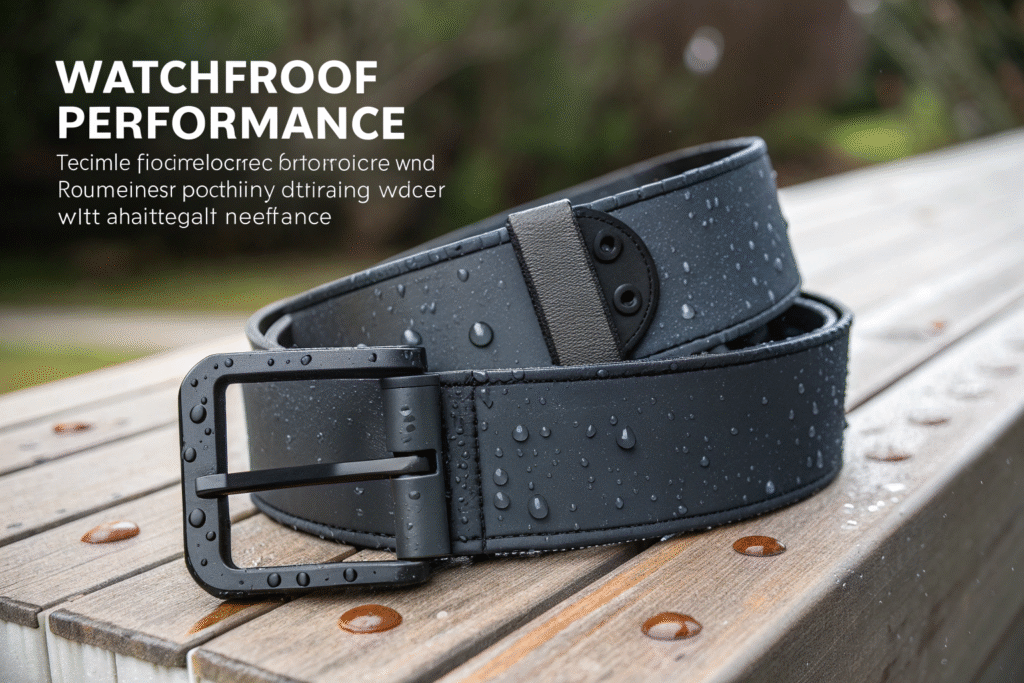
How Do You Maintain Style in Technical Waterproof Belts?
Minimalist hardware designs reduce corrosion points while maintaining contemporary aesthetics. Hidden rivets and streamlined buckles create clean profiles that work across casual and technical contexts. Incorporating style elements through embossed patterns or colored stitching adds visual interest without compromising waterproof integrity.
The principles of functional design emphasize honest expression of materials and purpose. Waterproof belts should look appropriate for their intended use rather than mimicking traditional leather belts. This design integrity resonates with consumers seeking authentic technical products rather than fashion items with watered-down performance claims.
What Sizing Considerations Differ from Regular Belts?
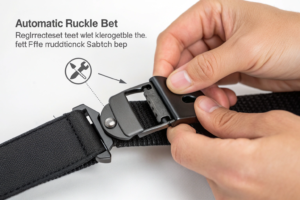
Waterproof belts often require different sizing approaches since they're frequently worn over wetsuits or waterproof clothing. Adjustable designs with longer tails accommodate layering needs. Quick-adjust systems using ladderlock or slide buckles allow easy resizing during activities as layers are added or removed.
Consider the specific aquatic activity when determining size ranges. Surfing belts might need to accommodate 3-5mm wetsuit thickness, while sailing belts might be worn over waterproof foul weather gear. Providing detailed sizing guidance based on actual use cases prevents returns and improves customer satisfaction with technically specialized products.
Conclusion
Sourcing waterproof belts for aquatic activities requires specialized knowledge of materials, construction methods, and supplier capabilities. The most successful products balance technical performance with aesthetic appeal, delivering genuine waterproof characteristics without compromising style or comfort.
The growing market for water sports accessories presents significant opportunities for brands that understand the specific requirements of aquatic environments. By focusing on verified waterproof performance rather than superficial water resistance, brands can build credibility in this technical segment while delivering products that genuinely meet user needs.
Ready to develop waterproof belts for aquatic activities? Contact our Business Director, Elaine, at elaine@fumaoclothing.com to discuss our specialized capabilities in waterproof manufacturing and how we can help create products that perform in demanding water environments.