Leather belt manufacturers face significant material costs, with hides representing 40-60% of production expenses. The difference between a 70% yield rate and an 85% yield rate can determine profitability in competitive markets. Understanding what factors control these yield percentages is essential for cost management and operational efficiency.
Yield rates in leather belt cutting are determined by hide quality selection, cutting pattern efficiency, defect management strategies, technological capabilities, and operator skill levels. The most successful manufacturers optimize across all these areas, achieving consistent yield rates of 80-85% compared to industry averages of 65-75%. This 10-20% improvement directly impacts profitability while maintaining quality standards.
The global leather goods market faces increasing material costs and sustainability pressures, making yield optimization increasingly crucial. This guide examines the specific factors that separate manufacturers achieving superior yield rates from those struggling with material waste and inconsistent results.
How Does Hide Selection Impact Cutting Yield?
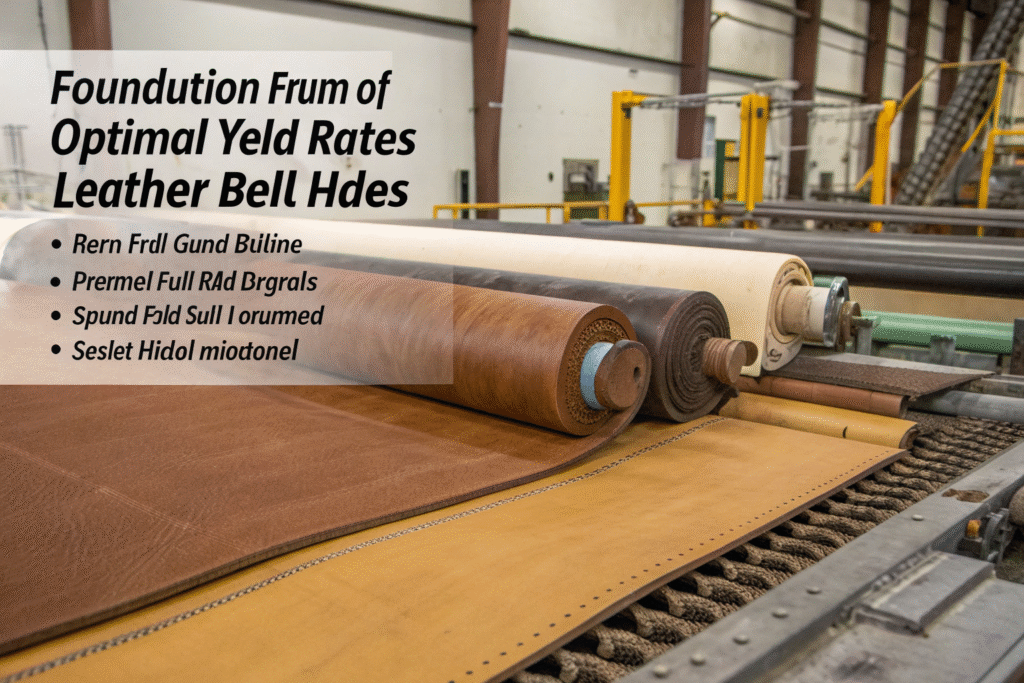
The foundation of optimal yield rates begins with raw material selection. Not all leather hides are created equal, and choosing the right hides for specific belt types significantly impacts how much usable material can be obtained. Understanding hide characteristics and their relationship to final product requirements is the first step toward yield optimization.
Premium full-grain hides with minimal defects naturally produce higher yields but command premium prices. The economic balance involves matching hide quality to belt positioning—using superior hides for high-value products where defect-free appearance justifies the cost, while utilizing graded hides with more natural markings for casual or textured belts where characteristics can be incorporated into the design.
What Hide Characteristics Most Affect Usable Area?
The tightness of the fiber structure, particularly in the butt area where density is highest, determines how well leather withstands cutting and finishing processes. Loose belly areas often produce lower yields due to stretching during cutting and potential durability issues in finished belts. The size and consistency of hide dimensions directly impact pattern nesting efficiency.
Natural markings like brands, scars, and vein marks reduce usable area but can be strategically managed. The Leather Working Group's guidelines provide standardized approaches to hide grading that help manufacturers predict yield rates before purchasing. Understanding these grading systems allows for accurate yield forecasting and appropriate pricing of raw materials.
How Should Hides Be Matched to Specific Belt Types?
Butt leather sections with tight grains and minimal defects are ideal for dress belts requiring smooth, uniform appearance. Shoulder areas with more texture work well for casual belts where character marks enhance the aesthetic. Belly sections, while lower in yield, can be utilized for shorter belts, children's sizes, or accessory items.
The practice of hide mapping—documenting the exact location and characteristics of each hide section—enables strategic placement of cutting patterns to maximize yield. Advanced manufacturers use digital hide mapping systems that record defect locations and automatically optimize pattern placement during the cutting process.
What Cutting Technologies Maximize Material Utilization?
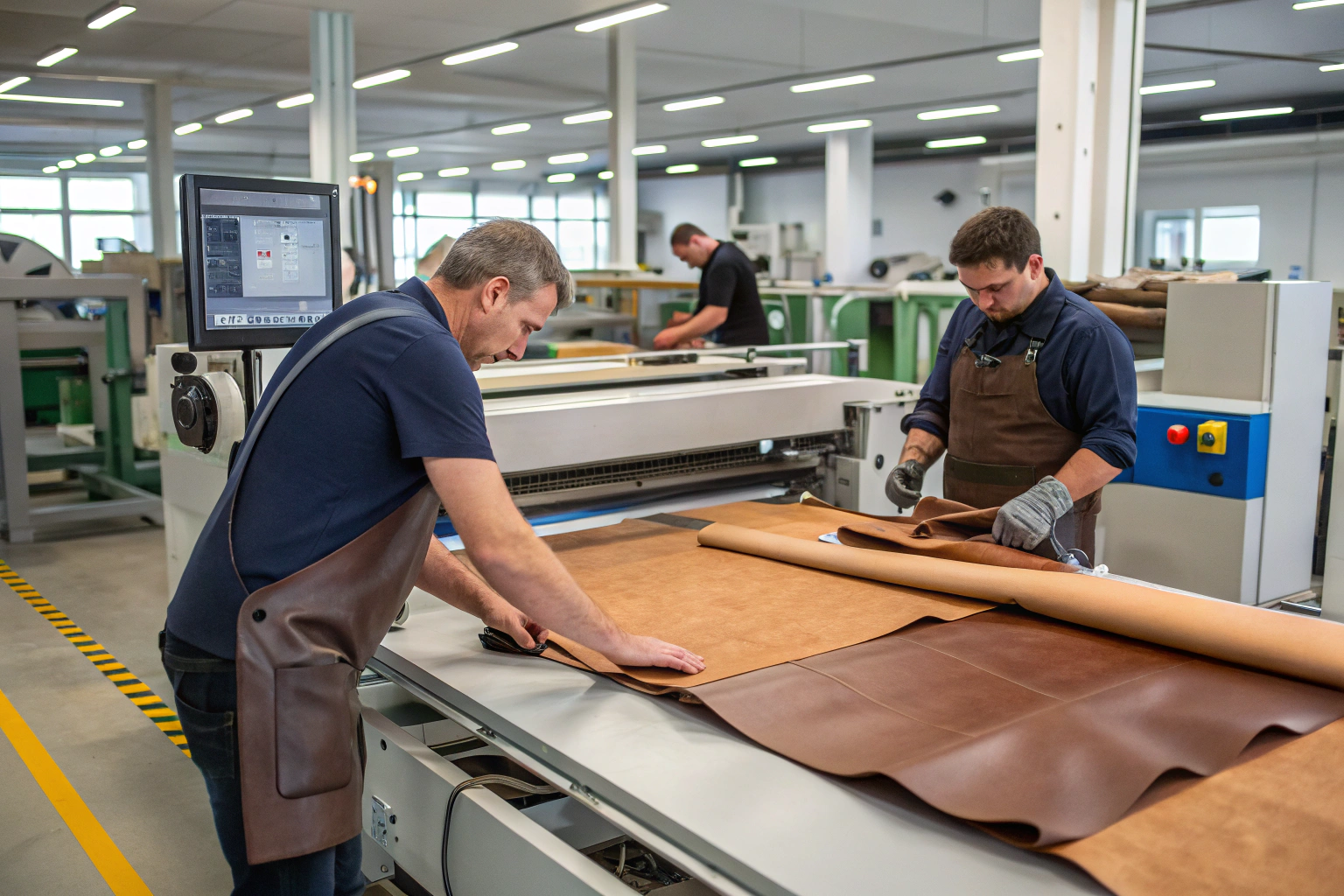
The transition from manual cutting to automated systems represents the most significant advancement in yield optimization. While skilled craftsmen can achieve respectable yields, technology provides consistency and precision that manual methods cannot match across large production volumes.
Computer-controlled cutting systems, particularly those with vision integration, can achieve yields 8-15% higher than manual cutting. These systems scan each hide, identify defect locations, and automatically nest patterns to avoid waste areas while maximizing material usage. The initial technology investment typically pays back within 12-24 months through material savings alone.

How Does Automated Nesting Software Improve Efficiency?
Advanced nesting algorithms consider multiple variables simultaneously: grain direction requirements, defect avoidance, priority piece placement, and minimal webbing between patterns. The software can test thousands of nesting configurations in seconds, identifying the optimal layout that human operators would require hours to develop manually.
The most sophisticated systems incorporate artificial intelligence algorithms that learn from previous nesting decisions, continuously improving yield rates based on accumulated production data. This machine learning approach can identify subtle patterns in hide characteristics that even experienced operators might miss, further optimizing material utilization over time.
What Role Does Cutting Equipment Play in Yield Optimization?
Precision cutting systems maintain tighter tolerances than manual methods, reducing material waste between patterns. Oscillating knife cutters can achieve kerf widths as narrow as 1mm compared to 3-5mm with manual knives, creating significant savings across thousands of linear cutting inches. Laser cutting systems offer even finer precision but require additional considerations for leather types.
The maintenance and calibration of cutting equipment directly impacts yield consistency. Worn cutting blades create imperfect edges that may require wider safety margins between patterns. Regular preventive maintenance schedules ensure cutting equipment operates at peak precision, maintaining optimal yield rates throughout equipment lifespan.
How Do Defect Management Strategies Affect Yield?
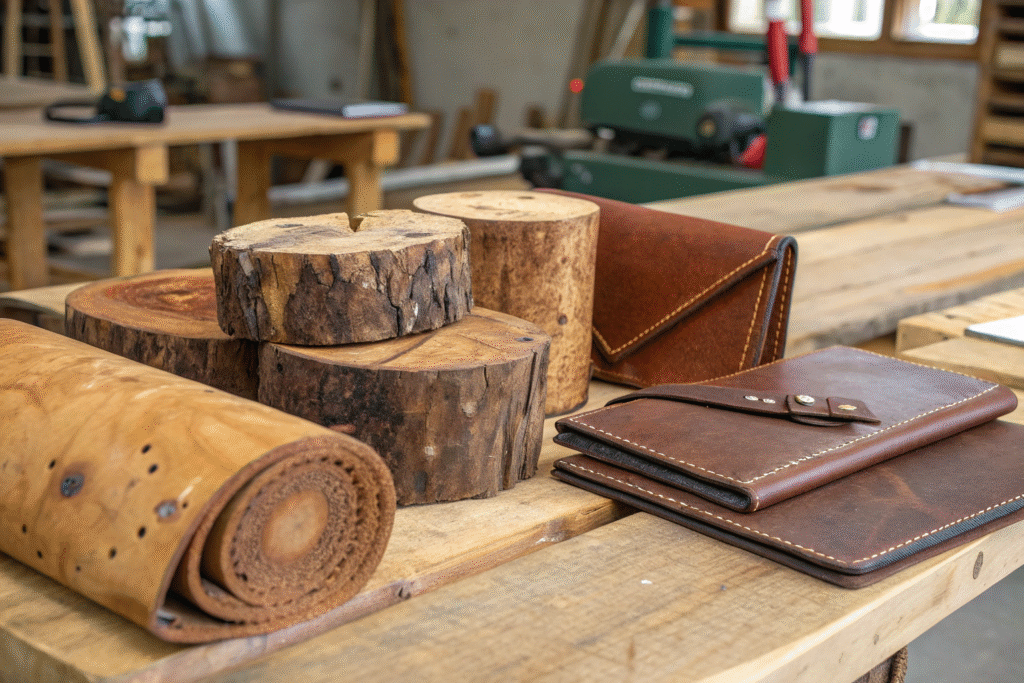
Natural materials inevitably contain imperfections, but strategic defect management can transform waste areas into usable product. The most successful manufacturers view defects not as problems to be avoided but as characteristics to be managed through intelligent planning and creative solutions.
The traditional approach of cutting around all defects creates significant waste. Modern strategies involve grading defects by severity, identifying which can be incorporated into finished products without compromising quality, and developing specific product lines that utilize leather sections that would otherwise be discarded.
What Classification System Optimizes Defect Utilization?
A three-tier defect classification system typically works best: Critical defects (holes, deep cuts) must be avoided completely; Moderate defects (scars, brands) can be incorporated into casual product lines or placed in non-critical belt areas; Minor defects (vein marks, slight discoloration) are generally acceptable in most products when strategically placed.
Implementing this classification requires standardized inspection procedures and trained personnel who can consistently identify and categorize defects. Digital defect mapping systems that mark and classify imperfections streamline this process, creating databases that inform both immediate cutting decisions and long-term purchasing strategies.
How Can Product Design Accommodate Natural Variations?
Designing belt collections with varying width requirements allows utilization of narrower hide sections that would otherwise be waste. Creating shorter belt sizes for youth or petite markets enables use of smaller leather pieces. Developing coordinated accessory lines (wristbands, key fobs) consumes remnant materials profitably.
The most advanced manufacturers practice design for manufacturing principles, creating product portfolios specifically engineered to maximize material utilization across entire hide surfaces. This holistic approach considers yield optimization at the design stage rather than as an afterthought during production.
What Operational Factors Influence Yield Consistency?
Even with perfect materials and technology, operational practices significantly impact yield rates. Consistency in processes, operator training, and performance monitoring separates manufacturers who maintain high yields from those who experience fluctuations and unexplained material losses.
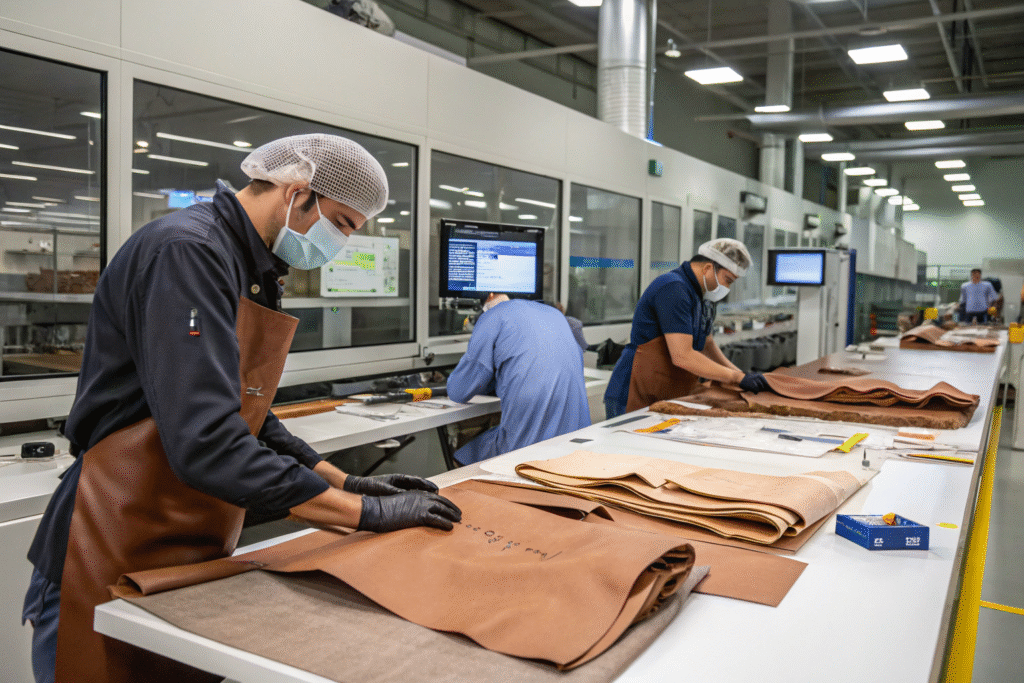
Standardized work procedures ensure every team member follows the same methods for hide inspection, pattern placement, and cutting execution. Regular training maintains skills while cross-training creates flexibility without sacrificing yield performance. Transparent performance metrics create accountability and identify opportunities for improvement.
How Does Operator Training Impact Material Utilization?
Skilled operators can identify subtle grain variations and natural characteristics that affect how leather will behave during cutting and finishing. This expertise allows them to make real-time adjustments that automated systems might miss. Experience also enables operators to recognize when to override automated nesting suggestions based on practical knowledge.
Comprehensive training programs should cover leather technology fundamentals, defect recognition standards, equipment operation protocols, and yield optimization techniques. Regular skill assessments and refresher training ensure knowledge remains current as materials, products, and technologies evolve.
What Performance Monitoring Systems Drive Continuous Improvement?
Real-time yield tracking provides immediate feedback on cutting efficiency. Scales that weigh remnant materials after cutting automatically calculate yield percentages, flagging deviations from targets for investigation. This immediate data enables quick corrective action before significant material waste occurs.
Statistical process control charts tracking yield rates over time help identify trends and variations. The Plan-Do-Check-Act cycle applied to yield improvement creates structured methodology for testing changes, measuring results, and implementing successful approaches across all production lines. This data-driven approach transforms yield management from art to science.
Conclusion
Optimal yield rates in leather belt cutting result from a systematic approach addressing hide selection, technology implementation, defect management, and operational excellence. The manufacturers achieving consistent 80%+ yields excel across all these areas rather than relying on any single solution.
The financial impact of yield improvement is substantial—each 1% increase in yield typically translates to 2-3% improvement in gross margins for belt manufacturers. Beyond direct cost savings, better yield rates support sustainability initiatives through reduced waste and more efficient resource utilization.
Ready to optimize your leather belt cutting yields? Contact our Business Director, Elaine, at elaine@fumaoclothing.com to discuss how our manufacturing expertise and yield optimization systems can improve your material utilization and profitability.