The fashion cycle has rediscovered Western heritage, but this isn't just another trend revival. After years of minimalist aesthetics and fast fashion dominance, consumers are seeking authenticity, craftsmanship, and products with genuine stories. The Western belt represents more than an accessory—it embodies American heritage, artisanal quality, and timeless style that transcends seasonal whims.
Heritage Western belts are resurging in fashion because they satisfy contemporary desires for authenticity, sustainable craftsmanship, gender-fluid styling, and connection to tradition. Unlike disposable fast fashion accessories, these belts feature time-tested designs, natural materials that age gracefully, and artisanal details that mass production cannot replicate. The convergence of Westernwear's mainstream acceptance, the slow fashion movement, and nostalgia for tangible quality has propelled these belts from regional specialty to global fashion staple.
The Western wear market is projected to reach $5.2 billion by 2027, with belts representing one of the most accessible entry points into the aesthetic. Understanding why these specific accessories resonate with modern consumers reveals broader shifts in fashion consumption toward meaning, quality, and storytelling over transient trends.
What Cultural Shifts Drive Western Belt Popularity?
The resurgence of Western belts reflects deeper cultural currents beyond mere aesthetic preference. These accessories connect wearers to values and narratives that feel increasingly rare in modern life: authenticity, craftsmanship, durability, and connection to tradition. In an increasingly digital world, tangible products with heritage provide comforting solidity.
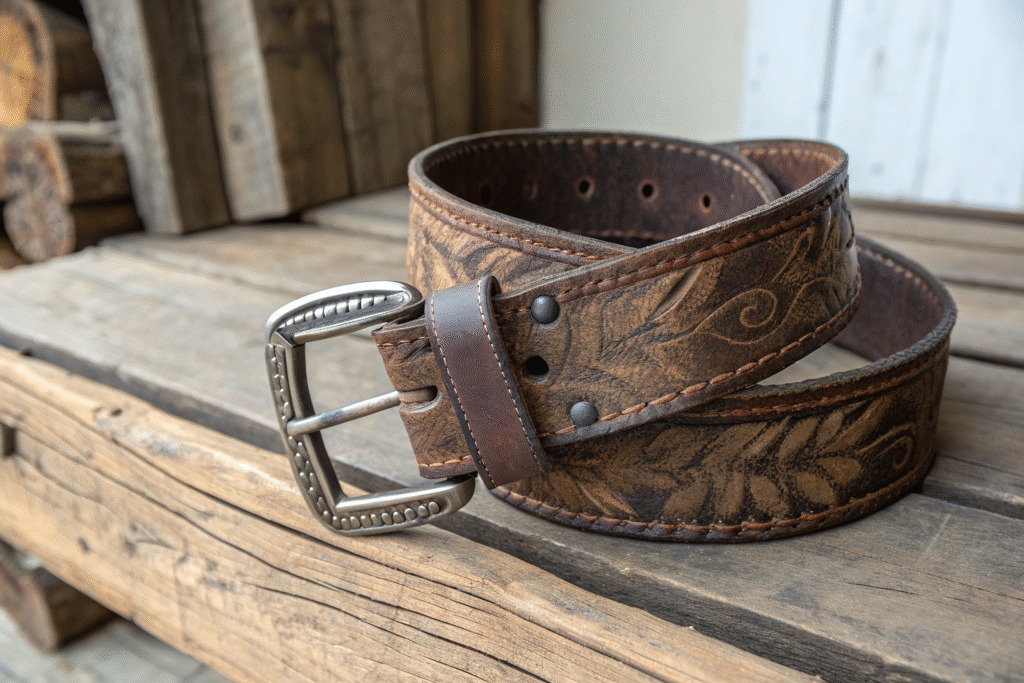
The Western belt represents a rejection of disposable fashion culture. Each scratch, patina, and subtle deformation from wear becomes part of the product's story rather than a reason for replacement. This perspective aligns with growing consumer interest in products that age gracefully and develop character over time, countering fast fashion's planned obsolescence.
How Does Nostalgia Influence Fashion Cycles?
Nostalgia for perceived simpler times drives interest in heritage styles. Western belts connect to romanticized visions of American frontier individualism, craftsmanship, and self-reliance. This emotional resonance transcends their practical function, making them symbolic purchases that represent values wearers wish to embody.
The psychological aspects of nostalgia in fashion demonstrate that consumers often seek comfort in familiar styles during uncertain times. Western belts' enduring design language—essentially unchanged for over a century—provides this comfort while allowing personal expression through details like tooling patterns and buckle selections.
What Role Does Media and Celebrity Influence Play?
High-profile adoption by fashion influencers and celebrities has normalized Western belts beyond their traditional context. When featured in fashion publications, music videos, and social media, these accessories gain fashion credibility while maintaining their authentic roots. The key to successful modern interpretation lies in styling that respects the heritage while demonstrating contemporary relevance.
The cultural appropriation conversation has made many consumers more thoughtful about adopting cultural elements. Western wear occupies a complex space in this discussion, but its status as a continually evolving American tradition allows wearers to engage with the aesthetic while respecting its origins and contemporary iterations.
How Does Craftsmanship Differentiate Heritage Western Belts?
The quality difference between heritage Western belts and mass-produced alternatives is immediately apparent upon examination. True heritage pieces utilize techniques and materials that have proven their worth over generations, creating products meant to last decades rather than seasons. This commitment to quality resonates in an era of disposable fashion.
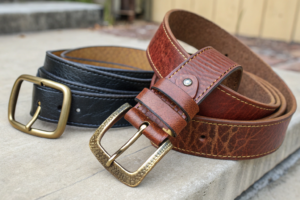
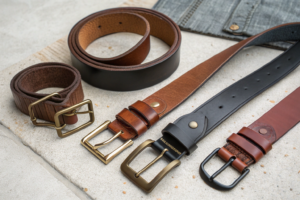
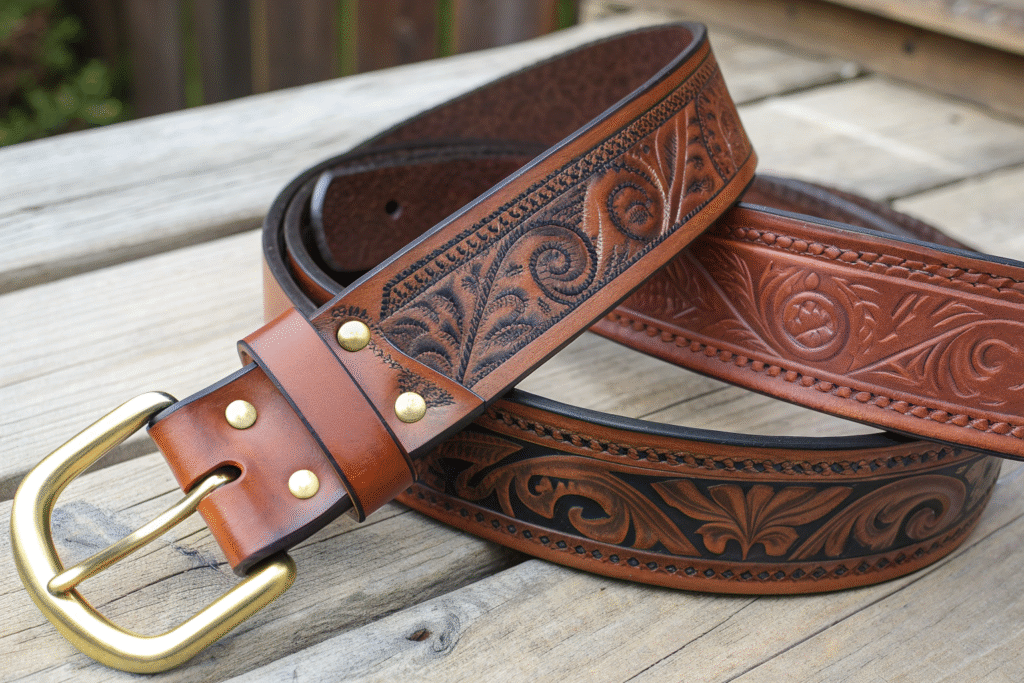
Heritage construction begins with vegetable-tanned leather that develops rich patina over time. The tooling involves hand-stamping using techniques passed through generations of leatherworkers. Buckles often feature solid brass, silver, or other quality metals that withstand daily wear while developing their own character through use.
What Traditional Techniques Define Quality Western Belts?
Hand-tooling using specialized stamps creates the intricate patterns that distinguish heritage Western belts. Each stamp is placed individually, resulting in slight variations that prove authentic craftsmanship. The leather is typically saddle-stitched with waxed thread, creating seams that are stronger than the leather itself and won't unravel if a stitch breaks.
The vegetable tanning process uses natural tannins from tree bark, producing leather that responds to its environment and develops unique character. This contrasts with chrome-tanned leather used in most mass-market belts, which remains relatively static in appearance throughout its lifespan. The natural aging process creates emotional attachment between wearers and their belts.
How Do Material Choices Impact Longevity and Aesthetics?
Full-grain leather maintains the strongest part of the hide, developing durability that actually increases with proper care. The natural markings and variations become features rather than flaws, telling the story of the animal and the craftspeople who transformed it. This authenticity cannot be replicated in corrected grains or bonded leathers.
Quality buckle metals like solid brass, sterling silver, or bronze develop patina that mass-produced plated metals cannot match. When plating wears off inexpensive buckles, they become unattractive, while solid metals simply reveal different aspects of their character. This sustainable approach to materials aligns with contemporary values about consumption and waste reduction.
What Styling Innovations Broaden Western Belt Appeal?
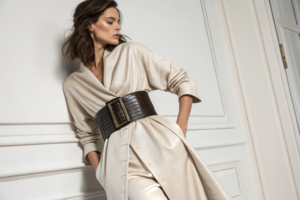
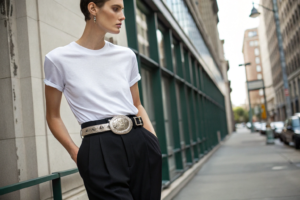
The modern resurgence of Western belts owes much to creative styling that liberates them from their traditional context. Fashion-forward combinations demonstrate how these accessories can anchor diverse outfits, from casual jeans to sophisticated tailoring. This styling versatility has been crucial for mainstream adoption.
The key to contemporary Western belt styling lies in balancing the statement piece with complementary elements. When the belt serves as the focal point, other components should provide relatively neutral backdrops. Conversely, more subtle Western belts can accent outfits without dominating them, making the aesthetic accessible to those testing the style.

How Have Gender Norms Evolved in Western Wear?
Western belts have transcended their traditionally masculine associations to become genuinely gender-fluid accessories. Women's fashion has embraced oversized buckles and Western details as statement pieces, while men's fashion has incorporated more refined Western elements into tailored looks. This cross-pollination has expanded the market significantly.
The gender fluidity movement in fashion has created space for accessories that defy traditional categorization. Western belts, with their history of practical unisex use in ranching contexts, adapt naturally to this contemporary perspective. Their functional origins give them authenticity that newly created gender-neutral accessories sometimes lack.
What Unexpected Pairings Demonstrate Style Versatility?
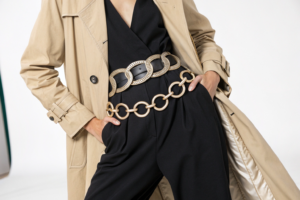
Fashion influencers have demonstrated Western belts' surprising compatibility with diverse styles: paired with flowing dresses for bohemian contrast, anchoring tailored trousers for sophisticated Western infusion, or complementing minimalist outfits with artisan details. These creative combinations reveal the accessory's adaptability beyond its traditional context.
The most successful modern interpretations often feature intentional anachronism—pairing heritage Western elements with distinctly contemporary pieces. This approach acknowledges the belt's history while firmly establishing its current relevance. The tension between old and new creates fashion interest that purely nostalgic or purely contemporary looks cannot achieve.
How Does Sustainability Contribute to the Resurgence?
The slow fashion movement and growing consumer interest in sustainability have created fertile ground for heritage Western belts' resurgence. These products embody many principles that environmentally conscious consumers seek: durability, natural materials, repairability, and timeless design that transcends seasonal trends.
A quality Western belt represents the antithesis of fast fashion. Properly cared for, it can last decades rather than months, reducing consumption frequency and waste. The natural materials biodegrade at the end of their lifespan, unlike synthetic alternatives that persist in landfills. This environmental consideration increasingly factors into purchasing decisions.

How Do Heritage Belts Align with Circular Fashion Principles?
The repairability of quality Western belts supports circular fashion models. Unlike disposable accessories designed for limited lifespans, heritage belts can be reconditioned, re-dyed, re-sized, and re-buckled multiple times throughout their lives. This extends their usability while reducing the resources needed for replacement.
The circular economy model in fashion emphasizes keeping products in use as long as possible. Heritage Western belts naturally fit this framework, as their value often increases with age and use. The secondary market for vintage Western belts remains strong, demonstrating their enduring desirability beyond initial purchase.
What Consumer Mindset Shifts Support Heritage Products?
Consumers increasingly question the true cost of inexpensive fashion, recognizing that low prices often reflect externalized environmental impacts and questionable labor practices. Heritage Western belts typically come with clearer provenance stories, including information about materials sources and manufacturing conditions.
The mindful consumption movement has created consumers who research purchases more thoroughly and value quality over quantity. These shoppers understand that a higher initial investment in a quality belt saves money over time while aligning with their values. This calculated approach to fashion spending benefits heritage products with demonstrable longevity.
Conclusion
The resurgence of heritage Western belts represents a convergence of multiple cultural currents: desire for authenticity in an increasingly digital world, appreciation for sustainable craftsmanship, creative styling innovations, and nostalgia for tangible quality. These accessories satisfy contemporary fashion needs while connecting wearers to enduring American traditions.
The Western belt's journey from functional ranchwear to fashion staple demonstrates how heritage elements can find new relevance when understood and reinterpreted for modern contexts. As fashion continues evolving toward more meaningful consumption, products with genuine stories, quality construction, and timeless design will likely maintain their appeal beyond temporary trends.
Ready to incorporate heritage Western belts into your fashion offerings? Contact our Business Director, Elaine, at elaine@fumaoclothing.com to discuss our craftsmanship traditions and how we can develop authentic Western belts that resonate with today's fashion-conscious consumers.