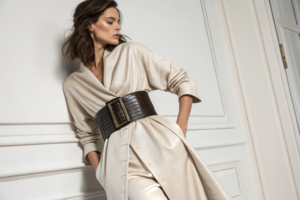
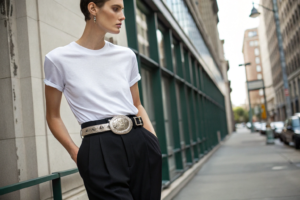
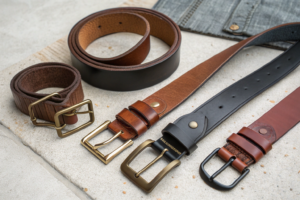
In the competitive accessories market, award-winning belt designs don't emerge by accident. They represent deliberate combinations of innovation, craftsmanship, and market understanding that distinguish them from thousands of competitors. Understanding what sets these designs apart provides a blueprint for creating products that capture both critical acclaim and commercial success.
Award-winning belt designs consistently demonstrate innovative material applications, ergonomic precision, compelling storytelling, sustainable practices, and unexpected details that create emotional connections. These elements combine to create products that stand out in crowded marketplaces while addressing unexpressed consumer needs. The most successful designs balance aesthetic innovation with practical wearability, creating accessories that are both beautiful and functional.
The global belt market exceeds $10 billion annually, yet only a tiny percentage of designs receive prestigious awards from organizations like the Red Dot Design Awards, iF Design Award, or industry-specific honors. Analyzing these successful designs reveals patterns and principles that can guide development of standout products in any price segment.
How Does Material Innovation Create Award-Winning Designs?
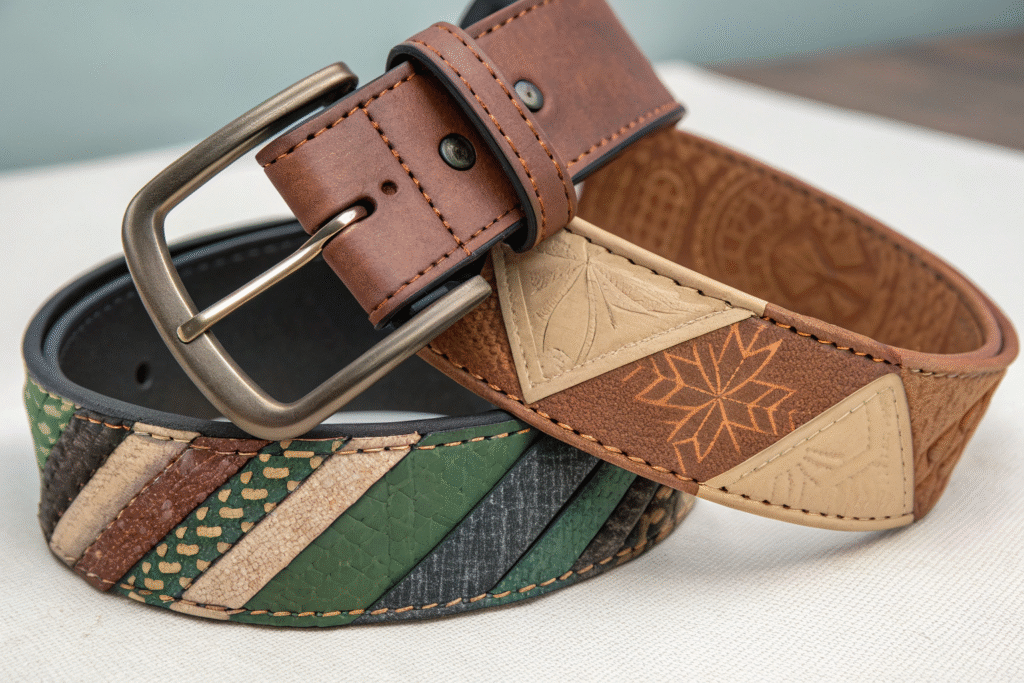
Material selection forms the foundation of exceptional belt design, but award-winners take this beyond conventional choices. They explore unexpected material combinations, develop proprietary treatments, or rediscover traditional materials with contemporary applications. This material innovation creates immediate visual distinction and often introduces new functional benefits.
The most celebrated designs frequently incorporate sustainable material innovations that address environmental concerns without compromising aesthetics. These might include plant-based leather alternatives, recycled metals with unique patinas, or traditional materials processed with reduced environmental impact. The material story often becomes integral to the award submission narrative.
What Unexpected Material Combinations Generate Excitement?
Hybrid material approaches that combine technical fabrics with traditional leathers often capture attention. For example, belts featuring marine-grade nylon straps with vegetable-tanned leather tips merge outdoor durability with sophisticated aesthetics. Combinations of metals with ceramics, woods, or composite materials create unique visual and tactile experiences that stand out in judging.
The Red Dot Design Award criteria specifically emphasize innovation in materials and surfaces. Winning designs often feature materials used in unprecedented ways or combinations that solve specific problems. A belt might incorporate conductive threads for discreet device charging, temperature-responsive materials that adapt to conditions, or embedded fibers that provide subtle illumination for safety.
How Do Sustainable Material Stories Influence Judging?
Award programs increasingly value environmental responsibility as a design criterion. Designs utilizing certified sustainable materials, closed-loop production processes, or innovative upcycling approaches often receive recognition. The most compelling submissions provide specific data about environmental impact reduction rather than vague sustainability claims.
The Cradle to Cradle certification framework has influenced award criteria across multiple design competitions. Belts designed for complete disassembly and material recovery, or those incorporating biodegradable components without compromising durability, demonstrate sophisticated design thinking that resonates with contemporary judging panels. This approach transforms sustainability from a constraint into a creative opportunity.
What Role Does Ergonomic Innovation Play in Successful Designs?
Award-winning belts deliver exceptional comfort through thoughtful ergonomic design that addresses wearing experience rather than just appearance. These designs consider how belts interact with the body during movement, how weight distributes across the hips, and how hardware feels against the skin. This human-centered approach often reveals itself through subtle details that significantly enhance wearability.
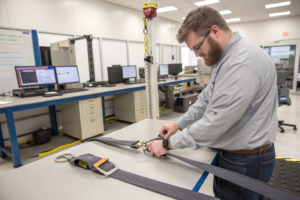
The most innovative ergonomic designs frequently emerge from extensive user research and prototyping. They might feature contoured profiles that follow natural body lines, strategic flexibility zones that accommodate sitting and bending, or weight distribution systems that prevent pressure points. These thoughtful touches create products that feel noticeably different and superior to conventional designs.
How Does Buckle Engineering Enhance User Experience?
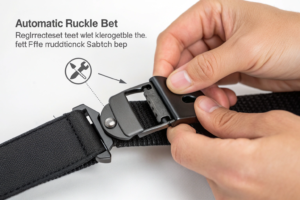
Revolutionary buckle mechanisms represent a common feature among award-winning belts. These might include magnetic systems with failsafe mechanical locks, ratcheting adjustments for perfect fit, or quick-release mechanisms that maintain security while improving accessibility. The most successful buckle innovations balance novel operation with intuitive use.
The iF Design Award's evaluation criteria specifically assess functionality, ergonomics, and practical value. Winning buckle designs typically solve identifiable problems: making adjustment easier for arthritis sufferers, preventing accidental opening during activity, or enabling one-handed operation in challenging situations. These solutions demonstrate deep understanding of real-world use cases beyond laboratory testing.
What Construction Techniques Improve Comfort and Durability?
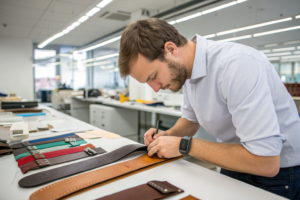
Award-winning belts often feature construction methods that enhance both comfort and longevity. These might include graduated thickness that provides flexibility where needed while maintaining structure, strategic reinforcement at stress points, or seam placement that prevents irritation. The best designs consider how the belt will age and adapt to the wearer's body over time.
Advanced manufacturing techniques like ultrasonic welding, laser cutting, and computerized stitching enable precision that was previously impossible. The Industrial Designers Society of America's evaluation criteria value appropriate manufacturing technology application. Designs that leverage these technologies to create better products—rather than just as novelty—typically perform well in competitions.
How Does Storytelling and Conceptual Depth Influence Recognition?
Beyond physical attributes, award-winning belt designs typically possess strong conceptual foundations and compelling narratives. These stories might reference historical traditions, address contemporary social issues, or explore philosophical concepts through material form. The most successful designs communicate their concepts clearly while maintaining design integrity.
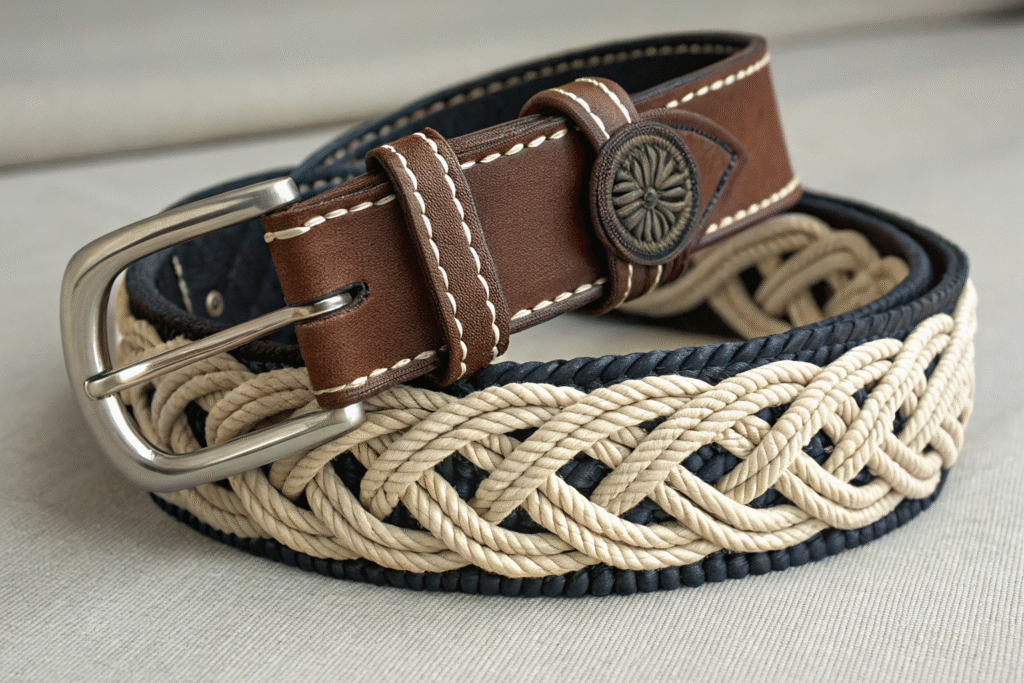
The narrative dimension often distinguishes good designs from award-winning ones. Jurors respond to products that demonstrate thoughtful consideration of cultural context, user needs, and design heritage. A belt inspired by maritime knot-tying traditions, for example, might incorporate this inspiration in both aesthetic details and functional construction.
What Conceptual Approaches Resonate with Award Juries?
Designs that address universal human experiences through accessories often capture attention. A belt exploring themes of connection might feature interlocking elements that physically demonstrate this concept. Designs examining tradition and innovation might combine ancient techniques with contemporary materials, creating products that speak to both past and future.
The A' Design Award criteria specifically evaluate conceptual depth and philosophical underpinnings. Winning entries often demonstrate how their concept informed every design decision, from material selection to manufacturing methods. This consistency between concept and execution creates compelling, coherent products that stand up to rigorous evaluation.
How Can Cultural References Enhance Design Significance?
Belts that thoughtfully engage with cultural heritage—without appropriating or stereotyping—often receive recognition. This might involve collaborating with traditional artisans, reinterpretating historical design elements for contemporary contexts, or using design to preserve endangered crafts. The most successful approaches demonstrate respect and understanding rather than superficial borrowing.
Designs addressing specific cultural moments or movements can also resonate strongly. A belt collection responding to environmental concerns through material choices and production methods, or designs exploring gender fluidity through versatile styling options, often stand out by demonstrating awareness of broader cultural conversations. This relevance to contemporary discourse frequently influences award decisions.
What Details Transform Good Designs into Award Winners?
The distinction between good design and award-winning design often lies in meticulous attention to details that might escape casual observation but create profound impressions upon closer examination. These thoughtful touches demonstrate the designer's commitment to excellence throughout the entire user experience.
Successful designs typically feature unexpected considerations: interior surfaces finished as carefully as exteriors, edges rounded to specific radii for comfort, or subtle branding integrated seamlessly into the design language. These details often emerge from extensive prototyping and refinement rather than initial concept development.

How Does Packaging and Presentation Influence Perceptions?
Award-winning designs often extend their design philosophy to packaging and presentation. The unboxing experience becomes part of the product narrative, with thoughtful details that reinforce the belt's quality and concept. Sustainable packaging that aligns with product values, instructional materials that enhance understanding, or reusable packaging that extends the product story all contribute to overall impression.
The German Design Award evaluation process specifically considers overall concept implementation, including presentation and communication. Designs that maintain consistency from initial visual impression through detailed examination typically perform well. This holistic approach demonstrates design maturity that distinguishes award winners.
What Role Does Finish and Edge Detailing Play?
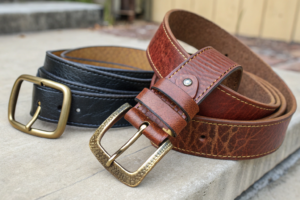
The treatment of edges, stitches, and surface finishes often separates exceptional designs from good ones. Award-winning belts typically feature hand-painted or burnished edges that prevent fraying while adding aesthetic appeal. Stitching might use specialized threads with unique properties or colors that complement rather than match materials.
Surface treatments often receive particular attention in winning designs. These might include proprietary aging processes that create unique patinas, laser-engraved patterns with microscopic precision, or coatings that develop character with wear. These finishes demonstrate commitment to craftsmanship that resonates with award jurors who examine products closely.
Conclusion
Award-winning belt designs emerge from the synthesis of multiple excellence factors: innovative material applications, ergonomic sophistication, conceptual depth, and meticulous attention to details that enhance user experience. These designs typically demonstrate a clear point of view balanced with practical considerations, creating products that are both aspirational and accessible.
The patterns evident in award-winning designs provide valuable guidance for manufacturers and designers seeking to create standout products. By focusing on genuine innovation rather than superficial novelty, addressing real user needs, and executing with consistent excellence throughout every design element, brands can develop belts that capture both critical acclaim and commercial success.
Ready to develop award-caliber belt designs? Contact our Business Director, Elaine, at elaine@fumaoclothing.com to discuss how our design and manufacturing expertise can help create exceptional belts that stand out in the competitive accessories market.