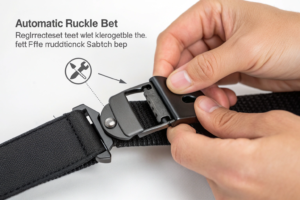
The global counterfeit luxury market causes approximately $500 billion in annual losses, with leather goods representing one of the most targeted categories. Luxury belt manufacturers face sophisticated counterfeit operations that replicate designs, packaging, and even authentication systems. The damage extends beyond lost sales to include brand dilution, customer distrust, and legal enforcement costs.
Implementing anti-counterfeit measures in luxury belts requires a multi-layered approach combining overt and covert technologies, supply chain control, digital verification systems, and consumer education. The most effective strategies integrate physical security features with digital authentication that creates a comprehensive ecosystem protecting both brand and consumers. Successful implementation balances security effectiveness with user experience and production feasibility.
The luxury goods authentication market is projected to reach $10.2 billion by 2028, driven by increasing counterfeit sophistication and consumer demand for verification. Understanding which measures deliver the best protection while maintaining brand aesthetics and production efficiency is essential for luxury belt manufacturers operating in competitive global markets.
What Physical Security Features Deter Counterfeiting Effectively?
Physical security features represent the first line of defense against counterfeiters, creating immediate visual and tactile differentiation that consumers and retailers can recognize. The most effective features combine aesthetic integration with technical complexity that challenges replication capabilities.
Overt features provide immediate visual verification for consumers, while covert features enable brand authentication and law enforcement verification. A balanced approach incorporates both types, creating multiple verification points that counterfeit operations must simultaneously replicate to create convincing fakes. The optimal feature selection depends on production capabilities, budget, and target market price points.
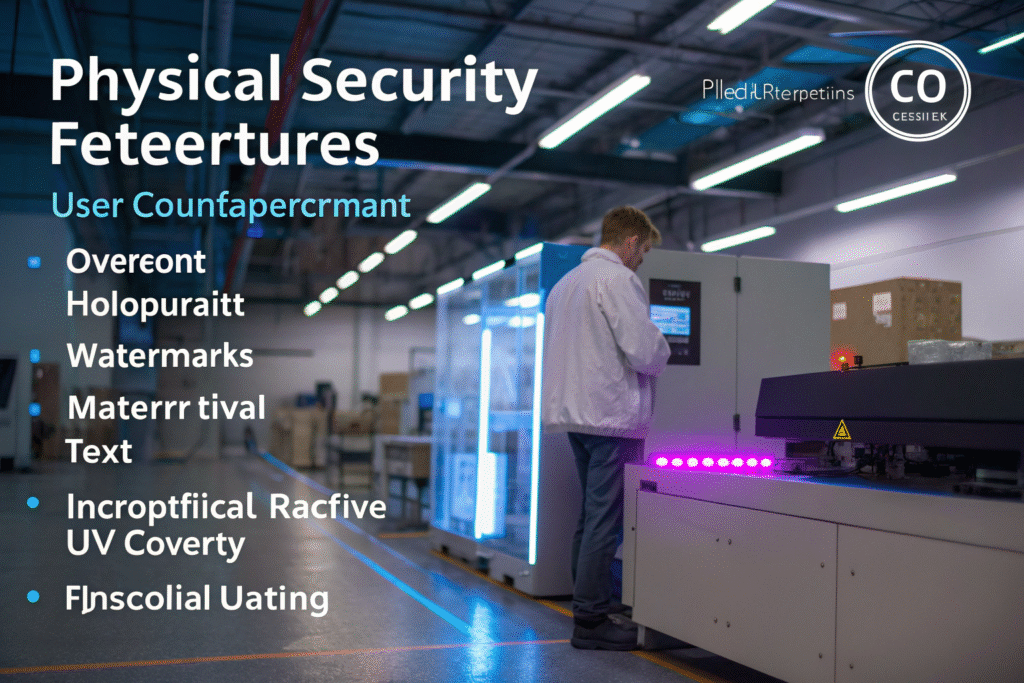
Which Overt Security Features Offer Immediate Visual Authentication?
Holographic elements remain highly effective because they require specialized equipment that counterfeiters typically lack. Integrated holographic labels, threads woven into leather, or holographic foil stamping create visual effects that change with viewing angle. Modern holograms incorporate personalized elements like serial numbers or brand logos within the holographic pattern itself.
Color-shifting inks and materials provide another immediately recognizable security feature. Used on branding elements, buckle surfaces, or stitching, these special pigments change color depending on viewing angle. The optical variable devices used in currency represent the highest security level, but commercial alternatives offer substantial protection at accessible price points for luxury belts.
What Covert Features Enable Professional Verification?
Micro-text and nano-printing embed microscopic text that appears as simple lines to the naked eye but reveals authentication information under magnification. Placed along belt edges, buckle interiors, or within pattern details, these features require significant effort and equipment to replicate accurately.
Chemical and biological taggants represent the most sophisticated covert protection. These invisible markers can be incorporated into leather treatments, dyes, or metal coatings during manufacturing. Verification requires specialized readers or chemical tests, making them ideal for law enforcement and brand protection teams conducting market surveillance and counterfeit investigations.
How Can Digital Authentication Systems Enhance Protection?
Digital technologies create dynamic authentication ecosystems that evolve to address new counterfeit threats. Unlike physical features that remain static once produced, digital systems can be updated, providing ongoing protection throughout a product's lifecycle. The most effective implementations create seamless consumer experiences while maintaining robust security.
The integration of physical products with digital verification represents the future of anti-counterfeiting. This approach creates a "phygital" product identity that combines the tangible luxury experience with digital security that's difficult to replicate at scale. Successful implementations balance security with user-friendly verification processes.
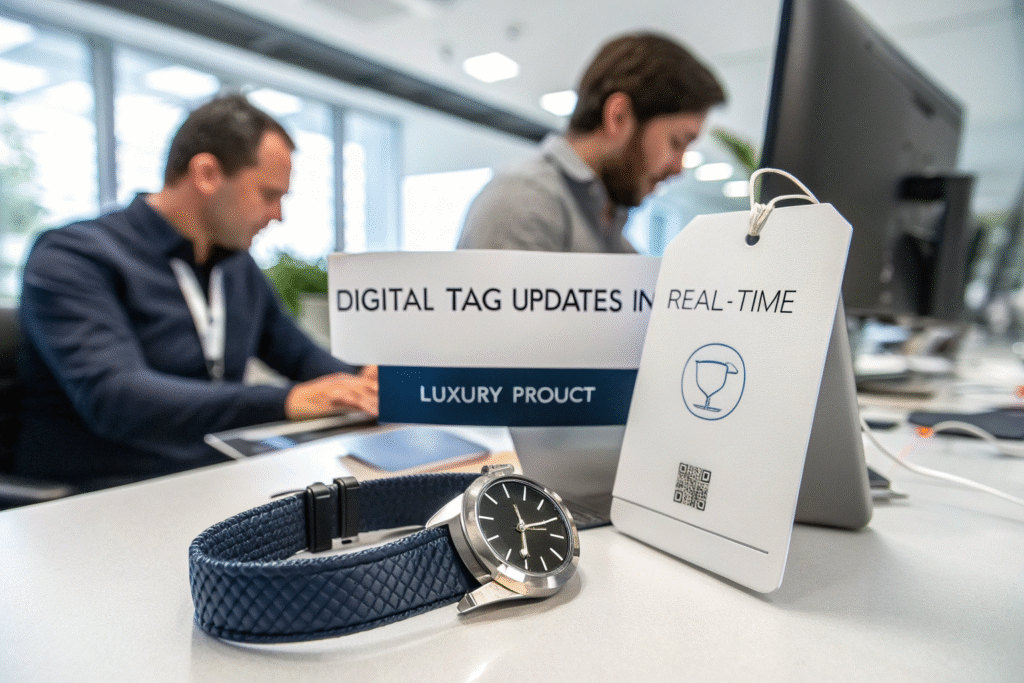
What Role Does Blockchain Play in Product Authentication?
Blockchain technology creates immutable product histories that cannot be altered or forged. Each luxury belt receives a unique digital identity recorded on a distributed ledger, tracking its journey from manufacturing through retail to secondary markets. This creates a verifiable provenance that counterfeiters cannot replicate.
The blockchain applications in supply chain provide transparency while maintaining brand security. Consumers can scan a QR code or NFC chip to access the product's blockchain record, verifying authenticity while learning about materials, craftsmanship, and ethical production practices. This educational component enhances brand value beyond mere authentication.
How Do Smart Labels and Tags Create Connected Products?
Near Field Communication (NFC) tags embedded in luxury belts enable tap-to-authenticate functionality using smartphones. These encrypted chips contain unique identifiers that verify against brand databases, providing instant authentication. Advanced systems can detect when tags are removed or tampered with, triggering authentication alerts.
QR codes with dynamic encryption offer a cost-effective digital authentication solution. Unlike standard QR codes, encrypted versions generate unique patterns for each scan, preventing simple replication. When combined with geolocation verification, these systems can identify suspicious authentication patterns that suggest counterfeiting operations.
What Supply Chain Controls Prevent Diversion and Tampering?
The journey from manufacturing to consumer presents multiple vulnerability points where counterfeiting can occur. Implementing comprehensive supply chain controls ensures genuine products reach consumers while identifying and addressing potential security breaches. The most secure manufacturers treat their supply chains as integrated security systems rather than disconnected steps.
Supply chain transparency creates accountability at each transfer point, making diversion more difficult and detectable. Modern tracking technologies provide real-time visibility while creating audit trails that support investigations when counterfeits appear. These systems protect both brand and consumers by ensuring product integrity throughout the distribution network.

How Does Secure Packaging Prevent Tampering?
Tamper-evident packaging provides immediate visual indication of interference. Security seals, specialized tapes, and unique closure systems show visible damage when opened, alerting consumers to potential tampering. For luxury belts, this might include numbered security tags, destructible labels, or specialized packaging that cannot be resealed without evidence.
The packaging security standards developed for pharmaceuticals and electronics offer proven approaches that luxury brands can adapt. These include color-shifting inks on packaging, holographic seals, and embedded fibers that glow under specific lighting. Consistent packaging security across all markets prevents regional vulnerabilities that counterfeiters might exploit.
What Distribution Channel Controls Protect Authenticity?
Direct-to-retailer shipping with verified chain of custody prevents intermediary tampering. Luxury brands increasingly bypass distributors to work directly with authorized retailers, reducing touchpoints where counterfeiting can occur. Digital shipping manifests with real-time tracking create additional security layers.
Inventory management systems with serialized tracking monitor product movement from factory to point of sale. The EPCglobal standards provide frameworks for item-level tracking that luxury brands can implement. These systems flag discrepancies between shipped and received quantities, identifying potential diversion points for investigation.
How Can Consumer Education Support Anti-Counterfeit Efforts?
Informed consumers represent the most effective detection network for counterfeit products. Education initiatives that teach authentication techniques create brand advocates who can identify fakes and report them to manufacturers. Successful education balances technical information with accessible guidance that doesn't overwhelm consumers.
Authentication guides, video tutorials, and in-store training sessions empower consumers to verify products themselves. The most effective educational materials focus on the specific features unique to each brand rather than generic anti-counterfeiting advice. This brand-specific approach makes replication more difficult for counterfeiters operating across multiple luxury labels.

What Verification Resources Do Consumers Value Most?
Mobile authentication apps provide the most convenient verification method for modern consumers. These applications can scan physical security features, read digital tags, and connect to brand databases for instant verification. The most sophisticated apps use computer vision technology to analyze product details beyond simple code scanning.
Detailed online authentication guides with high-resolution imagery help consumers examine products carefully. Step-by-step verification checklists covering stitching patterns, material grains, hardware weight, and logo precision enable thorough examination. These resources are particularly valuable for secondary market purchases where manufacturer verification may be unavailable.
How Does Brand Communication Build Anti-Counterfeit Awareness?
Transparent communication about anti-counterfeit measures demonstrates brand commitment to product integrity. Marketing materials that highlight security features educate consumers while signaling the brand's investment in protection. This communication should emphasize how authentication benefits consumers rather than focusing solely on brand protection.
The consumer protection guidelines from regulatory bodies provide frameworks for truthful communication about anti-counterfeit measures. Brands should avoid overstating protection levels while clearly explaining how consumers can verify authenticity. This balanced approach builds trust while managing expectations about what security measures can realistically achieve.
Conclusion
Implementing effective anti-counterfeit measures in luxury belts requires a comprehensive strategy combining physical security features, digital authentication systems, supply chain controls, and consumer education. The most successful approaches create multiple protection layers that counterfeit operations must simultaneously overcome, making replication economically unviable while maintaining the luxury experience genuine consumers expect.
The investment in anti-counterfeit technology delivers returns beyond lost sales prevention, including brand equity protection, customer loyalty strengthening, and legal cost reduction. As counterfeiters adopt increasingly sophisticated methods, luxury brands must continuously evolve their protection strategies to maintain product integrity and consumer trust.
Ready to implement robust anti-counterfeit measures in your luxury belt collections? Contact our Business Director, Elaine, at elaine@fumaoclothing.com to discuss our integrated security solutions and how we can protect your brand while enhancing consumer confidence through verifiable authenticity.