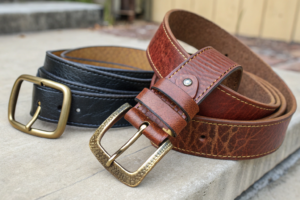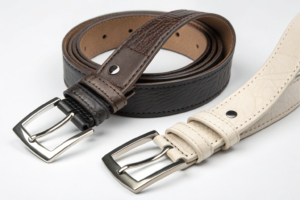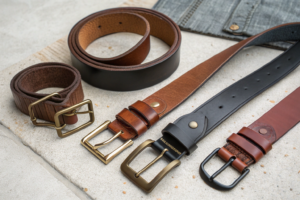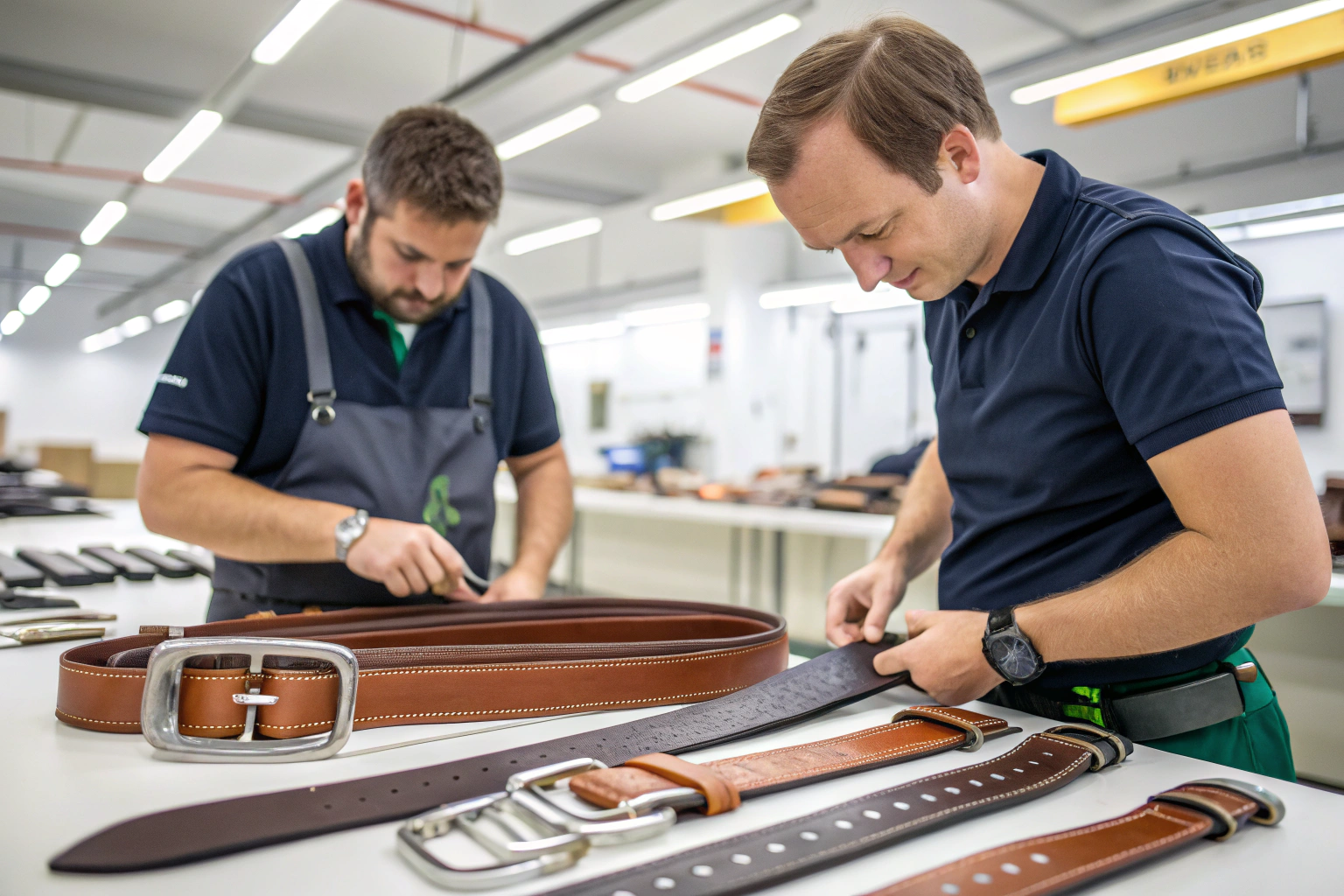
The belt keeper—that small but crucial loop that secures the belt tail—represents one of the most overlooked yet functionally essential components of a quality belt. Many manufacturers treat belt keepers as afterthoughts, resulting in poorly matched materials, inadequate sizing, or complete omission that compromises both aesthetics and functionality. Understanding how to source belts with properly integrated complimentary keepers ensures product integrity and customer satisfaction.
Sourcing belts with complimentary belt keepers requires identifying manufacturers who prioritize complete product engineering, understanding keeper attachment methods, verifying material compatibility, and ensuring sizing precision. The most reliable suppliers integrate keeper selection into their initial design process rather than adding them as final production steps, creating cohesive products where keepers match belt materials in quality, durability, and aesthetic appeal.
The global leather accessories market shows that products with well-integrated secondary components command 15-25% higher customer satisfaction ratings. For belt keepers specifically, proper implementation reduces belt tail flapping, prevents premature wear, and maintains the clean silhouette that defines quality accessories. This guide examines the sourcing considerations that separate manufacturers who understand keeper importance from those who treat them as incidental components.
What Manufacturing Standards Indicate Keeper Quality?
Belt keeper quality often reflects broader manufacturing standards and attention to detail. Manufacturers who invest in proper keeper integration typically demonstrate superior craftsmanship throughout their production process. Identifying these suppliers requires understanding specific production methods and quality control checkpoints.
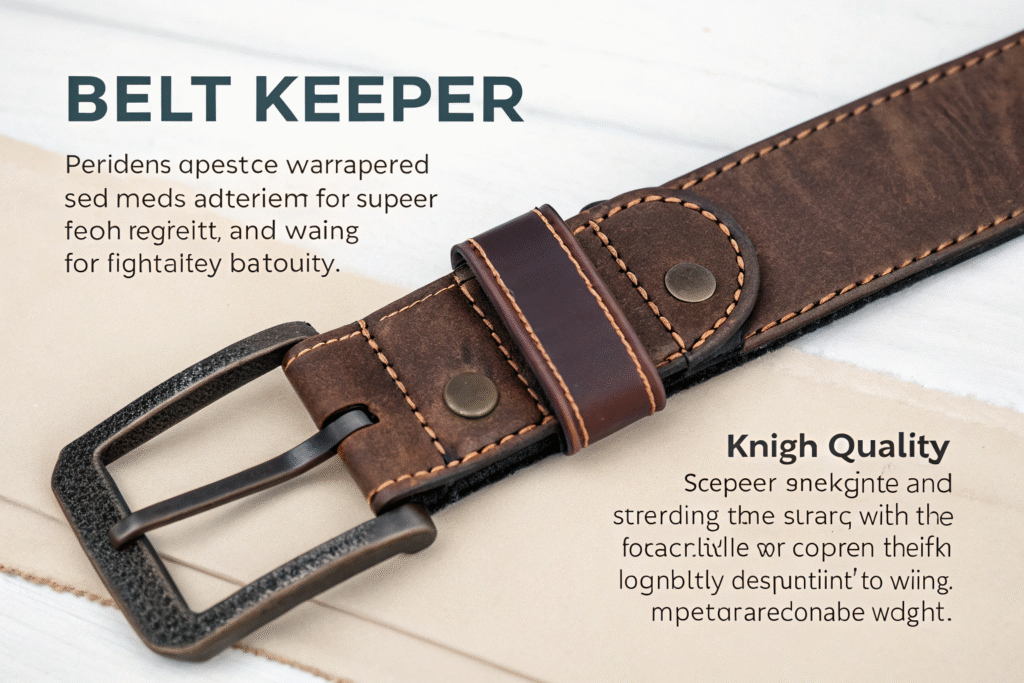
The most reputable manufacturers treat belt keepers as integral components rather than accessories. This approach manifests in material selection that matches or complements the main belt, precise sizing that accommodates the belt's thickness without excessive looseness or tightness, and attachment methods that ensure durability throughout the product's lifespan. These considerations separate quality-focused suppliers from those cutting corners.
How Does Keeper Attachment Method Reflect Manufacturing Quality?
Sewn-in keepers typically indicate higher manufacturing standards than glued or stapled alternatives. The stitching should be tight, even, and use thread that matches or complements the belt's color and style. Bar-tacking at stress points demonstrates additional quality commitment, distributing tension across multiple stitch lines to prevent tearing.
The orientation of keeper stitching reveals manufacturing sophistication. Vertically stitched keepers generally provide better durability than horizontal stitching, which can create stress points that lead to premature failure. The American Society of Testing Materials standards for sewn products provide guidelines that quality manufacturers reference, particularly regarding stitch density and seam strength.
What Material Compatibility Considerations Ensure Cohesive Products?
Quality belt keepers utilize the same leather grade and finish as the main belt or carefully selected complementary materials. When the keeper material differs, it should be chosen for specific functional advantages while maintaining visual harmony. The grain direction, thickness, and finishing should match the belt's characteristics to ensure consistent aging and wear patterns.
The most sophisticated manufacturers conduct compatibility testing between belt and keeper materials, ensuring they respond similarly to environmental conditions, cleaning processes, and wear. This attention to detail prevents situations where the belt maintains its appearance while the keeper discolors, stiffens, or otherwise ages differently, creating visual discord over time.
How Does Keeper Sizing Impact Function and Aesthetics?
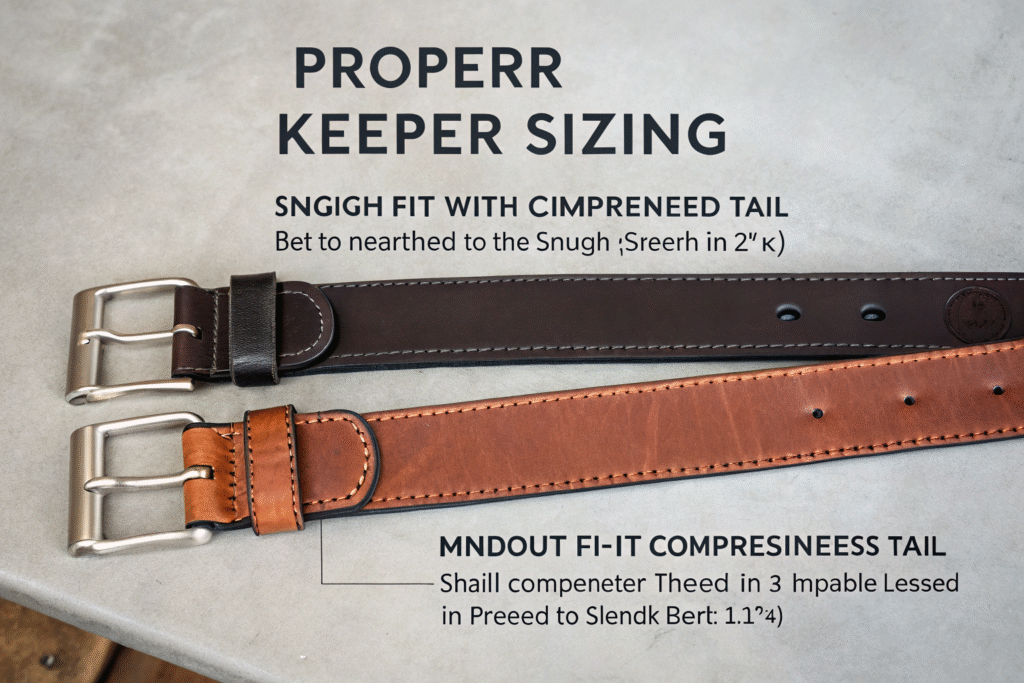
Proper keeper sizing represents one of the most frequently overlooked aspects of belt manufacturing that significantly impacts both functionality and appearance. Keepers that are too tight strain the belt leather and create difficulty threading the tail, while excessively loose keepers fail to secure the tail properly, allowing it to flap and detract from the belt's clean lines.
The optimal keeper size provides a snug fit without compressing the belt material or requiring excessive force to thread the tail. This precision requires understanding the relationship between belt thickness, width, and the necessary keeper dimensions to create harmonious proportions that work seamlessly together.
What Proportional Relationships Ensure Optimal Function?
The keeper width should typically measure 1.25-1.5 times the belt thickness to accommodate easy threading while maintaining secure hold. For a standard 4mm thick belt, this translates to a 5-6mm wide keeper. The keeper length must accommodate the belt width plus the additional thickness of the overlapped tail, typically requiring 10-15mm additional length beyond the belt width.
The mathematical modeling behind optimal keeper proportions considers both the belt's static dimensions and its dynamic behavior during wear. Quality manufacturers test these proportions across their product range rather than applying one-size-fits-all keeper dimensions, ensuring each belt model receives appropriately scaled keepers.
How Does Keeper Placement Affect Wear and Appearance?
The positioning of the keeper along the belt length significantly impacts both aesthetics and comfort. Ideally placed approximately 4-6 inches from the buckle, the keeper should align naturally with the belt's drape without creating pressure points or visual imbalance. This positioning allows the tail to fall naturally while maintaining a clean silhouette.
Manufacturers using ergonomic design principles typically conduct wear testing to determine optimal keeper placement for different belt styles. Dress belts might position keepers slightly differently than casual or work belts based on how they interact with different wearing positions and body movements throughout the day.
What Sourcing Channels Prioritize Keeper Quality?
Identifying suppliers who prioritize belt keeper quality requires targeted sourcing approaches beyond general leather goods manufacturers. Specialized belt manufacturers, custom accessory workshops, and suppliers serving markets with high quality expectations typically demonstrate better keeper integration than mass-market producers.
Trade shows focusing on leather goods, menswear accessories, and quality craftsmanship often reveal manufacturers with superior attention to component details like belt keepers. These venues allow for hands-on product examination and direct conversation about manufacturing processes that virtual sourcing cannot replicate.

Which Manufacturing Regions Excel in Component Integration?
Italian leather goods manufacturers traditionally demonstrate exceptional attention to secondary components like belt keepers, reflecting their broader commitment to complete product excellence. Similarly, Japanese and American heritage manufacturers often treat keepers with the same seriousness as primary belt elements, resulting in superior integration.
The geographical indication systems for leather goods help identify regions with established craftsmanship traditions. While these systems typically protect broader product categories, manufacturers operating within these regions often extend the same quality standards to all components, including seemingly minor elements like belt keepers.
How Can Supplier Questionnaires Verify Keeper Standards?
Developing specific questions about keeper manufacturing helps identify suppliers who prioritize this component. Inquiries should cover material sourcing, attachment methods, sizing protocols, and quality control checkpoints specifically related to keepers. Suppliers with detailed responses typically demonstrate greater attention to this component.
Sample evaluation criteria might include:
- Material matching process between belt and keeper
- Stitch density and reinforcement methods
- Sizing calculations and proportionality standards
- Quality control rejection rates for keeper issues
The supplier qualification frameworks used in manufacturing provide structures for developing these assessments. Applying these rigorous approaches to belt keeper evaluation helps identify manufacturers whose quality standards extend to all product elements.
How Can Sample Evaluation Identify Keeper Quality?
Physical sample examination provides the most reliable method for assessing belt keeper quality before committing to production. Specific evaluation techniques help identify manufacturing standards that might not be apparent from product specifications or supplier claims alone.
The evaluation process should examine both immediate appearance and predictive aging characteristics. How keepers integrate with new belts indicates manufacturing care, but understanding how this integration will endure through years of use requires more sophisticated assessment techniques.
What Physical Tests Reveal Keeper Durability?
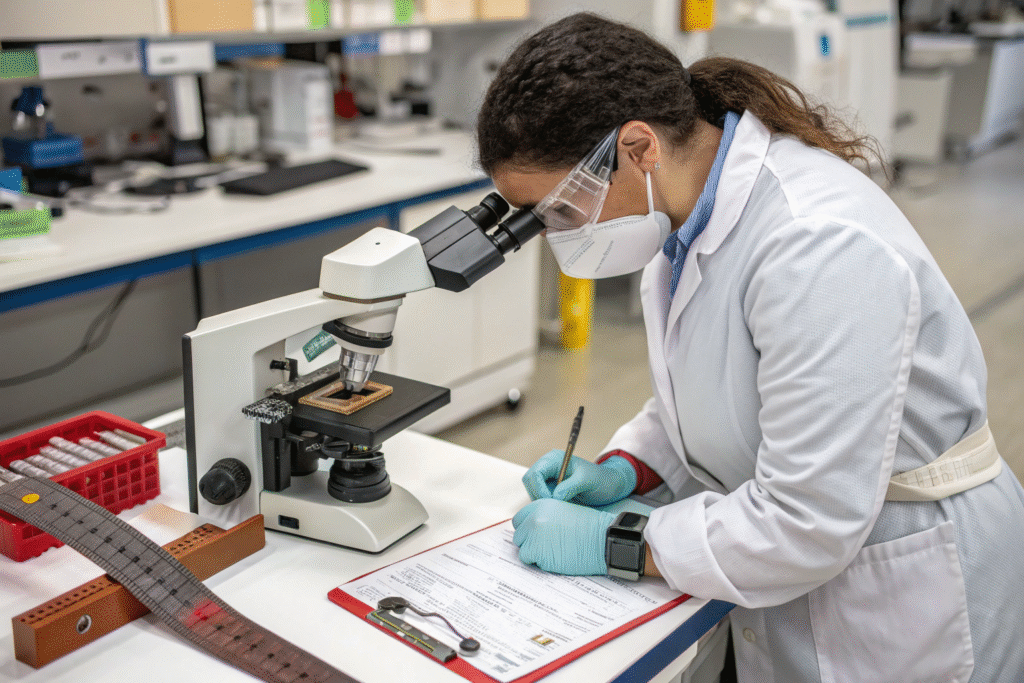
The fold test examines how the keeper withstands repeated flexing by manually folding it multiple times and observing any cracking, creasing, or finish damage. The thread tension test assesses stitching security by applying gentle pressure to identify loose threads or insecure attachments. The sizing test verifies proportional correctness by threading the belt tail and assessing the fit.
The accelerated aging protocols used in materials testing can be adapted for keeper evaluation, though simplified versions typically suffice for quality assessment. These tests help predict how keepers will maintain their appearance and function through years of regular use rather than just initial quality.
How Does Cost Analysis Reflect Keeper Investment?
Manufacturers investing in quality keepers typically price their products 15-30% higher than those using basic keepers, reflecting the additional material, labor, and quality control required. However, this investment typically pays returns through reduced customer complaints, higher satisfaction ratings, and stronger brand reputation for attention to detail.
The total cost of ownership calculation for belts with quality keepers often shows better long-term value despite higher initial costs. Products that maintain their appearance and function through extended use provide better customer value while reducing warranty claims and returns that erode profitability.
Conclusion
Sourcing belts with complimentary belt keepers requires identifying manufacturers who extend their quality standards to all components, not just primary elements. The most reliable suppliers integrate keeper design into their initial product development, select materials for compatibility and durability, size keepers proportionally to each belt model, and employ attachment methods that ensure long-term performance.
The investment in properly sourced belts with quality keepers delivers returns through enhanced customer satisfaction, reduced returns, and stronger brand perception. As consumers become increasingly discerning about product details, manufacturers who prioritize these seemingly minor components will gain competitive advantages in crowded markets.
Ready to source belts with properly integrated complimentary keepers? Contact our Business Director, Elaine, at elaine@fumaoclothing.com to discuss our manufacturing standards and how we ensure every component, including belt keepers, meets the highest quality and compatibility standards.