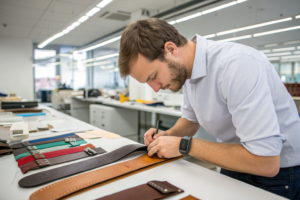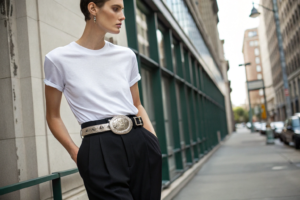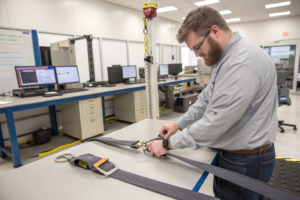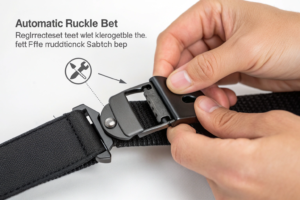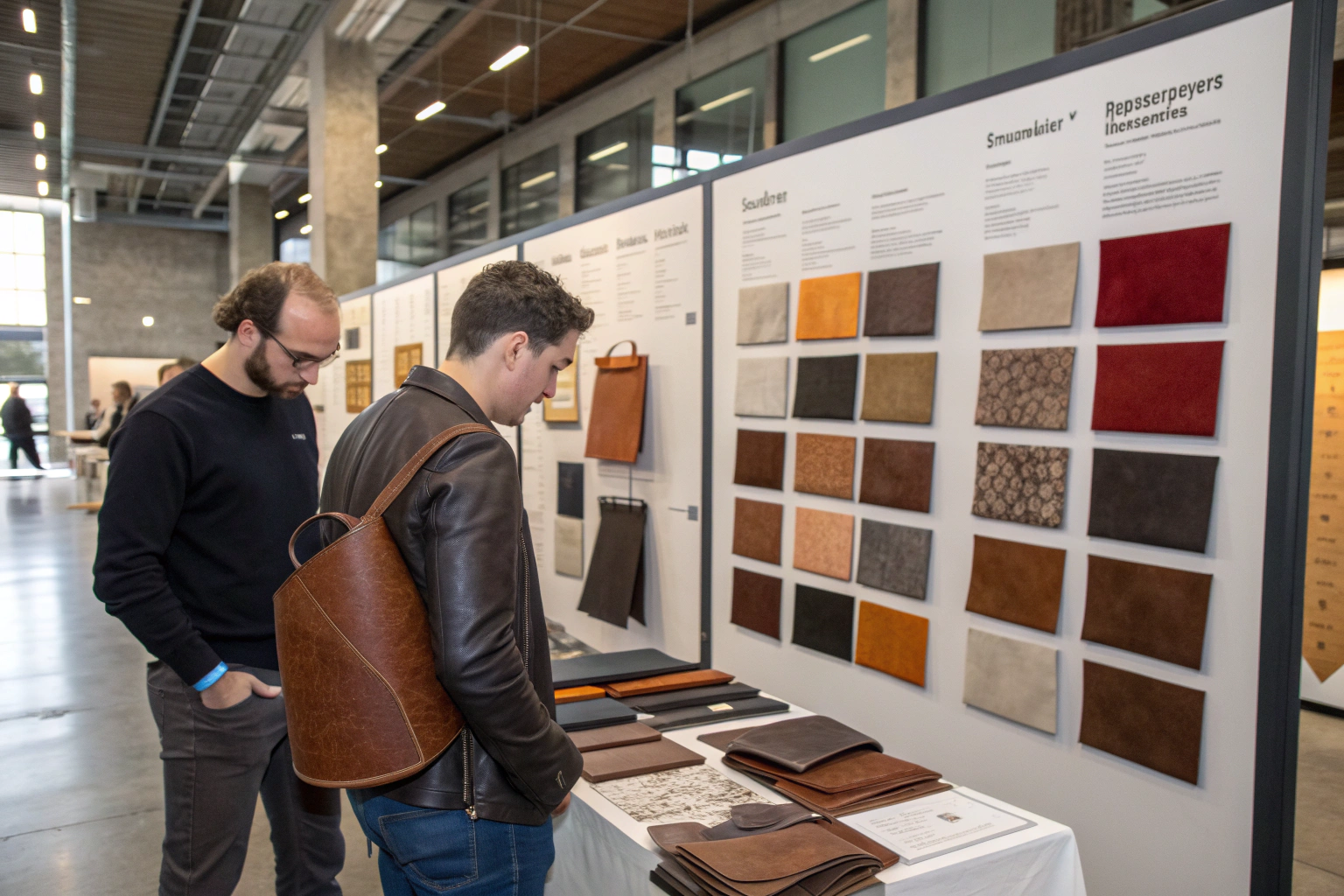
The global fashion industry faces increasing pressure to reduce costs while maintaining quality and addressing growing consumer demand for sustainable options. Traditional leather presents significant budget challenges, with prices rising approximately 8-12% annually due to supply chain issues, environmental regulations, and increasing hide costs. Budget collections need alternatives that deliver leather-like aesthetics and performance without the premium price tag.
The best leather alternatives for budget collections include PU leather, recycled PU, bio-based polyurethane, cork leather, pineapple leaf fiber (Piñatex), mushroom leather, apple leather, and high-quality canvas. These materials offer varying combinations of cost efficiency, durability, sustainability credentials, and aesthetic appeal that make them suitable for different product categories within budget collections. The optimal selection depends on specific price targets, performance requirements, and marketing positioning.
The vegan leather market is projected to reach $89.6 billion by 2025, with budget segments representing the fastest-growing category. Understanding the trade-offs between different alternatives helps brands make informed decisions that balance cost, quality, and consumer appeal in competitive market segments.
How Do PU and Recycled PU Compare for Budget Applications?
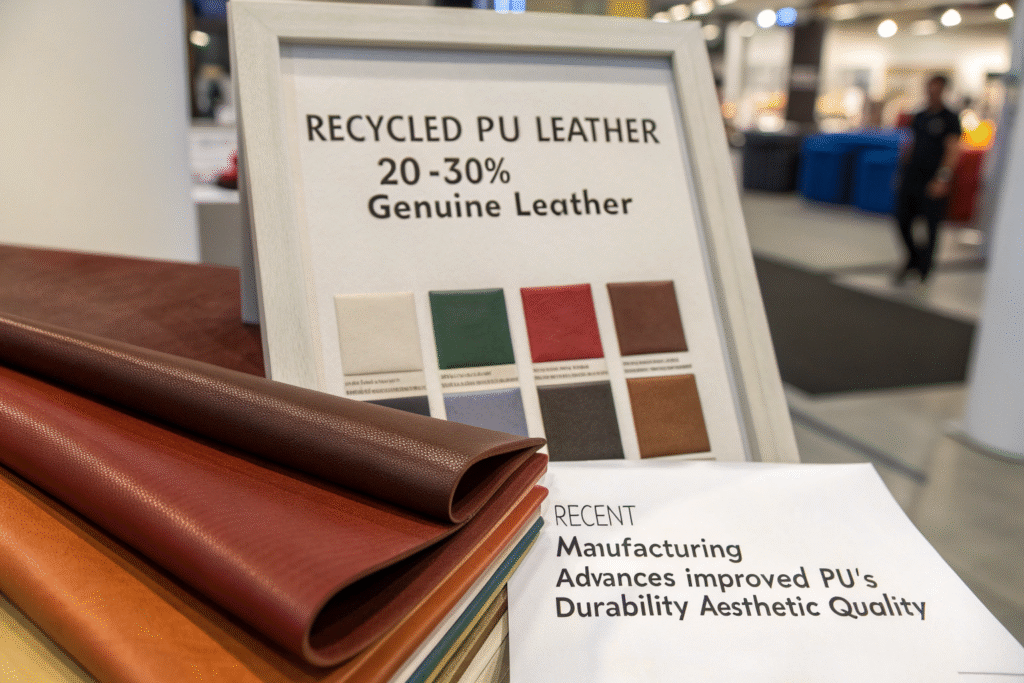
Polyurethane (PU) leather remains the most cost-effective leather alternative for budget collections, offering the closest visual and tactile similarity to genuine leather at 20-30% of the cost. Recent manufacturing advances have significantly improved PU's durability and aesthetic quality, addressing earlier generations' limitations with peeling, cracking, and artificial appearance.
Recycled PU represents an evolutionary step that maintains cost advantages while adding sustainability credentials that increasingly resonate with budget-conscious consumers. By incorporating post-industrial waste and recycled content, manufacturers create materials that appeal to environmentally aware shoppers without premium pricing. The production process typically costs 5-15% more than virgin PU but delivers meaningful marketing advantages.
What Performance Characteristics Define Quality PU?
High-quality PU leather features a multi-layer construction with reinforced backing, durable topcoat, and consistent grain pattern that resists peeling and cracking. The best versions achieve 100,000+ double rubs in Martindale abrasion tests, making them suitable for belts, bags, and accessories that experience moderate daily wear. The colorfastness has improved significantly, with quality PU maintaining color consistency through 500+ hours of UV exposure testing.
The American Society for Testing Materials standards for coated fabrics provide measurable benchmarks for PU performance. Budget collections should seek PU meeting at least 200,000 cycles on the flex test and 3.5+ Newtons on the peel strength test. These specifications ensure products will maintain integrity through typical warranty periods without material failures that damage brand reputation.
How Does Recycled PU Impact Cost and Consumer Perception?
Recycled PU typically adds $0.50-$1.50 per linear meter compared to virgin material, representing a 10-20% cost increase that remains comfortably within budget collection parameters. The environmental marketing advantages often justify this premium through improved sell-through rates and brand perception. Consumers increasingly recognize and value recycled content, even in budget segments.
The Global Recycled Standard certification provides third-party verification that enhances credibility. Brands using certified recycled PU report 15-25% higher conversion rates in marketing that highlights sustainable attributes. This consumer response demonstrates that budget shoppers increasingly consider environmental factors alongside price in purchasing decisions.
What Plant-Based Alternatives Offer Budget-Friendly Options?
Plant-based leather alternatives have evolved from niche premium materials to commercially viable options for budget collections. Advances in manufacturing scale and efficiency have reduced costs while maintaining the environmental storytelling that resonates with contemporary consumers. The most accessible plant-based options balance price, performance, and production scalability.
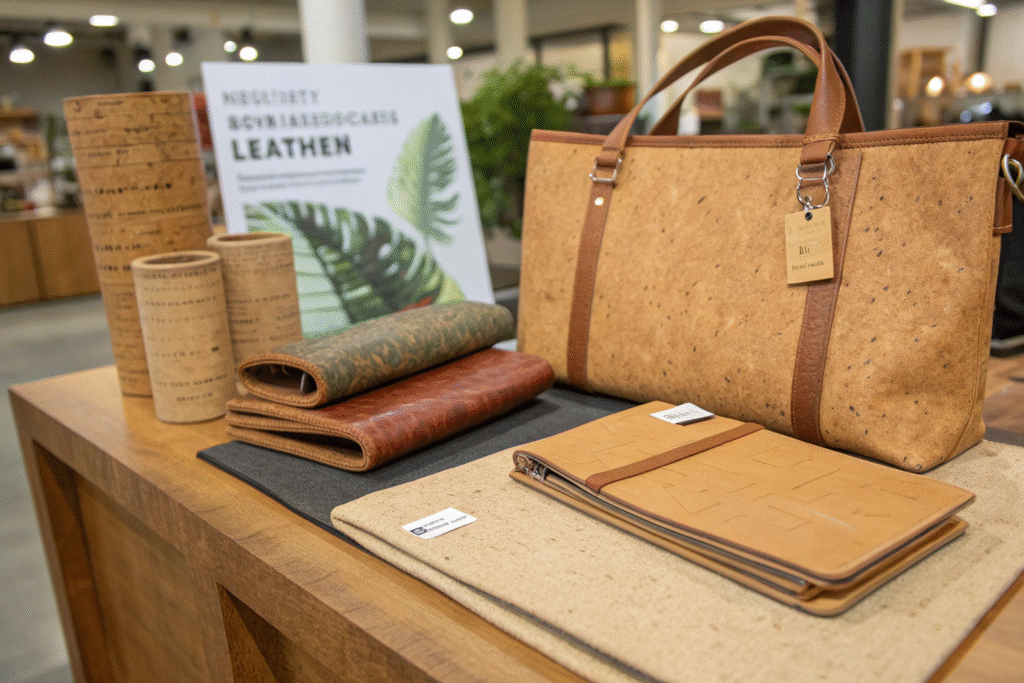
Cork leather represents one of the most practical plant-based alternatives for budget collections, offering unique natural aesthetics, lightweight comfort, and durability that exceeds many synthetic options. The material's natural water resistance and antimicrobial properties provide functional benefits beyond mere leather imitation, creating additional value propositions for budget-conscious consumers.
How Does Cork Leather Performance Compare to Traditional Options?
Cork leather demonstrates exceptional durability, with tensile strength of 20-30 MPa compared to PU's 15-25 MPa and genuine leather's 10-20 MPa. The material's natural elasticity provides resistance to cracking and creasing that often plagues synthetic alternatives. These performance characteristics make cork particularly suitable for belts, wallets, and bag accents where flexibility and durability are paramount.
The lifecycle assessment of cork production demonstrates significant environmental advantages over both leather and synthetic alternatives. Cork harvesting doesn't damage trees, with bark regenerating every 9-12 years, creating a truly renewable resource. This sustainability story enhances brand perception while maintaining budget price points of $8-15 per square meter.
What Role Can Pineapple Leaf Fiber Play in Budget Collections?
Piñatex (pineapple leaf fiber) has scaled sufficiently to enter budget collection price points, with current costs of $18-25 per square meter compared to $50+ just five years ago. The material offers distinctive texture and natural appearance that differentiates products in crowded markets. While still premium compared to PU, strategic use in accent pieces or limited editions creates marketing opportunities without significantly impacting overall collection costs.
The manufacturing process utilizes agricultural waste from pineapple harvests, creating additional farmer income while reducing environmental impact. The Social Enterprise certification associated with Piñatex provides compelling brand storytelling that can justify slightly higher price points within budget collections. This approach allows brands to introduce sustainable materials while maintaining overall collection affordability.
How Do Technical Innovations Improve Budget Material Performance?
Recent technical innovations have dramatically improved budget leather alternatives' performance and aesthetics, closing the quality gap with premium materials. Advanced coating technologies, reinforced backing materials, and sophisticated embossing techniques create products that increasingly challenge genuine leather's dominance across multiple performance metrics.
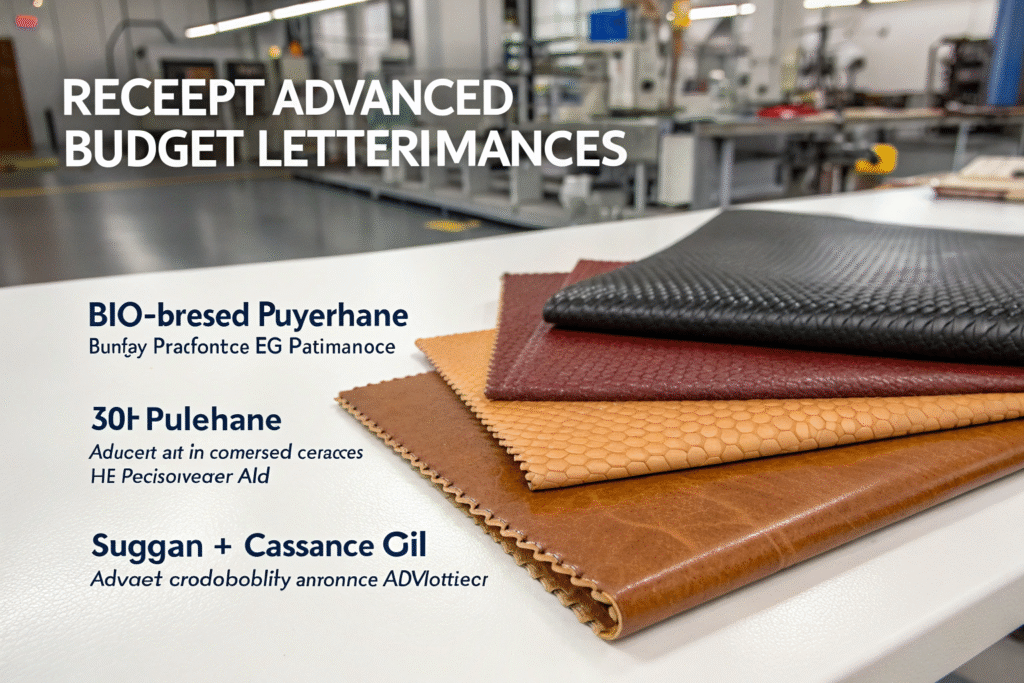
Bio-based polyurethane represents the most significant technical advancement for budget collections, combining plant-derived content with performance characteristics that match or exceed petroleum-based alternatives. These materials typically incorporate 30-60% content from renewable sources like corn, sugarcane, or castor oil while maintaining the durability and processability of traditional PU.
What Coating Technologies Enhance Durability?
Microporous coatings allow moisture vapor transmission while maintaining water resistance, addressing the comfort limitations of earlier synthetic alternatives. These advanced coatings create breathability similar to genuine leather without sacrificing durability or cleanability. The technology adds approximately 10-15% to material costs but significantly improves user experience.
Hydrophobic nano-coatings provide stain resistance and easy cleaning that often exceeds genuine leather's performance. These treatments create self-cleaning surfaces that repel water, oil, and dirt, reducing maintenance requirements that budget consumers may find burdensome. The nanotechnology applications in textiles have trickled down to budget segments, creating meaningful performance advantages.
How Do Backing Materials Impact Performance and Cost?
Recycled polyester mesh backing provides superior tear strength and dimensional stability compared to traditional cotton or polyester non-woven backings. This advancement addresses the delamination issues that previously limited synthetic leather lifespan. The recycled content simultaneously enhances sustainability credentials while maintaining cost positions appropriate for budget collections.
The shift to knitted rather than woven backings has improved flexibility and reduced production costs simultaneously. Knitted structures provide consistent multi-directional stretch that accommodates complex manufacturing processes while improving product comfort. These technical textiles typically cost 15-20% less than traditional woven alternatives while offering superior performance characteristics.
What Sourcing Strategies Optimize Budget Material Costs?
Strategic sourcing approaches can significantly reduce material costs without compromising quality, creating competitive advantages in price-sensitive market segments. Developing relationships with specialized manufacturers, leveraging volume commitments, and understanding regional production strengths all contribute to optimized material costs for budget collections.
The globalization of synthetic leather manufacturing has created specialized production hubs with distinct capabilities and cost structures. Understanding these regional differences allows brands to match material sources with specific product requirements while maintaining aggressive budget targets. The most successful sourcing strategies combine multiple regions rather than relying on single sources.

Which Manufacturing Regions Offer Best Value Propositions?
Chinese manufacturing continues to dominate the PU leather market, offering the most competitive pricing for standard qualities at $3-8 per square meter. Recent environmental regulations have improved quality consistency while slightly increasing costs. Taiwanese manufacturers excel at mid-range PU with better environmental credentials at $8-15 per square meter. South Korean producers lead in high-performance synthetic leathers at $15-25 per square meter.
The regional specialization patterns in synthetic materials have created efficient ecosystems that reduce costs through concentrated expertise and infrastructure. Budget collections typically blend materials from multiple regions—using Chinese PU for basic styles, Taiwanese for featured products, and Korean for technical applications—to optimize cost and performance across collections.
How Can Volume Planning Reduce Material Costs?
Commitment-based purchasing typically reduces material costs by 15-30% compared to spot buying, creating significant savings for budget collections. Forecasting accuracy becomes crucial for maximizing these savings while minimizing inventory risks. The most successful budget brands develop sophisticated demand planning capabilities that balance commitment discounts against flexibility needs.
The economic order quantity model applied to material purchasing helps determine optimal order sizes that minimize total costs including storage, financing, and obsolescence. For budget collections targeting specific price points, this mathematical approach to material planning ensures competitive positioning without unacceptable quality compromises.
Conclusion
The landscape of leather alternatives for budget collections has expanded dramatically, offering viable options across price points, performance requirements, and sustainability preferences. PU leather remains the workhorse for aggressive budget targets, while plant-based options like cork and pineapple fiber provide differentiation opportunities at slightly higher price points. Technical innovations continue to improve performance, closing the gap with genuine leather across multiple metrics.
Strategic material selection and sourcing can create budget collections that deliver compelling consumer value without the quality compromises that previously characterized low-price alternatives. As consumer expectations evolve toward greater sustainability and performance, the continued innovation in leather alternatives will likely accelerate, creating even more attractive options for budget-focused brands.
Ready to develop budget collections with optimized leather alternatives? Contact our Business Director, Elaine, at elaine@fumaoclothing.com to discuss our material expertise and sourcing capabilities that can help create compelling products within your budget parameters.