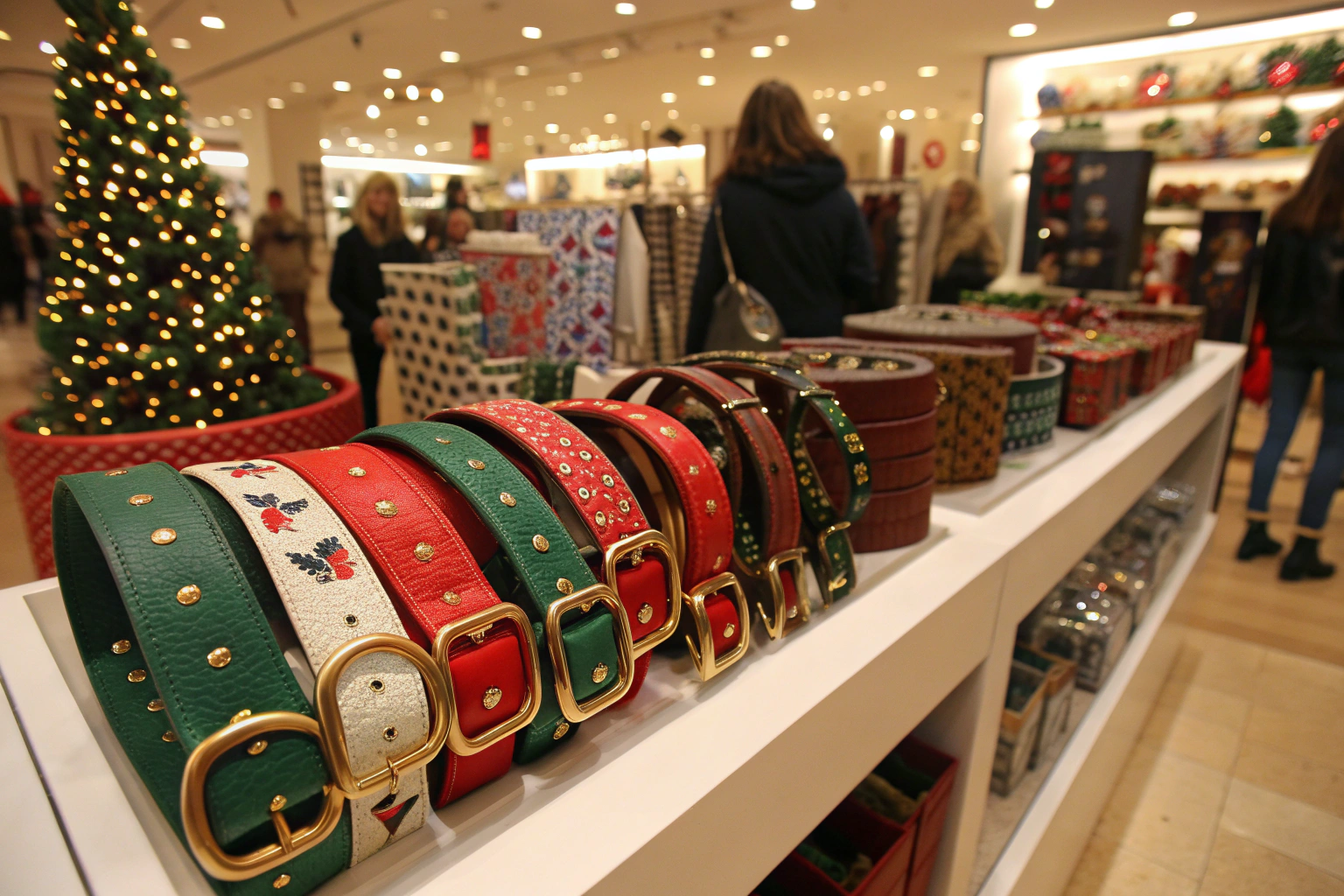
The holiday season is approaching, and you're worried about having the right festive belt collection. Last year, you faced stockouts of popular designs while being stuck with slow-moving items. The pressure to get seasonal inventory right is immense, as holiday sales can make or break your annual performance.
Sourcing festive belts for seasonal promotions requires strategic planning that begins 6-8 months in advance, focusing on trend forecasting, reliable manufacturer selection, flexible production scheduling, and logistics optimization. Successful retailers combine data from previous seasons with emerging fashion trends to create collections that resonate with holiday shoppers while managing inventory risks through phased ordering and responsive supply chains.
The seasonal belt market demands both creativity and operational excellence. Understanding how to navigate these challenges can transform your holiday sales from stressful to spectacular. Let's explore the key strategies that ensure your festive belt sourcing drives maximum revenue.
When Should You Start Sourcing for Holiday Seasons?
Timing is everything in seasonal sourcing. Starting too late means compromised quality and missed delivery deadlines, while starting too early risks betting on the wrong trends. The sweet spot requires balancing trend accuracy with production realities.
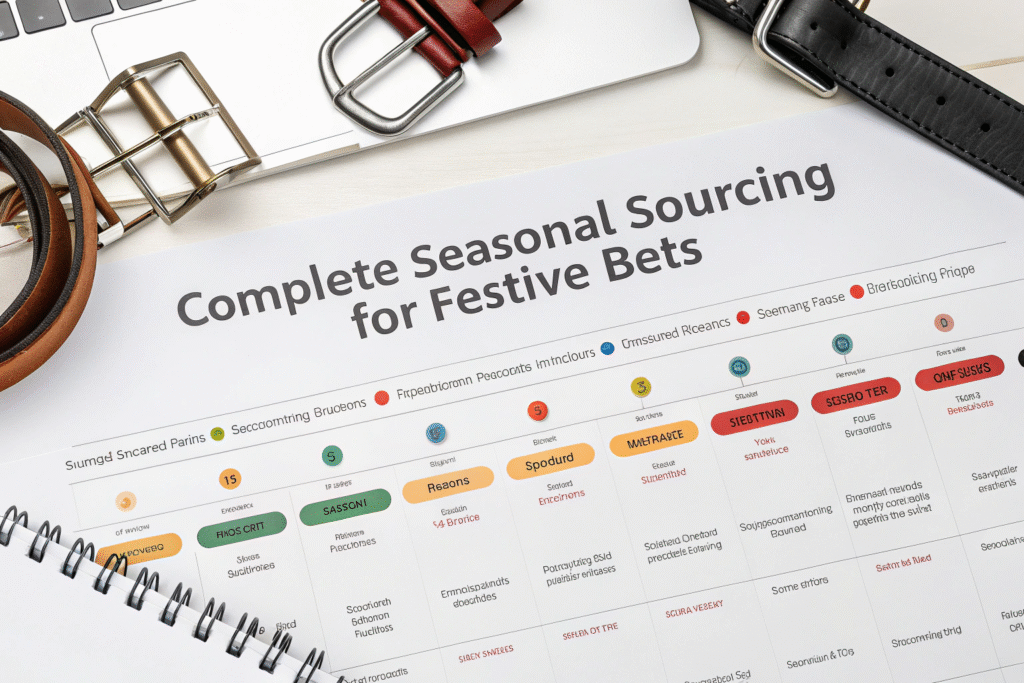
The ideal sourcing timeline begins with trend research in January-February for the following holiday season. Design finalization should occur by March-April, production from May-July, and shipping completed by August-September. This schedule allows for quality manufacturing while accommodating inevitable delays and ensuring retail readiness by early October.
What's the Optimal Production Schedule for Holiday Inventory?
The optimal production schedule allocates 60% of your holiday order for early production (May-June), 30% for mid-season production (July-August), and 10% for last-minute replenishment (September). This phased approach, combined with working alongside a manufacturer that offers fast production turnaround, minimizes risk while maintaining flexibility. Early production captures cost savings and ensures base inventory, while the replenishment batch allows for responding to emerging trends and best-sellers.
How Far in Advance Should You Secure Manufacturing Capacity?
Premium manufacturing capacity for holiday goods should be secured 3-4 months before production begins. For holiday 2024, reserve your production slots by January-February 2024. Early reservation ensures access to skilled artisans and premium materials, particularly important for intricate festive belt designs requiring special embellishments, embroidery, or custom buckles. Latecomers often face capacity constraints and compromised quality.
What Festive Belt Trends Drive Holiday Sales?
Understanding seasonal trends separates holiday winners from leftover inventory. The most successful festive belts combine timeless holiday elements with contemporary fashion influences that excite today's consumers.
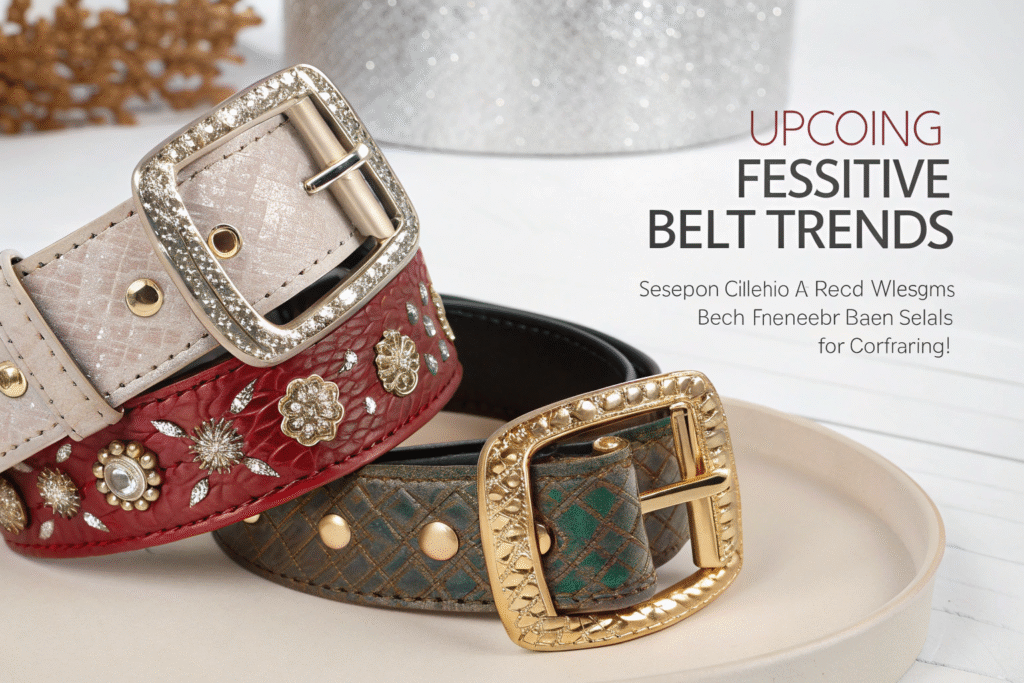
Current festive belt trends emphasize metallic leathers, rich jewel tones, decorative buckles with seasonal motifs, and versatile reversible designs. The key is creating products that work for both gift-giving and self-purchase, with price points spanning from impulse buys to premium gifts. Tracking seasonal color trends from authority sources ensures your palette aligns with consumer expectations.
Which Color Palettes Perform Best During Holidays?
Traditional holiday colors (red, green, gold, silver) maintain strong performance, accounting for approximately 60% of seasonal sales. However, contemporary metallic shades (rose gold, bronze), deep jewel tones (emerald, sapphire), and winter neutrals (navy, burgundy) have gained significant market share. The most successful programs balance classic holiday color psychology with fresh interpretations that appeal to younger demographics.
What Design Elements Increase Gift Appeal?
Gift-worthy belt features include premium packaging, reversible functionality, adjustable sizing, and story-driven design elements. Belts presented in special edition packaging see 25% higher sell-through at similar price points. Designs that work for multiple occasions (from office parties to formal events) and include sizing flexibility (such as no-hole designs) reduce gift anxiety and increase purchase conversion.
How to Manage Inventory Risk for Seasonal Products?
Seasonal inventory carries inherent risk, but strategic approaches can maximize sales while minimizing leftover stock. The goal isn't elimination of risk but intelligent risk management.
Effective seasonal inventory management combines data-driven forecasting with flexible sourcing arrangements. By analyzing previous years' sales patterns, monitoring pre-season indicators, and implementing staged ordering, retailers can achieve both depth in best-sellers and breadth in assortment while protecting against overcommitment.

What Order Phasing Strategy Minimizes Overstock?
Implement a three-phase ordering strategy: 50% commitment based on initial forecasts, 30% based on early sell-through data, and 20% as rapid replenishment. This approach, combined with manufacturers offering flexible production cycles, allows for course correction as real-time sales data emerges. The initial order covers conservative forecast needs, while the replenishment batches capture emerging winners and extend the selling season for successful items.
How Can You Liquidate Unsold Seasonal Inventory Effectively?
Develop a pre-planned liquidation strategy incorporating post-holiday sales, online marketplaces, and alternative retail channels. Successful strategies begin markdowns strategically (often starting December 26th) and utilize multiple clearance channels including company outlets, flash sale sites, and corporate gifting programs. Packaging removal and bundling with core products can also recover value while protecting brand pricing integrity.
What Logistics Considerations Ensure Timely Delivery?
Holiday logistics present unique challenges that can derail even the best-planned sourcing strategies. Understanding the logistics landscape is crucial for ensuring products arrive when needed.
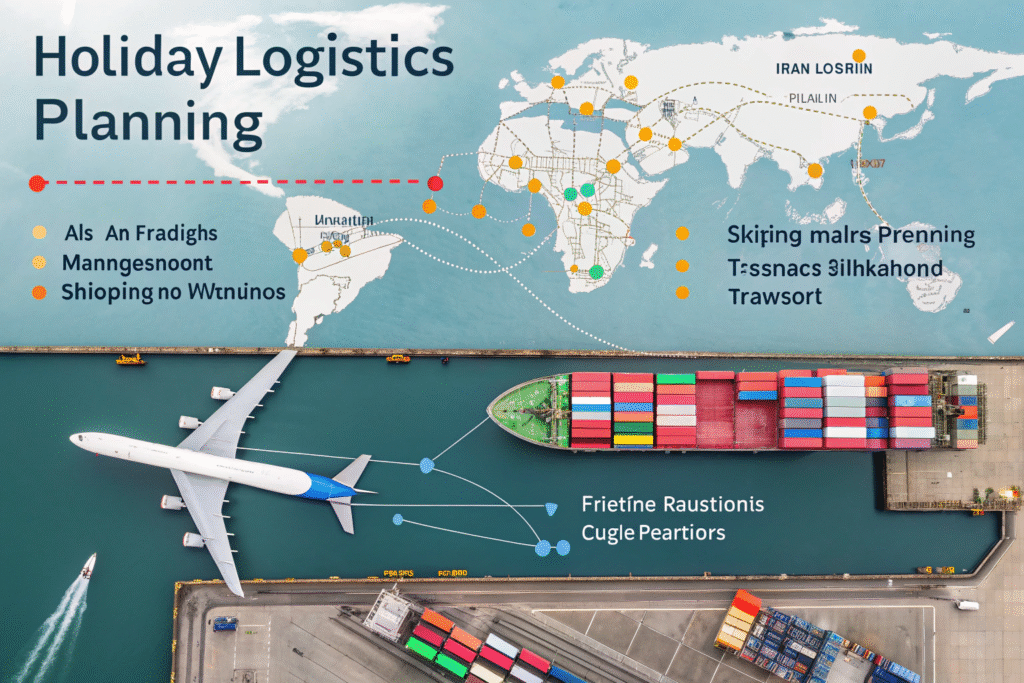
The holiday logistics crunch affects all transportation modes, with port congestion, air freight capacity constraints, and domestic delivery delays peaking in October-November. Successful seasonal sourcing builds buffer time into every logistics stage and maintains communication flexibility with logistics partners.
When Should You Switch from Sea to Air Freight?
Monitor your production timeline closely, and switch to air freight if sea shipping would deliver after your critical October 1st deadline. While air freight costs 3-5 times more than sea transport, the inventory carrying cost of missed sales often justifies premium shipping for at least portion of your shipment. Establish clear decision deadlines with your manufacturer (typically August 15th for sea freight, September 15th for air) to make informed transportation choices.
How Can You Mitigate Holiday Shipping Delays?
Build a 2-3 week buffer into your delivery timeline, diversify shipping routes, and maintain open communication with your logistics providers. Developing relationships with multiple freight forwarders ensures alternative options during capacity crunches. Also consider regional distribution strategies that position inventory closer to key markets before the holiday rush, reducing final-mile delivery time and uncertainty.
Conclusion
Successful festive belt sourcing requires equal parts creativity and operational discipline. By starting early, tracking relevant trends, managing inventory risk strategically, and navigating logistics proactively, you can build a holiday program that drives significant revenue while minimizing seasonal stress. The most successful seasonal collections balance holiday excitement with year-round wearability, ensuring both immediate sales and long-term customer satisfaction.
If you're planning your 2024 festive belt collection, contact our Business Director, Elaine. We specialize in seasonal production with flexible ordering and reliable delivery. Reach her at elaine@fumaoclothing.com to discuss your holiday sourcing strategy.