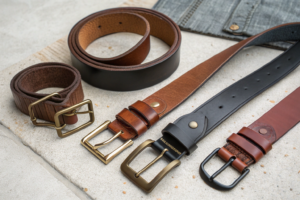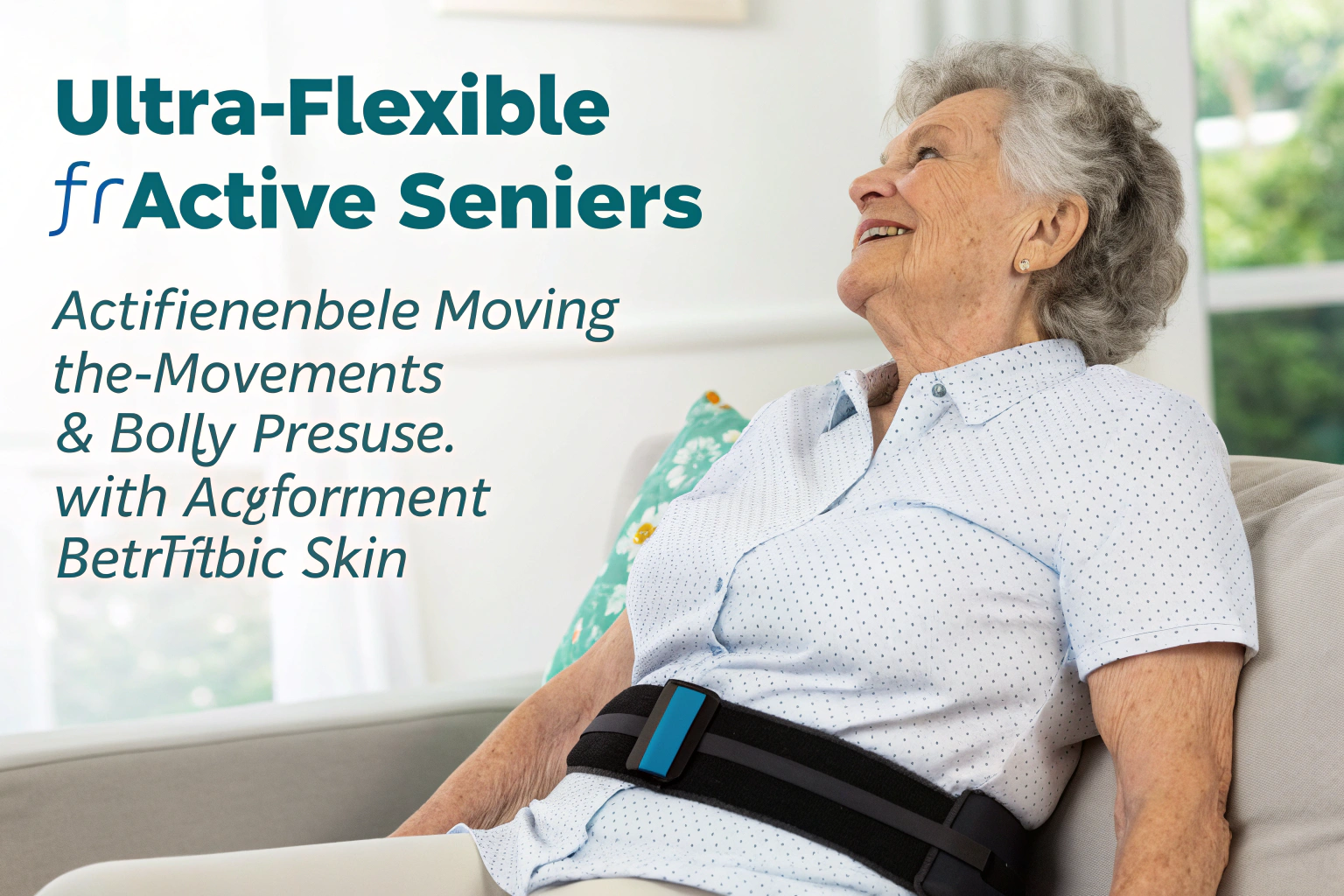
Your older customers complain about belt discomfort during daily activities. They struggle with traditional belts that dig into their waist, restrict movement, and become uncomfortable throughout the day. You're losing these valuable customers because your current belt selection doesn't meet their changing physical needs.
Ultra-flexible belts are essential for active seniors because they accommodate changing body shapes, provide consistent comfort during movement, and address specific age-related needs like arthritis and sensitive skin. Unlike traditional belts that remain rigid, flexible belts move with the body, distribute pressure evenly, and eliminate pressure points that cause discomfort and health concerns for older adults.
The senior market represents a growing and underserved segment in the fashion accessories industry. Understanding why traditional belts fail this demographic and how flexible designs succeed can unlock significant business opportunities while genuinely improving customers' quality of life.
What Physical Changes Make Flexibility Necessary?
Aging brings physical changes that make traditional belts problematic. Understanding these changes is crucial for designing belts that seniors can wear comfortably throughout their active days.
Key physical changes include shifting abdominal contours, decreased skin elasticity, increased sensitivity to pressure, and reduced flexibility for fastening mechanisms. These factors make standard belts with rigid materials and fixed hole positions increasingly uncomfortable and difficult to use independently.

How Do Body Shape Changes Affect Belt Comfort?
As people age, abdominal contours often change, with weight distribution shifting downward. Traditional belts with evenly spaced holes cannot accommodate this changing body shape comfortably. Ultra-flexible belts with stretch panels or adjustable mechanisms contour to these natural changes, eliminating the "muffin top" effect and preventing the belt from riding up or digging in. This adaptability ensures consistent comfort regardless of daily fluctuations or long-term body changes.
Why Does Skin Sensitivity Require Special Materials?
Aging skin becomes thinner, less elastic, and more susceptible to irritation and pressure sores. Rigid belt materials and rough inner surfaces can cause significant skin discomfort and even skin breakdown. Ultra-flexible belts using soft, breathable materials against the skin prevent these issues. Materials like supple leather, flexible webbing, and seamless constructions protect delicate skin while maintaining the belt's functional and aesthetic purposes.
How Do Flexible Belts Enhance Daily Activities?
For active seniors, clothing should support their lifestyle, not limit it. Ultra-flexible belts specifically enhance daily movements and activities that traditional belts restrict.
Flexible belts improve comfort during sitting, bending, walking, and driving by moving with the body rather than against it. This seamless adaptation to various positions eliminates the need for constant adjustment and prevents the discomfort of rigid materials pressing into the abdomen during normal daily motions.
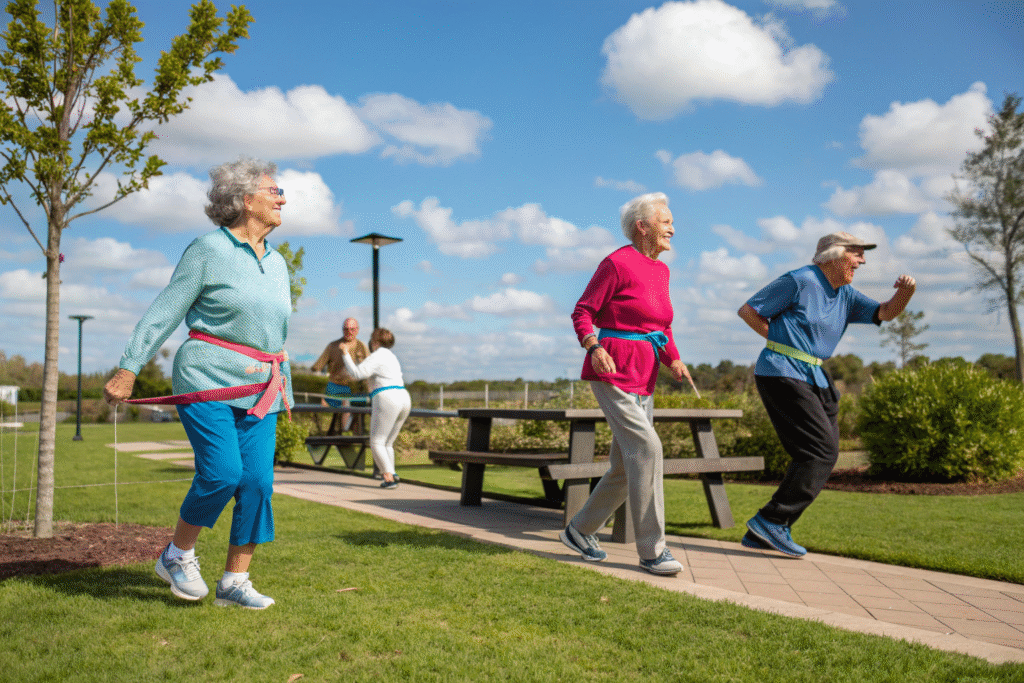
What Movement Benefits Do Flexible Belts Provide?
Ultra-flexible belts maintain consistent comfort during transitions between sitting, standing, and walking. Unlike rigid belts that create pressure points when sitting, flexible designs accommodate posture changes naturally. This is particularly important for seniors who may experience digestive discomfort or breathing restrictions when traditional belts compress their abdomen in seated positions. The flexibility ensures uninterrupted comfort throughout all daily activities.
How Do They Support Active Lifestyles?
From gentle walks to gardening and golf, active seniors require belts that move with them. Flexible belt designs provide necessary mobility for exercise without sacrificing security. Features like elastic inserts, flexible buckle systems, and lightweight materials support an active lifestyle while preventing the chafing and restriction caused by traditional belts. This encourages physical activity by removing clothing-related barriers to movement.
What Health Considerations Drive Flexible Belt Design?
Beyond comfort, flexible belts address specific health concerns that affect senior populations. These health-conscious designs can significantly improve wearers' quality of life and independence.
Key health considerations include arthritis-friendly fastening systems, accommodation of medical devices or conditions, prevention of circulation restriction, and support for varying abdominal conditions that require flexible sizing throughout the day.

Why Are Arthritis-Friendly Closures Important?
Arthritis affects nearly 50% of adults over 65, making traditional belt buckles difficult to manipulate. Flexible belts with easy closure systems like magnetic clasps, elastic no-hole designs, or larger, easier-to-grasp buckles maintain independence in dressing. These adaptations respect decreasing hand strength and dexterity while ensuring seniors can dress themselves confidently and comfortably without struggling with small, intricate fasteners.
How Do Flexible Belts Accommodate Medical Conditions?
Many seniors manage conditions like acid reflux, hiatal hernia, or abdominal surgeries that make pressure against the waist area uncomfortable or medically unadvisable. Ultra-flexible belts provide secure clothing support without restrictive abdominal pressure, which can exacerbate certain medical conditions. The ability to maintain consistent, gentle support without compression is both a comfort and health consideration for this demographic.
What Features Define Truly Senior-Friendly Belts?
Not all flexible belts are equally senior-friendly. Specific design elements combine to create belts that genuinely meet older adults' needs while maintaining style and functionality.
The most effective senior-friendly belts incorporate easy-to-use fastening systems, flexible yet supportive materials, adjustable sizing without traditional holes, and lightweight construction that doesn't add burden or discomfort.

What Makes Buckle Systems Senior-Appropriate?
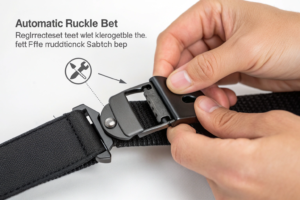
Senior-appropriate buckle systems prioritize ease of use with larger gripping surfaces, straightforward fastening mechanisms, and secure but simple closure methods. Magnetic buckles, easy-grip designs, and clasps that don't require precise alignment accommodate reduced dexterity and visual acuity. These systems provide the security of traditional buckles while eliminating the frustration and difficulty that often leads seniors to abandon belts altogether.
Why Is Adjustable Sizing Without Holes Advantageous?
Traditional belt holes offer limited adjustment points that rarely align perfectly with a senior's comfort needs throughout the day. No-hole belt systems with continuous adjustment provide micro-adjustability for perfect fit regardless of body position, clothing layers, or daily fluctuations. This eliminates the "between holes" dilemma where one setting feels too tight and the next too loose, ensuring optimal comfort in all situations.
Conclusion
Ultra-flexible belts are not just a comfort preference for active seniors—they're a practical necessity that supports continued independence, physical activity, and overall well-being. By addressing specific age-related physical changes, health considerations, and mobility needs, these specialized belts solve real problems that traditional belts exacerbate. The growing senior demographic represents a significant market opportunity for retailers who understand these needs and provide thoughtful, well-designed solutions.
If you're interested in developing ultra-flexible belts for the active senior market, contact our Business Director, Elaine. We specialize in designing and manufacturing age-appropriate fashion accessories that combine comfort, style, and functionality. Reach her at elaine@fumaoclothing.com to discuss senior-friendly belt designs.