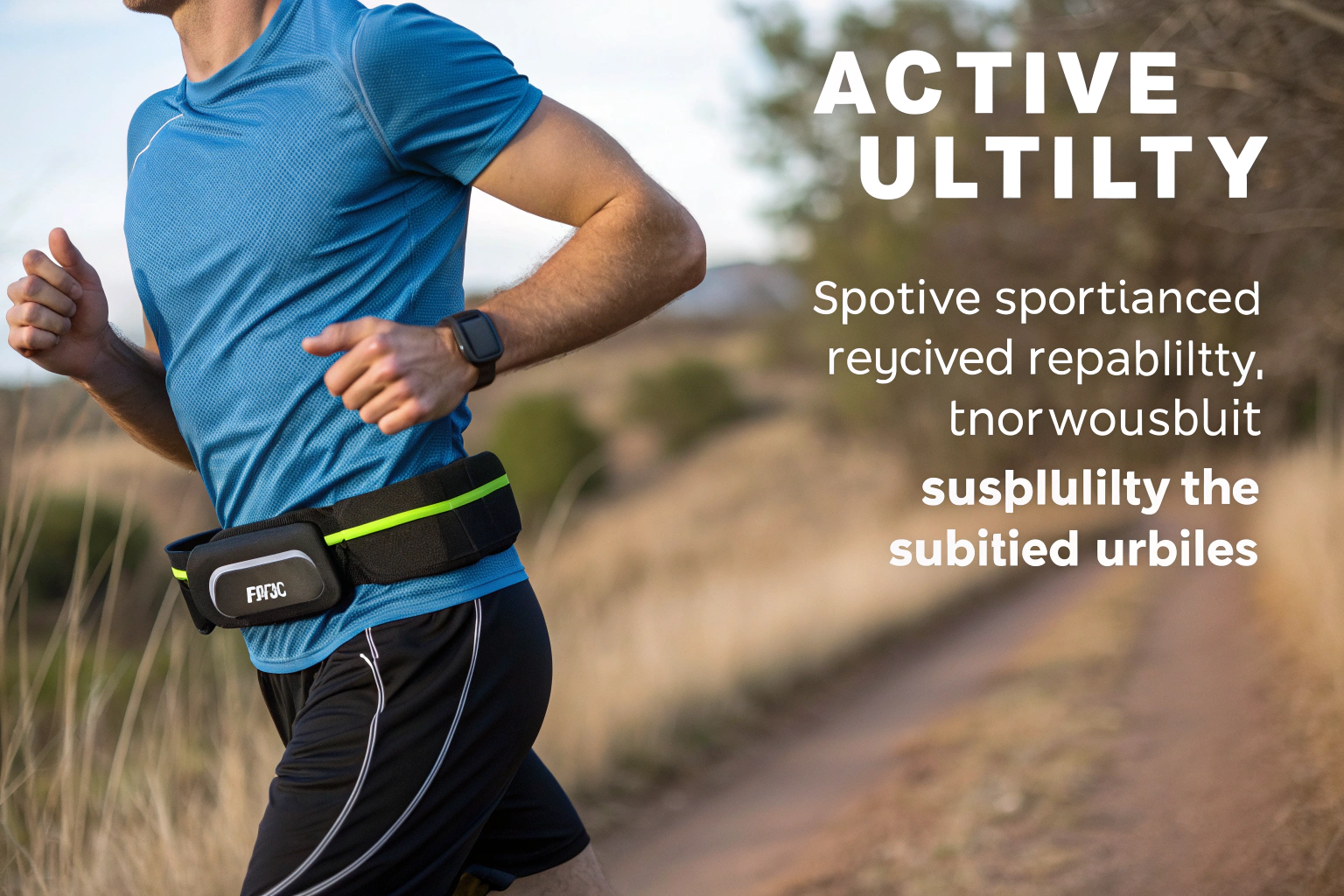
Active consumers demand belts that keep up with their dynamic lifestyles, yet many sport belts fail under rigorous conditions. Traditional materials crack, fade, or lack the flexibility needed for full range of motion during physical activities, leaving users constantly adjusting or replacing their gear.
Recycled rubber proves ideal for sport utility belts because it offers exceptional durability that withstands extreme conditions, provides superior water resistance for aquatic activities, delivers unmatched flexibility for unrestricted movement, and supports environmental sustainability that resonates with eco-conscious consumers. This material combination creates belts that perform reliably during intense physical activities while aligning with modern values of environmental responsibility.
The sport utility belt market has shifted toward technical materials that enhance performance rather than simply accessorizing. Understanding why recycled rubber excels in this category helps manufacturers meet consumer demands for both functionality and ethical production.
How Does Recycled Rubber Enhance Durability for Active Use?
Sport utility belts face constant stress from stretching, abrasion, and environmental exposure. Recycled rubber's inherent properties provide resilience that surpasses many conventional materials, ensuring belts maintain integrity through years of active use.
Recycled rubber maintains excellent tensile strength and tear resistance while offering natural elasticity that returns to its original shape after repeated stretching. This memory characteristic prevents the permanent deformation common in leather or nylon belts after prolonged wear during physical activities.
What Physical Properties Withstand Sporting Conditions?
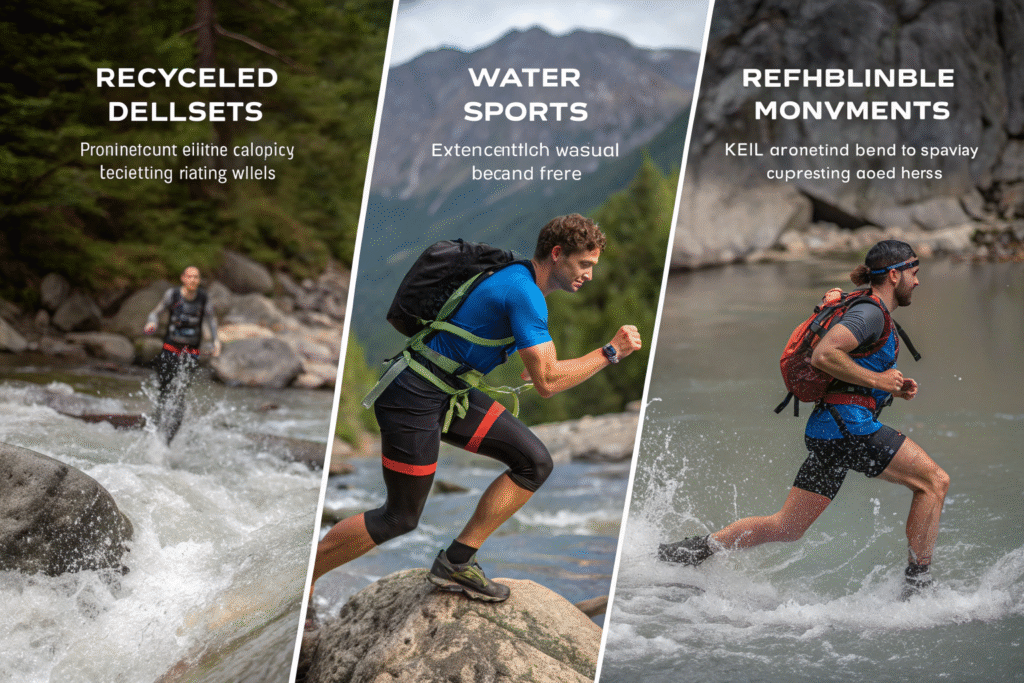
Recycled rubber's cross-linked polymer structure provides exceptional abrasion resistance against rough surfaces like rock climbing walls or hiking gear. The material's natural elasticity allows up to 300% stretch capacity without tearing, crucial for belts accommodating body movement during activities like yoga or weightlifting. Unlike materials that degrade with moisture exposure, recycled rubber maintains its structural integrity when wet, sweated on, or submerged, preventing the weakening and cracking that affects natural fibers and some synthetics.
How Does Material Longevity Compare to Traditional Options?
Where leather may crack, fade, or develop permanent creases, and nylon can fray or weaken with UV exposure, recycled rubber maintains consistent performance. Testing shows high-quality recycled rubber formulations withstand 5-7 years of daily athletic use without significant degradation. The material resists UV radiation damage that causes color fading in other materials, ensuring the belt maintains its appearance through years of outdoor exposure. This longevity makes recycled rubber belts more sustainable through reduced replacement frequency.
What Environmental Advantages Support Market Appeal?
Modern consumers increasingly prioritize sustainability in their purchasing decisions. Recycled rubber transforms industrial waste into high-performance products, creating compelling environmental stories that resonate with eco-conscious athletes.
The production of recycled rubber belts diverts material from landfills, requires significantly less energy than virgin rubber production, and reduces petroleum dependency. These environmental benefits become powerful marketing points that differentiate products in a crowded marketplace.
How Significant is the Waste Reduction Impact?
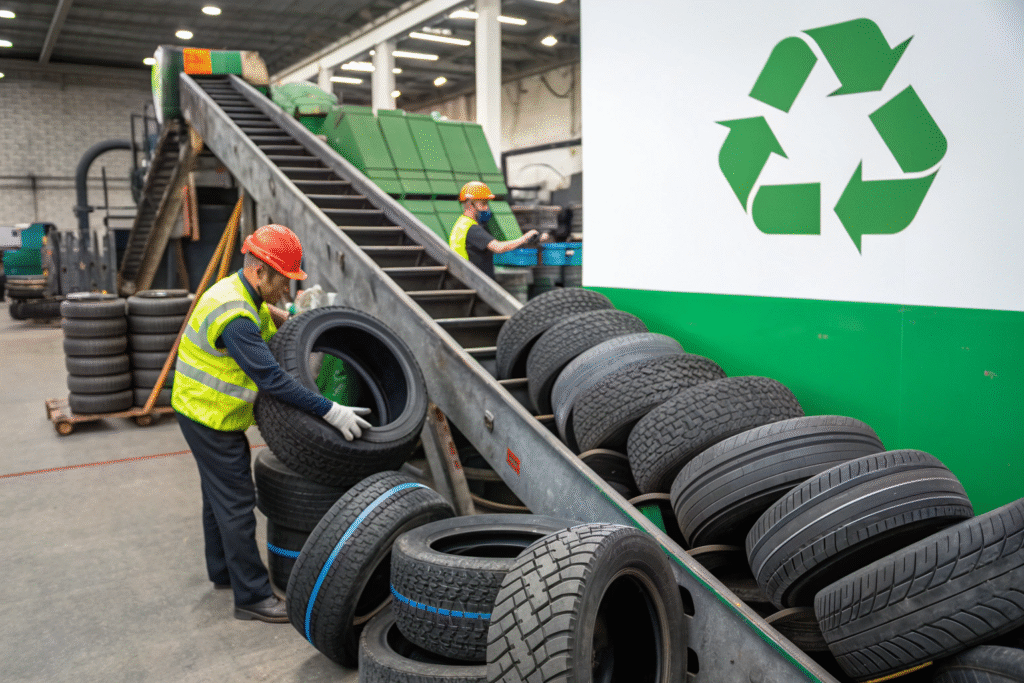
The rubber recycling industry diverts approximately 100 million tires annually from landfills in the United States alone. Manufacturing sport utility belts from this material transforms waste into valuable products while addressing a significant environmental challenge. Each standard sport belt utilizes rubber equivalent to approximately 15% of a passenger tire, creating tangible waste diversion metrics that brands can communicate to environmentally conscious consumers. This closed-loop approach appeals particularly to outdoor enthusiasts who witness environmental degradation firsthand.
How Does Lifecycle Analysis Compare to Virgin Materials?
Lifecycle assessment reveals recycled rubber production requires up to 80% less energy than virgin rubber manufacturing while reducing water consumption by approximately 50%. The carbon footprint reduction reaches 60-70% compared to synthetic rubber production from petroleum sources. These dramatic environmental advantages position recycled rubber belts as conscious choices for athletes seeking to minimize their ecological impact without compromising product performance during their activities.
How Does Performance Compare to Technical Synthetics?
Technical synthetic materials dominate the sport accessories market, but recycled rubber offers unique advantages that often surpass these specialized fabrics. Understanding these performance differences helps manufacturers position products effectively.
Recycled rubber provides a balance of properties that single-purpose synthetics struggle to match. While some materials excel in specific areas, recycled rubber delivers comprehensive performance across multiple metrics important for sport utility applications.
What Performance Advantages Exist Over Nylon and Polyester?
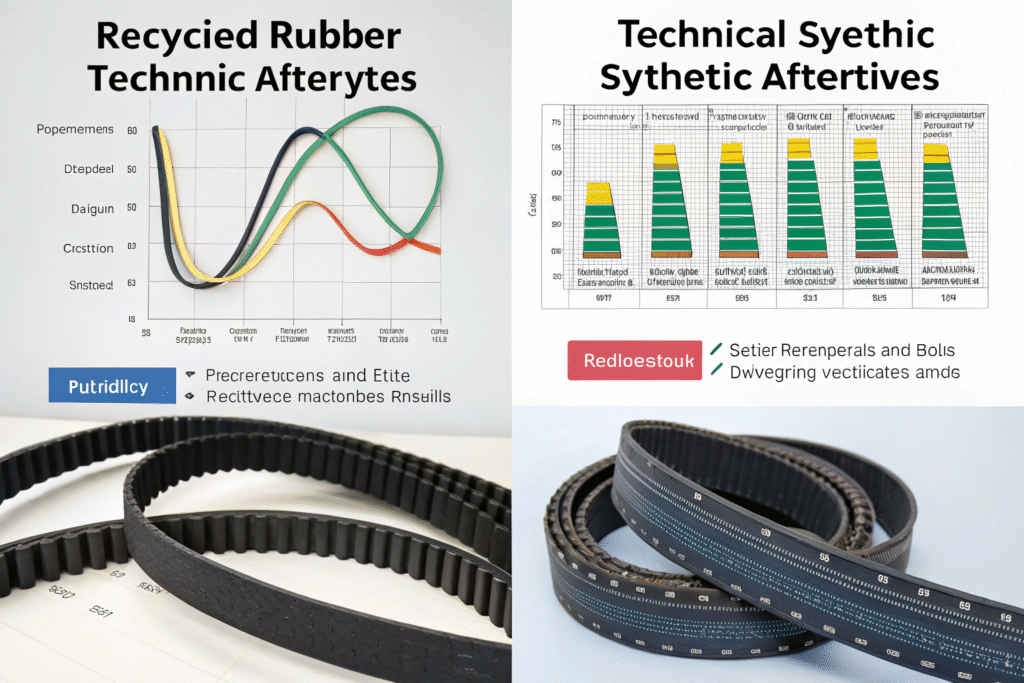
Unlike woven synthetics that absorb moisture and become heavy when wet, recycled rubber provides complete water resistance while remaining lightweight. The non-absorbent nature prevents odor retention common in synthetic fabrics that trap sweat and bacteria. For water sports enthusiasts, this means no waterlogged weight increase or prolonged drying times. The material's inherent flex strength exceeds most woven synthetics, resisting tearing at stress points like buckle attachments where nylon webbing often fails first.
How Does Functional Performance Enhance User Experience?
Recycled rubber's high coefficient of friction prevents shirt riding and belt slippage during dynamic movements, a common complaint with smooth synthetic materials. The material maintains consistent performance across temperature extremes that would stiffen leather or make some plastics brittle. For outdoor enthusiasts facing variable conditions, this reliability ensures the belt performs equally well in desert heat and mountain cold without adjustment or concern about material failure.
What Design Innovations Maximize Recycled Rubber Benefits?
Material excellence requires complementary design to maximize potential. Innovative belt designs leverage recycled rubber's unique properties while addressing its limitations through thoughtful engineering and user-centered features.
Successful recycled rubber belt designs incorporate texture variations for grip, integrated attachment systems for gear, and closure mechanisms that work effectively with the material's characteristics. These innovations transform the material into functional solutions for active users.
How Can Texture and Pattern Enhance Functionality?
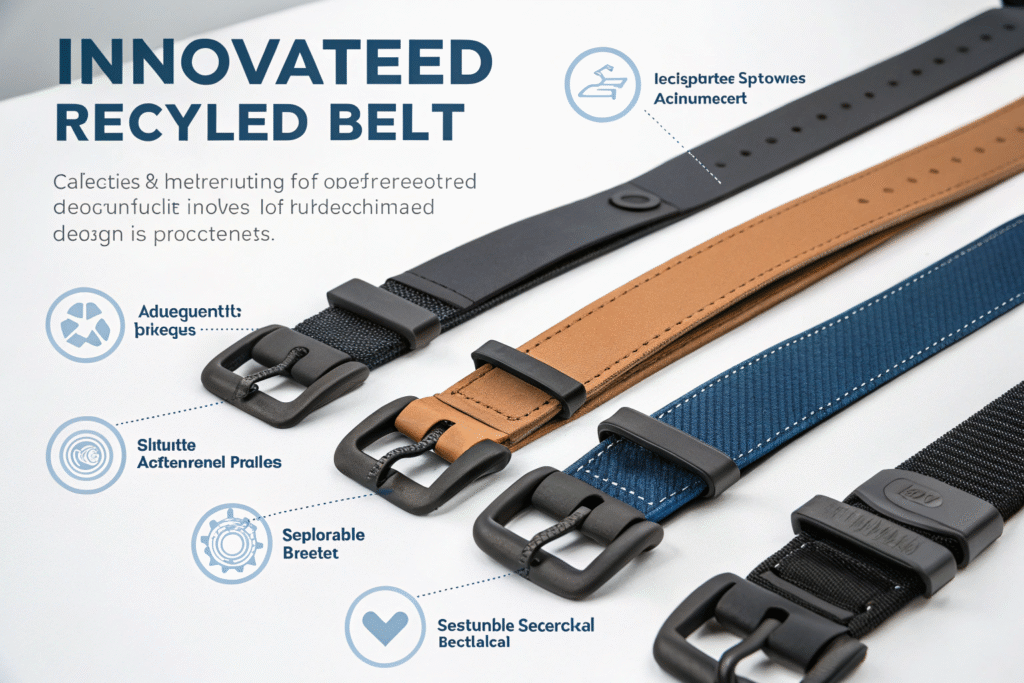
Strategic texturing improves recycled rubber's natural grip properties. Diamond patterns or micro-textures on the belt's inner surface prevent slippage against clothing during high-movement activities. Perimeter ribbing can strengthen edges against rolling or deformation while providing visual interest. These textural elements serve both functional and aesthetic purposes, creating belts that perform better while communicating their technical nature through visual and tactile cues that differentiate them from conventional accessories.
What Closure Systems Work Best with Recycled Rubber?
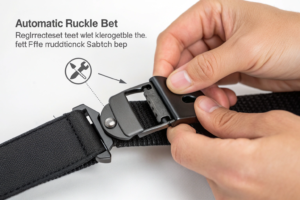
Traditional pin buckles struggle with recycled rubber's thickness and flexibility, leading to premature hole tearing. Magnetic closures, roller buckles, and friction-based systems like the G-hook design work more effectively with the material's properties. These systems distribute pressure evenly across the belt width rather than concentrating stress at single points. For water sports applications, corrosion-resistant components maintain function despite constant saltwater or chlorine exposure, ensuring long-term reliability matching the recycled rubber's durability.
Conclusion
Recycled rubber represents the convergence of performance requirements and environmental responsibility in sport utility belts. Its exceptional durability, water resistance, and flexibility meet the demanding needs of active users while its sustainable production credentials appeal to eco-conscious consumers. The material's inherent properties outperform many technical synthetics while telling a compelling environmental story that resonates in today's market. When combined with innovative design approaches that maximize its advantages, recycled rubber creates sport utility belts that satisfy both functional requirements and ethical values.
If you're interested in developing sport utility belts using recycled rubber, contact our Business Director, Elaine. Our expertise in performance materials and sustainable manufacturing can help create products that excel in both function and environmental responsibility. Reach her at elaine@fumaoclothing.com to discuss your sustainable sport belt development.