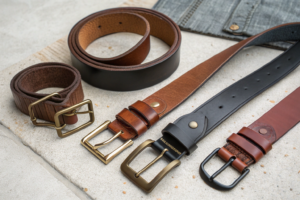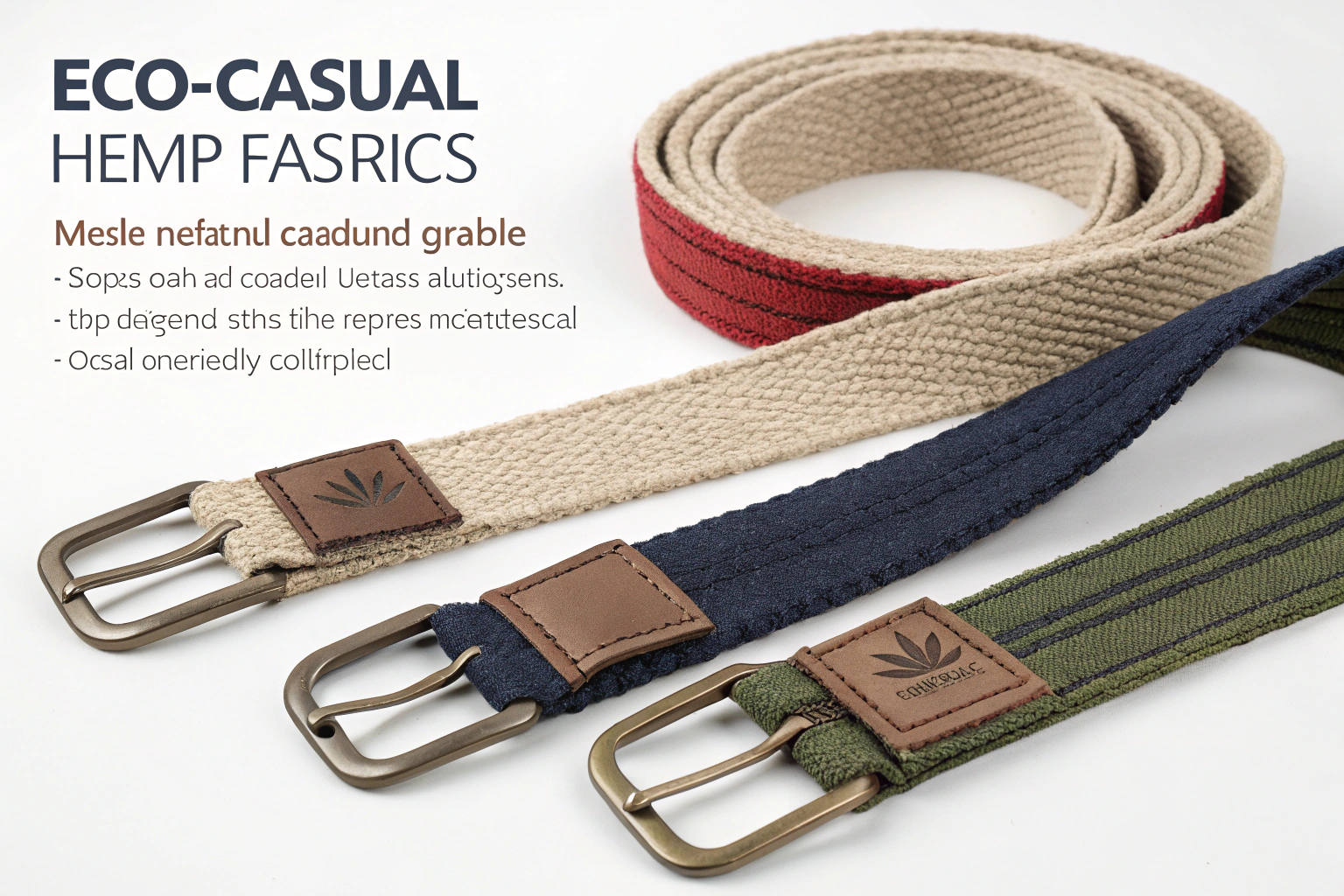
The demand for sustainable fashion continues to grow, yet many eco-friendly materials sacrifice durability or aesthetic appeal. Your customers want environmentally responsible choices, but they won't compromise on quality, style, or longevity. Hemp-blend fabrics offer a solution that balances ecological benefits with practical performance.
Hemp-blend fabrics are ideal for eco-casual belts because they combine sustainability with superior performance. These blends offer exceptional durability that outlasts cotton, natural antimicrobial properties that resist odor, moisture-wicking capabilities that enhance comfort, and a significantly lower environmental footprint than conventional materials. When blended with organic cotton or recycled polyester, hemp creates fabrics that meet both environmental standards and consumer expectations for quality and style in casual accessories.
The resurgence of hemp in fashion represents more than a trend—it's a practical response to the limitations of conventional materials and the growing demand for truly sustainable options. Understanding why hemp blends excel helps brands make informed material choices that align with both values and business objectives.
What Environmental Advantages Do Hemp Blends Offer?
Hemp's environmental credentials extend far beyond being "natural." The plant offers specific agricultural and manufacturing benefits that make it exceptionally sustainable compared to other textile crops.
The environmental advantages include significantly reduced water requirements, natural pest resistance that minimizes chemical applications, soil regeneration properties, and carbon sequestration capabilities. These factors combine to create a material with a dramatically lower ecological footprint from field to finished product.
How Does Hemp Cultivation Compare to Cotton?
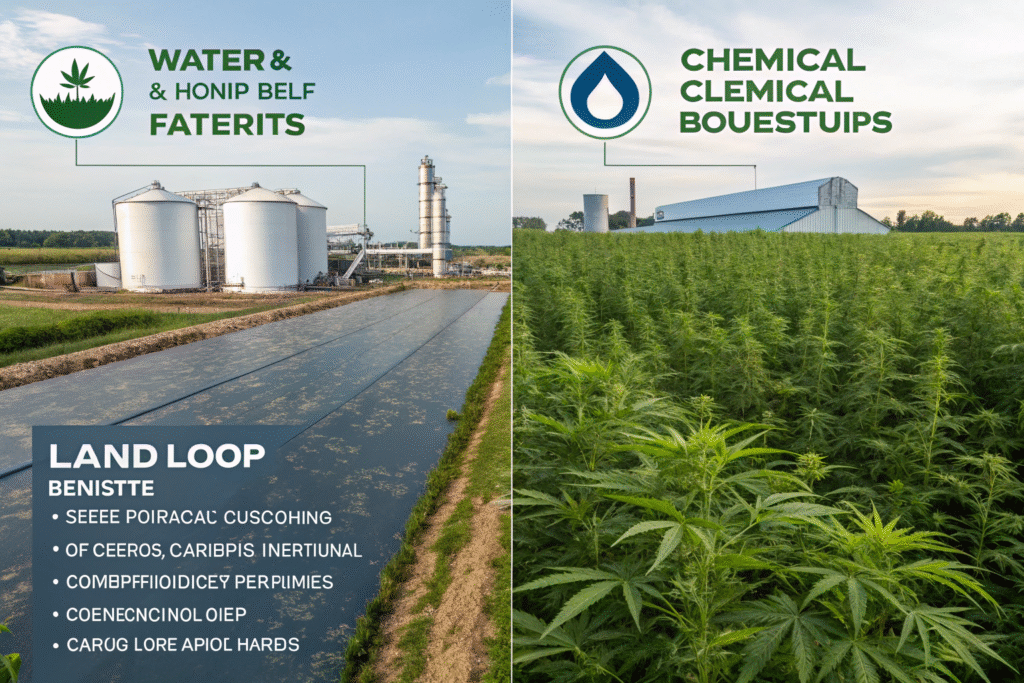
Hemp requires approximately 50% less water than conventional cotton to produce equivalent fiber yields. Unlike cotton, which typically occupies 2.4% of cultivated land but uses 6% of agricultural chemicals, hemp naturally repels pests and requires minimal pesticides. The plant's deep root system prevents soil erosion and actually improves soil health for subsequent crops through a process called phytoremediation. These agricultural advantages make hemp blends a genuinely more sustainable choice from the very beginning of the supply chain.
What Manufacturing Benefits Reduce Environmental Impact?
Hemp processing typically utilizes more closed-loop systems than conventional textile manufacturing, with some facilities recycling up to 98% of processing chemicals. The fiber's natural color variations often reduce or eliminate dye requirements, minimizing water pollution. When blended with recycled materials like post-consumer polyester, hemp creates fabrics that divert waste from landfills while maintaining performance characteristics. These manufacturing advantages compound the agricultural benefits to create a comprehensively lower environmental impact.
How Do Performance Characteristics Benefit Belt Design?
Hemp's natural fiber properties translate into practical advantages that enhance belt performance beyond what conventional materials can offer. These characteristics make hemp blends particularly suitable for casual belts that face daily wear.
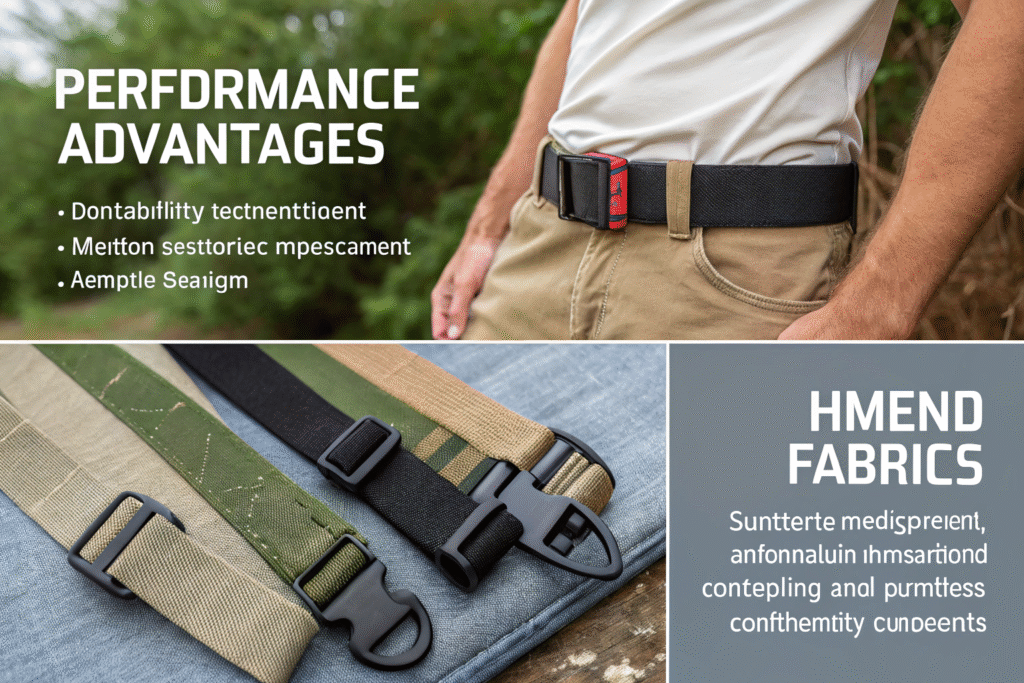
The performance benefits include exceptional tensile strength, natural resistance to ultraviolet degradation, moisture-wicking capabilities, and inherent antimicrobial properties. These characteristics address common belt complaints while extending product lifespan.
What Durability Advantages Extend Product Lifespan?
Hemp fibers boast three times the tensile strength of cotton, making hemp-blend belts significantly more resistant to tearing and abrasion. The fiber's natural resistance to UV degradation prevents the fading and weakening that plagues many natural fiber belts with sun exposure. This durability means hemp-blend belts typically maintain their appearance and structural integrity 2-3 times longer than comparable cotton belts, reducing replacement frequency and delivering better long-term value to consumers.
How Do Comfort Features Enhance Wearability?
Hemp's hollow fiber structure creates natural thermoregulating properties that help maintain comfortable body temperatures in varying conditions. The fibers wick moisture 30% more effectively than cotton, preventing the dampness and discomfort that can develop during extended wear. Unlike synthetic blends that can trap odors, hemp's natural antimicrobial properties inhibit bacterial growth that causes unpleasant smells. These comfort advantages make hemp-blend belts particularly suitable for active lifestyles and warm climates.
What Aesthetic Qualities Appeal to Conscious Consumers?
Today's conscious consumers seek products that align with their values without compromising style. Hemp-blend fabrics offer distinctive aesthetic qualities that communicate sustainability while delivering visual sophistication.
The aesthetic advantages include unique texture variations, sophisticated natural color palettes, an appealing drape and hand feel, and visual storytelling potential that resonates with eco-conscious buyers. These qualities help belts stand out in a crowded market.
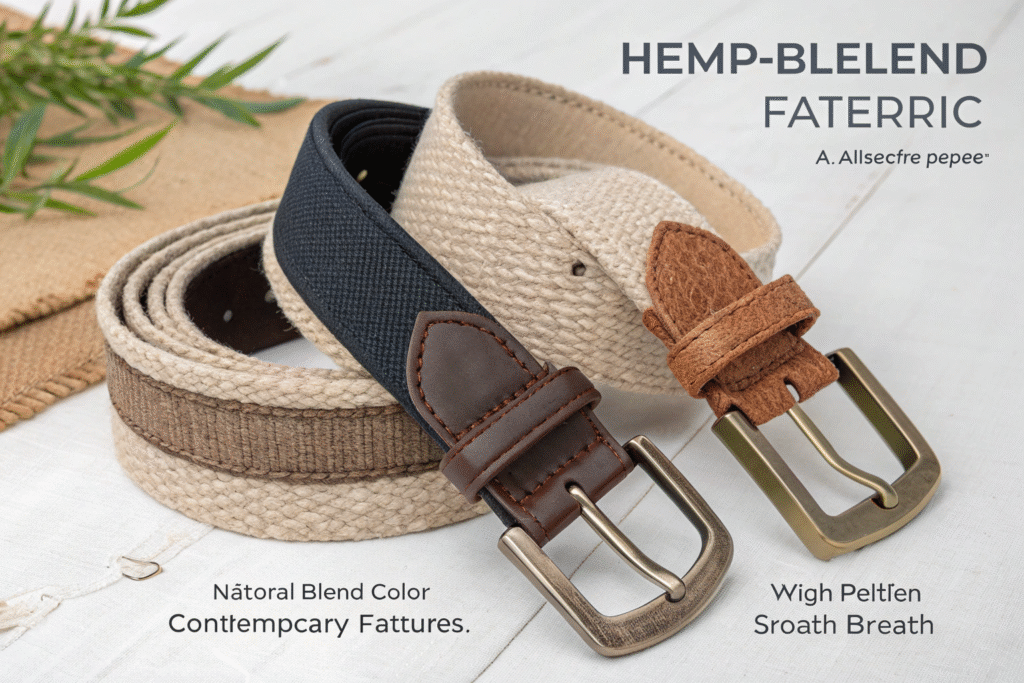
How Do Natural Textures Enhance Visual Interest?
Hemp-blend fabrics exhibit subtle slub variations and texture inconsistencies that mass-produced synthetics cannot replicate. These natural imperfections create visual depth and character that develop further with wear. The fabric's ability to hold structured shapes while softening with age gives belts a unique lived-in quality that many consumers find appealing. This evolving character tells a visual story of sustainable authenticity that resonates particularly well with the market for eco-casual accessories.
What Marketing Advantages Come with Hemp's Story?
Hemp carries a compelling narrative of rediscovery and agricultural heritage that brands can leverage in marketing. The fiber's association with regenerative agriculture practices connects products to positive environmental stories. Consumer awareness of hemp's sustainability advantages has grown dramatically, with 68% of conscious consumers now recognizing hemp as an eco-friendly material. This existing positive perception reduces the educational burden for marketers and creates immediate resonance with target audiences.
How Do Hemp Blends Address Practical Manufacturing Considerations?
While environmental and performance benefits are compelling, practical manufacturing considerations ultimately determine whether materials work at commercial scale. Hemp blends offer specific advantages that facilitate efficient, quality production.
The manufacturing benefits include excellent dye absorption that reduces colorant requirements, dimensional stability that simplifies pattern making, compatibility with existing production equipment, and consistent performance across production runs. These practical advantages make hemp blends accessible to manufacturers at various scales.
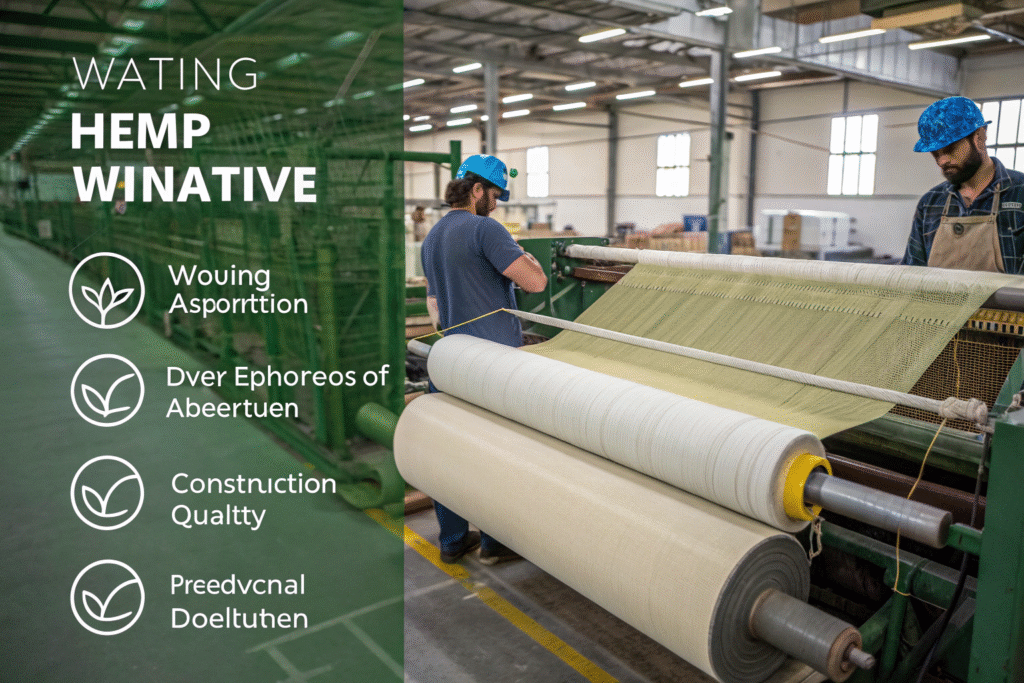
How Does Processing Compare to Conventional Materials?
Modern hemp processing technology has advanced significantly, making production nearly as efficient as conventional textiles. The fiber's compatibility with standard weaving and knitting equipment means manufacturers can integrate hemp blends without major capital investments. Hemp's natural wax content actually facilitates processing by reducing static electricity and fiber breakage during manufacturing. These processing characteristics have eliminated earlier barriers to hemp adoption in commercial textile production.
What Quality Control Advantages Ensure Consistency?
Hemp blends demonstrate minimal shrinkage compared to pure natural fibers, typically under 3% versus 5-8% for pure cotton. This dimensional stability ensures consistent sizing throughout production runs. The fiber's consistent absorption properties allow for uniform dye penetration, reducing color variation between batches. These predictable characteristics simplify quality control processes and minimize production waste, contributing to both economic and environmental efficiency.
Conclusion
Hemp-blend fabrics represent an optimal balance of sustainability, performance, and aesthetics for eco-casual belts. Their environmental advantages begin at cultivation and extend through manufacturing, while their durability and comfort characteristics exceed conventional materials. The distinctive aesthetic qualities and compelling sustainability story provide marketing advantages that resonate with conscious consumers. Combined with practical manufacturing benefits that facilitate commercial production, hemp blends offer a comprehensive solution for brands seeking to align their products with contemporary values without compromising quality or style.
If you're interested in developing eco-casual belts using hemp-blend fabrics, contact our Business Director, Elaine. Our expertise in sustainable materials can help you create products that meet both environmental standards and market expectations. Reach her at elaine@fumaoclothing.com to discuss your hemp-blend belt development.