Your plastic belt buckles are failing in the field, resulting in product returns and damaged brand reputation. Customers complain about cracked buckles, broken clasps, and failed mechanisms after minimal use. The root cause often traces back to inadequate impact resistance testing during product development.
Verifying impact resistance in plastic belt buckles requires implementing standardized drop testing, conducting controlled impact simulations, analyzing material composition and wall thickness, and performing real-world scenario testing. The most effective verification combines laboratory measurements with practical assessments that replicate how buckles actually fail during daily use, from being dropped on hard surfaces to experiencing sudden stress during belt tightening.
Impact resistance separates quality plastic buckles from those that fail prematurely. Understanding proper verification methods helps manufacturers produce reliable products while giving buyers confidence in their plastic buckle selections.
What Standardized Tests Measure Impact Resistance?
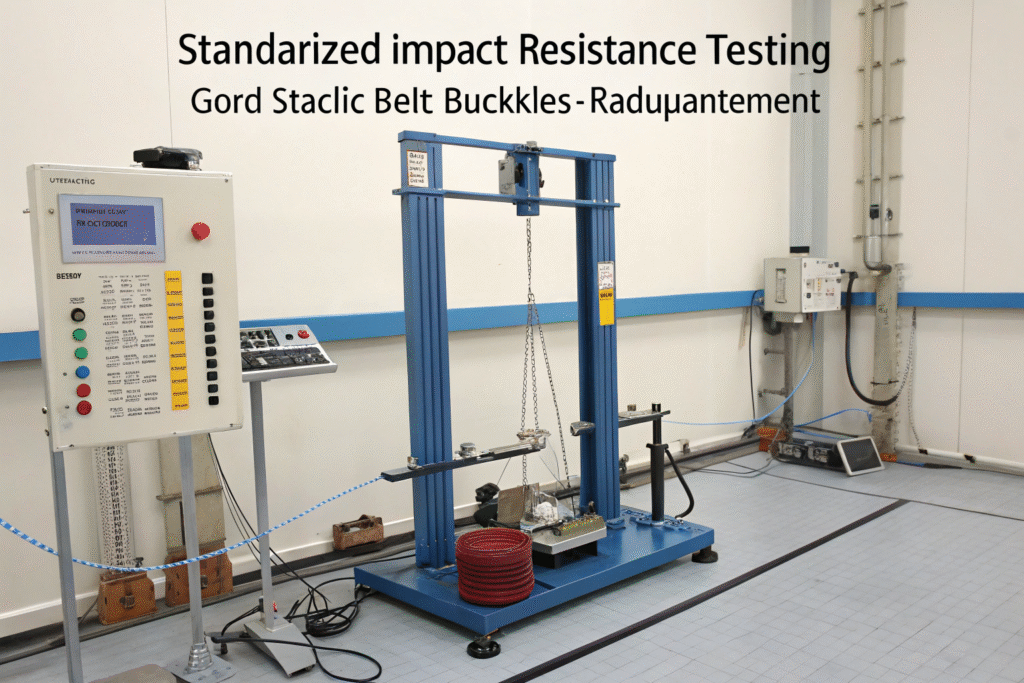
Standardized testing provides objective, comparable data about buckle performance under impact conditions. These tests simulate the types of forces buckles experience during actual use and accidental abuse.
The most relevant standardized tests include Izod and Charpy impact tests, falling dart impact tests, and specific buckle-focused testing protocols developed by organizations like ASTM International. Each test measures different aspects of impact resistance under controlled conditions.
How Does the Izod Impact Test Apply to Buckles?
The Izod impact test measures the energy required to break a notched specimen using a pendulum hammer. For plastic buckles, this test helps evaluate the material's toughness and notch sensitivity—how likely cracks are to propagate from stress points like buckle pin holes or attachment points. Typical quality plastic buckles demonstrate Izod impact strengths between 5-15 ft-lb/in, with higher values indicating better resistance to brittle fracture. This test is particularly valuable for comparing different polymer formulations before buckle production.
What Does Falling Dart Testing Reveal About Real-World Performance?
The instrumented falling dart test simulates actual impact scenarios better than pendulum tests by striking flat or curved specimens with a controlled weight. For belt buckles, this test can identify the exact force at which different buckle areas fail. By testing buckles at various temperatures, manufacturers can determine the ductile-to-brittle transition temperature—critical for products used in both summer heat and winter cold. This testing helps optimize buckle design by identifying weak points before mass production.
How Does Material Selection Determine Impact Performance?
The polymer type, additives, and manufacturing process fundamentally determine a buckle's impact resistance. Understanding these material factors allows for better buckle selection and specification.
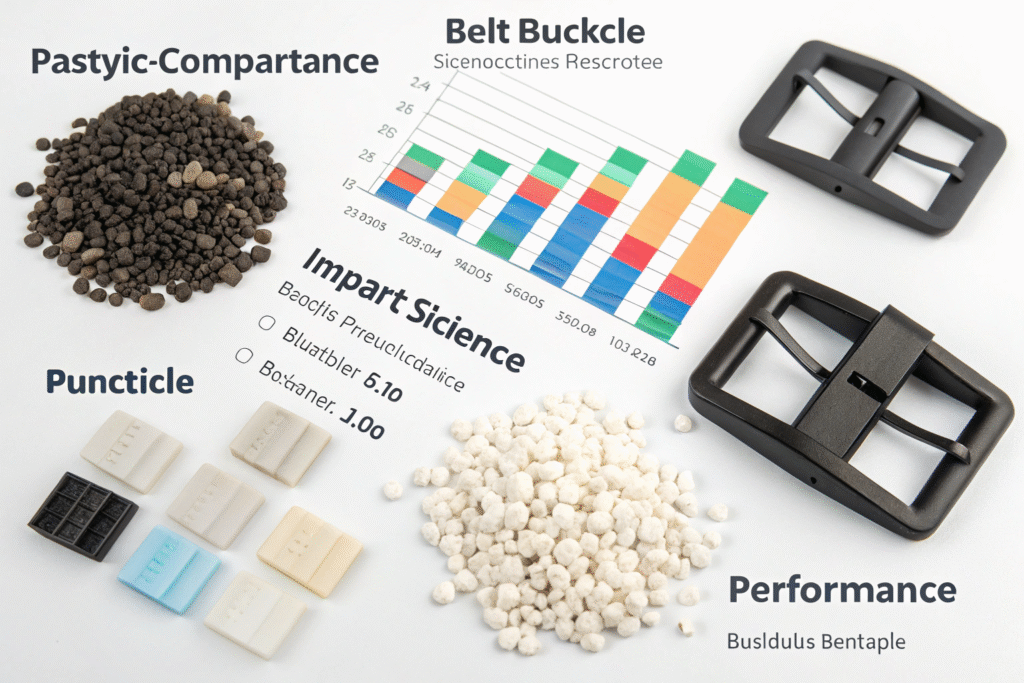
Key material considerations include polymer family characteristics, reinforcement additives, plasticizer content, and manufacturing methods that affect molecular orientation and internal stresses. Each factor significantly influences how buckles withstand impact forces.
What Polymer Families Offer the Best Impact Resistance?
Acetal (POM) provides excellent stiffness and fatigue resistance but can be brittle in thick sections. Nylon (Polyamide) offers good impact strength that actually increases with moisture absorption, making it suitable for belts worn against the body. Polycarbonate delivers outstanding impact resistance but may require UV stabilizers for outdoor use. The toughest option is often glass-filled nylon, which combines nylon's toughness with glass fiber reinforcement for exceptional impact resistance.
How Do Additives and Fillers Affect Impact Properties?
Impact modifiers like MBS (methyl methacrylate-butadiene-styrene) can significantly improve the toughness of otherwise brittle plastics. Glass fiber reinforcement (typically 15-30%) increases stiffness and impact strength but can make materials more anisotropic—stronger in the fiber direction than across it. Plasticizers increase flexibility and impact resistance but may migrate over time, causing embrittlement. Understanding these additives helps specify the right material combination for specific buckle applications.
What Design Factors Influence Impact Resistance?
Buckle design significantly impacts how well it withstands impact forces, regardless of material selection. Thoughtful design can dramatically improve impact resistance without changing materials or increasing costs.
Critical design factors include uniform wall thickness, generous radii at stress points, strategic rib placement, and minimizing notch effects that concentrate stress. Each design element either contributes to or detracts from overall impact performance.
How Does Wall Thickness Distribution Affect Impact Performance?
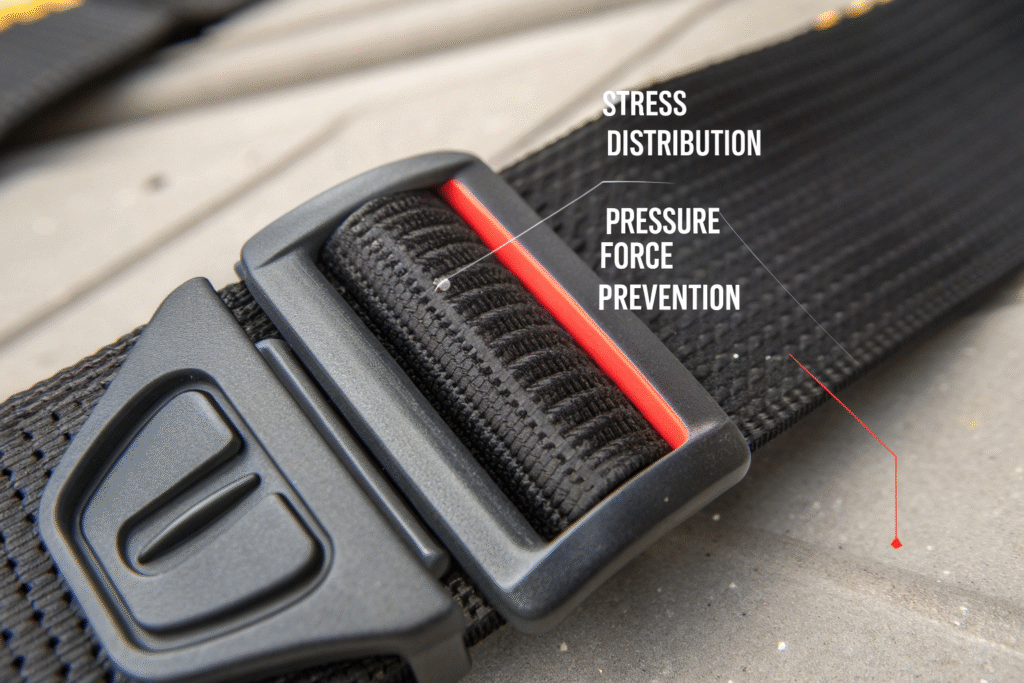
Uniform wall thickness prevents stress concentration that leads to cracking during impact. Sudden thickness changes create internal stresses that become failure initiation points. Optimal buckle designs maintain consistent wall thickness between 2.5-4mm, with gradual transitions between thick and thin sections. Areas around pivot points and attachment springs typically require additional material—achieved through ribbing rather than massive sections to avoid sink marks and internal voids that weaken the structure.
What Role Do Radii Play in Impact Resistance?
Sharp corners create stress concentration factors that can multiply local stresses by 3-5 times during impact. Implementing generous radii (minimum 0.5mm, ideally 1.0mm or more) at all internal and external corners distributes impact forces more evenly throughout the buckle structure. The tongue slot, spring attachment points, and frame corners particularly benefit from radiused design. This simple design modification often improves impact resistance more significantly than material changes.
How Can Real-World Scenario Testing Complement Laboratory Methods?
Laboratory tests provide valuable comparative data, but real-world scenario testing reveals how buckles actually perform in use conditions that standardized tests cannot fully replicate.
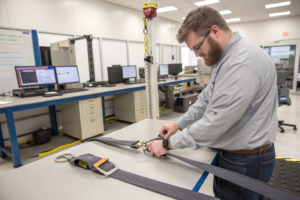
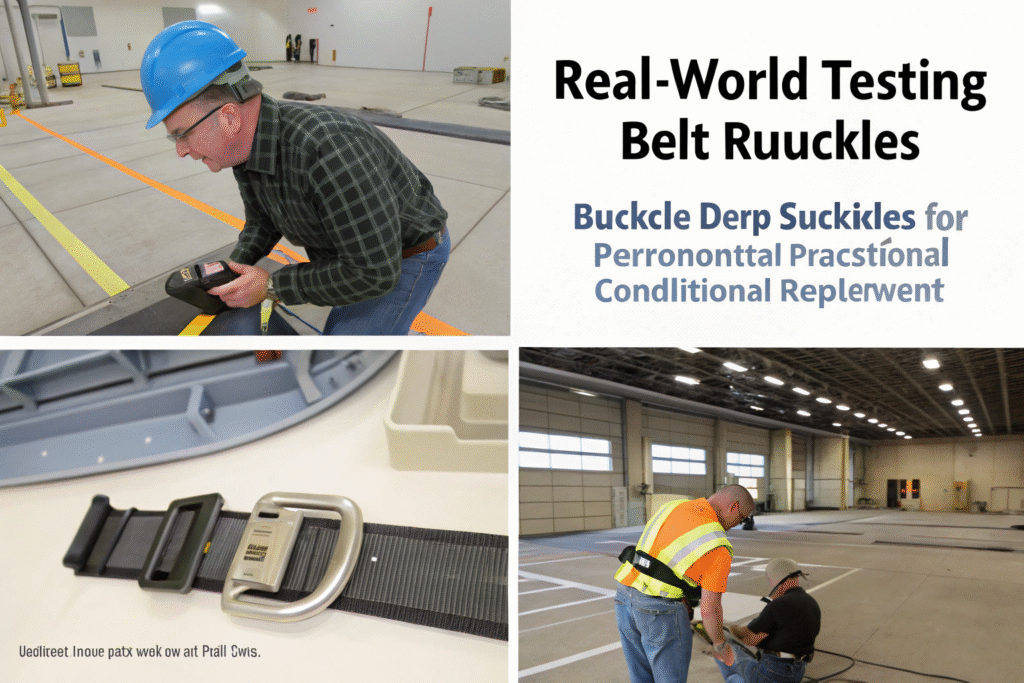
Effective real-world testing includes repeated drop tests from waist height, dynamic load testing that simulates belt tightening forces, temperature cycling, and UV exposure testing. These methods identify failure modes specific to how customers actually use belt buckles.
What Drop Test Protocol Simulates Actual Use Conditions?
A comprehensive drop test involves releasing buckles from 1 meter height (approximate waist level) onto concrete surfaces multiple times at different orientations. Quality buckles should withstand 10-15 drops without functional failure or visible cracking. Testing should include drops onto the buckle face, edges, and pin mechanism to identify the weakest orientation. This simple test often reveals design flaws that sophisticated laboratory testing misses because it replicates the actual impacts buckles experience when dropped during dressing or belt changes.
How Does Dynamic Load Testing Predict Long-Term Performance?
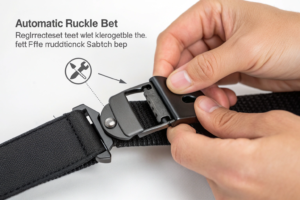
Dynamic testing applies repeated loading cycles that simulate the forces buckles experience during years of normal use. A quality buckle should withstand 10,000+ cycles of engagement/disengagement and tension release without failure. Testing should include overtightening scenarios (150% of normal use force) to ensure safety margins. This testing is particularly important for automatic buckle mechanisms with moving parts that experience different stress patterns than simple frame buckles.
Conclusion
Verifying impact resistance in plastic belt buckles requires a multi-faceted approach combining standardized laboratory tests, material analysis, design optimization, and real-world scenario testing. The most effective verification programs use Izod and dart impact tests for material comparison, carefully select polymers and additives for optimal toughness, implement design principles that minimize stress concentration, and validate performance through drop tests and dynamic loading that replicate actual use conditions. This comprehensive approach ensures plastic buckles withstand the impacts and stresses they encounter throughout their service life.
If you need help verifying impact resistance in your plastic belt buckles, contact our Business Director, Elaine. Our quality control expertise includes comprehensive impact testing that ensures buckle reliability. Reach her at elaine@fumaoclothing.com to discuss your buckle testing requirements.