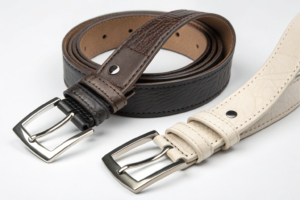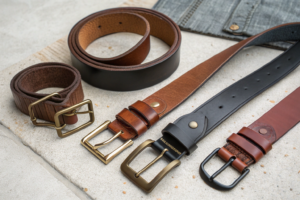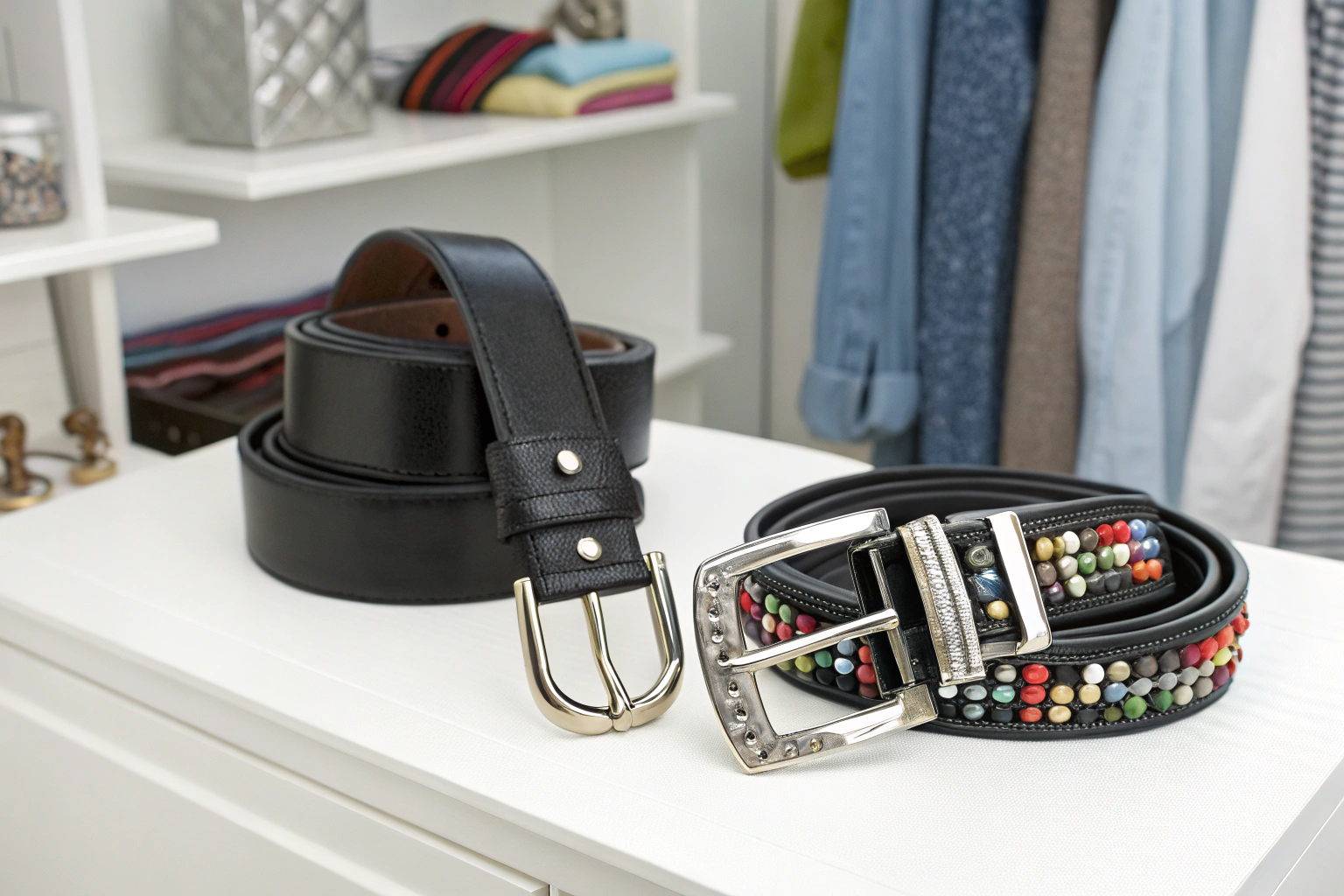
Your customers want versatility in their accessories, but traditional belt systems limit their options. They own multiple belts that each serve only one purpose, wasting closet space and money. The frustration of being unable to adapt a single belt to different outfits, occasions, or functions represents a significant market gap that quick-change buckle systems effectively fill.
Quick-change buckles are ideal for multi-use belts because they enable instant style transformations, reduce accessory clutter, extend product lifespan through adaptability, and provide cost-effective wardrobe expansion. These innovative fastening systems allow users to swap buckles in seconds without tools, transforming a single belt strap into multiple fashion statements that accommodate changing styles, occasions, and personal preferences throughout the day or across different outfits.
The multi-use belt market has evolved significantly beyond basic functionality, with quick-change systems representing the convergence of practical convenience and fashion flexibility. Understanding why these mechanisms excel helps explain their growing dominance in the versatile accessories category.
How Do Quick-Change Systems Enhance User Convenience?
Traditional belt systems require complete belt replacement for style changes, but quick-change mechanisms transform this process into a simple, instantaneous operation that dramatically enhances user experience across multiple scenarios.
The convenience advantages include elimination of tools or special knowledge, rapid transformation capability, intuitive operation accessible to all age groups, and compact storage solutions for multiple buckle options. These benefits make style adaptation genuinely practical rather than theoretically possible.

What Mechanical Simplicity Drives Adoption?
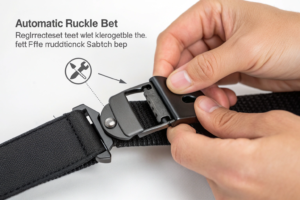
The most successful quick-change systems utilize simple push-button mechanisms or magnetic attachments that require no technical knowledge to operate. Unlike traditional buckles that need threading and precise hole alignment, these systems typically involve a single audible click confirming secure attachment. This mechanical simplicity means users of all ages and ability levels can confidently operate the system, removing the intimidation factor that often accompanies technical-looking accessories. The immediate feedback of successful attachment builds user confidence and encourages frequent style changes.
How Does Time Efficiency Impact Daily Use?
The average quick-change buckle system allows complete style transformation in under 10 seconds compared to the minute or more required for traditional belt changes. This time efficiency makes practical style adaptation possible during quick outfit changes between work and social events, or when travelers need to adjust their look for different destinations without returning to their luggage. The elimination of decision paralysis about which complete belt to pack or wear is significantly reduced when a single strap accommodates multiple buckle options that each create distinct looks.
What Versatility Benefits Drive Consumer Value?
Quick-change buckle systems transform the fundamental value proposition of belts from single-purpose accessories to versatile style platforms. This versatility creates tangible benefits that consumers immediately recognize and appreciate.
The versatility advantages include occasion adaptation without complete belt changes, seasonal style updates through buckle rather than strap replacement, personalized expression through mix-and-match possibilities, and functional adaptation for different clothing types. Each benefit addresses specific consumer needs that traditional belts cannot satisfy.
How Does Occasion Adaptation Create Practical Value?
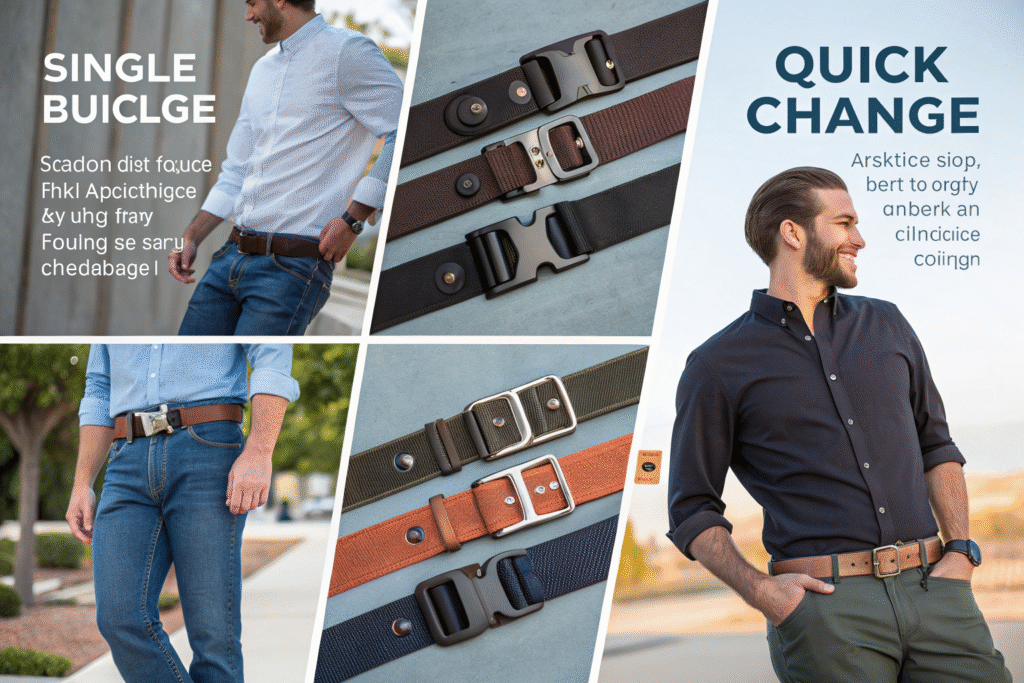
A single belt strap with multiple quick-change buckles can transition seamlessly from business formal to casual weekend wear simply by swapping buckles. This eliminates the need for consumers to own multiple complete belts for different dress codes, reducing both initial investment and storage requirements. The practical value becomes particularly evident for business travelers who can maintain a professional appearance while minimizing luggage space dedicated to accessories. This occasion adaptability represents both economic and practical advantages that consumers quickly recognize.
What Cost-Per-Wear Advantages Drive Purchasing Decisions?
Quick-change systems dramatically improve cost-per-wear calculations by multiplying the utility of a single belt strap. Where a traditional belt might be worn once per week with specific outfits, a multi-buckle system can be worn 3-5 times weekly with different buckle combinations. This increased utilization makes higher-quality straps more justifiable since their cost is amortized across more wearing occasions. Consumers understand this value proposition intuitively, often justifying premium purchases through the extended versatility these systems provide.
How Do Quick-Change Mechanisms Support Sustainable Fashion?
The fashion industry faces increasing pressure regarding environmental impact, and quick-change buckle systems offer meaningful sustainability advantages that align with growing consumer consciousness about consumption patterns.
Sustainability benefits include reduced material consumption through decreased need for multiple complete belts, extended product lifespan through style refreshment rather than replacement, repair facilitation through component replacement, and reduced transportation impact through lighter luggage. Each advantage contributes to a more sustainable accessory ecosystem.

How Does Component-Based Design Reduce Waste?
Traditional belt systems require disposal of the entire product when either the strap or buckle wears out or becomes stylistically outdated. Quick-change systems enable component-level replacement where only the worn or outdated element needs replacement. This modular approach reduces waste by approximately 40-60% compared to complete belt replacement, according to fashion sustainability studies. The ability to refresh style through new buckles rather than complete new belts represents a significant step toward the circular economy principles gaining traction throughout the fashion industry.
What Lifespan Extension Benefits Appeal to Conscious Consumers?
Quick-change systems can triple the functional lifespan of belt straps by allowing style updates through buckle changes rather than complete replacement. This lifespan extension resonates strongly with the growing segment of conscious consumers who prioritize longevity and reduced consumption. The emotional attachment developed to a high-quality belt strap that adapts to changing styles over years creates stronger product relationships than the disposable approach encouraged by fast fashion. This alignment with sustainable values represents both ethical and business advantages for brands implementing these systems.
What Design Innovations Ensure Reliability and Security?
Early quick-change systems sometimes suffered from reliability concerns and security issues that limited adoption. Modern designs have overcome these challenges through thoughtful engineering and material innovations that ensure both easy operation and dependable performance.
Key design innovations include positive locking mechanisms that prevent accidental release, material selections that withstand repeated attachment cycles, wear compensation features that maintain security over time, and intuitive visual indicators that confirm proper engagement. Each innovation addresses specific user concerns about reliability.

What Locking Mechanisms Prevent Accidental Release?
Advanced quick-change systems utilize dual-stage locking that requires both button depression and sliding motion for release, eliminating accidental openings. Some designs incorporate secondary safety catches that engage automatically once the buckle is attached to the strap. These security features ensure the buckle remains firmly attached during normal activities while still allowing quick changes when intentionally activated. The psychological comfort provided by these redundant safety systems significantly increases user confidence in daily wear situations.
How Do Materials Ensure Long-Term Reliability?
High-performance quick-change buckles utilize glass-filled nylon or precision-machined aluminum that withstand thousands of attachment cycles without wear. The contact points between buckle and strap often feature hardened steel components that resist deformation even with frequent use. These material choices ensure the quick-change mechanism maintains consistent performance throughout the product's lifespan, addressing early consumer concerns about durability in frequently changed systems. This reliability foundation is essential for consumer trust in the multi-use concept.
Conclusion
Quick-change buckles represent a significant advancement in belt design that perfectly addresses contemporary consumer demands for versatility, convenience, and sustainable consumption. Their ability to transform a single belt into multiple style statements through instant buckle changes provides tangible benefits that consumers immediately recognize and value. The combination of mechanical simplicity, versatile application, sustainable advantages, and reliable performance makes these systems ideal for the modern multi-use belt market. As consumers continue to prioritize adaptable, space-efficient, and environmentally conscious products, quick-change buckle systems are positioned to become the new standard rather than merely a niche option.
If you're interested in developing multi-use belts with quick-change buckle systems, contact our Business Director, Elaine. Our expertise in innovative buckle mechanisms can help you create versatile products that meet evolving consumer expectations. Reach her at elaine@fumaoclothing.com to discuss your quick-change belt development.