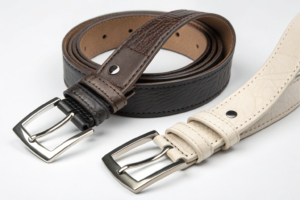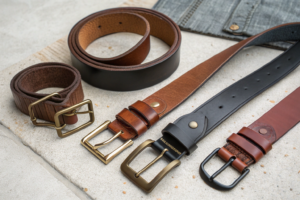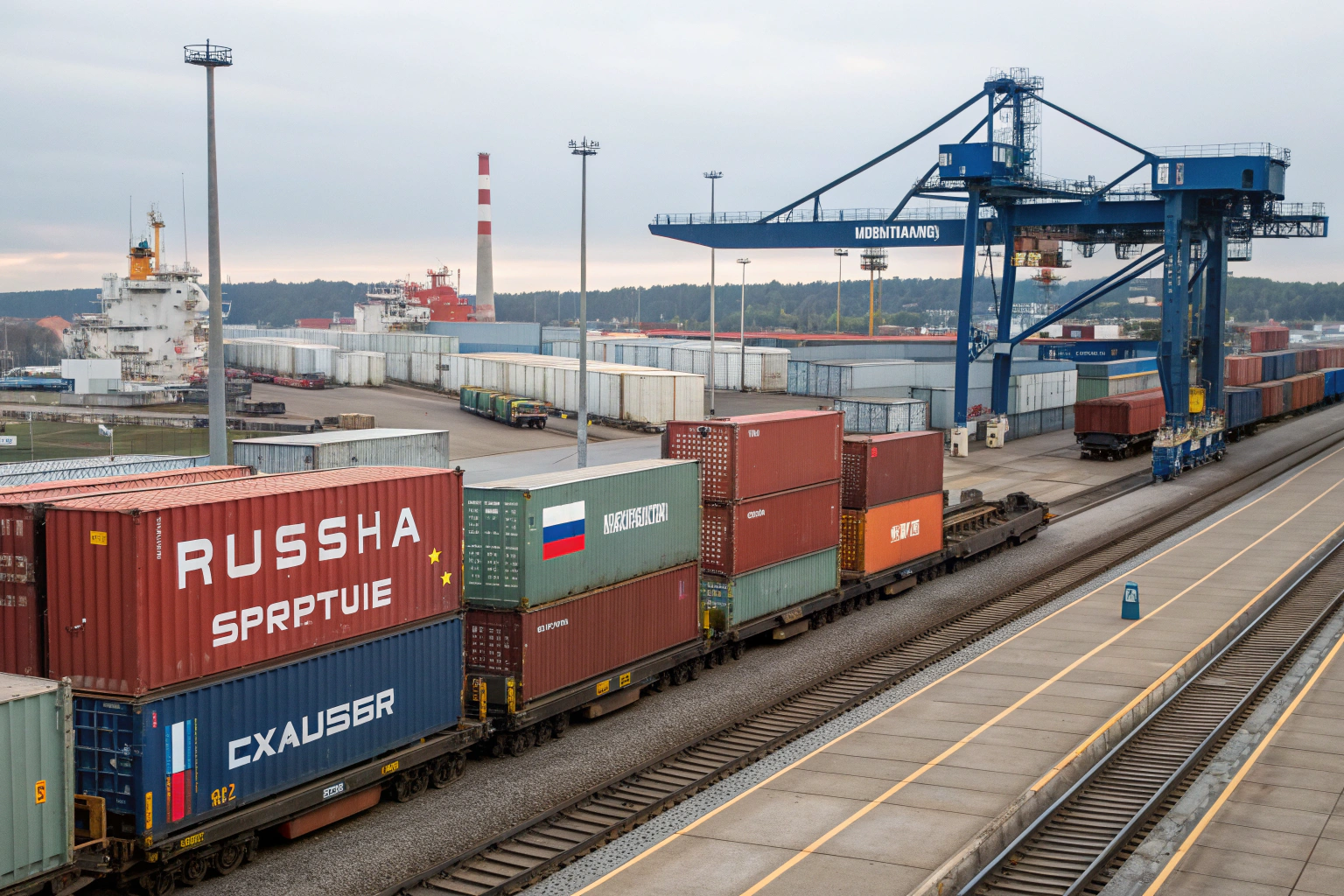
Russian belt importers face unprecedented logistics challenges, with traditional European routes disrupted and new trade corridors requiring navigation. Your belt shipments face extended transit times, customs complexities, and cost uncertainties that threaten your supply chain reliability and profitability.
Key logistics solutions for Russian belt importers include developing China-Russia rail alternatives to bypass blocked routes, implementing advanced customs pre-clearance systems, utilizing specialized belt-friendly consolidation services, establishing bonded warehouse networks, and creating flexible multi-modal transport strategies. These approaches address the specific challenges of belt importation—balancing speed requirements with cost constraints while navigating evolving trade regulations and infrastructure limitations.
The Russia import landscape has transformed dramatically, requiring completely new logistics approaches rather than adjustments to existing systems. Understanding the available solutions helps importers maintain reliable belt supplies despite the complex current environment.
How Can China-Russia Rail Alternatives Replace Traditional Routes?
Traditional European transit routes for belt imports have become unreliable or completely unavailable, making China-Russia rail connections the new backbone for belt supply chains. These rail alternatives offer specific advantages for belt importers facing disrupted shipping lanes.
China-Russia rail solutions provide more predictable transit times than sea routes, reduced handling compared to multi-modal alternatives, temperature stability important for leather belt preservation, and direct access to Russian distribution networks without intermediate transshipment. Each advantage addresses critical pain points in current belt importation.
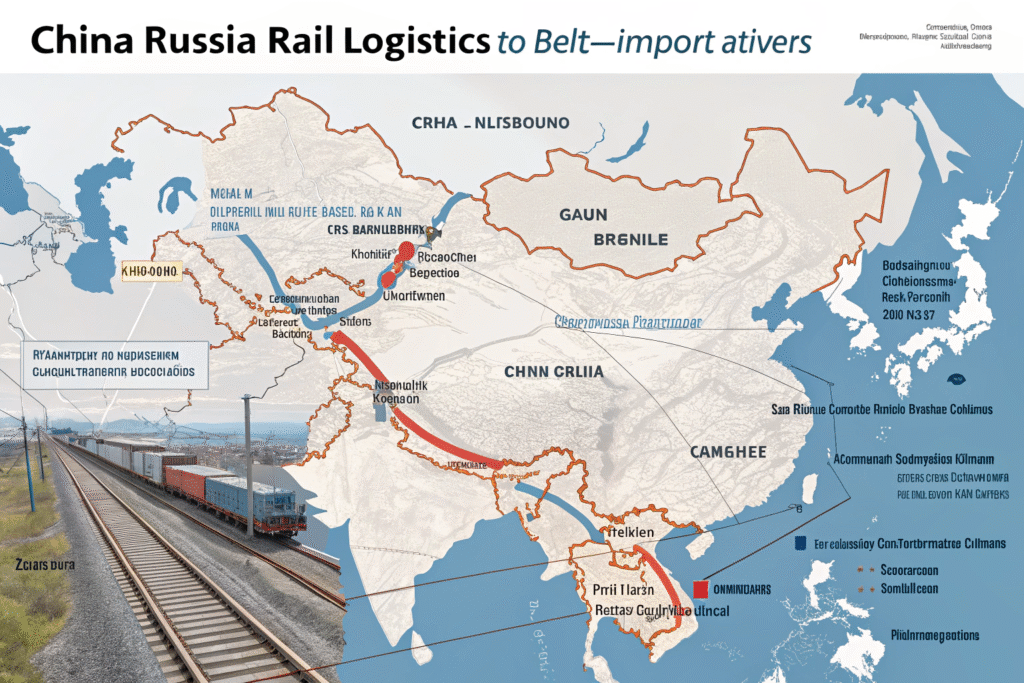
What Rail Routes Offer the Best Transit Times?
The New Eurasian Land Bridge through Kazakhstan offers the most reliable 14-18 day transit from Chinese manufacturing hubs to Western Russian distribution centers. For Eastern Russian markets, the Manzhouli-Zabaikalsk border crossing provides direct access with 10-12 day transit times from Northern Chinese factories. These routes have seen infrastructure investments specifically for consumer goods including belt shipments, with specialized temperature-controlled containers protecting leather products from extreme temperature variations during transit. The reliability of these rail connections now often exceeds uncertain sea routes with frequent schedule changes.
How Can Belt Importers Optimize Rail Container Utilization?
Given the high fixed costs of rail container shipments, belt importers achieve cost efficiency through strategic consolidation with other fashion accessories. Standard practice involves filling containers to 85-90% capacity with mixed belt shipments—combining heavier leather belts with lighter fabric or webbing styles to maximize weight distribution without exceeding limits. The most successful importers establish standing consolidation partnerships with manufacturers of complementary products like wallets or small leather goods, creating full-container efficiencies while maintaining product category specialization for customs clearance simplicity.
What Customs Pre-Clearance Systems Reduce Border Delays?
Russian customs processing represents the most significant variable in belt import timing, with traditional declaration methods causing extended border delays. Advanced pre-clearance systems transform this bottleneck into a predictable process.
Effective customs pre-clearance involves electronic document submission before shipment arrival, specialized belt classification codes to avoid inspection triggers, authorized economic operator programs that expedite processing, and integrated payment systems that prevent financial documentation delays. Each component addresses specific timing challenges in Russian customs procedures.
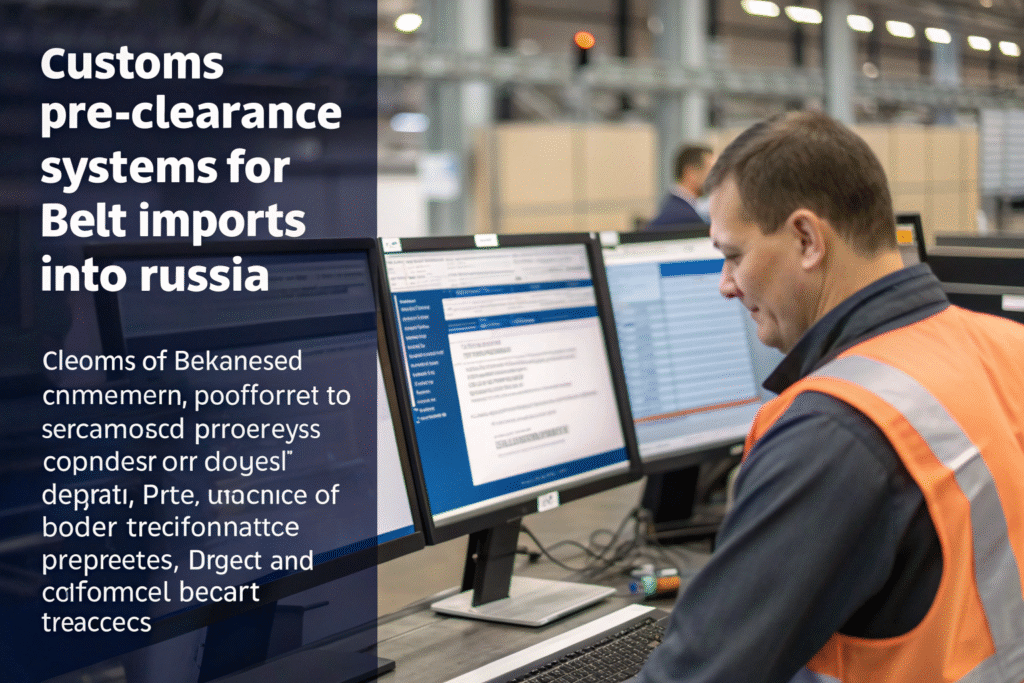
How Does Advanced Electronic Submission Work?
Russia's Unified Automated Customs Information System allows importers to submit complete declaration packages 30 days before arrival. For belt importers, this includes detailed product descriptions, materials composition documentation, and value verification papers that pre-address common customs queries. The system uses artificial intelligence processing to flag potential issues while shipments are still in transit, allowing resolution before border arrival. Importers using this system report 60-70% reduction in customs processing time compared to traditional declaration methods, transforming a 5-7 day process into 1-2 day clearance.
What Classification Strategies Minimize Inspection Triggers?
Experienced belt importers utilize specific HS codes for leather belts (4203.30) and textile belts (4203.30 as well) that accurately describe products while avoiding codes with higher inspection rates. The key strategy involves separating belt and buckle shipments when different materials would trigger additional verification—metal buckles often fall under HS 8308.90 while plastic buckles use HS 3926.90. This classification precision, combined with pre-approved supplier documentation, reduces physical inspection rates from industry-average 25% to under 5% for prepared importers, significantly accelerating border crossing.
How Do Bonded Warehouse Networks Enhance Supply Chain Flexibility?
Bonded warehouses have transformed from simple storage facilities to strategic tools that provide Russian belt importers with financial flexibility, risk mitigation, and market responsiveness. These facilities serve as critical nodes in reconfigured supply chains.
Bonded warehouse advantages include duty deferral until product distribution, quality inspection before customs clearance, flexible redistribution to avoid overstocking specific markets, and consolidation opportunities that optimize final transportation legs. Each benefit addresses specific challenges in the current Russian import environment.
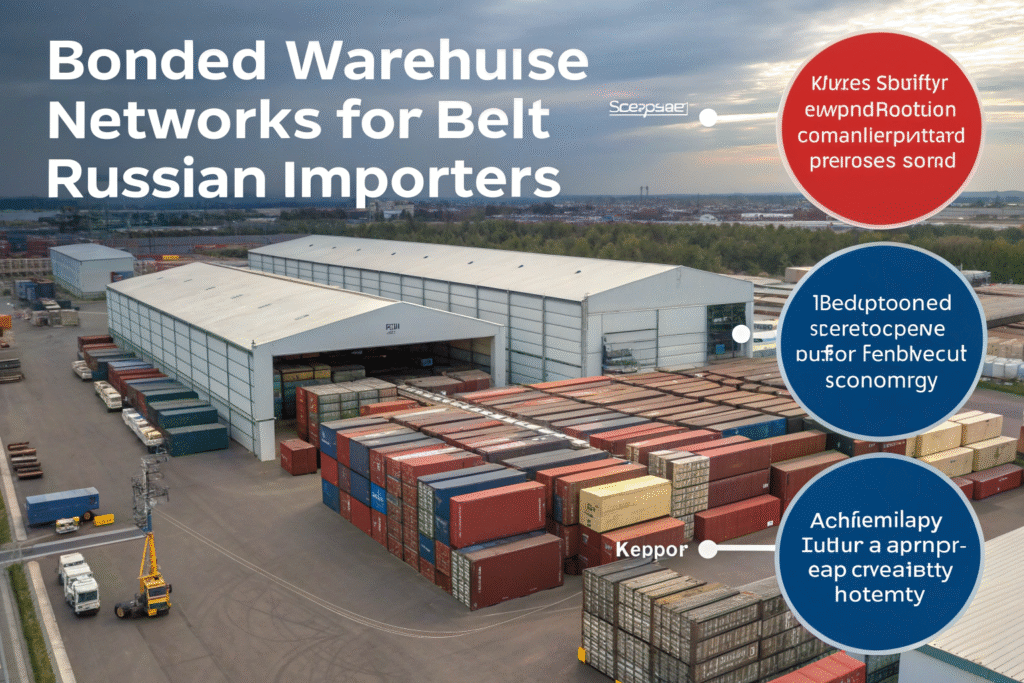
What Financial Benefits Do Bonded Warehouses Provide?
By storing belts in customs-bonded facilities, importers defer 20% VAT and applicable import duties until products leave for final distribution. This working capital preservation is particularly valuable given extended payment terms many Russian retailers now require. The bonded storage period of up to three years allows importers to maintain buffer stock without financial burden, responding to sudden demand spikes without emergency air freight costs. This financial flexibility has become increasingly important as payment cycles extend across the Russian retail sector.
How Can Importers Leverage Bonded Facilities for Quality Control?
Bonded warehouses allow pre-clearance inspection and sorting that identifies quality issues before customs clearance and duty payment. This is particularly valuable for belt importers dealing with seasonal leather variations or color consistency challenges across production batches. The ability to inspect before formal importation means defective shipments can be returned to suppliers without paying duties on unusable products. This quality assurance process reduces financial losses from quality-related chargebacks that have increased as Russian retailers face tighter inventory management pressures.
What Multi-Modal Strategies Balance Cost and Reliability?
Reliance on single transportation modes creates vulnerability in the current Russian import environment. Successful belt importers implement sophisticated multi-modal strategies that balance cost efficiency with supply chain reliability.
Multi-modal approaches combine rail for primary transit, sea routes for non-urgent shipments, air freight for high-value or time-sensitive products, and final truck distribution optimized for specific regional challenges. This diversification creates resilience while managing overall logistics costs.
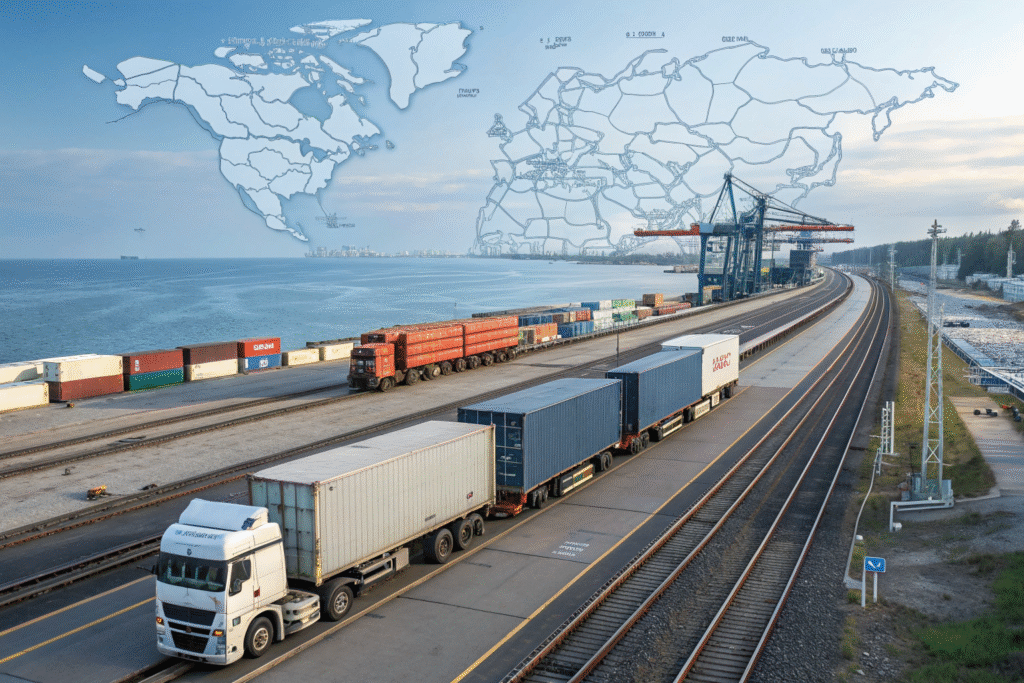
How Can Importers Optimize the Rail-Sea-Truck Combination?
The most cost-effective strategy uses rail from Chinese factories to Russian Far East ports, then coastal shipping to Western Russian hubs, followed by final truck distribution. This approach balances the cost advantage of sea transport with the reliability of rail for the China-Russia segment. For belt importers, this combination typically provides 30-40% cost savings versus all-rail options while maintaining 35-45 day total transit times—acceptable for most belt collections except fastest-fashion lines. The strategy particularly benefits importers serving both European Russia and Siberian markets, as the coastal shipping segment services multiple distribution points.
What Contingency Routing Protects Against Disruptions?
Sophisticated importers maintain active relationships with multiple logistics providers across different corridors, allowing rapid shifting when specific routes face unexpected closures. This includes pre-negotiated capacity on alternative rail routes, standby agreements with air freight providers, and modular container options that facilitate transfers between transportation modes. The additional cost of maintaining these contingency options—typically 5-7% premium on logistics spend—proves justified when primary routes experience the increasingly common disruptions that characterize current Russia-bound logistics.
Conclusion
Russian belt importers face a transformed logistics landscape requiring sophisticated solutions that simply didn't exist pre-2022. Success now depends on developing China-Russia rail expertise, implementing advanced customs pre-clearance systems, leveraging bonded warehouse networks strategically, and creating flexible multi-modal transport strategies. Importers who master these approaches can maintain reliable belt supplies despite the complex current environment, turning logistics capability into competitive advantage while less-adapted competitors struggle with uncertainty and disruption.
If you're importing belts into Russia and need logistics solutions tailored to current challenges, contact our Business Director, Elaine. Our expertise in Russian supply chain management can help you navigate the complexities of belt importation while maintaining reliability and cost efficiency. Reach her at elaine@fumaoclothing.com to discuss your Russian belt import logistics.