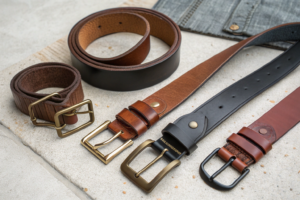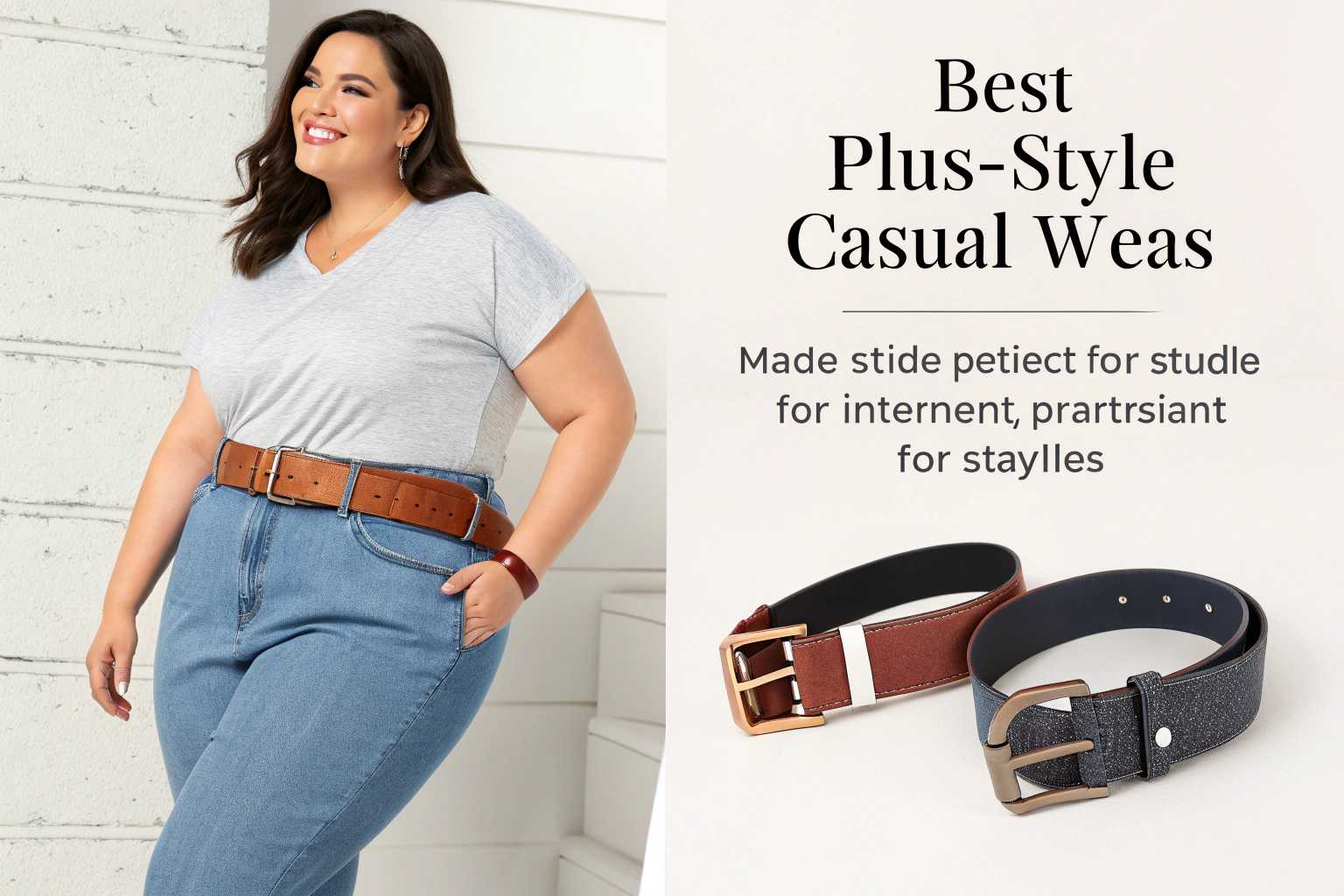
Your plus-size customers struggle to find belts that combine comfort, style, and proper proportion. Standard belt designs often dig into their midsection, create unflattering bulges, or simply don't fit correctly, leaving them to choose between discomfort or going beltless and sacrificing style.
The best belt styles for plus-size casual wear feature wider proportions (1.5-2 inches), flexible materials with stretch components, strategic placement that defines without constricting, and length-appropriate sizing that accommodates natural curves. These designs prioritize comfort through extended wear while creating flattering silhouettes that enhance rather than compress plus-size figures in casual settings.
The plus-size fashion market has long been underserved in accessories, with belts representing a particular challenge due to fit issues and proportion mismatches. Understanding which styles genuinely work for larger bodies transforms belts from problematic accessories to confidence-building wardrobe staples.
Why Do Proportion and Width Matter for Plus-Size Belts?
Standard belt widths often appear disproportionately narrow on plus-size bodies, creating visual imbalance and failing to provide adequate support. The relationship between belt width and body proportions fundamentally impacts both comfort and aesthetic success.
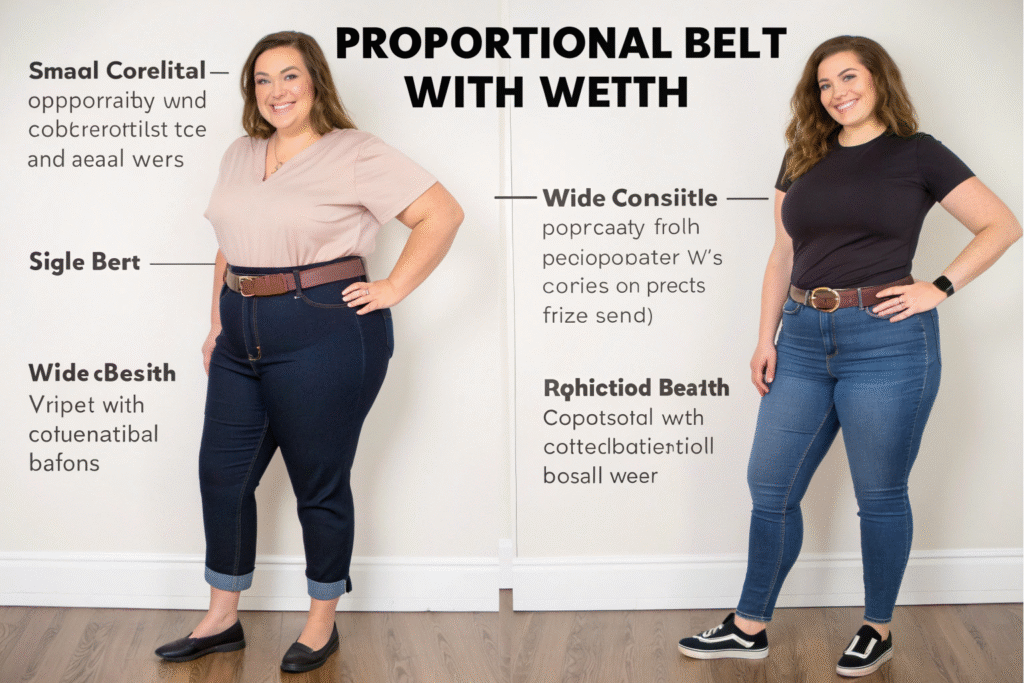
Proportional considerations include width-to-body scale relationships, hardware sizing that matches wider belt dimensions, placement positioning that accounts for natural curves, and length distribution that prevents overwhelming or underwhelming the overall silhouette. Each factor contributes to belts that look intentionally chosen rather than accidentally fitting.
What Width Range Creates Optimal Proportion?
For most plus-size figures, belt widths between 1.5 and 2 inches create the most flattering proportion without overwhelming the frame. This width range provides sufficient visual weight to balance fuller figures while remaining comfortable for all-day wear. Widths under 1.25 inches tend to appear disproportionately narrow and can create a "cutting" effect across the midsection, while widths exceeding 2.5 inches may feel restrictive and overwhelm more petite-plus proportions. The golden ratio principle applied to fashion proportions suggests the ideal belt width should be approximately 1/10 to 1/8 of the wearer's torso height for optimal visual balance.
How Does Hardware Scaling Impact Overall Appearance?
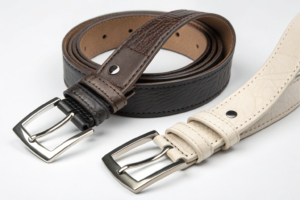
Belt buckles and hardware should scale appropriately to belt width, with buckle sizes typically 1.25 to 1.5 times the belt width for balanced appearance. Oversized buckles on narrow belts create visual imbalance, while small buckles on wide belts appear insignificant. For plus-size casual wear, medium-scale hardware (2-3 inches for a 1.75-inch belt) typically works best, providing presence without dominating the outfit. The weight and thickness of metal components should also correspond to the belt's substance—thicker leather belts demand more substantial hardware than flexible fabric styles to maintain proportional harmony.
What Construction Features Deliver All-Day Comfort?
Comfort challenges represent the primary reason plus-size individuals abandon belts. Traditional construction methods create pressure points, restrict movement, and cause irritation that makes extended wear unbearable.
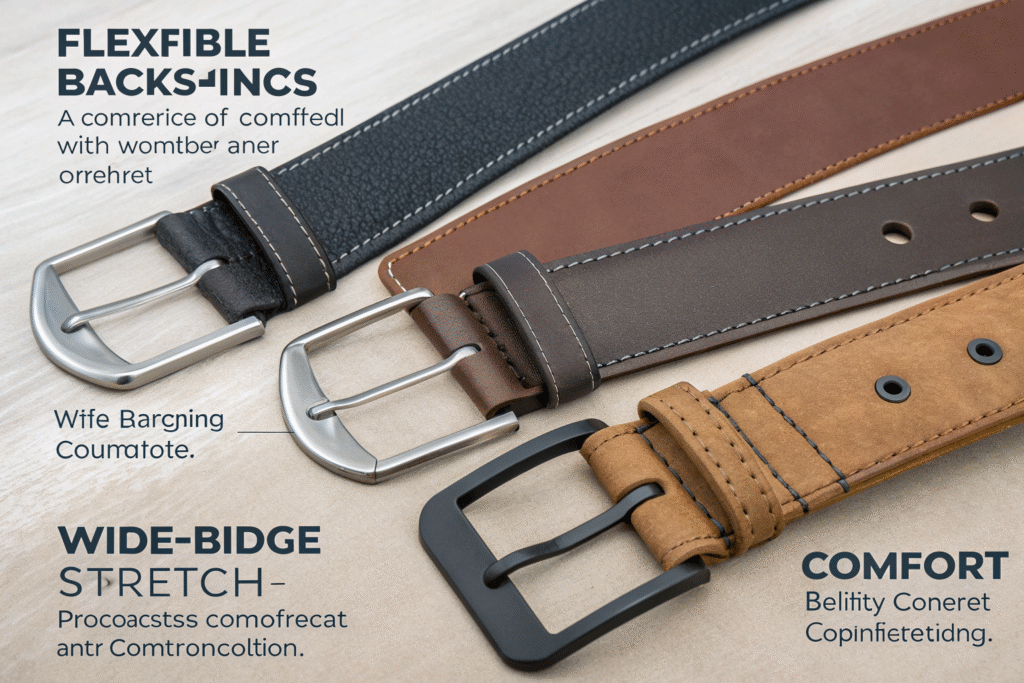
Comfort-enhancing construction includes flexible inner materials that move with the body, wide curvature that follows natural shapes rather than fighting them, seamless edge finishing that prevents chafing, and strategic reinforcement that provides structure without stiffness. Each feature addresses specific discomfort points common with standard belt designs.
How Do Flexible Backings Improve Wearability?
Belts with plush-backed leather or breathable fabric linings prevent the digging and irritation caused by rough interior surfaces. The most comfortable options incorporate memory foam padding in the backing layer that conforms to individual body shapes while distributing pressure evenly. For extended wear, moisture-wicking properties in backing materials prevent the dampness and discomfort that develops during all-day use. These backing innovations transform the belt-wearing experience from endurance test to genuine comfort.
What Role Does Strategic Stretching Play?
Incorporating elastic inserts or flexible goring at the back or sides of plus-size belts accommodates natural body fluctuations throughout the day without requiring constant adjustment. This stretch capability is particularly valuable for individuals with apple-shaped figures or those who experience digestive bloating that changes waist measurements between morning and evening. The optimal stretch capacity for comfort ranges from 15-25%—enough to accommodate movement and fluctuation without losing the belt's defining function or appearing distorted.
How Should Plus-Size Belts Be Positioned for Flattering Effect?
Belt placement dramatically impacts silhouette and proportion in plus-size styling. The same belt can create completely different effects based on where it sits on the body, making placement knowledge as important as belt selection itself.
Strategic placement involves understanding how different positions affect perceived proportions, which placements work with various body shapes, how to use belts to create definition without constriction, and which positions accommodate different rise styles in pants and skirts. Each consideration helps harness belts as styling tools rather than just functional accessories.
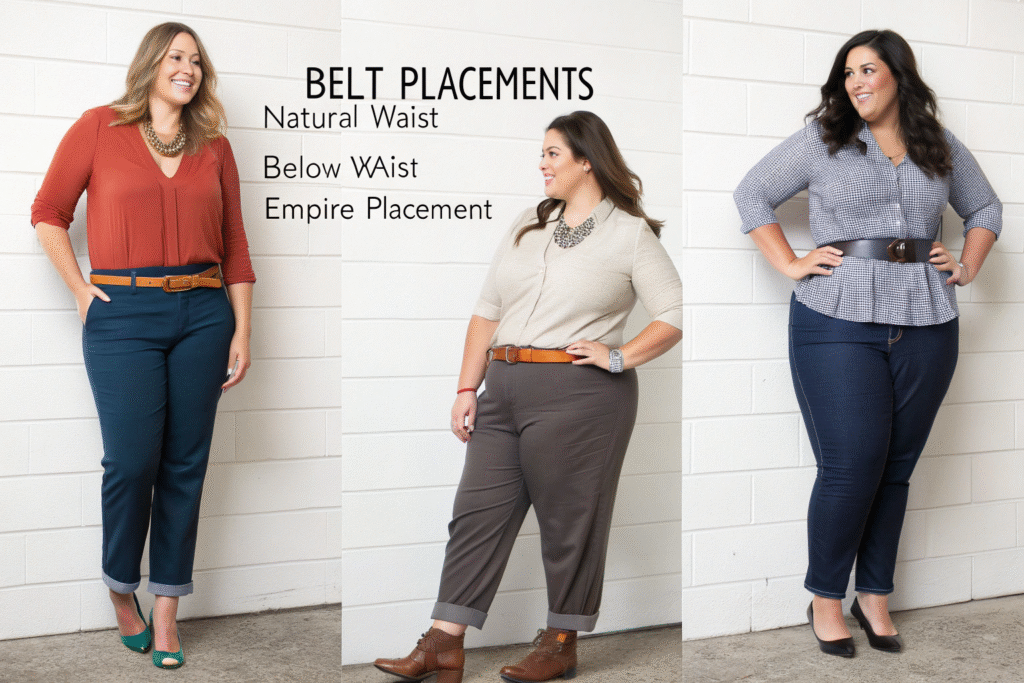
What Placement Works Best for Different Body Shapes?
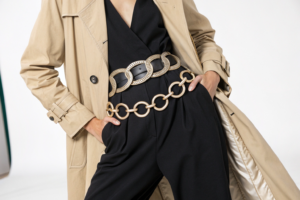
For apple-shaped figures with fuller midsections, positioning belts at the narrowest point just below the bust creates an empire effect that elongates the torso. Pear-shaped individuals with defined waists should belt at the natural waistline to highlight their smallest point. For rectangular body types with minimal waist definition, slightly lowering the belt placement to just below the natural waist creates the illusion of curves. These placement strategies use belts as intentional styling tools rather than just functional accessories.
How Does Placement Affect Proportion and Silhouette?
Belts worn at the natural waist create balanced hourglass proportions by visually dividing the body into equal thirds. Placement lower on the hips lengthens the torso for shorter-waisted individuals, while higher placement can shorten a long torso for better balance. The most flattering positioning typically aligns with the narrowest point of the torso, regardless of its exact location, as this naturally creates the most pleasing proportions. Understanding these optical illusion principles allows plus-size individuals to use belts strategically rather than randomly.
What Materials and Finishes Work Best for Casual Plus-Size Wear?
Material selection significantly impacts both the aesthetic success and wearing comfort of plus-size belts. The wrong materials can undermine an otherwise well-designed belt through discomfort, poor durability, or unflattering visual effects.
Optimal material characteristics include sufficient flexibility to move with the body, soft edges that don't dig or chafe, matte finishes that minimize attention to the midsection, and durable constructions that maintain appearance despite frequent adjustment. Each property contributes to belts that enhance rather than complicate plus-size casual dressing.
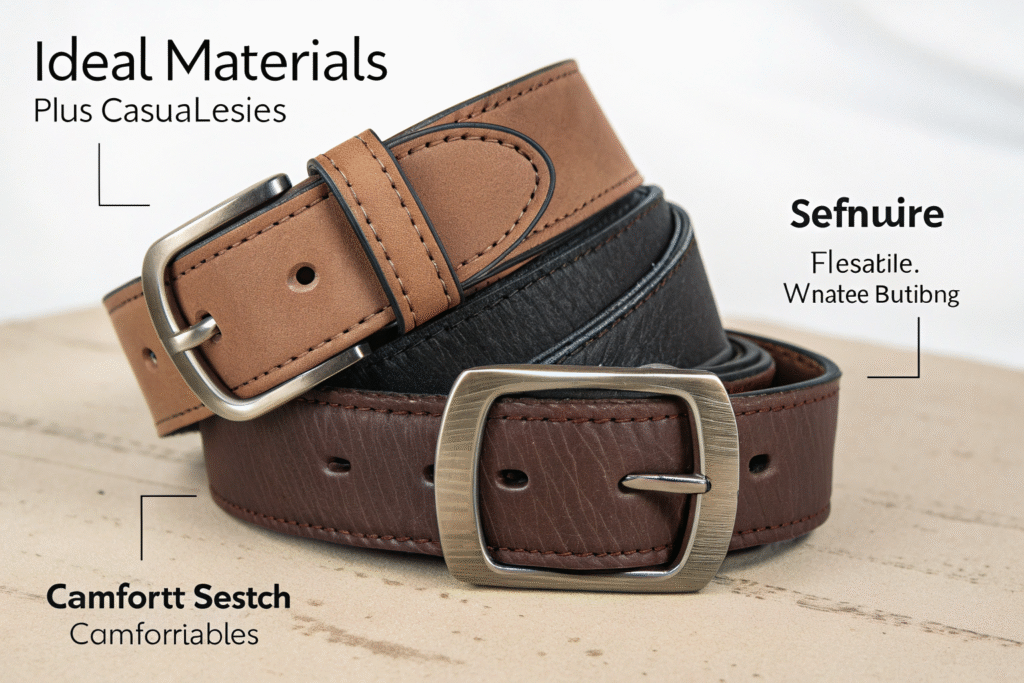
Which Leather Types Offer the Right Balance?
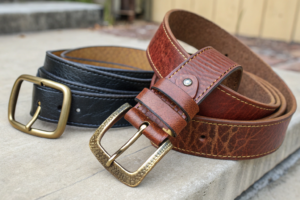
For leather belts, soft drum-dyed leathers with minimal finishing provide the flexibility needed for plus-size comfort while maintaining structure. Oiled and waxed leathers tend to remain supple over time, while stiff vegetable-tanned leathers may require extensive breaking-in. The thickness ideal for plus-size belts ranges from 2.5-3.5mm—substantial enough to maintain shape without becoming rigid. These leather characteristics ensure the belt conforms to the wearer rather than forcing the wearer to accommodate the belt.
What Alternative Materials Provide Comfort Advantages?
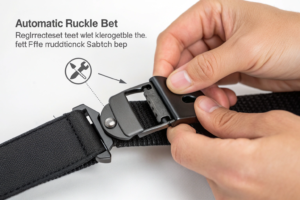
Beyond leather, wide webbing belts in cotton or nylon offer exceptional flexibility and consistent width maintenance. Elasticated fabric belts with adjustable sliders provide customizable fit without visible holes. Knit or woven stretch belts move with the body throughout the day, accommodating natural fluctuations. These alternative materials often provide superior comfort for casual wear while offering visual variety beyond traditional leather.
Conclusion
The best belt styles for plus-size casual wear successfully balance proportion, comfort, and style through specific design features that address the unique needs of larger bodies. Wider proportions create visual harmony, flexible constructions ensure all-day comfort, strategic placement flatters various body shapes, and appropriate materials provide both aesthetic appeal and practical wearability. As the plus-size market continues to demand better-designed options, belts that genuinely work for larger bodies represent a significant opportunity for retailers and manufacturers who understand these specific requirements.
If you're developing belts for the plus-size market and want to ensure they combine style with genuine comfort, contact our Business Director, Elaine. Our expertise in size-inclusive design can help you create belts that plus-size customers will love to wear. Reach her at elaine@fumaoclothing.com to discuss your plus-size belt development.