Your customers increasingly demand sustainable products, but your manufacturing processes still generate significant carbon emissions. The fashion industry faces mounting pressure to reduce its environmental impact, with belt manufacturing contributing to this footprint through material sourcing, production energy use, and transportation emissions.
Implementing carbon-neutral belt manufacturing requires conducting a comprehensive carbon footprint assessment, transitioning to renewable energy sources, selecting sustainable and recycled materials, optimizing production efficiency, implementing carbon offset programs for unavoidable emissions, and obtaining third-party verification. This comprehensive approach addresses emissions across the entire manufacturing lifecycle while maintaining product quality and commercial viability.
The journey to carbon-neutral manufacturing represents both an environmental imperative and business opportunity. Understanding the implementation process helps belt manufacturers transition systematically while avoiding greenwashing accusations and creating genuine environmental benefits.
How to Accurately Measure Your Current Carbon Footprint?
You cannot manage what you cannot measure. The foundation of carbon-neutral manufacturing begins with understanding your current emissions across the entire belt production lifecycle.
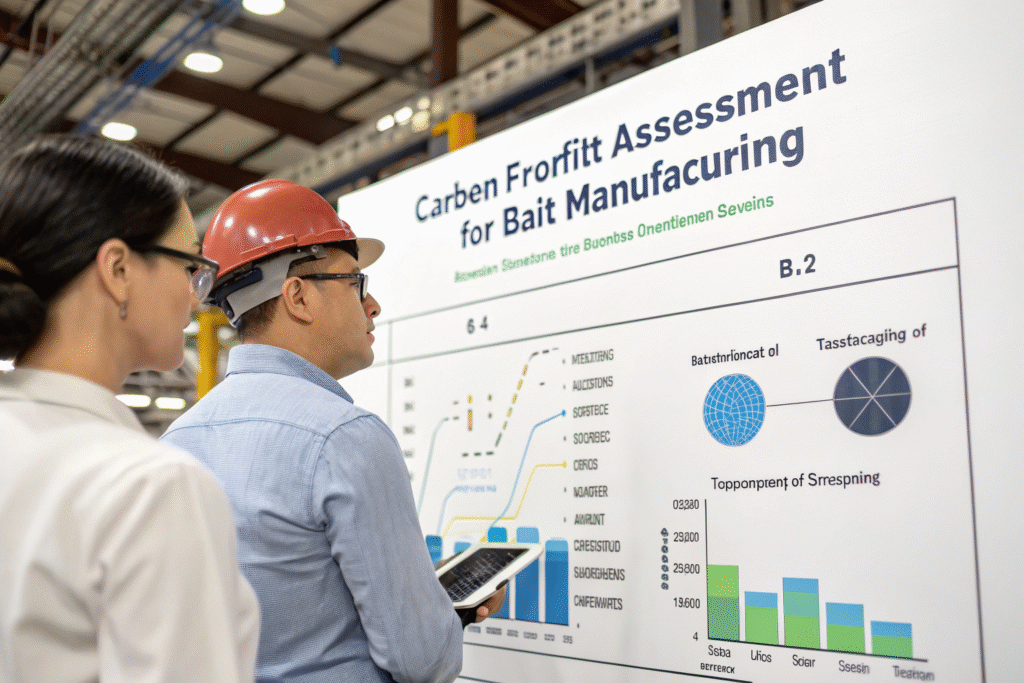
Comprehensive carbon footprint assessment involves calculating Scope 1 direct emissions from manufacturing, Scope 2 indirect emissions from purchased energy, and Scope 3 value chain emissions from raw materials to product disposal. Each category requires specific measurement approaches and data collection methods.
What Methodology Captures Complete Manufacturing Emissions?
The Greenhouse Gas Protocol Corporate Standard provides the internationally recognized framework for emissions accounting. For belt manufacturing, this means tracking direct emissions from cutting, stitching, and finishing equipment, indirect emissions from electricity consumption, and value chain emissions from leather tanning or synthetic material production. Specialized carbon accounting software can automate data collection from energy meters on production equipment, utility bills, and supplier emissions reports. This comprehensive approach ensures no significant emission sources are overlooked in your baseline assessment.
How Should You Allocate Emissions to Individual Belts?
Once total facility emissions are calculated, use activity-based allocation methods to assign emissions to individual belts. This involves tracking[energy consumption per production batch, material waste rates, and transportation distances for components. The resulting carbon intensity metric (kg CO2e per belt) provides a baseline for improvement tracking and transparent customer communication. This granular understanding reveals which production stages offer the greatest reduction opportunities.
What Renewable Energy Transitions Deliver Maximum Impact?
Energy consumption represents the most significant carbon emission source in most manufacturing operations. Transitioning to renewable energy delivers immediate, substantial emissions reductions while often providing long-term cost savings.
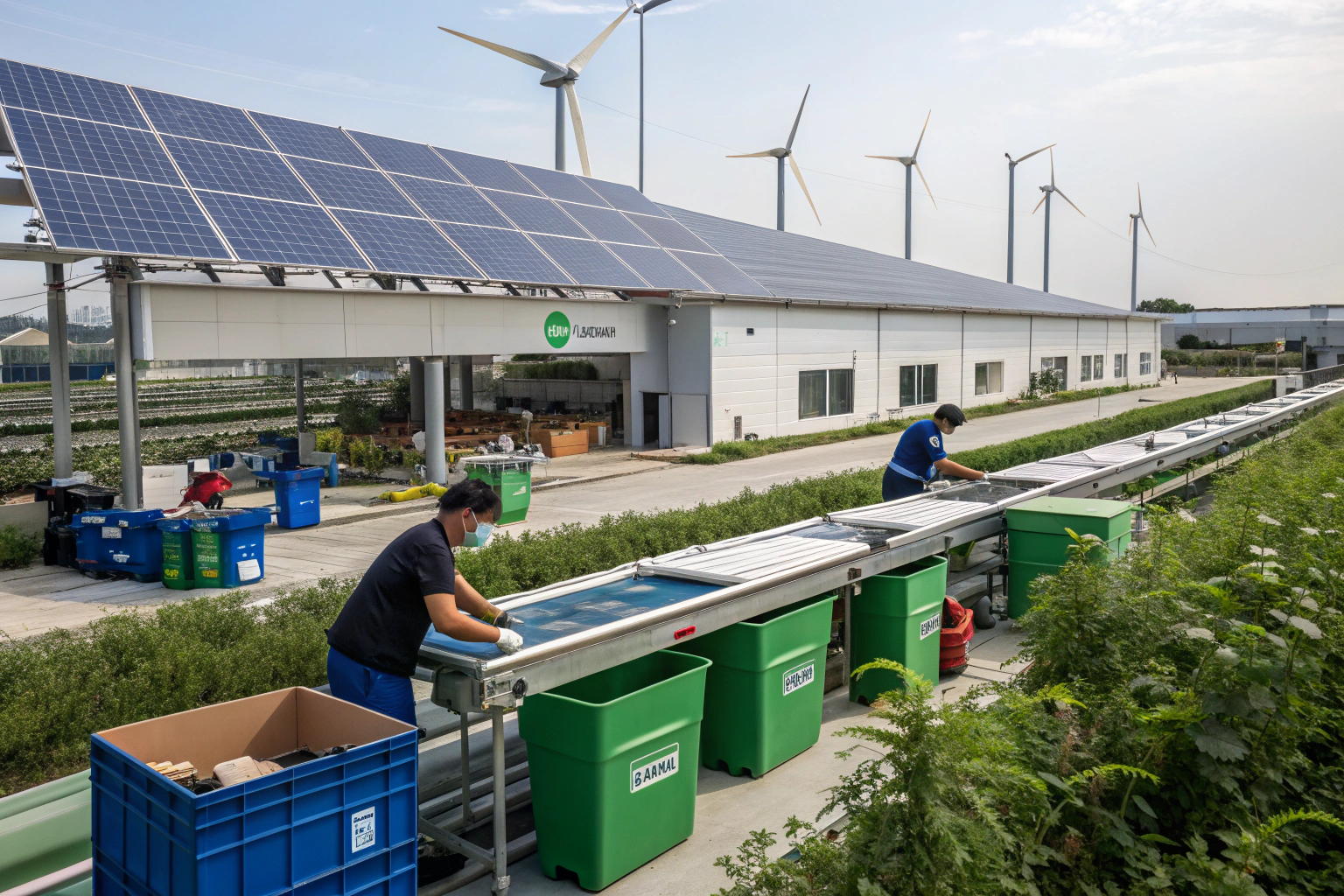
Effective renewable energy transitions include onsite generation through solar or wind, power purchase agreements for offsite renewable energy, energy efficiency improvements that reduce overall demand, and equipment upgrades that eliminate fossil fuel dependence. Each approach contributes to decarbonizing manufacturing operations.
What Onsite Renewable Options Work for Manufacturing?
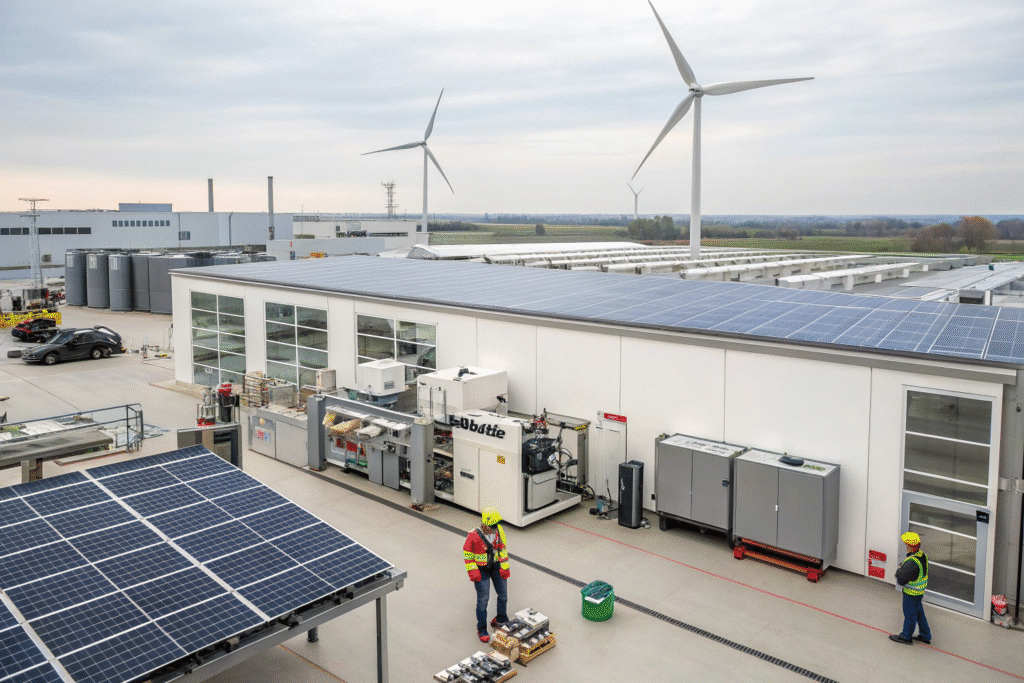
Roof-mounted solar photovoltaic systems can typically supply 30-60% of a manufacturing facility's electricity needs, with payback periods of 4-7 years based on local incentives and energy costs. For facilities with sufficient land, small-scale wind turbines can complement solar generation, particularly in regions with consistent wind patterns. The investment tax credit for commercial solar installations significantly improves financial viability. These onsite solutions provide[predictable energy costs while reducing grid dependence.
How Can Offsite Renewables Address Remaining Energy Needs?
For manufacturers without suitable sites for onsite generation, Power Purchase Agreements (PPAs) with renewable energy developers provide access to zero-emission electricity without capital investment. Through virtual PPAs, manufacturers can contract for renewable energy from specific projects, receiving renewable energy certificates (RECs) to verify their clean energy usage. Many regions now offer community solar programs that allow manufacturers to subscribe to portions of larger solar projects. These approaches can address 100% of electricity needs when combined with efficiency measures.
How Do Material Selection and Sourcing Reduce Carbon Impact?
Materials typically account for 50-80% of a belt's total carbon footprint. Strategic material selection and sourcing represent the most significant opportunity for emissions reduction in belt manufacturing.
Sustainable material strategies include prioritizing recycled content, selecting plant-based materials with lower production emissions, implementing circular design principles that extend product lifespan, and sourcing from suppliers with verified environmental performance. Each approach reduces the embedded carbon in finished belts.
What Material Innovations Offer Lowest Carbon Footprints?
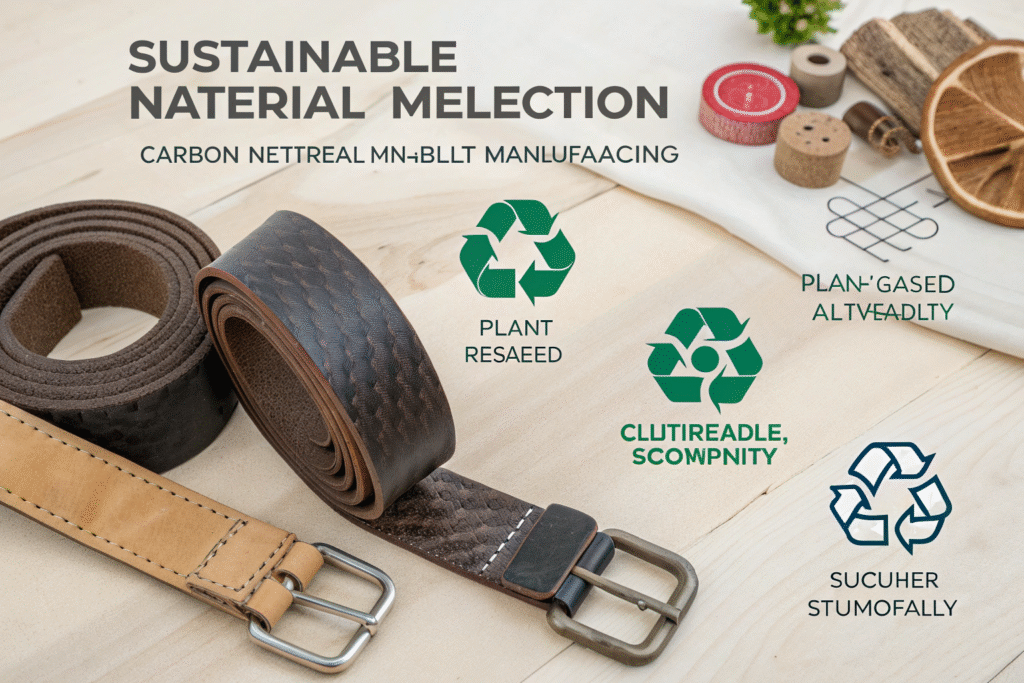
Recycled polyester webbing generates 75% fewer emissions than virgin polyester while maintaining equivalent performance. Plant-based leather alternatives from mushroom mycelium or pineapple leaves offer carbon-negative production processes through biosequestration. Even traditional leather can be sourced with lower impact through vegetable tanning with renewable energy and[responsible livestock management. These material choices can reduce a belt's embedded carbon by 40-70% compared to conventional options.
How Can Circular Design Principles Extend Product Lifespan?
Designing belts for durability through reinforced stitching, quality hardware, and replaceable components significantly reduces the carbon footprint per year of use. Implementing take-back programs that refurbish and resell used belts keeps materials in circulation, avoiding new production emissions. Designing for disassembly and material recovery at end-of-life completes the circular approach. These strategies align with the fashion industry's move toward circular business models.
What Carbon Offset Strategies Address Unavoidable Emissions?
Despite maximum reduction efforts, some manufacturing emissions remain unavoidable with current technology. High-quality carbon offsets provide a mechanism to neutralize these residual emissions while supporting broader climate solutions.
Effective carbon offset strategies involve selecting verified emission reduction projects, prioritizing offsets with co-benefits, establishing internal offset pricing, and transparently communicating offset usage. Each element ensures offsets deliver genuine climate benefits rather than serving as greenwashing mechanisms.
What Offset Project Types Deliver Genuine Climate Benefits?
Verified Carbon Standard (VCS) projects provide third-party assurance of emission reductions, with forest conservation initiatives particularly effective for belt manufacturers given leather's connection to land use. Renewable energy projects in developing regions support clean energy transition while generating certified emission reductions. The most credible manufacturers select Gold Standard certified projects that deliver additional community and biodiversity benefits beyond carbon reduction. These high-quality offsets ensure your carbon neutrality claims withstand scrutiny.
How Should Manufacturers Integrate Offsets Strategically?
Establish an internal carbon price that factors offset costs into product pricing and investment decisions. Many manufacturers start with partial offsetting of their highest-impact products while working toward complete carbon neutrality. Transparently communicate that offsets address residual emissions after reduction efforts, not as a substitute for operational improvements. This honest approach builds credibility with increasingly sophisticated consumers who recognize greenwashing tactics.
Conclusion
Implementing carbon-neutral belt manufacturing requires a systematic approach that begins with accurate footprint measurement, prioritizes emission reductions through renewable energy and sustainable materials, and addresses residual emissions through high-quality offsets. This journey transforms environmental responsibility from a marketing claim into an operational reality, creating both planetary benefits and business value through improved efficiency, enhanced brand reputation, and alignment with consumer values. As climate concerns continue shaping purchasing decisions, carbon-neutral manufacturing represents both an ethical imperative and competitive advantage in the evolving fashion landscape.
If you're ready to begin your journey toward carbon-neutral belt manufacturing, contact our Business Director, Elaine. Our experience implementing sustainable manufacturing practices can help you reduce your environmental impact while maintaining product quality and profitability. Reach her at elaine@fumaoclothing.com to discuss your carbon-neutral manufacturing strategy.