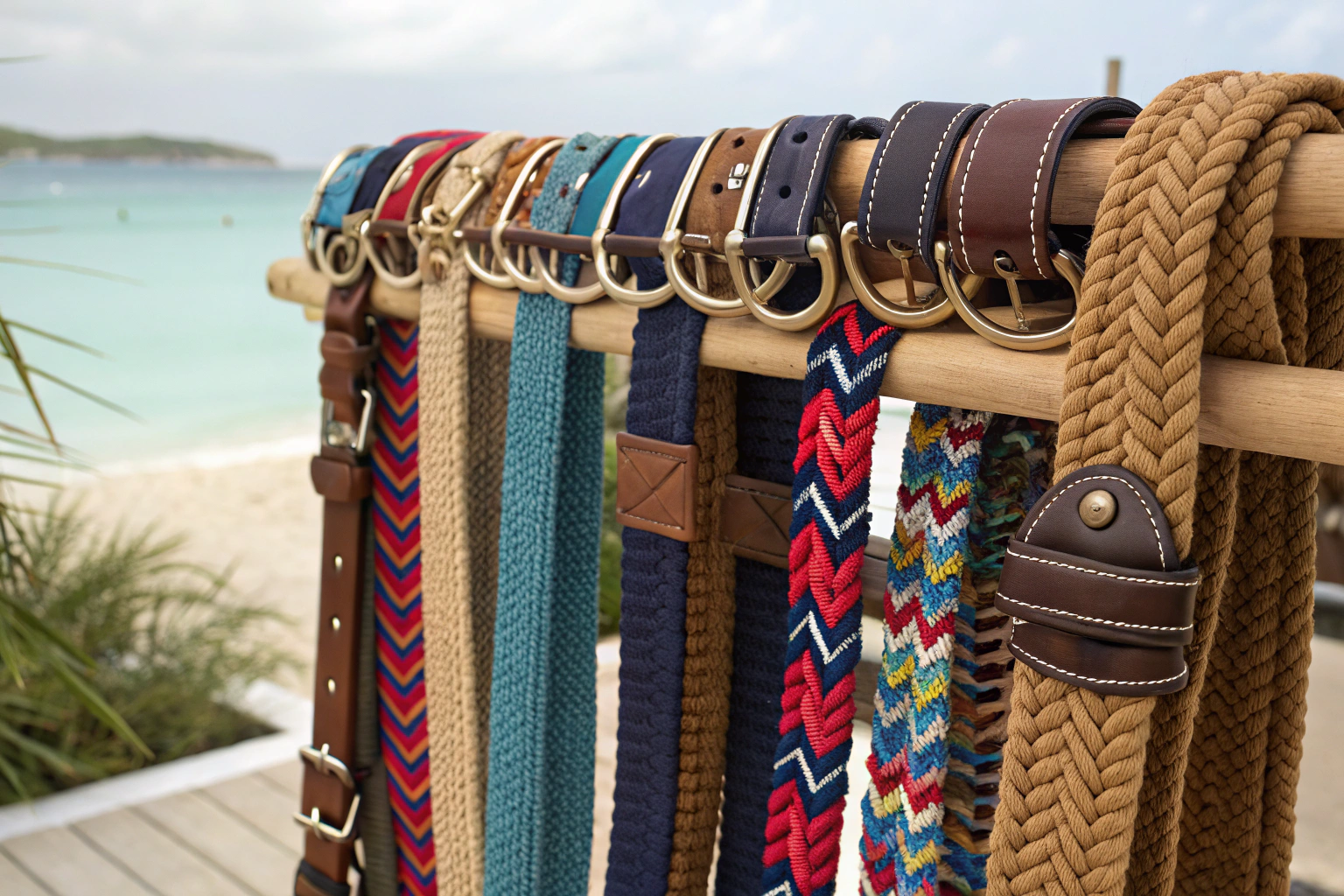
Resort retail operates in a unique ecosystem where impulse purchases, vacation mentality, and specific aesthetic requirements create both challenges and opportunities for accessories merchandising. The successful resort shop belt selection must balance visual appeal, practical vacation needs, and price points that align with discretionary travel spending while capturing the essence of escape and relaxation.
The top belt styles for resort shop merchandising include colorful woven fabric belts, quick-dry synthetic webbing, nautical-inspired rope designs, reversible options offering multiple styling choices, and elasticized comfort waistbands. These styles succeed because they address practical vacation needs like water exposure and comfort while fitting resort aesthetics and accommodating the "treat yourself" mentality of travelers. The most successful resort belt programs understand they're selling souvenirs and experiences as much as functional accessories.
With resort retail increasingly competitive, understanding which belt styles drive sales and margin requires analyzing guest behavior, destination themes, and the practical realities of vacation activities. The right belt assortment can significantly increase average transaction size while creating lasting brand impressions that extend beyond the vacation itself.
What Woven Fabric Belts Drive Impulse Purchases?
Colorful woven belts capture the vacation spirit through vibrant patterns and lightweight comfort that appeals to travelers seeking to incorporate destination aesthetics into their wardrobe.

Why Do Ethnic Pattern Belts Resonate with Travelers?
Woven belts featuring distinctive cultural patterns satisfy the traveler's desire for authentic-looking souvenirs that reference their destination without being overly touristy. Guatemalan-inspired zigzag designs, Balinese ikat patterns, or African kente cloth motifs provide visual interest while feeling more special than solid-color alternatives. These patterns photograph beautifully for social media, extending their marketing value beyond the initial purchase.
The most successful ethnic pattern belts for resort shops balance authenticity with commercial appeal. While pure traditional designs might have limited market, adaptations that incorporate local colors and patterns in contemporary widths and buckles satisfy both the desire for authenticity and modern styling preferences. This approach respects cultural traditions while creating commercially viable products that don't risk appropriation concerns through direct copying of sacred or ceremonial designs.
How Important Is Color Psychology in Resort Belt Selection?
Vacation color preferences shift dramatically toward brighter, more optimistic palettes that reflect the escape from everyday environments. Resort shoppers gravitate toward turquoises and aquas that evoke tropical waters, coral and sunset oranges that capture evening light, and vibrant greens that suggest lush landscapes. These colors work particularly well in woven belts where multiple hues can be incorporated into single patterns.
The most commercially successful resort belt programs organize color stories by destination theme rather than generic rainbow arrangements. Caribbean shops might focus on sea-inspired blues and greens with coral accents, while desert resorts emphasize earth tones with turquoise pops. This thematic organization helps customers select belts that will specifically remind them of their current vacation when worn later, strengthening the emotional connection and purchase justification.
What Functional Belt Styles Meet Vacation Needs?
Beyond aesthetics, resort belts must address practical vacation scenarios where traditional leather belts often prove unsuitable.
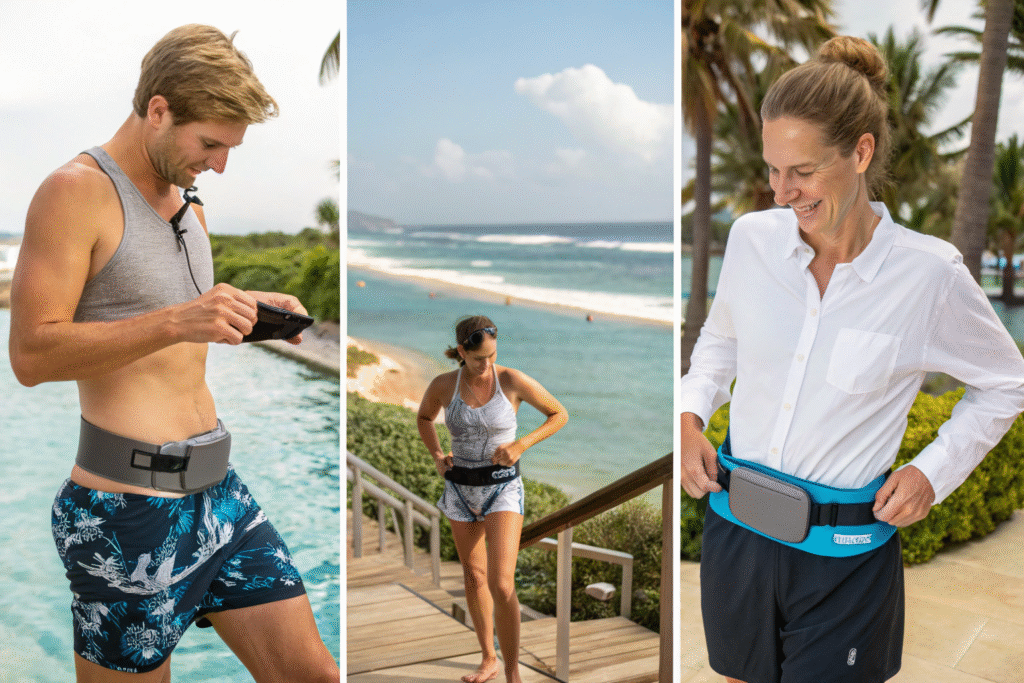
Why Do Quick-Dry Materials Dominate Beach Resorts?
Belts made from quick-dry synthetic materials address the fundamental reality that resort guests frequently transition between water activities and dining or shopping. Unlike leather that water damages or fabric that remains uncomfortably wet for hours, technical materials like polypropylene webbing, coated nylon, or perforated synthetics shed water quickly and remain comfortable against skin. This functionality proves particularly valuable in tropical climates where humidity slows drying.
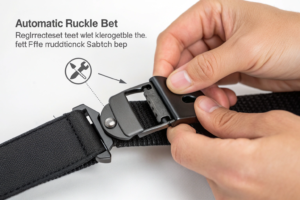
The most successful quick-dry belts incorporate design elements that enhance their technical performance. Molded plastic buckles that don't rust or corrode, welded seams that prevent unraveling, and anti-microbial treatments that prevent odor development all contribute to products that withstand resort conditions while maintaining appearance. These practical benefits justify price premiums while reducing returns from customers who discover traditional belts unsuitable for actual vacation use.
How Do Comfort Features Influence Resort Purchases?
Elasticized and adjustable comfort features address the physical realities of vacation, where bloating from different foods, hydration changes in heat, and large meals make fixed-size belts uncomfortable. Styles with stretch panels, adjustable slide buckles, or flexible magnetic closures accommodate these fluctuations while providing consistent comfort throughout long vacation days filled with varied activities.
The comfort proposition becomes particularly compelling when paired with resort-appropriate aesthetics. A stretch belt in a vibrant tropical print or a adjustable webbing belt with nautical hardware maintains vacation styling while delivering superior comfort to rigid leather alternatives. This combination of fashion and function creates compelling purchase justification, especially for travelers who packed inadequately and discover their everyday belts don't work for vacation activities.
What Nautical and Niche Styles Capture Resort Themes?
Destination-specific belt designs create strong emotional connections with place, transforming functional accessories into tangible vacation memories.

Why Do Rope Belts Succeed in Coastal Resorts?
Natural fiber rope belts with marine-inspired hardware consistently perform well in coastal resorts by authentically reflecting nautical environments. The texture of twisted rope provides visual interest, while wooden or brass hardware reinforces the maritime aesthetic. These belts feel appropriately casual for beachside dining yet sufficiently polished for resort wear, spanning the dress code range that vacationers encounter.
The most successful rope belt implementations balance authenticity with wearability. Pure marine rope might be too rough against skin or clothing, while overly softened versions lose their nautical character. The ideal resort rope belt uses medium-weight natural fibers with sealed ends to prevent fraying, paired with quality hardware that references sailing tradition without being purely functional. This approach creates products that feel authentic yet comfortable for all-day wear.
What Role Do Reversible Belts Play in Travel Wardrobes?
Reversible belts offer practical packing advantages that resonate strongly with travelers seeking to maximize outfit options while minimizing luggage space. By providing two color options in a single belt, they effectively double styling possibilities while occupying half the space of two separate belts. This value proposition proves particularly compelling for air travelers facing baggage restrictions or cruise passengers with limited cabin storage.
The most commercially successful reversible combinations for resorts pair neutral tones with vacation colors—brown/white, black/turquoise, or navy/coral. This approach ensures one side works with everyday wardrobe basics while the other provides the vacation color pop that justifies the purchase. Premium implementations use quality materials on both sides rather than treating the reverse as secondary, recognizing that customers value both options equally for different occasions.
How Should Resort Shops Merchandise Belt Collections?
Strategic merchandising transforms belt displays from functional necessities into profit centers that capture vacation spending.
| Merchandising Strategy | Visual Impact | Sales Conversion Effect |
|---|---|---|
| Themed Color Stories | Creates cohesive destination aesthetic | Increases multiple purchases through coordinated styling |
| Outfit-Based Displays | Shows belts as completing elements | Raises perceived necessity and outfit completion urge |
| Impulse Placement Near Checkout | Captures last-minute decisions | Increases add-on purchases without sales assistance |
| Try-On Encouragement Stations | Reduces purchase hesitation | Decreases returns through confirmed fit and satisfaction |
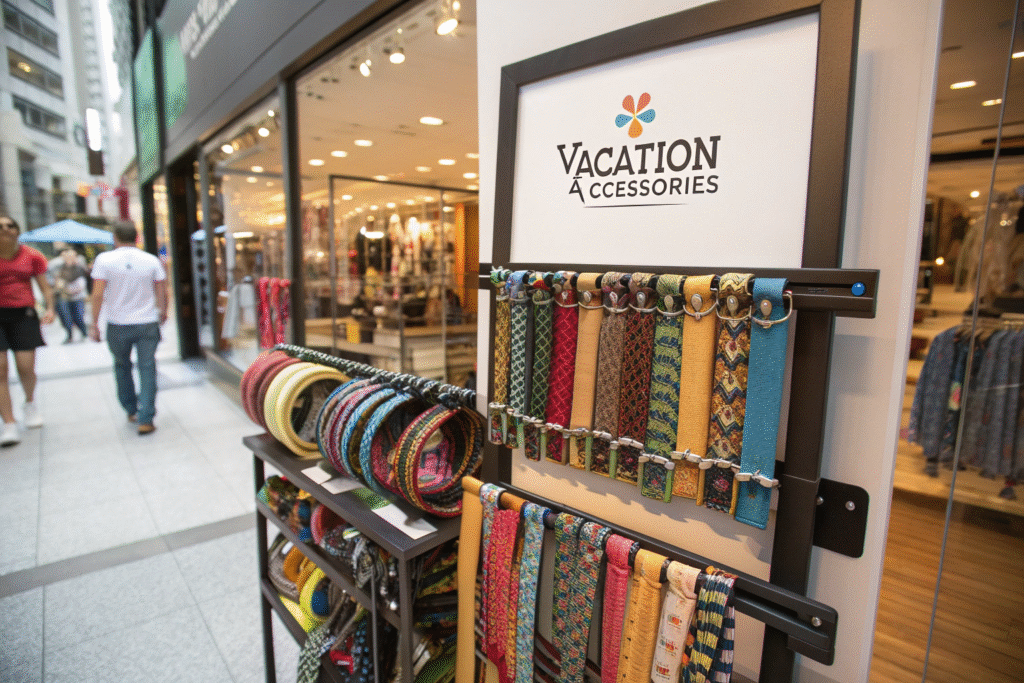
How Does Outfit Coordination Increase Belt Sales?
Displaying belts as integral components of complete outfits significantly increases their perceived necessity and fashion relevance. A mannequin wearing resort wear without a belt looks incomplete compared to one where a colorful belt pulls the outfit together. This visual merchandising approach demonstrates styling possibilities that customers might not envision themselves, particularly important for vacation purchases where shoppers experiment with styles outside their everyday comfort zone.
The most effective outfit coordination pairs specific belt styles with appropriate clothing—woven fabric belts with linen trousers and blazers, nautical rope belts with shorts and polo shirts, or reversible belts displayed with both color options shown in different outfits. This contextual merchandising helps customers understand how belts transition between different vacation activities, from beachside lunches to evening dinners, justifying purchases as versatile rather than single-use items.
What Price Architecture Maximizes Resort Belt Margins?
Successful resort belt pricing strategies recognize the vacation context where discretionary spending increases and price sensitivity decreases. A tiered approach with good-better-best options captures different customer segments—entry-level impulse purchases under $30, mid-range fashionable options at $45-75, and premium souvenirs or gift items approaching $100. This structure allows customers to self-select based on their budget and purchase intent.
The highest-margin belt sales often come from storytelling and limited availability. Belts presented as "exclusive to this resort" or "handwoven by local artisans" command significant premiums over generic alternatives, particularly when accompanied by authentic background information. This approach transforms functional accessories into meaningful souvenirs with emotional value beyond their utility, justifying prices that might seem excessive in traditional retail contexts.
Conclusion
Resort shop belt merchandising succeeds when it understands the vacation mindset—the desire for both practical solutions and emotional connections to place. The most profitable belt programs balance vibrant aesthetics with functional benefits specific to resort activities, creating products that serve actual vacation needs while capturing the spirit of escape and relaxation.
By focusing on colorful woven options, water-friendly materials, comfort features, and destination-appropriate themes, resort retailers can transform belt displays from afterthoughts into significant profit centers. The strategic combination of impulse-friendly pricing, outfit-based merchandising, and authentic storytelling creates compelling purchase justifications that align with how guests actually shop while on vacation.
Ready to develop a resort belt collection that captures vacation spending? Contact our Business Director, Elaine, at elaine@fumaoclothing.com to discuss our specialized resort belt designs and merchandising strategies that drive sales in competitive vacation retail environments.