The leather industry faces increasing scrutiny regarding both environmental impact and ethical practices, with yield optimization emerging as a crucial factor in sustainable sourcing. Understanding what determines leather yield goes beyond simple hide utilization—it encompasses the entire ethical ecosystem from animal welfare to manufacturing efficiency. The relationship between ethical practices and material yield represents a complex balance where responsible approaches often enhance rather than diminish usable output.
Leather yield in ethical sourcing is determined by animal welfare standards, traceable supply chains, responsible tanning processes, hide quality preservation, and pattern efficiency. Contrary to assumptions that ethical practices reduce yield, properly implemented ethical standards typically increase usable leather through better hide quality, reduced damage, and optimized processing. The most successful ethical sourcing programs demonstrate that responsibility and efficiency can be complementary rather than competing objectives.
As consumers and brands increasingly prioritize transparency and sustainability, understanding the factors that determine leather yield within ethical frameworks becomes essential for making informed sourcing decisions that align with both values and business objectives.
How Do Animal Welfare Practices Impact Leather Quality?
The treatment of animals during their lives directly influences hide quality and subsequent leather yield, creating a direct connection between welfare and efficiency.

What Living Conditions Preserve Hide Integrity?
Animals raised in high-welfare environments typically produce hides with fewer defects that compromise yield. Proper nutrition prevents stretch marks and weak areas, adequate space reduces fighting injuries and abrasions, and clean living conditions minimize insect bites and skin infections. These preventative measures preserve the largest possible continuous surface area for cutting belt patterns, directly increasing usable leather per hide.
The most significant yield impact comes from eliminating practices that deliberately damage hides. Brands used for identification create permanent scars that must be cut around, while poorly maintained fencing causes scratches and cuts that reduce usable area. Ethical sourcing programs often implement alternative identification methods like ear tags and maintain facilities specifically designed to prevent hide damage, recognizing that these investments yield both ethical and economic returns through improved material quality.
How Does Stress Reduction Affect Hide Quality?
Recent research indicates that chronic stress in animals creates physiological changes that compromise hide structure and uniformity. Stress hormones can affect collagen formation and fat distribution, leading to variations in thickness and texture that reduce cutting efficiency. Ethically sourced hides from low-stress environments typically demonstrate more consistent thickness and tighter grain structure, enabling more predictable pattern nesting and higher yield.
The stress reduction extends to transportation and slaughter methods, where calm handling prevents the adrenaline releases that can cause blood spots and texture variations. The most advanced ethical programs implement controlled atmosphere stunning and other low-stress methods that preserve hide quality while addressing humanitarian concerns. This comprehensive approach recognizes that ethical treatment throughout the animal's life cycle produces superior materials alongside moral satisfaction.
What Tanning Processes Maximize Yield Ethically?
The transformation from raw hide to finished leather represents where significant yield gains or losses occur, with ethical tanning methods often preserving more usable material.

How Do Eco-Friendly Tanning Methods Affect Usable Leather?
Modern eco-friendly tanning approaches often achieve higher yields than conventional methods through gentler processing that preserves hide integrity. Vegetable tanning using natural extracts typically causes less fiber structure damage than aggressive chemical processes, resulting in stronger leather that withstands cutting and finishing without tearing. Similarly, chrome-free metal tanning maintains more consistent thickness across the hide, enabling better pattern utilization.
The yield advantage extends to waste management, where ethical tanneries implement circular systems that recapture and reuse tanning agents rather than discharging them after single use. These closed-loop approaches not only reduce environmental impact but also maintain more consistent processing conditions that produce uniform results across production batches. This consistency allows manufacturers to optimize cutting patterns with confidence that leather characteristics will remain stable throughout their order.
What Role Does Precision Processing Play?
Ethical tanneries increasingly employ digital monitoring systems that optimize each hide's potential through individualized processing. Computer-controlled dyeing ensures even color penetration without over-saturation that can weaken fibers, while precision splitting creates consistent thickness without removing excess material. These technological approaches maximize usable leather while reducing chemical and energy consumption—a dual benefit that aligns ethical and efficiency objectives.
The most advanced systems use hyperspectral imaging to identify natural variations in hide density and structure, allowing customized tanning recipes that optimize characteristics for specific applications. Belt leather might receive different treatment than leather destined for upholstery, with processes tailored to enhance relevant properties without compromising others. This precision approach recognizes that maximum yield means obtaining the right leather for each purpose, not simply maximizing square footage regardless of quality.
How Does Supply Chain Transparency Improve Yield?
Visibility throughout the supply chain creates opportunities for yield optimization that opaque systems cannot achieve.

What Tracking Systems Identify Yield Opportunities?
Comprehensive traceability systems create data trails that correlate specific farming practices with eventual leather yield. By tracking hides from origin through processing, manufacturers can identify which farms consistently produce high-yield materials and which practices correlate with defects. This data-driven approach enables continuous improvement through focused interventions rather than generalized assumptions about ethical sourcing.
The most sophisticated tracking extends beyond simple origin documentation to include detailed hide mapping that records natural characteristics and minor imperfections before cutting. This digital twin approach allows manufacturers to virtually test cutting patterns against actual hide specifics rather than generic templates, potentially increasing yield by 8-12% through optimized nesting. The resulting efficiency gain helps offset the typically higher costs of ethically sourced materials, improving both economic and ethical outcomes.
How Does Supplier Relationship Impact Yield Consistency?
Long-term relationships with ethical suppliers create yield advantages through improved communication and mutual understanding of requirements. When tanneries understand a belt manufacturer's specific pattern sizes and quality standards, they can perform preliminary grading and sorting that optimizes material allocation. This collaborative approach reduces the yield loss that occurs when manufacturers receive materials inappropriate for their specific applications.
The relationship advantage extends to continuous improvement processes where manufacturers and suppliers jointly analyze yield results to identify improvement opportunities. This might involve adjusting hide selection criteria, modifying finishing processes, or even redesigning products to better align with natural leather characteristics. The most successful ethical sourcing partnerships function as integrated systems rather than transactional relationships, with yield optimization as a shared objective that benefits all participants.
What Manufacturing Approaches Maximize Ethical Yield?
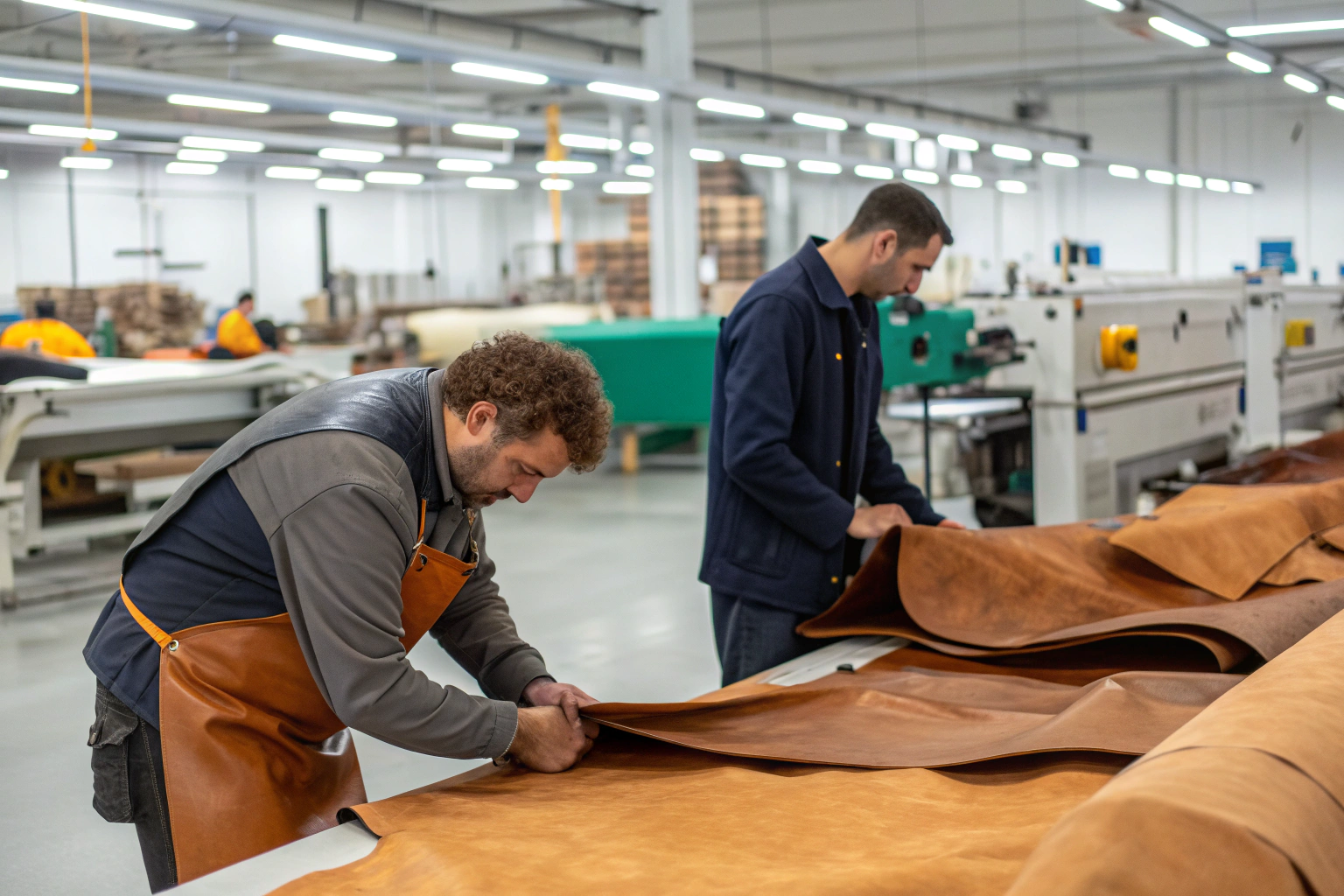
The conversion from tanned leather to finished belts represents the final stage where yield is determined through cutting efficiency and waste minimization.
| Manufacturing Factor | Ethical Consideration | Yield Impact |
|---|---|---|
| Pattern Nesting Software | Reduces material waste through optimization | 15-25% improvement in leather utilization |
| Lean Cutting Practices | Minimizes environmental impact through efficiency | 8-12% reduction in scrap generation |
| Quality-Based Sorting | Matches leather characteristics to appropriate products | 10-15% reduction in manufacturing defects |
| Waste Recycling Programs | Diverts scrap from landfills through upcycling | Creates additional value from remnant materials |
| Employee Training | Fair labor practices improve attention and skill | 5-8% yield improvement through reduced errors |

How Does Digital Pattern Optimization Work?
Advanced nesting software has revolutionized leather yield by automatically arranging patterns to minimize waste while accommodating natural hide variations. The most sophisticated systems incorporate artificial intelligence that learns from previous cutting sessions, continuously improving its ability to navigate around scars, brands, and natural imperfections. This digital approach typically achieves 15-25% better material utilization than manual pattern placement, significantly impacting both economic and environmental outcomes.
The ethical dimension extends to how these systems handle the natural imperfections that characterize genuine leather. Rather than rejecting hides with minor flaws, optimized nesting works around these characteristics, preserving the unique markings that demonstrate authentic material while maximizing usable area. This approach respects the natural variation in organic materials rather than demanding the uniform perfection that drives waste in many manufacturing processes.
What Role Does Grading Play in Yield Optimization?
Strategic leather grading ensures that each hide's characteristics are matched to appropriate products, maximizing value rather than simply quantity. Ethical manufacturing recognizes that yield means obtaining maximum appropriate use from materials, not forcing unsuitable leather into applications where it will underperform. This quality-based approach reduces waste from manufacturing defects and customer returns while delivering better products.
The most effective grading systems incorporate multiple dimensions—thickness consistency, tensile strength, elasticity, and surface characteristics—to determine optimal usage. Leather with natural markings might be directed to products where character is valued, while uniform sections are reserved for applications requiring consistency. This thoughtful allocation represents a more sophisticated understanding of yield that considers both material preservation and functional appropriateness.
Conclusion
Leather yield in ethical sourcing is determined by interconnected factors spanning animal welfare, processing methods, supply chain transparency, and manufacturing efficiency. Contrary to common assumptions, ethical practices typically enhance rather than diminish yield through better hide quality, reduced damage, and optimized processing. The most successful ethical sourcing programs demonstrate that responsibility and efficiency can be complementary objectives when approached systematically.
The future of ethical leather sourcing lies in continued integration of animal welfare, environmental responsibility, and manufacturing efficiency through technological innovation and supply chain collaboration. As traceability technologies advance and consumer expectations evolve, the connection between ethical practices and optimized yield will likely strengthen, creating compelling business cases for responsible sourcing.
Ready to optimize leather yield through ethical sourcing practices? Contact our Business Director, Elaine, at elaine@fumaoclothing.com to discuss our traceable supply chain and yield optimization approaches that deliver both quality leather and ethical confidence.