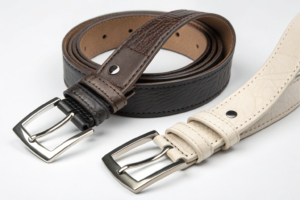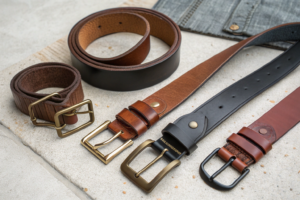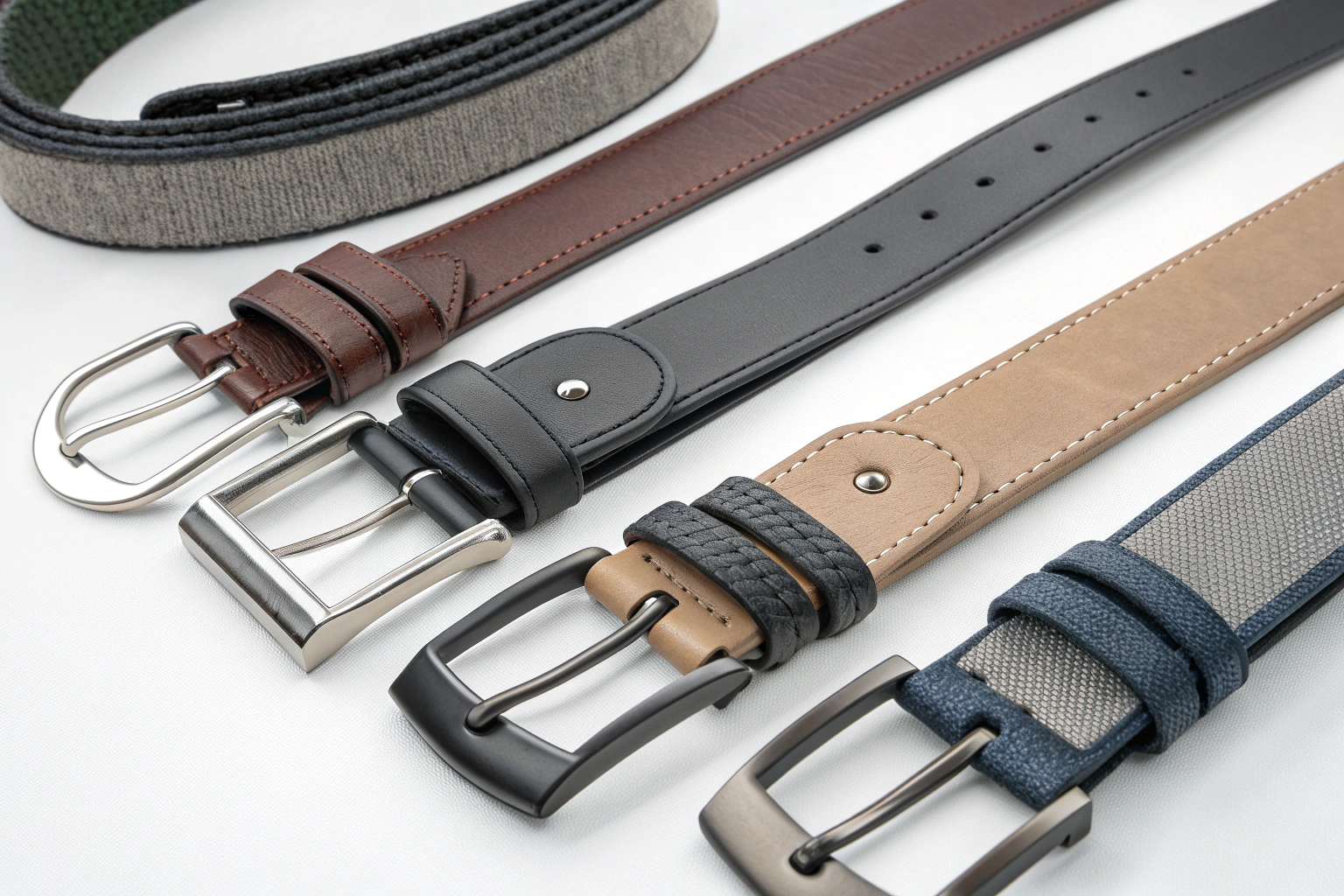
The growing awareness of contact dermatitis and metal allergies has transformed the accessories market, driving significant innovation in hypoallergenic belt materials. With approximately 10-15% of the population sensitive to nickel and countless others reacting to various chemicals used in traditional leather processing, the demand for truly allergy-free belts has created a specialized market segment with sophisticated material solutions.
The top material innovations in allergy-free belts include medical-grade polymers, nanotechnology coatings, plant-based leather alternatives, advanced textile composites, and surface modification techniques that eliminate allergens while maintaining durability and aesthetic appeal. These innovations address allergy triggers at multiple levels—replacing problematic metals, eliminating chemical residues from tanning processes, creating barrier technologies, and developing entirely new material categories that bypass traditional allergy pathways entirely.
Understanding these material advancements reveals how the accessories industry is responding to legitimate health concerns while delivering products that meet both medical requirements and fashion expectations.
What Metal-Free Hardware Solutions Exist?
The buckle and hardware represent the most common source of belt-related allergies, driving innovation in alternative materials that avoid problematic metals while maintaining functionality.

How Do Advanced Polymers Replace Traditional Metals?
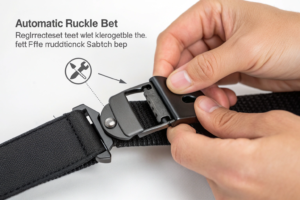
Medical-grade high-performance polymers have evolved to provide metal-free hardware solutions that match or exceed the durability of traditional buckles while eliminating allergy risks. Materials like PEEK (polyether ether ketone), acetal copolymers, and reinforced nylons offer exceptional strength-to-weight ratios, corrosion resistance, and manufacturing precision that enables sophisticated buckle designs. These polymers can be colored throughout rather than coated, preventing the wear-through that exposes underlying metals in plated alternatives.
The most advanced implementations use fiber-reinforced polymers that incorporate carbon or glass fibers for additional strength in high-stress areas like buckle tongues and attachment points. These composites undergo rigorous testing to ensure they withstand the mechanical stresses of daily belt use, including tension testing, impact resistance evaluation, and fatigue testing simulating years of use. The resulting products provide complete metal avoidance without the functional compromises that limited earlier plastic alternatives.
What Role Do Ceramic and Glass Composites Play?
Advanced technical ceramics offer unique benefits for allergy-free hardware, particularly zirconia-based composites that provide metal-like density and appearance without nickel or cobalt content. These materials undergo sophisticated sintering processes that create extremely hard, scratch-resistant surfaces that maintain their finish indefinitely. The inherent stability of ceramics prevents the oxidation that causes skin irritation with some metals, while their non-porous nature prevents bacterial growth that can complicate skin conditions.
The most innovative ceramic implementations combine different materials to optimize performance—ceramic surfaces for contact areas with polymer cores for impact resistance, or ceramic coatings over composite bases that reduce weight while maintaining hypoallergenic properties. These hybrid approaches address the limitations of pure ceramics (brittleness, cost) while preserving their allergy-free advantages. The resulting hardware provides the aesthetic satisfaction of traditional buckles without the allergy risks.
What Leather Alternatives Prevent Chemical Reactions?
Traditional leather processing uses numerous chemicals that can trigger allergic reactions, driving development of alternative materials that replicate leather's desirable properties without sensitizing agents.
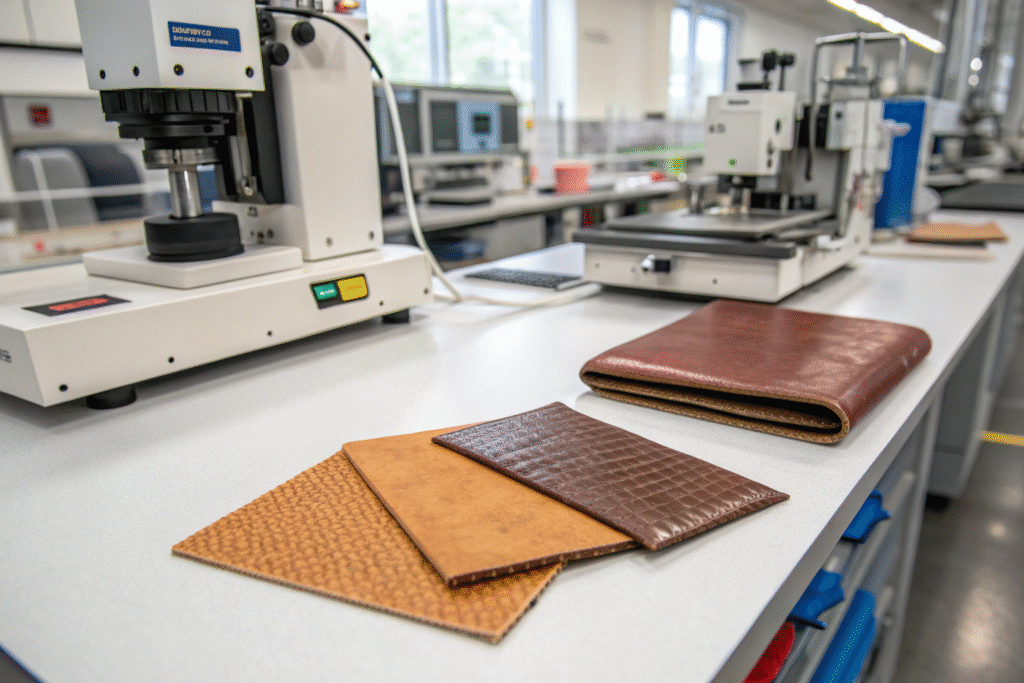
How Do Plant-Based Materials Achieve Leather-like Properties?
Innovative plant-based leather alternatives utilize natural polymers from unexpected sources to create allergy-free belt materials. Pineapple leaf fibers (Piñatex), mushroom mycelium (Mylo), cactus leaves (Desserto), and apple processing waste all provide bases for materials that mimic leather's texture and durability without the chemical residues from tanning. These plant-based options typically use water-based polyurethane coatings rather than solvent-based finishes, further reducing potential irritants.
The most advanced plant-based materials go beyond simple substitution to offer unique benefits for allergy sufferers. Their natural antimicrobial properties reduce bacterial growth that can exacerbate skin conditions, while their breathability often exceeds traditional leather. Manufacturing processes avoid the heavy metals used in some leather dyes, instead utilizing plant-based colorants or mineral pigments that pose minimal allergy risk. These comprehensive approaches address multiple potential irritants rather than simply replacing single elements.
What Textile Innovations Provide Hypoallergenic Options?
Advanced technical textiles specifically engineered for allergy prevention represent another frontier in belt materials. Warp-knit constructions that eliminate backing adhesives, seamless weaving techniques that prevent stitching irritation, and embedded silver ions (non-nanoparticle) that provide antimicrobial action without sensitization risk all contribute to belts that are safer for sensitive skin. These textiles often incorporate moisture-wicking properties that keep skin dry, reducing another factor in contact dermatitis.
The most sophisticated textile approaches use multi-layer constructions that separate functions to optimize allergy prevention. A soft, breathable inner layer contacts skin, a structural middle layer provides durability, and a decorative outer layer offers aesthetic appeal. This compartmentalization allows each layer to be optimized for its specific function without compromise, creating belts that feel comfortable against skin while maintaining the appearance and longevity expected of quality accessories.
What Coating Technologies Create Effective Barriers?
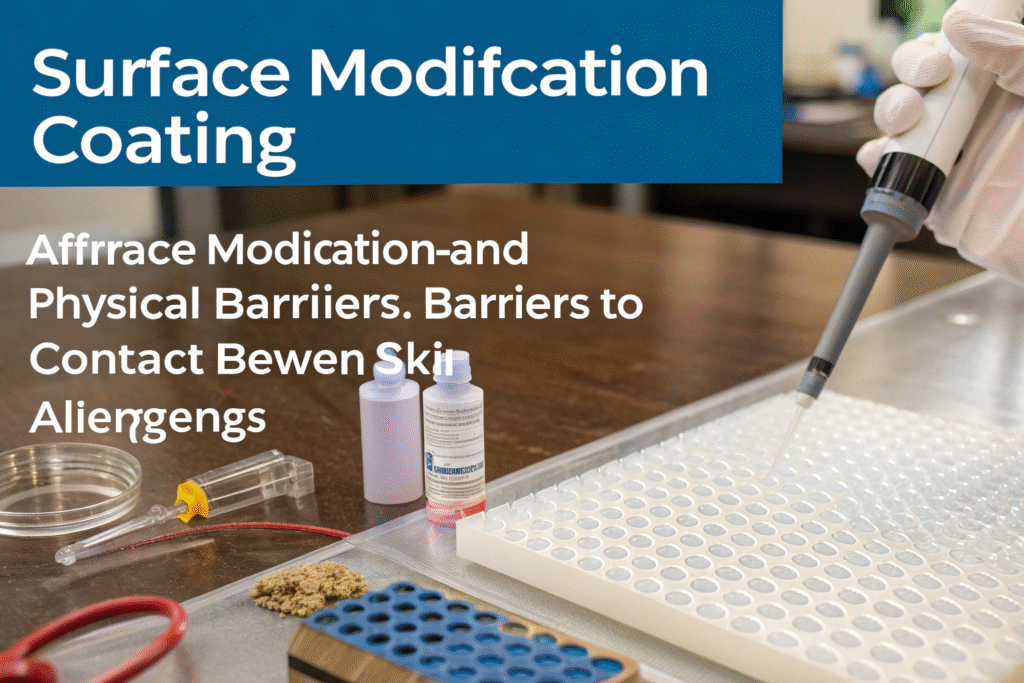
Surface modification and coating technologies provide additional protection by creating physical barriers that prevent contact between allergens and skin.
| Coating Technology | Protection Mechanism | Durability Characteristics |
|---|---|---|
| Parylene Coating | Vapor-deposited polymer barrier | Excellent chemical resistance, maintains flexibility |
| Silicone Modification | Surface grafting of medical-grade silicone | High tear strength, stable in temperature extremes |
| Fluoropolymer Treatment | Thin, invisible barrier layer | Superior abrasion resistance, stain protection |
| Hydrogel Laminates | Water-based barrier with healing properties | Self-repairing for minor scratches, maintains breathability |
| Nanocellulose Films | Plant-derived transparent barrier | Biodegradable, high strength-to-weight ratio |
How Do Molecular Barrier Coatings Work?
Advanced molecular deposition techniques create ultra-thin barrier coatings that block allergen transfer while preserving the underlying material's properties. Parylene coating, originally developed for medical devices, involves vaporizing a dimer and depositing it as a transparent polymer film just microns thick. This conformal coating penetrates pores and crevices, creating a continuous barrier that prevents nickel ions from migrating through to the skin from underlying metal components.
The advantage of these molecular approaches lies in their completeness and durability. Unlike dipped or sprayed coatings that might have thin spots or wear points, vapor deposition creates uniform coverage even on complex geometries like buckle mechanisms. The resulting protection remains effective through years of use because the coating becomes part of the material rather than sitting on its surface. This permanent solution allows the use of cost-effective base materials while ensuring they never contact skin directly.
What Role Do Smart Coatings Play in Allergy Prevention?
"Smart" responsive coating technologies represent the next generation of allergy prevention, with materials that actively manage the skin-device interface. pH-buffering coatings maintain skin's natural acidity when moisture is present, reducing irritation potential. Temperature-regulating coatings minimize sweat accumulation that can increase allergen absorption. Some experimental coatings even incorporate mild anti-inflammatory compounds that release at the first signs of irritation, preventing reactions from progressing.
The most promising smart coatings use biomimetic approaches that replicate protective mechanisms from nature. Lotus-effect surfaces that repel allergens, shark-skin patterns that resist bacterial colonization, and self-healing coatings that repair minor damage all contribute to maintaining the barrier function over time. These advanced approaches recognize that allergy prevention requires ongoing protection rather than just initial barrier creation, addressing the reality that belts experience wear that can compromise simpler solutions.
How Are Testing and Verification Ensuring Safety?
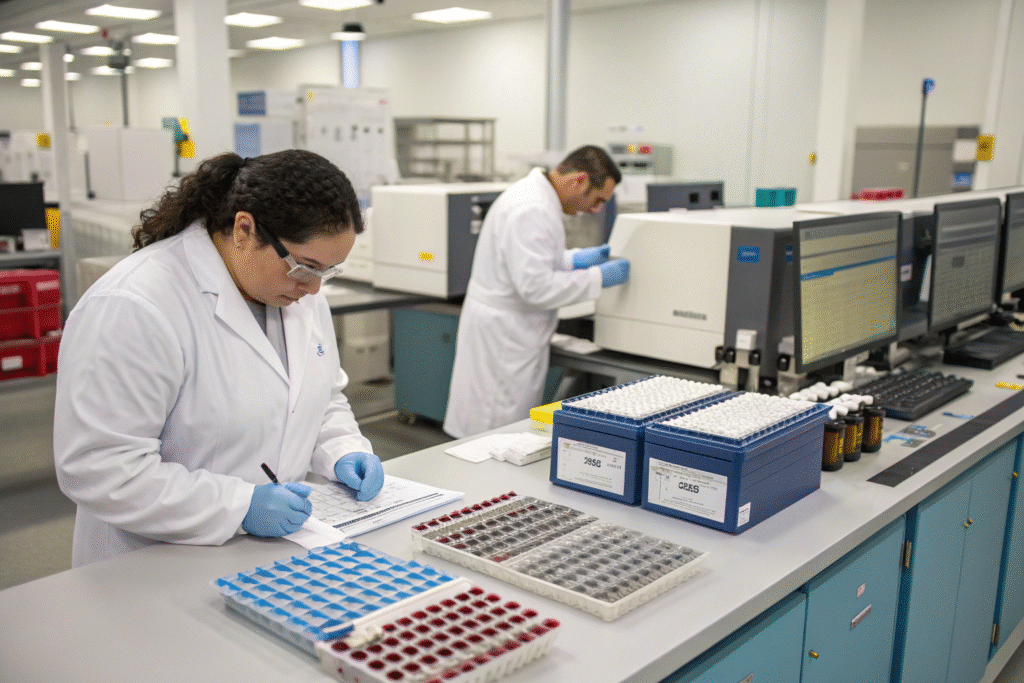
Rigorous testing protocols and verification systems have emerged to validate allergy-free claims, moving beyond manufacturer assurances to scientifically substantiated safety.
What Standardized Testing Protocols Validate Claims?
Independent verification through standardized testing protocols provides the credibility needed for genuine allergy-free claims. The European Union's Nickel Directive (94/27/EC) establishes specific testing methods for nickel release, requiring less than 0.5 μg/cm²/week to be considered nickel-free. Similarly, the Oeko-Tex Standard 100 certification tests for numerous harmful substances, providing comprehensive verification of material safety. These standardized approaches replace subjective claims with measurable, reproducible data.
The most thorough testing extends beyond regulatory minimums to include real-world simulation. Accelerated wear testing simulates years of use to ensure barrier coatings remain effective, while artificial sweat testing verifies that allergens don't leach out during perspiration. Some manufacturers conduct clinical patch testing with volunteer panels of known allergy sufferers, providing the most direct evidence of safety for sensitive individuals. This multi-method approach creates confidence that products will perform as promised in actual use conditions.
How Does Material Tracing Support Allergy Claims?
Complete supply chain transparency and material tracing provide another layer of verification for allergy-free claims. By documenting every material component back to its source, manufacturers can certify the absence of problematic substances from the beginning of production rather than relying solely on finished product testing. This approach is particularly important for complex assembled products like belts that incorporate multiple materials from different suppliers.
The most comprehensive tracing systems include batch-specific documentation that follows materials through transformation processes, ensuring that hypoallergenic materials don't become contaminated during manufacturing. This level of traceability allows manufacturers to make specific claims like "no nickel added at any production stage" rather than the less definitive "meets nickel release standards." For consumers with severe allergies, this difference in specificity can determine whether a product is truly safe for their use.
Conclusion
The material innovations in allergy-free belts represent a significant convergence of medical understanding, material science, and manufacturing technology. The development of metal-free hardware, plant-based alternatives to leather, advanced barrier coatings, and rigorous verification protocols has created products that genuinely address the needs of allergy sufferers without compromising on aesthetics or functionality.
As awareness of contact allergies continues growing and consumers become more informed about material composition, these innovations are likely to move from niche solutions to mainstream expectations. The ongoing research in smart materials and surface science promises even more effective solutions that may eventually make allergic reactions to belts entirely preventable.
Ready to explore allergy-free belt options for your collection? Contact our Business Director, Elaine, at elaine@fumaoclothing.com to discuss our verified hypoallergenic materials and manufacturing processes that prioritize wearer safety alongside quality and style.