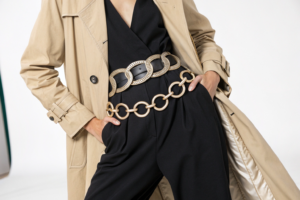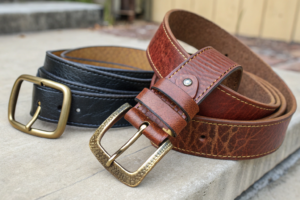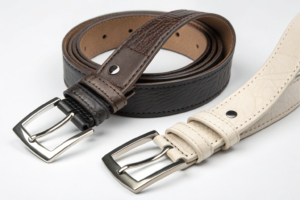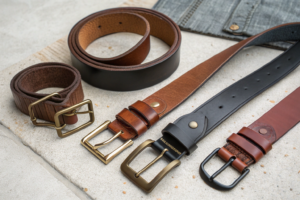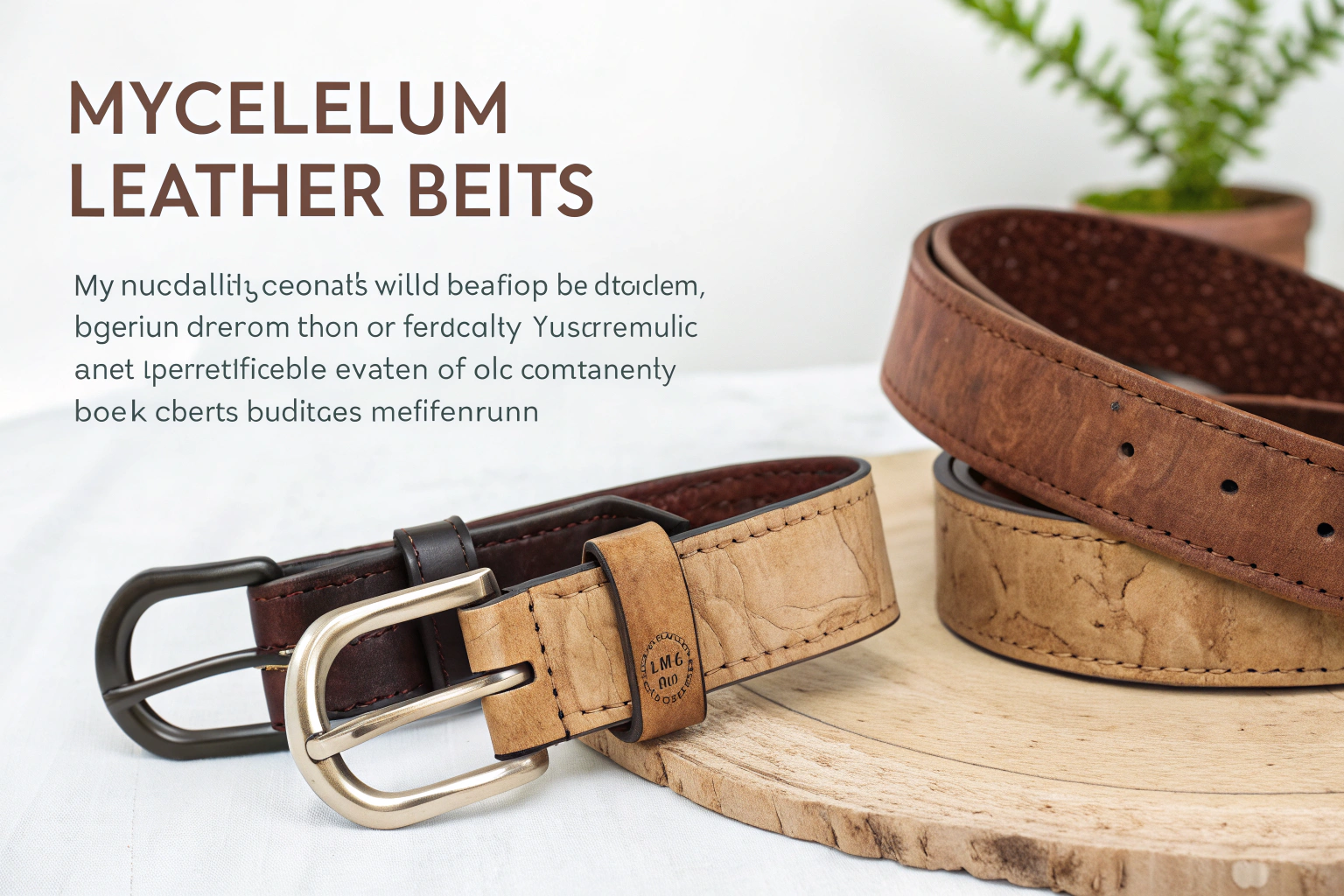
The vegan fashion market is undergoing a transformative shift beyond simple material substitution toward genuinely innovative alternatives that address both ethical concerns and environmental impact. Mycelium leather represents the forefront of this evolution, offering a fundamentally different approach to plant-based materials that transcends the limitations of earlier vegan options. This biomaterial harnesses the natural properties of mushroom roots to create leather alternatives with unprecedented sustainability credentials and performance characteristics.
Mycelium leather is the optimal choice for next-generation vegan belts because it delivers superior sustainability through circular production, offers unique aesthetic qualities unavailable in other materials, provides exceptional durability and performance characteristics, and represents genuine innovation rather than imitation. Unlike petroleum-based alternatives or even plant-based materials that require extensive processing, mycelium grows into leather-like materials with minimal resource inputs while creating positive environmental impacts through its production process. This biomaterial represents a paradigm shift from extracting or synthesizing materials to growing them with specific desired properties.
As consumers become increasingly sophisticated in their understanding of material impacts and manufacturers seek more sustainable production methods, mycelium leather stands poised to redefine expectations for vegan accessories across price segments and style categories.
What Environmental Advantages Distinguish Mycelium Leather?
The production methodology and inherent properties of mycelium leather create environmental benefits that extend far beyond simply avoiding animal products.
How Does the Production Process Reduce Environmental Impact?
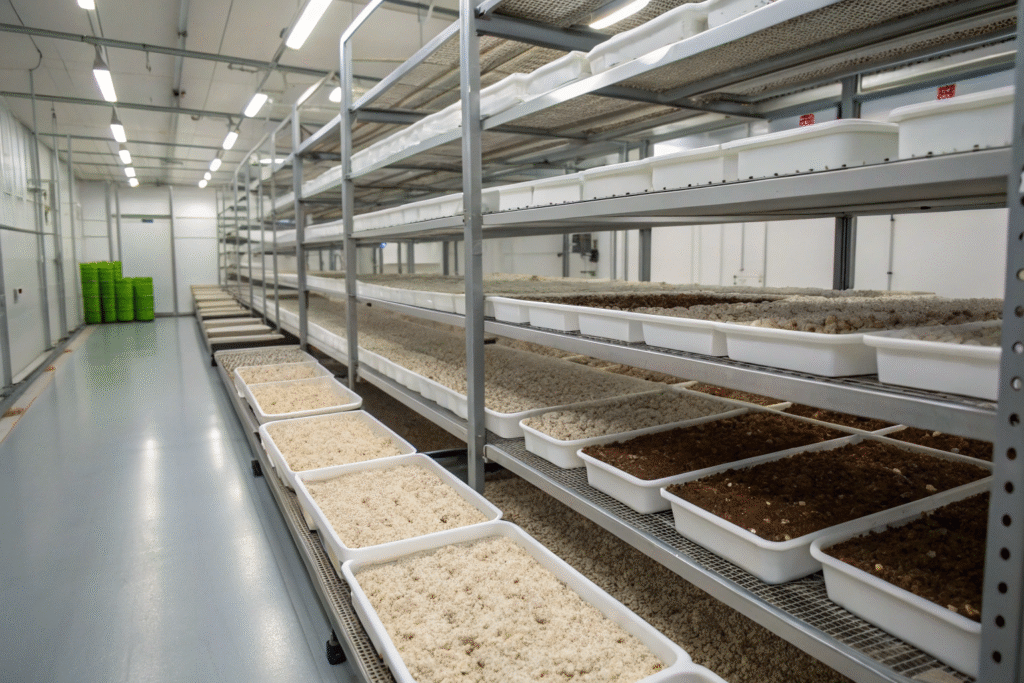
Mycelium leather production utilizes a radically different manufacturing paradigm based on growth rather than extraction or synthesis. The process begins with agricultural waste substrates (like sawdust or plant stalks) that provide nutrition for mycelium networks to develop into matted structures. This biological process requires minimal energy inputs compared to both traditional leather tanning and synthetic material production, with some estimates suggesting 80-90% reduction in energy consumption and carbon emissions compared to bovine leather.
The water usage differential proves even more dramatic—mycelium leather production uses approximately 1% of the water required for animal leather when considering both animal husbandry and tanning processes. Additionally, the growth process occurs in days or weeks rather than the years required for raising livestock, creating dramatically faster production cycles with correspondingly lower environmental impacts per unit time. This efficiency enables responsive manufacturing that aligns with sustainable business models favoring production aligned with demand rather than speculation.
What End-of-Life Advantages Does Mycelium Offer?
Unlike synthetic vegan leathers that create persistent plastic waste, mycelium leather offers multiple environmentally positive end-of-life scenarios. The completely organic, non-toxic material can be composted industrially or even in home composting systems, returning nutrients to soil rather than occupying landfills. This biodegradability represents a fundamental advantage over PVC and polyurethane vegan leathers that can persist for centuries while releasing microplastics into ecosystems.
The most sophisticated mycelium materials are engineered for specific decomposition timelines, with some formulations designed for durability during use but rapid breakdown under composting conditions. This programmed lifecycle represents the pinnacle of sustainable design—materials that maintain integrity during their useful life but efficiently return to biological cycles afterward. For environmentally conscious consumers, this closed-loop potential addresses concerns about fashion waste that persist even with vegan alternatives.
What Performance Characteristics Make Mycelium Suitable for Belts?
Beyond environmental credentials, mycelium leather delivers tangible performance benefits that make it particularly suitable for belt applications where durability and aesthetics matter.
| Performance Characteristic | Mycelium Leather Advantage | Belt Application Benefit |
|---|---|---|
| Tensile Strength | Naturally interwoven fiber structure | Resists tearing and stretching during daily wear |
| Flex Durability | Retains integrity through repeated bending | Withstands frequent buckling/unbuckling without cracking |
| Moisture Resistance | Natural hydrophobic properties when properly finished | Maintains appearance and function in varied weather conditions |
| Weight | Lighter than animal leather of equivalent thickness | Enhanced wearing comfort without sacrificing substance |
| Repairability | Accepts conditioners and finishes similarly to leather | Enables maintenance that extends product lifespan |
How Does Durability Compare to Traditional Materials?
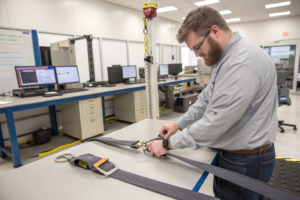
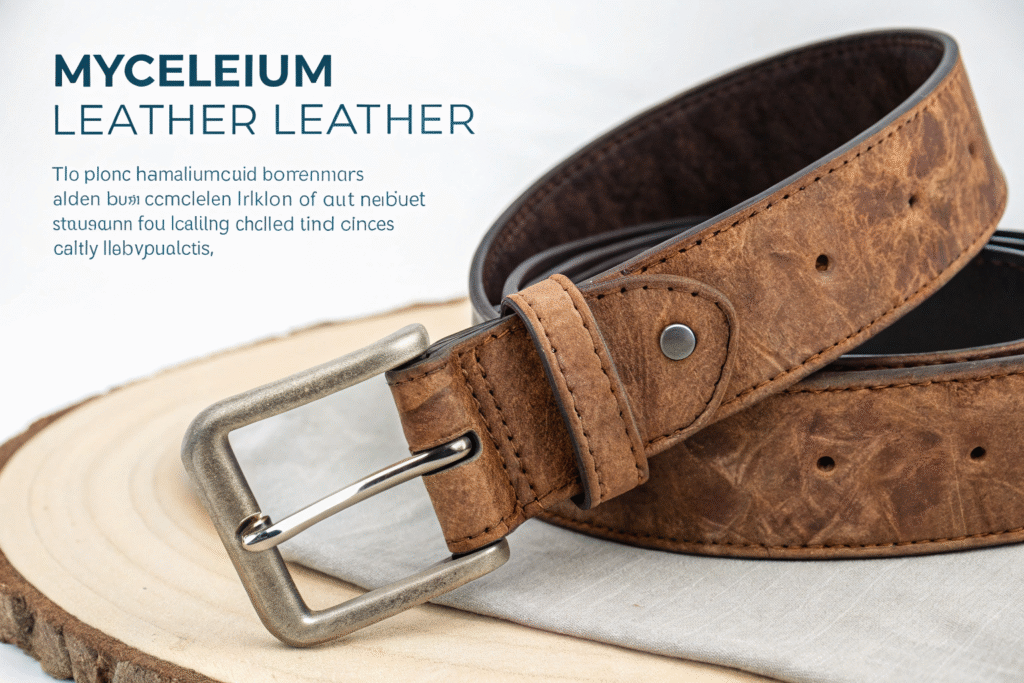
Mycelium leather demonstrates exceptional durability characteristics derived from its natural structure of interwoven hyphae that create robust matted materials. Testing reveals tear strength comparable to mid-grade animal leathers, with superior performance to many synthetic alternatives that rely on fabric backing for structural integrity. This inherent strength comes from the biomaterial's natural architecture rather than added reinforcements, creating more consistent performance throughout the material's thickness.
The flex endurance proves particularly valuable for belt applications where materials experience repeated stress around buckles and belt loops. Mycelium leather typically withstands 50,000+ double folds without cracking or significant degradation—performance that matches or exceeds many traditional leathers. This durability ensures belts maintain their appearance and function through years of daily wear, addressing a common concern with early vegan materials that deteriorated prematurely in high-stress applications.
What Unique Aesthetic Qualities Does Mycelium Offer?
Mycelium leather possesses distinctive visual and tactile characteristics that differentiate it from both animal leather and synthetic alternatives. The material naturally develops subtle variations in texture and grain patterns that resemble high-quality leather but with unique organic signatures. Unlike synthetic materials that attempt to perfectly replicate animal leather (and often fall into the "uncanny valley" of imitation), mycelium offers an authentic aesthetic that celebrates its biological origins rather than disguising them.
The most sophisticated implementations enhance these natural characteristics through minimal processing that preserves the unique patterning of mycelium growth. Some manufacturers create specific growth conditions that produce consistent textures for uniform product lines, while others embrace the natural variations that make each piece distinctive. This aesthetic authenticity resonates with consumers seeking genuine materials rather than imitations, positioning mycelium as a premium option with its own visual language rather than a substitute for traditional leather.
How Does Mycelium Support Ethical Supply Chains?
The production methodology and material characteristics of mycelium leather align with evolving ethical standards beyond basic vegan credentials.
What Labor Advantages Does Mycelium Production Offer?
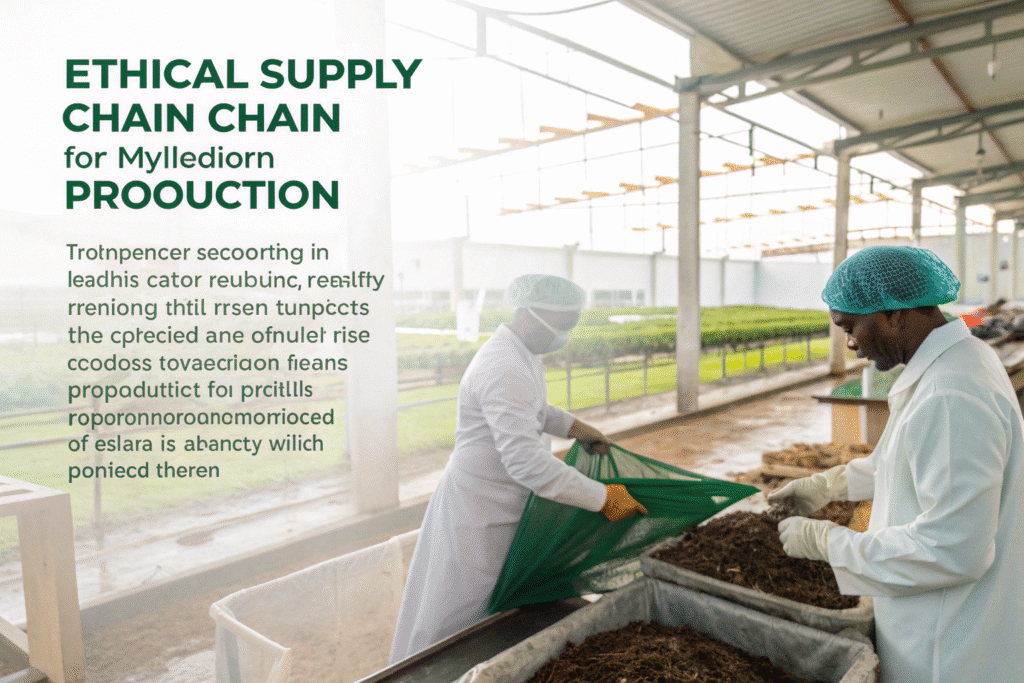
Mycelium leather manufacturing creates safer working conditions compared to both traditional leather tanning and synthetic material production. The biological growth process occurs in clean, controlled environments without the toxic chemicals used in tanning (chromium, formaldehyde) or plastic production (vinyl chloride, phthalates). This eliminates significant occupational health risks while creating manufacturing jobs that can be located closer to population centers rather than being tied to agricultural or petrochemical regions.
The production scalability offers additional social benefits—mycelium can be grown in facilities of various sizes, enabling distributed manufacturing models that support local economies rather than concentrating production in specific regions. This decentralization potential creates resilience in supply chains while providing economic opportunities in diverse communities. For brands emphasizing ethical production, this localization advantage complements the material's environmental benefits to create comprehensive sustainability stories.
How Does Mycelium Support Transparency Initiatives?
The inherent traceability of mycelium production supports the transparency demands of modern consumers. Unlike complex global leather supply chains where hides may pass through multiple countries with varying standards, mycelium production typically occurs within single facilities with complete control over inputs and processes. This consolidation enables comprehensive documentation of production conditions, material composition, and environmental impacts that consumers increasingly expect.
The most transparent implementations provide batch-specific information about growth conditions, substrate sources, and processing methods—creating an unprecedented level of product storytelling. Some forward-thinking manufacturers even incorporate blockchain tracking that allows consumers to verify the origin and production history of their mycelium products. This level of transparency builds consumer trust while providing brands with compelling narratives that differentiate their products in competitive markets.
What Innovation Pathways Promise Future Improvements?
The development of mycelium leather represents an ongoing innovation journey with significant potential for further advancement.
How Are Performance Enhancements Being Achieved?
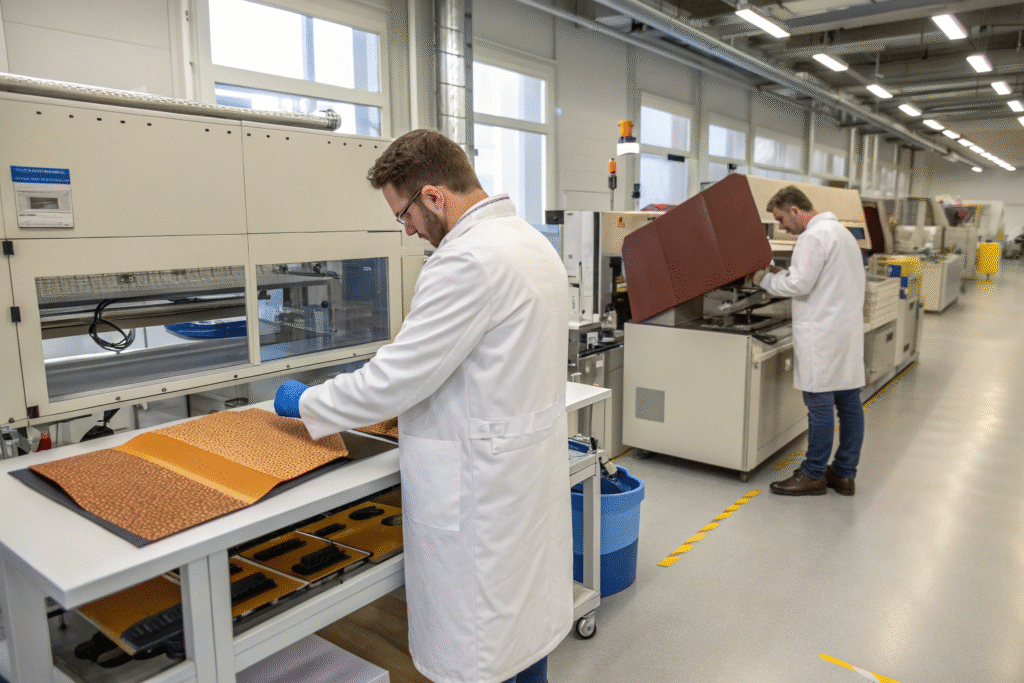
Ongoing materials science research is rapidly expanding the performance characteristics of mycelium leather through controlled growth parameters and minimal post-processing. By adjusting temperature, humidity, CO2 levels, and substrate composition during growth, manufacturers can engineer materials with specific properties—increased water resistance for outdoor applications, enhanced flexibility for fashion uses, or greater stiffness for structural applications. This biofabrication approach creates tailored materials rather than accepting the limitations of naturally occurring substances.
The most advanced development pathways combine mycelium with other bio-based materials to create composites with enhanced properties. Incorporating natural polymers like chitosan from mushroom sources or cellulose nanofibers from plant materials creates synergistic combinations that exceed the performance of individual components. These bio-composites maintain the compostability and non-toxic characteristics of pure mycelium while addressing specific performance requirements for different belt styles and price points.
What Scaling Developments Promise Cost Reductions?
The industrialization of mycelium production is following a trajectory similar to other biotechnology sectors, with rapid cost reductions as processes scale and optimize. Current development focuses on increasing growth density, reducing cycle times, and automating handling processes that currently require manual intervention. These efficiency improvements are projected to bring mycelium leather to price parity with mid-range bovine leather within 3-5 years, with further reductions possible as production scales globally.
The most promising scaling approaches utilize vertical farming concepts that maximize production per square foot while minimizing resource inputs. Some facilities are implementing continuous flow production where mycelium grows on moving substrates, creating more consistent output than batch processes. These manufacturing innovations, combined with growing expertise in mycelium strain selection and optimization, promise to transform mycelium leather from a premium niche material to a mainstream option accessible across market segments.
Conclusion
Mycelium leather represents a fundamental advancement in vegan materials that transcends the limitations of earlier alternatives by offering genuine innovation rather than mere substitution. Its environmental advantages, unique aesthetic qualities, performance characteristics, and ethical production attributes make it the optimal choice for next-generation vegan belts that meet evolving consumer expectations for sustainability, transparency, and quality.
As production scales and costs decrease, mycelium leather is poised to transition from premium novelty to mainstream material, offering a viable pathway for the fashion industry to reduce its environmental impact while meeting consumer demand for animal-free products. The continued innovation in this field promises even more sophisticated materials that could eventually surpass traditional leather in both performance and sustainability.
Ready to explore mycelium leather for your next belt collection? Contact our Business Director, Elaine, at elaine@fumaoclothing.com to discuss our mycelium material options and development capabilities for creating innovative vegan belts that align with future-focused values.