The globalization of belt manufacturing has created tremendous opportunities for brands to access specialized production capabilities worldwide, but these opportunities come with significant payment complexities. Navigating international transactions, currency conversions, payment security, and financial compliance represents a substantial barrier that many brands struggle to overcome when sourcing from overseas manufacturers.
Sourcing belts with seamless global payment options requires identifying manufacturers with international banking relationships, implementing secure payment platforms, understanding currency risk management, establishing clear payment terms, and utilizing specialized financial services that bridge cross-border transaction gaps. The most successful approaches combine traditional payment methods with modern fintech solutions to create payment ecosystems that are secure, efficient, and flexible enough to accommodate the varying needs of different-sized orders across multiple currencies.
As belt manufacturing becomes increasingly globalized with specialized production hubs developing in different regions, mastering international payment systems has become an essential competency for brands seeking to build resilient, cost-effective supply chains.
What Payment Infrastructure Should Suppliers Offer?
The payment systems and financial capabilities of belt manufacturers significantly impact the practicality and security of international sourcing relationships.
How Do International Banking Relationships Facilitate Payments?
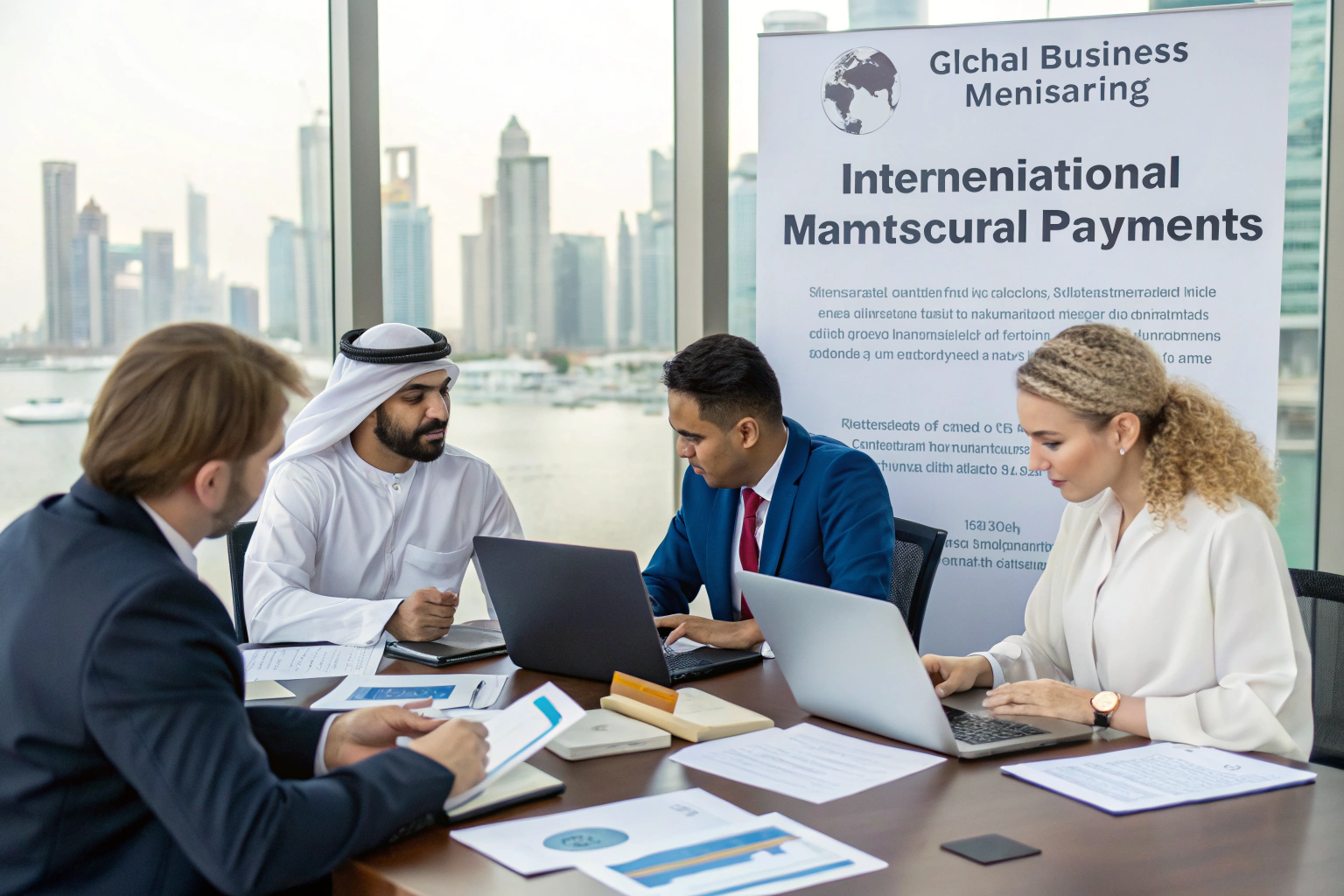
Manufacturers with established international banking relationships can offer payment options that reduce transaction costs and processing times. Relationships with global banks that maintain correspondent banking networks enable direct transfers in multiple currencies without intermediate banks taking additional fees. The most sophisticated manufacturers maintain accounts in major currencies (USD, EUR, GBP) and emerging market currencies (CNY, INR, VND) relevant to their customer bases, allowing buyers to pay in their preferred currency while manufacturers receive stable local currency.
The banking advantage extends beyond simple currency handling to encompass specialized trade services that benefit international buyers. Letters of credit confirmed by reputable international banks, documentary collections with standardized procedures, and trade financing options that help buyers manage cash flow all contribute to smoother sourcing relationships. Manufacturers who understand and can facilitate these specialized instruments demonstrate financial sophistication that typically correlates with manufacturing professionalism and reliability.
What Role Do Digital Payment Platforms Play?
Modern belt manufacturers increasingly integrate digital payment platforms that streamline international transactions while enhancing security. Platforms like PayPal, Stripe, and TransferWise (now Wise) provide user-friendly interfaces, competitive exchange rates, and faster processing times than traditional bank transfers. The most manufacturer-friendly implementations offer multiple digital options, recognizing that different buyers have different preferences based on their location, transaction size, and risk tolerance.
The security features of digital platforms provide particular value for international sourcing. Escrow services that hold payment until production milestones are met, buyer protection programs that offer recourse for undelivered goods, and sophisticated fraud detection that prevents unauthorized transactions all reduce the perceived risk of working with overseas suppliers. Manufacturers who transparently explain these security features and how they protect both parties build trust that facilitates larger orders and longer-term relationships.
How Can Currency and Risk Management Be Optimized?
International belt sourcing involves multiple financial risks that must be managed through strategic approaches to currency, payment timing, and financial instruments.

What Currency Strategies Protect Both Parties?
Effective currency risk management in belt sourcing requires strategies that balance manufacturer needs for predictable local currency receipts with buyer desires for cost certainty. The most common approach involves pricing in a stable currency (typically USD) while implementing a shared risk model where manufacturers absorb minor fluctuations and buyers share responsibility for significant moves. This collaborative approach recognizes that both parties benefit from currency stability without expecting either to bear all exchange rate volatility.
More sophisticated arrangements utilize forward contracts that lock in exchange rates for future payments, protecting both parties from adverse currency movements during production periods. While these instruments require financial sophistication, they enable accurate cost forecasting for buyers and revenue predictability for manufacturers. Some manufacturers serving advanced markets now offer dynamic pricing that adjusts based on real-time exchange rates, creating transparency that builds trust while ensuring fairness as currency values fluctuate.
How Can Payment Timing Balance Cash Flow Needs?
Strategic payment term structures can reconcile the competing cash flow needs of buyers and manufacturers in global belt sourcing. Standard approaches typically involve a deposit (30-50%) with order confirmation, progress payments tied to production milestones (20-30%), and balance payment before shipment. This structure provides manufacturers working capital to begin production while protecting buyers from paying for incomplete or undelivered goods.
The most flexible manufacturers offer term variations that accommodate different buyer situations. Established relationships might transition to net-30 terms after several successful orders, while large orders might incorporate extended payment periods through manufacturer-arranged trade financing. Smaller buyers with limited capital might access special programs with higher deposits but lower minimum order quantities. This flexibility demonstrates understanding of diverse business models and builds loyalty across customer segments.
What Security Measures Protect International Transactions?
The international nature of belt sourcing creates unique security concerns that must be addressed through verification processes, secure channels, and protective instruments.
| Security Concern | Protective Measure | Implementation Benefit |
|---|---|---|
| Supplier Verification | Third-party company verification services | Confirms manufacturer legitimacy before payment |
| Payment Security | Escrow services holding funds until delivery | Protects against non-delivery while assuring manufacturer of payment |
| Data Protection | Encrypted payment platforms | Prevents financial information interception |
| Dispute Resolution | Mediation clauses in purchase agreements | Provides structured process for resolving payment disagreements |
| Compliance Assurance | International trade compliance verification | Ensures payments adhere to export/import regulations |
How Do Verification Processes Prevent Fraud?
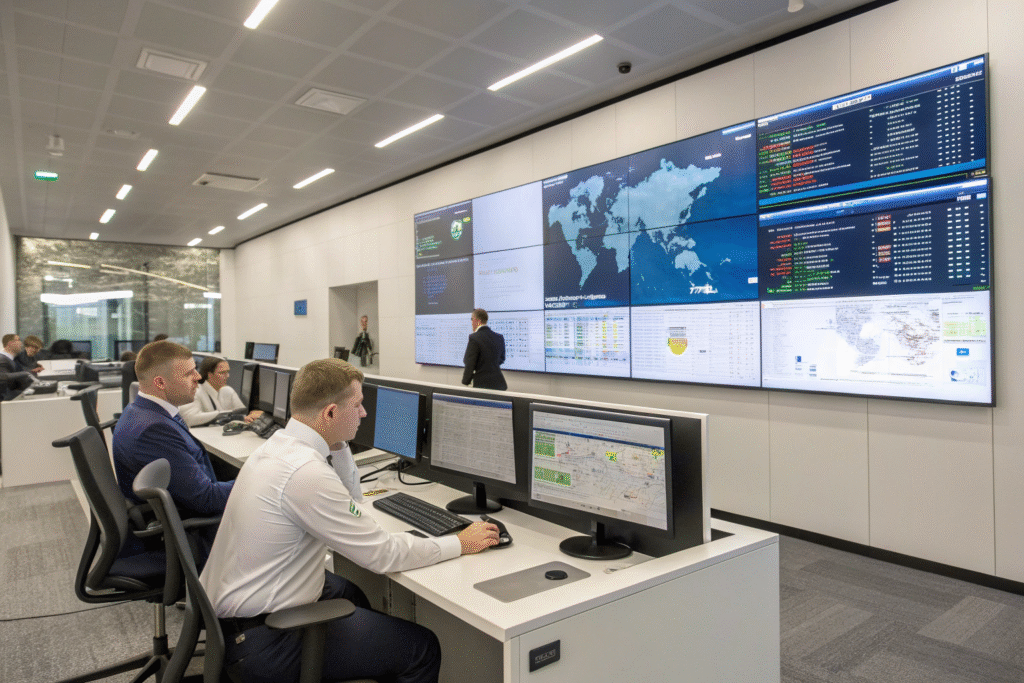
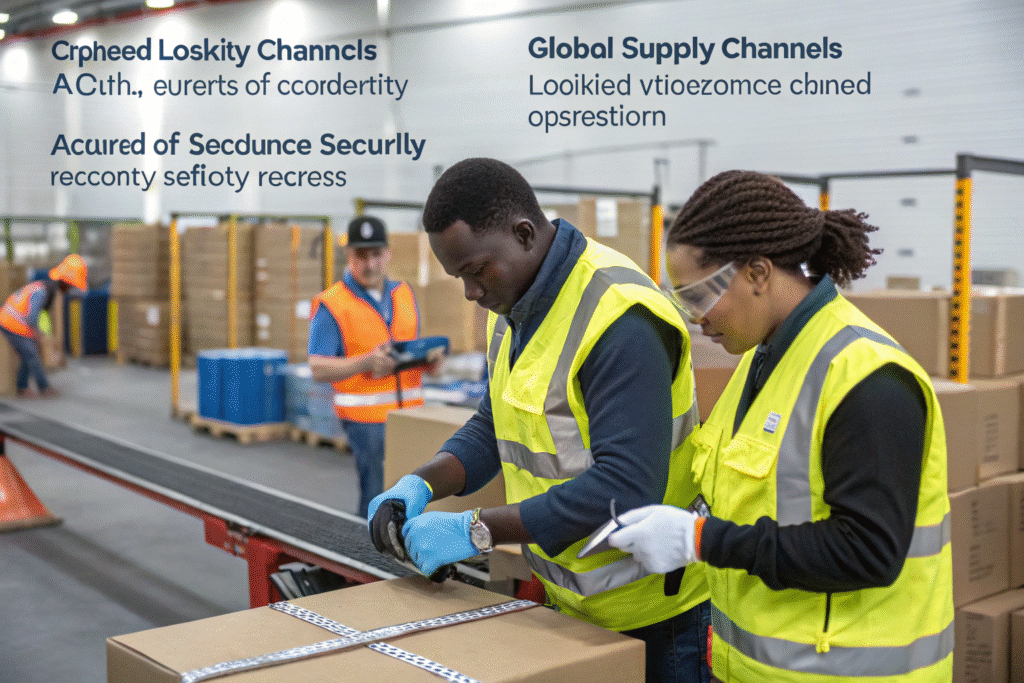
Comprehensive supplier verification processes represent the first line of defense against payment fraud in international belt sourcing. Beyond simple company registration checks, thorough verification includes factory audits, banking relationship confirmation, and reference checks with existing international clients. The most secure manufacturers facilitate this verification by providing transparent documentation rather than treating requests as suspicious, recognizing that serious buyers need assurance before transferring significant funds internationally.
The verification process should extend to payment instructions through confirmed channels. Manufacturers should provide payment details via secure channels (encrypted email, secure client portals) rather than unsecured methods, with verification protocols that require confirmation of any payment instruction changes. These procedures prevent the increasingly common business email compromise scams where fraudsters intercept communications to redirect payments to accounts they control.
What Role Do Secure Payment Channels Play?
Utilizing secure payment channels with built-in protection mechanisms significantly reduces fraud risk in international belt transactions. Bank transfers with verified beneficiary details, credit card payments with chargeback rights, and specialized trade payment platforms with escrow services all offer different levels of security appropriate for various transaction sizes and relationship stages. The most security-conscious approach involves using multiple verification points regardless of the channel chosen.
The security advantage extends to documentation handling, where secure systems protect sensitive financial information throughout the transaction process. Manufacturers with dedicated client portals that securely store order documentation, payment records, and shipping information reduce the email communication that represents a vulnerability point. This comprehensive approach to information security demonstrates professional standards that typically extend to manufacturing quality as well.
How Can Payment Processes Support Sourcing Efficiency?
Streamlined payment processes contribute significantly to overall sourcing efficiency by reducing administrative burden and accelerating order cycles.
What Integration Approaches Reduce Administrative Work?
Manufacturers offering integrated payment systems that connect directly with order management significantly reduce the administrative burden of international sourcing. Systems that automatically generate invoices based on order confirmation, provide payment links that pre-populate amount and reference details, and update order status automatically when payments are received eliminate manual steps that create errors and delays. This integration is particularly valuable for brands sourcing multiple belt styles across different seasons who process numerous transactions annually.
The efficiency advantage extends to documentation management, where integrated systems automatically generate and store payment records, export documentation, and shipping documents in organized digital repositories. This centralized approach prevents the document misplacement that can complicate customs clearance or payment reconciliation. Manufacturers who provide clients with secure access to these document repositories demonstrate organizational competence that typically correlates with reliable production execution as well.
How Can Payment Flexibility Accommodate Different Business Models?
The most effective global belt manufacturers offer payment flexibility that accommodates diverse business models rather than imposing one-size-fits-all approaches. Startups might prefer higher deposit requirements in exchange for lower minimum orders, while established brands might prioritize extended payment terms that align with their retail season cycles. Manufacturers serving the subscription box market might develop specialized payment structures that accommodate their unique inventory and cash flow patterns.
This flexibility often extends to currency options, with manufacturers serving global markets accepting payments in multiple currencies or utilizing dynamic conversion that optimizes exchange rates. The most sophisticated manufacturers employ treasury management that naturally hedges their currency exposure across global clients, allowing them to offer competitive pricing regardless of payment currency. This financial sophistication enables them to serve diverse international clients without passing on excessive currency conversion costs.
Conclusion
Sourcing belts with seamless global payment options requires manufacturers with international financial capabilities, sophisticated risk management approaches, secure transaction processes, and flexible systems that accommodate diverse business needs. The most successful sourcing relationships treat payment as an integrated component of the supply chain rather than a separate administrative function, creating financial workflows that support rather than hinder manufacturing and delivery timelines.
As belt manufacturing continues globalizing and financial technology evolves, manufacturers who invest in payment infrastructure and processes will increasingly differentiate themselves through the financial convenience they offer alongside product quality. This financial capability has become a competitive advantage that signals broader manufacturing professionalism and reliability.
Ready to source belts with seamless global payment options? Contact our Business Director, Elaine, at elaine@fumaoclothing.com to discuss our international payment systems and financial approaches that make global sourcing efficient, secure, and predictable.