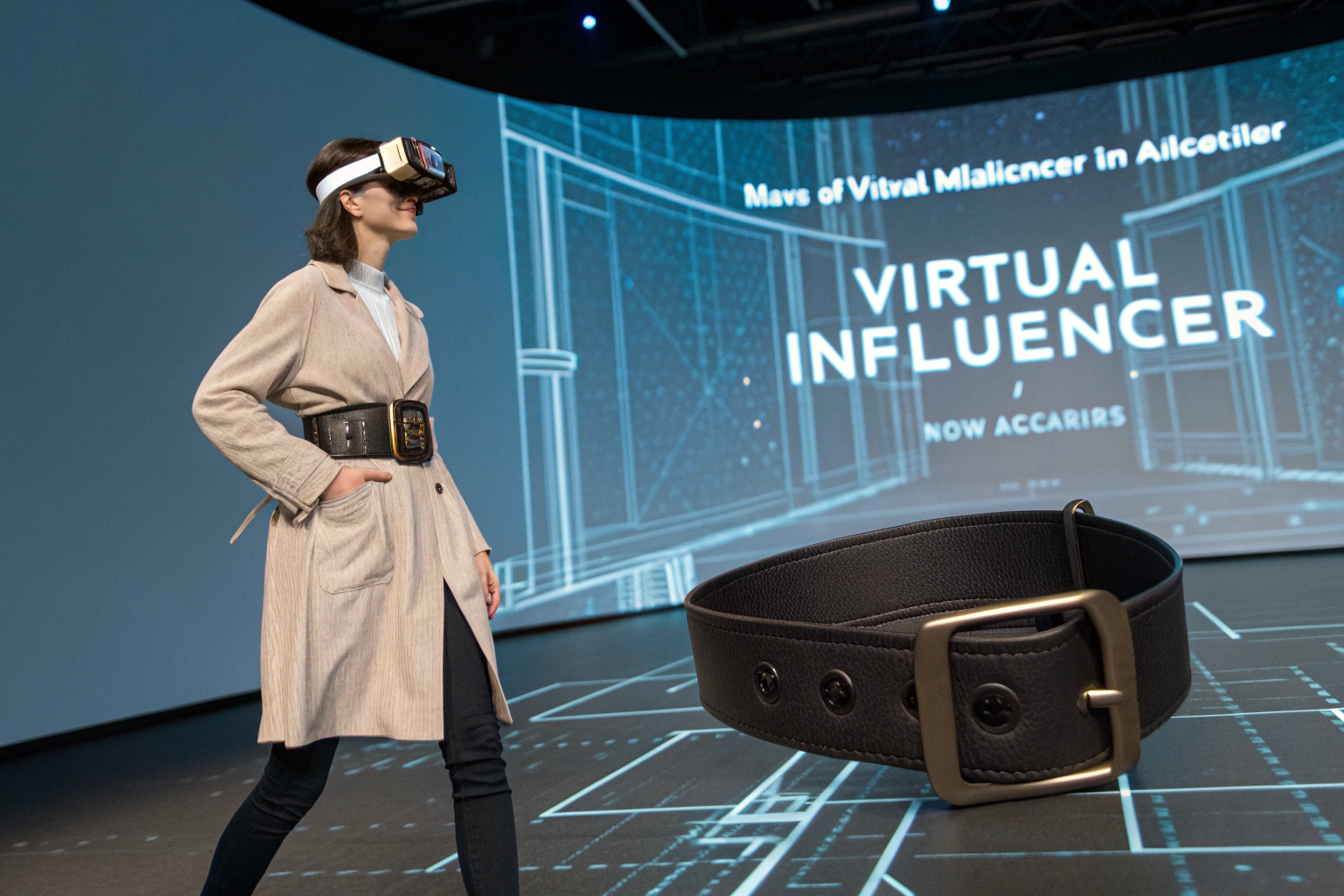
The emergence of virtual influencers has created a fundamentally new marketing channel that requires specialized product strategies, particularly for accessories like belts. Unlike human influencers who can physically interact with products, virtual influencers exist entirely in digital spaces, demanding belt styles that leverage their unique advantages while accommodating their technological constraints.
The best belt styles for virtual influencer collaborations are those with distinctive silhouettes, customizable digital assets, augmented reality compatibility, strong branding elements, and animation-friendly features. These characteristics work within the digital nature of virtual influencers while creating compelling visual content that drives engagement and brand recognition. The most successful collaborations treat belts not just as products but as digital assets that enhance the virtual influencer's aesthetic while providing natural integration opportunities across digital platforms.
Understanding which belt styles perform well in virtual collaborations reveals important insights about the evolving nature of influencer marketing and how brands can leverage digital creators to reach increasingly valuable demographics that engage primarily through screens rather than physical experiences.
What Visual Characteristics Drive Digital Engagement?
The completely visual nature of virtual influencer content demands belt styles with specific visual properties that translate effectively across digital platforms and screen sizes.

How Do Distinctive Silhouettes Enhance Digital Presence?
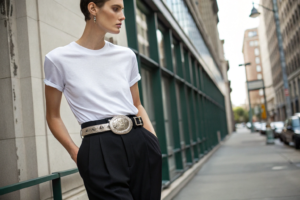
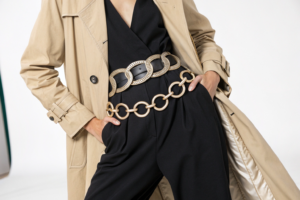
Belts with strong, recognizable silhouettes perform exceptionally well in virtual influencer collaborations because they remain identifiable even at smaller screen sizes or during dynamic animations. Wide obi-style belts, belts with unusually shaped buckles, or designs with distinctive hardware all create immediate visual recognition that doesn't depend on close inspection. This instant recognizability is crucial in scrolling environments where attention spans are limited and content must communicate quickly or be skipped.
The silhouette advantage extends to motion content, where belts with flowing elements, articulated components, or reflective surfaces create dynamic visual interest during movement. Virtual influencers often exist in animated environments where physical laws can be exaggerated or reimagined, allowing belt designs that wouldn't work in reality to create captivating digital moments. The most successful implementations leverage this digital flexibility to create belt presentations that would be impossible with human influencers, generating unique content that drives engagement through novelty and creativity.
What Role Does Color and Contrast Play in Digital Visibility?
High color contrast and saturation significantly impact belt performance in virtual influencer content where visual competition is intense. Belts in neon colors, metallic finishes, or high-contrast color combinations stand out against both the virtual influencer's clothing and digital backgrounds, creating focal points that guide viewer attention. This visual prioritization is particularly valuable for brands seeking to maximize brand recognition from brief content exposures.
The most effective color strategies consider the virtual influencer's established color palette and aesthetic. Collaboration belts might be created in colors that complement the influencer's signature look, or alternatively, in deliberately contrasting colors that create visual tension and interest. Some of the most successful collaborations have created limited-edition colorways specifically for virtual influencer partnerships, leveraging the digital nature of both the influencer and the collaboration to create exclusivity that drives engagement and desire.
What Technical Compatibility Ensures Seamless Integration?
The digital nature of virtual influencers requires belt styles that technically integrate well with 3D modeling, animation systems, and augmented reality platforms.
| Technical Consideration | Belt Style Requirement | Content Creation Benefit |
|---|---|---|
| 3D Model Compatibility | Clean geometry without excessive fine detail | Renders efficiently and works across different quality settings |
| Animation Readiness | Elements that move naturally during character motion | Creates dynamic content without manual animation of each component |
| AR Implementation | Recognizable from multiple angles in 3D space | Works effectively in augmented reality try-on experiences |
| Customization Systems | Modular components that can be digitally swapped | Enables interactive content where viewers customize belt elements |
| Platform Optimization | Visual impact even at compressed video quality | Maintains brand recognition across different social media compression |

How Does 3D Model Preparation Impact Collaboration Success?
Belts designed with clean 3D modeling in mind integrate more seamlessly into virtual influencer workflows, reducing the technical barriers that can limit collaboration opportunities. Styles with relatively simple geometry, limited fine details that might not render at smaller scales, and materials that work well with standard shaders all facilitate easier implementation. This technical accessibility encourages more frequent inclusion in content and more creative implementations rather than being limited to static product placements.
The modeling advantage extends to customization potential, with belt designs that incorporate swappable elements—interchangeable buckles, reversible color options, or modular attachments—enabling interactive content where viewers can customize looks. This gamification approach has proven highly effective for engagement, particularly with younger audiences who appreciate participation and personalization. The most technically sophisticated collaborations create entire customization systems around belt styles, transforming simple product features into engaging digital experiences.
What AR Compatibility Enhances User Engagement?
Belts designed for augmented reality try-on experiences create natural collaboration opportunities with virtual influencers who inherently exist in digital spaces. Styles with clear tracking points, consistent proportions that scale accurately to different body types, and visual interest from multiple angles all work well in AR implementations. This compatibility enables virtual influencers to demonstrate products in ways that feel interactive rather than simply promotional, creating more authentic-feeling endorsements.
The AR advantage is particularly valuable for driving conversion, as viewers can immediately experience how belts might look on themselves rather than simply observing them on influencers. Virtual influencers can guide viewers through these AR experiences in content, creating tutorial-style videos that provide value beyond entertainment. The most successful implementations use virtual influencers as guides to technological features rather than just product promoters, building trust through utility while showcasing products in innovative contexts.
What Branding Opportunities Do Virtual Collaborations Offer?
The completely controlled digital environment of virtual influencers creates unique branding opportunities that don't exist with human influencers.
How Can Branding Be Integrated Organically?
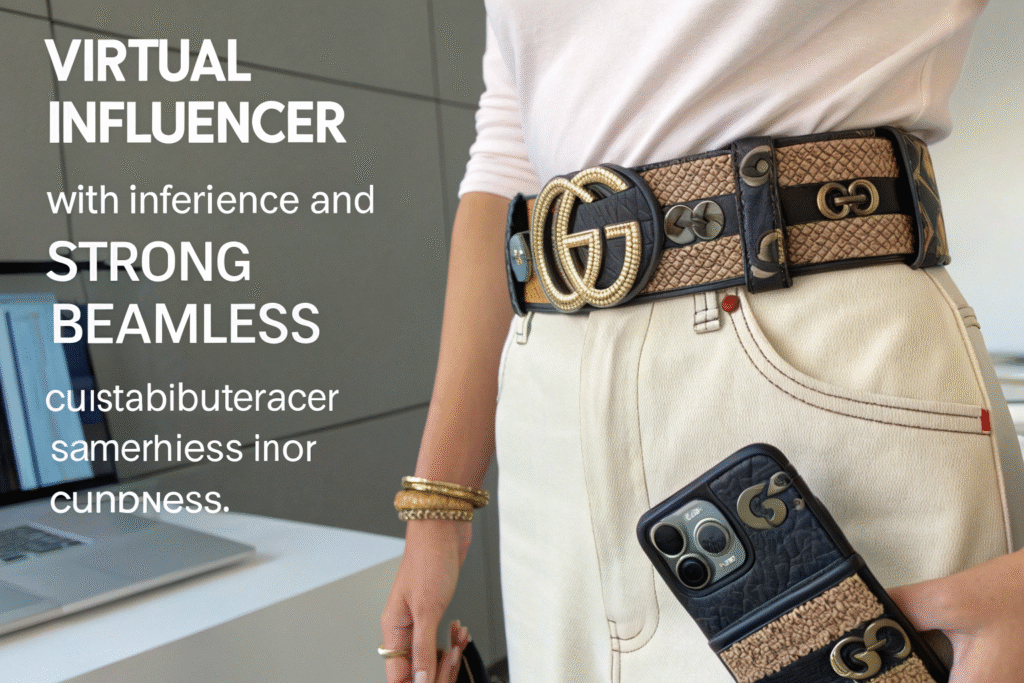
Virtual influencers enable brand storytelling integration that feels organic rather than disruptive because the entire environment is constructed. Belt buckles can incorporate logos as inherent design elements rather than added branding, packaging can become part of the narrative, and brand colors can be woven throughout the visual environment. This seamless integration creates branding that enhances rather than interrupts the content experience, building positive associations through aesthetic harmony rather than repetition.
The most effective branding implementations use virtual influencers' backstories and character development to create narrative connections with products. A belt might be introduced as part of a character's transformation, a gift from another character, or a tool that enables specific actions within the influencer's digital world. These narrative integrations create emotional connections that transcend simple product features, building brand equity through storytelling rather than straightforward promotion.
What Customization Potential Enhances Collaboration Value?
The digital nature of virtual influencers enables customization opportunities that are impossible with physical products and human influencers. Belt styles can be digitally altered to match specific content themes, resized dramatically for comedic effect, or given magical properties that respond to the virtual environment. This flexibility allows for incredibly diverse content from single products, maximizing return on collaboration investment while maintaining consistent brand representation.
The customization potential extends to viewer interaction, with some collaborations allowing audiences to vote on belt styles, colors, or features to be featured in upcoming content. This participatory approach builds anticipation and investment in the collaboration, transforming passive viewers into active participants. The most sophisticated implementations create entire story arcs around product customization decisions, making the belt an integral character element rather than a disposable accessory.
What Content Integration Strategies Drive Performance?
Successful virtual influencer collaborations require belt styles that naturally fit within content formats and platform requirements rather than disrupting the viewing experience.

How Do Belts Enhance Different Content Formats?
Belt styles that work across multiple content formats provide greater collaboration value by enabling diverse content creation from single products. Styles with transformative elements (reversible options, adjustable features) work well in tutorial content, distinctive silhouettes perform effectively in short-form video where recognition must be immediate, and designs with narrative potential integrate well into longer storytelling formats. This format flexibility ensures collaborations can produce varied content that maintains audience interest over time.
The content format advantage extends to platform-specific optimizations. Belts with high visual contrast work well on TikTok where videos autoplay with sound off, while designs with intricate details suit YouTube content where viewers choose to watch with higher engagement. The most successful collaborations develop content strategies specifically for each platform using the same belt styles, maximizing reach while maintaining consistent product presentation across the digital ecosystem.
What Interactive Elements Drive Engagement?
Belt styles with built-in interactive potential create natural engagement opportunities that virtual influencers can leverage in content. Designs with mysterious features that require explanation, customizable elements that viewers can influence, or technological integrations that enable digital interactions all provide content hooks beyond simple aesthetic appreciation. This interactive potential is particularly valuable for driving comments, shares, and other engagement metrics that amplify content reach.
The most effective interactive implementations use belts as central elements in games, challenges, or storytelling that encourage audience participation. A belt might be presented as a key to unlocking digital content, a reward for engagement milestones, or a character development tool within the virtual influencer's narrative. These interactive approaches transform product features into entertainment value, building positive brand associations through enjoyable experiences rather than straightforward advertising.
Conclusion
Virtual influencer collaborations represent a significant evolution in digital marketing that requires specifically chosen belt styles that leverage the unique advantages of digital creators. The most successful collaborations select belts with strong visual characteristics, technical compatibility, branding integration potential, and content flexibility that work within digital environments while creating compelling viewer experiences.
As virtual influencers continue gaining audience share and technological sophistication, belts designed specifically for digital presentation will increasingly outperform traditional styles in these collaborations. The brands that understand how to leverage these digital-native accessories will build stronger connections with valuable demographics who increasingly experience fashion through screens rather than physical interactions.
Ready to explore belt styles for virtual influencer collaborations? Contact our Business Director, Elaine, at elaine@fumaoclothing.com to discuss our digitally-optimized belt designs and collaboration strategies that leverage the unique opportunities of virtual influencer partnerships.