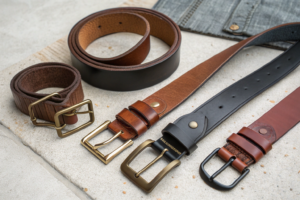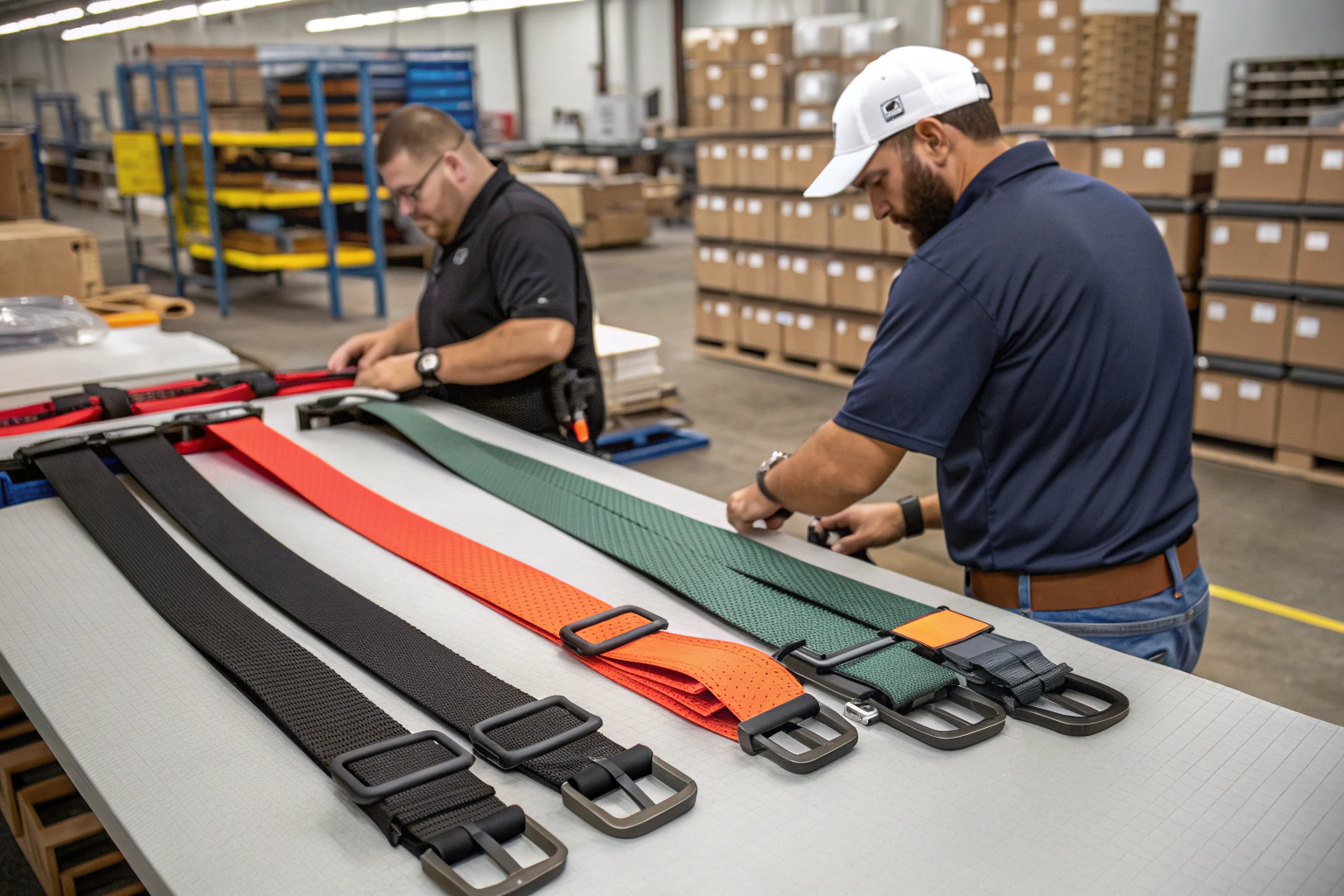
The commercial accessories market demands both operational efficiency and adaptability, creating perfect conditions for modular belt systems to transform how businesses approach their belt inventory and distribution. Unlike traditional unified belt designs, modular systems separate components into interchangeable parts that can be mixed, matched, and replaced independently. This fundamental design philosophy aligns perfectly with commercial needs across retail, uniform, and rental sectors.
Modular belt systems are ideal for commercial use because they dramatically reduce inventory costs, extend product lifespan through component replacement, enable rapid customization, simplify sizing logistics, and support sustainable business models through reduced waste. By decoupling straps from buckles and other components, these systems transform belt management from a product-based to a component-based approach, creating significant operational advantages that directly impact profitability and sustainability metrics.
The commercial success of modular belt systems represents a broader shift toward configurable products across multiple industries, reflecting how businesses increasingly value flexibility, efficiency, and sustainability in their operational investments. Understanding why these systems excel in commercial applications reveals important insights about evolving business priorities and how product design can directly support operational excellence.
What Inventory Advantages Do Modular Systems Offer?
The component-based nature of modular belt systems creates dramatic inventory efficiencies that directly impact commercial bottom lines.
How Do They Reduce SKU Proliferation?
Modular belt systems combat SKU proliferation by replacing numerous finished product variations with a limited set of interchangeable components. Where traditional belt systems might require separate SKUs for each combination of size, color, and buckle style (creating exponential SKU growth), modular approaches maintain separate component inventories that combine to create finished products. A commercial operation might stock just 5 buckle styles and 10 strap options yet deliver 50 distinct product combinations without maintaining 50 separate SKUs in inventory.
The inventory mathematics prove compelling—a retailer offering belts in 5 sizes, 4 colors, and 3 buckle styles would traditionally require 60 SKUs (5×4×3). A modular system covering the same range might require just 12 components (5 straps + 4 colors + 3 buckles). This 80% reduction in SKU count translates to dramatically simplified inventory management, reduced storage requirements, lower capital tied up in inventory, and significantly fewer stockouts due to better focus on high-moving components rather than trying to forecast demand for numerous finished product variations.
What Impact Do They Have on Inventory Turnover?
Modular systems typically demonstrate superior inventory turnover rates because components serve multiple finished products rather than being dedicated to specific configurations. Slow-moving strap colors can still contribute to sales when paired with popular buckles, whereas traditional slow-moving belt configurations would simply occupy shelf space until discounted or written off. This component flexibility ensures that more inventory remains active and productive rather than becoming dead stock.
The turnover advantage extends to seasonal and trend-driven businesses where modular systems enable rapid response to changing preferences without complete inventory overhaul. When a new buckle style trends, businesses can introduce just that component rather than complete belt assemblies. Similarly, seasonal color trends can be addressed by introducing new strap options that work with existing buckle inventory. This adaptability keeps inventory fresh and relevant without the costly write-downs that plague traditional retail when styles change.
What Operational Benefits Drive Commercial Adoption?
Beyond inventory advantages, modular belt systems deliver tangible operational benefits that streamline business processes.
| Operational Area | Modular System Advantage | Business Impact |
|---|---|---|
| Sizing Management | Components fit multiple body types through adjustment | Reduced returns and exchanges for fit issues |
| Damage Response | Individual component replacement rather than full product write-off | Lower product loss from isolated damage |
| Customization | Rapid configuration from component inventory | Faster response to custom orders without manufacturing delays |
| Staff Training | Simplified sizing and assembly processes | Reduced training time and errors |
| Sustainability | Component-level replacement extends product life | Enhanced sustainability credentials and cost savings |
How Do They Simplify Sizing Logistics?
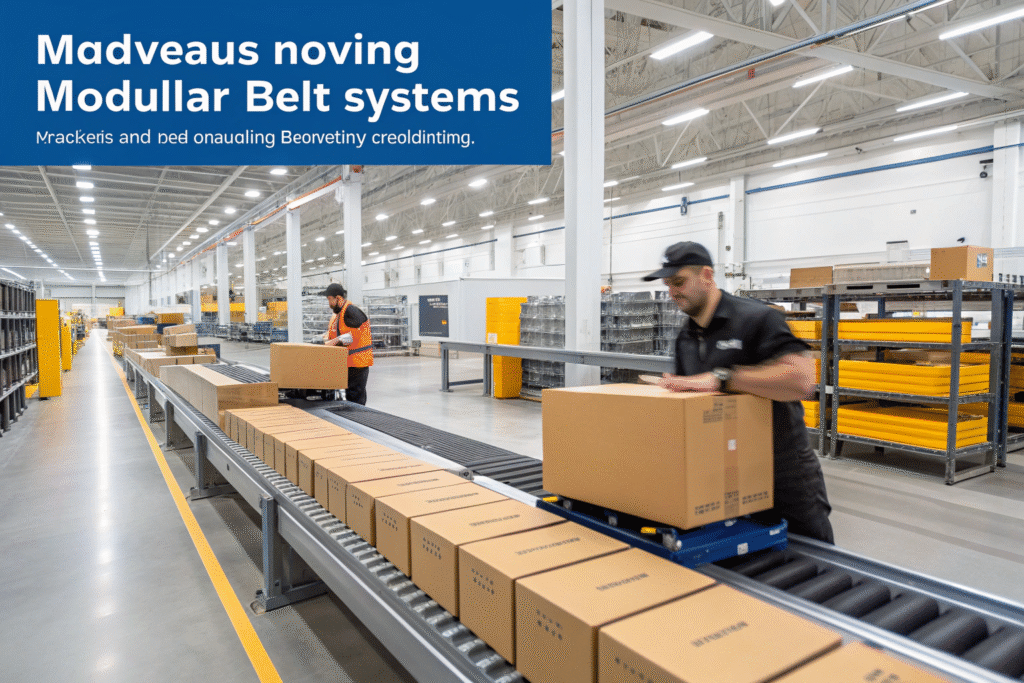
Modular belt systems fundamentally transform sizing challenges by separating length adjustment from style selection. Where traditional belt systems require precise size forecasting and inventory across multiple lengths, modular approaches typically utilize adjustable straps that accommodate a wide size range. A single modular strap might fit waist sizes 28-42 inches, replacing 4-5 separate size SKUs in traditional systems. This consolidation dramatically reduces sizing errors in ordering, receiving, and fulfillment while virtually eliminating returns due to size miscalculations.
The sizing advantage proves particularly valuable for uniform programs where employee body types vary widely. Instead of maintaining extensive size inventories or dealing with frequent size exchange requests, uniform managers can issue standardized modular components that employees adjust to their specific measurements. This approach reduces administrative burden while ensuring employees receive properly fitting accessories without multiple distribution cycles. The cost savings from reduced shipping, processing, and exchange labor often justifies the modular system investment within single uniform cycles.
What Role Do They Play in Damage Management?
The component isolation in modular systems creates natural damage containment that limits product loss when issues occur. When a traditional belt sustains damage to any component—scratched buckle, torn strap, damaged keeper—the entire product typically becomes unsellable. Modular systems allow replacement of only the damaged component, preserving the value of undamaged parts. This approach can reduce product write-offs by 60-80% in commercial environments where minor damage routinely occurs during handling, display, or customer inspection.
The damage management advantage extends to warranty and repair processes. Instead of processing entire product returns for isolated issues, businesses can ship replacement components directly to customers for self-installation. This streamlined approach reduces return shipping costs, processing labor, and customer downtime while maintaining satisfaction. For commercial clients managing large fleets of belts (hospitality, security, corporate), this component-level serviceability dramatically reduces operational disruptions when equipment requires maintenance or repair.
How Do Modular Systems Support Business Models?
The flexibility of modular belt systems enables and enhances specific commercial approaches across different market segments.
How Do They Enable Subscription and Rental Models?
Modular belt systems provide the component flexibility required for successful accessory subscription and rental business models. Subscription services can rotate buckle styles while maintaining strap investments, creating fresh looks without complete product replacement. Rental operations can efficiently sanitize and reconfigure components between users, addressing hygiene concerns while maximizing asset utilization. This adaptability supports circular business models that generate recurring revenue while reducing environmental impact through product life extension.
The commercial advantage extends to inventory management for these models, where modular components simplify the tracking, maintenance, and reconfiguration processes essential for rental profitability. Rather than managing complete product units through their lifecycle, rental operations can track component conditions and replace individual elements as they wear out. This granular approach to product lifecycle management creates more accurate depreciation models while ensuring consistent quality across the rental fleet without complete product retirement when only specific components degrade.
What Customization Advantages Do They Offer Commercial Clients?
Modular systems enable efficient mass customization that traditional belt manufacturing cannot match commercially. Corporate clients can mix brand-colored straps with logo-engraved buckles without minimum order quantities for each specific combination. Hospitality businesses can maintain consistent buckle branding across different uniform roles while varying strap colors or materials to indicate position or department. This configuration flexibility allows businesses to achieve custom appearance goals without the cost and lead time traditionally associated with fully customized products.
The customization advantage proves particularly valuable for promotional products and corporate gifting where personalization drives perceived value. Modular systems allow cost-effective personalization through component-level engraving, coloring, or finishing that would be prohibitively expensive at finished product level. A company might order standard components in bulk then add personalized elements just before distribution, reducing lead times while maintaining customization capabilities. This approach transforms belts from generic accessories to meaningful brand touchpoints without traditional customization constraints.
What Sustainability Benefits Support Commercial Values?
The environmental advantages of modular belt systems align with growing corporate sustainability initiatives and consumer expectations.

How Do They Extend Product Lifespan?
Modular systems inherently support circular economy principles through component-level replacement that extends useful product life. When straps wear out from friction or buckles become dated stylistically, consumers can replace individual elements rather than discarding entire belts. This approach can extend product lifespan by 300-500% compared to traditional belts where any component failure typically renders the entire product unusable. For commercial operations managing large quantities of belts, this lifespan extension creates substantial cost savings while reducing environmental impact.
The lifespan advantage extends to style longevity, where modular systems allow aesthetic updates without functional replacement. As fashion trends evolve, businesses can introduce new buckle collections that work with existing strap investments, creating fresh appearances without the waste of complete product replacement. This approach particularly benefits uniform programs where appearance standards evolve but complete uniform replacement cycles are lengthy and costly. The ability to refresh accessory appearance within existing uniform sets represents significant savings while maintaining contemporary appearance standards.
What Waste Reduction Benefits Do They Provide?
Modular belt systems demonstrate dramatically reduced waste generation throughout their lifecycle compared to traditional designs. Manufacturing waste decreases because component-based production typically generates less material loss than integrated manufacturing. Packaging waste reduces because modular components pack more efficiently than assembled products. End-of-life waste minimizes because worn components can be replaced individually while functional components remain in service. This comprehensive waste reduction supports corporate sustainability goals while reducing costs associated with waste disposal and replacement purchasing.
The waste reduction advantage extends to commercial retail environments where damaged display items traditionally become total losses. With modular systems, retailers can replace damaged display components from inventory rather than writing off complete products. Similarly, customer returns for minor issues can be resolved through component replacement rather than product exchange, keeping the original product in circulation rather than adding to return waste streams. These small but frequent waste reductions accumulate into significant environmental and financial benefits at commercial scale.
Conclusion
Modular belt systems represent a fundamental redesign of how belts are conceived, manufactured, and managed in commercial contexts. Their component-based approach delivers substantial advantages in inventory efficiency, operational flexibility, business model support, and sustainability that directly address commercial priorities. As businesses increasingly value adaptability, efficiency, and environmental responsibility, modular systems offer a compelling solution that traditional belt designs cannot match.
The continued adoption of modular belt systems across uniform, retail, rental, and corporate markets signals a broader shift toward configurable products that serve both business and consumer needs more effectively. As the technology evolves toward even more sophisticated connection systems and expanded compatibility, modular approaches will likely become increasingly standard in commercial accessories markets.
Ready to implement modular belt systems for your commercial operations? Contact our Business Director, Elaine, at elaine@fumaoclothing.com to discuss our modular belt technologies and commercial implementation expertise that can transform your belt management while reducing costs and environmental impact.