The international trade term EXW (Ex Works) represents both significant cost-saving opportunities and substantial logistical challenges for belt importers. This incoterm places maximum responsibility on the buyer while offering the lowest initial purchase price, creating a complex calculation where transportation management efficiency determines whether the theoretical cost savings translate to actual bottom-line benefits. Mastering EXW negotiations requires understanding both the explicit cost structure and the hidden operational implications.
Negotiating EXW terms for cost-efficient belt imports requires calculating true total landed costs, establishing clear communication protocols with suppliers, implementing robust quality verification systems, developing reliable logistics partnerships, and building contingency plans for supply chain disruptions. The most successful EXW implementations treat the lower purchase price as the starting point rather than the finish line, recognizing that the cost advantages can easily evaporate without careful management of the additional responsibilities transferred to the buyer.
Understanding how to leverage EXW terms effectively reveals how sophisticated importers achieve significant cost advantages over competitors using simpler but more expensive trade terms, while avoiding the pitfalls that can make EXW more expensive than apparently costlier options like FOB or CIF.
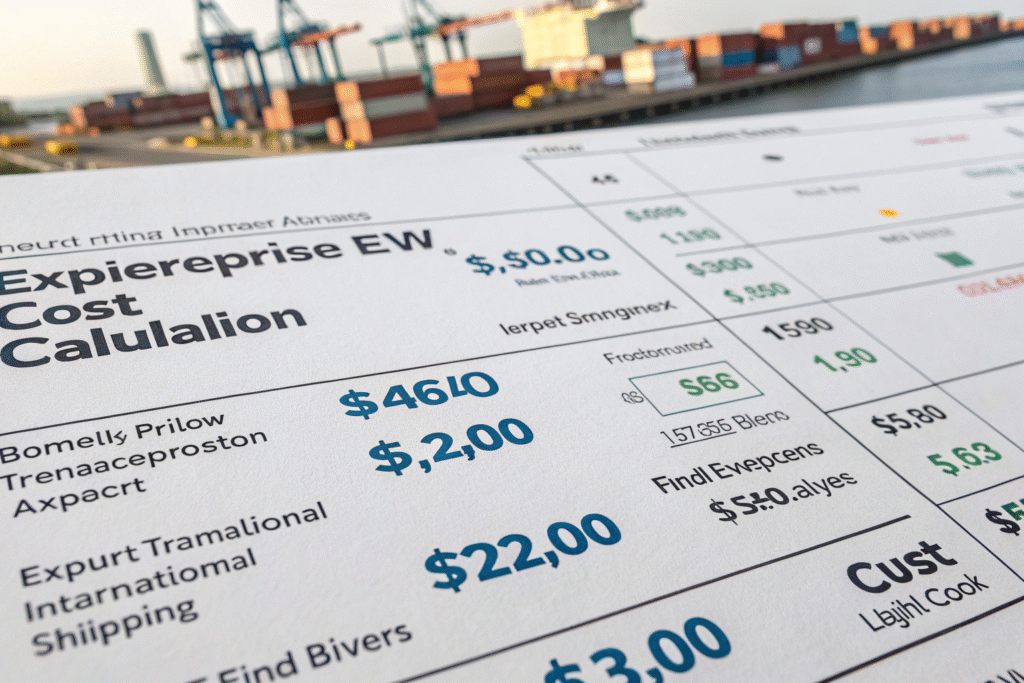
What Cost Factors Must Be Calculated Beyond EXW Price?
The EXW price represents only the beginning of the total cost calculation, with numerous additional expenses that must be managed to achieve true cost efficiency.
How Do Transportation Logistics Impact Total Costs?
The EXW term transfers all transportation responsibility to the buyer, making logistics efficiency the primary determinant of whether cost savings materialize. The geographical location of the supplier's facility relative to ports, the availability of backhaul opportunities, and the consolidation potential with other shipments all dramatically impact transportation costs. Savvy EXW negotiators research these factors before finalizing agreements, sometimes selecting slightly higher EXW prices from better-located suppliers over lower prices from remote facilities where transportation costs erase the initial advantage.
The transportation calculation must include both the obvious direct costs and the less visible indirect expenses. Direct costs encompass trucking from factory to port, port handling fees, ocean or air freight, destination port charges, and final delivery to the importer's warehouse. Indirect costs include administrative time managing multiple logistics providers, demurrage charges if documentation delays occur, and inventory carrying costs during longer transit times that often result from fragmented EXW logistics. The most cost-efficient EXW importers develop integrated logistics solutions that minimize both direct and indirect transportation expenses.
What Hidden Costs Can Erode EXW Savings?
Several less obvious cost factors frequently undermine EXW savings when not properly anticipated. Export documentation preparation, which suppliers typically handle under FOB terms, becomes the buyer's responsibility and expense under EXW. Quality verification at the factory gate requires hiring third-party inspection services that wouldn't be necessary with later inspection points. Insurance coverage must be arranged from the factory rather than from the port, creating additional complexity and potentially higher premiums. Each of these hidden costs must be quantified during EXW negotiations to determine true cost efficiency.
The most frequently overlooked EXW costs relate to risk management and problem resolution. When issues arise during transportation under supplier-managed terms, the supplier bears responsibility for resolution. Under EXW, the importer owns problems from the factory gate forward, including production delays that impact shipping schedules, documentation errors that cause customs delays, and transportation disruptions that require expensive expedited solutions. Successful EXW importers build contingency funds into their cost calculations, typically 3-5% of transportation costs, to address these inevitable challenges without eroding overall savings.
What Communication Protocols Ensure EXW Success?
The geographical and organizational separation inherent in EXW shipments requires exceptionally clear communication systems to prevent costly errors and delays.
| Communication Element | EXW Implementation | Cost Impact of Failure |
|---|---|---|
| Order Specifications | Detailed technical sheets with tolerance ranges | Production of incorrect goods requiring rework or rejection |
| Packaging Requirements | Specific instructions for carton labeling and packing | Customs delays, handling errors, damaged goods |
| Documentation Timeline | Clear schedule for document preparation and transmission | Demurrage charges, missed shipments, storage fees |
| Quality Verification | Defined inspection process before goods leave factory | Discovery of defects after international shipment |
| Loading Coordination | Precise scheduling of trucking and factory availability | Truck detention charges, production disruption |

How Can Documentation Be Managed Effectively?
EXW terms make the buyer responsible for all export documentation that would typically be prepared by the supplier under other terms. Successful EXW importers develop detailed documentation protocols that specify exactly which documents are required, in what format, and according to what timeline. These protocols often include templates for commercial invoices, packing lists, certificates of origin, and other export documents that suppliers must complete according to the buyer's specifications. This proactive approach prevents the documentation errors that frequently cause customs delays and associated costs.
The documentation management advantage extends to digital systems that provide visibility throughout the process. Cloud-based platforms where suppliers upload documents as they're completed, automated reminders for approaching deadlines, and digital verification of document accuracy all contribute to smoother EXW operations. The most sophisticated implementations include document review by the buyer's customs broker before goods move from the factory, catching errors while they can still be corrected easily rather than after international shipment. This preventive approach typically costs less than resolving documentation problems at destination ports.
What Quality Assurance Processes Prevent Costly Returns?
The pre-shipment inspection becomes critically important under EXW terms since buyers accept goods at the factory gate with limited recourse for later discoveries of defects. Successful EXW negotiators establish clear quality standards, inspection protocols, and rejection criteria that suppliers must meet before goods leave their control. These protocols typically include third-party inspection services that verify quantity, workmanship, materials, and packaging according to predetermined standards. While these inspections represent additional costs, they prevent far more expensive returns or disputes after international shipment.
The quality assurance process should include explicit procedures for addressing non-conforming goods, including timelines for correction and financial responsibility for associated costs. The most effective EXW agreements specify that failed inspections stop the shipping clock, preventing suppliers from claiming additional storage or demurrage charges while correcting quality issues. This approach aligns incentives by ensuring suppliers bear the cost consequences of quality failures rather than transferring these expenses to buyers through the EXW structure.
What Logistics Strategies Maximize EXW Efficiency?
The fragmentation of logistics responsibility under EXW requires strategic approaches that create coordination despite divided control.
How Can Transportation Be Consolidated for Cost Efficiency?
EXW shipments naturally tend toward fragmentation since each buyer manages their own logistics independently. Strategic consolidation creates cost efficiency by combining multiple small shipments into larger, more economical units. The most successful EXW importers develop consolidation strategies that may include coordinating with other importers using the same supplier, scheduling production to create full container loads rather than partial shipments, or utilizing consolidation services that group shipments from multiple suppliers in the same region.
The consolidation advantage extends to transportation mode selection, where EXW provides flexibility to choose the most cost-effective options for each shipment component. Ground transportation might be most efficient from factory to port, while rail offers better rates for certain inland segments, and ocean freight provides the best value for international transport. This mode optimization requires sophisticated logistics management but can yield significant savings compared to the standardized approaches typically used under supplier-managed terms. The most efficient EXW importers often employ dedicated logistics managers or partners specifically for this optimization function.
What Role Do Logistics Partners Play in EXW Success?
Developing strategic partnerships with logistics providers proves particularly valuable for EXW importers who lack the supplier's local knowledge and relationships. These partners typically include freight forwarders with expertise in the supplier's region, customs brokers familiar with both export and import requirements, and transportation providers with reliable capacity in the relevant lanes. The best partnerships function as extensions of the importer's organization rather than merely as service providers, offering proactive solutions and problem prevention.
The partnership advantage includes access to volume-based pricing that individual importers might not secure independently. Forwarders consolidating shipments from multiple clients can negotiate better rates with carriers than importers working alone. Similarly, customs brokers handling high volumes typically process entries more efficiently and with fewer errors than those working with occasional importers. These efficiency advantages often offset the partners' fees while reducing the administrative burden on the importer's organization. The most successful EXW importers view these partners as strategic investments rather than merely cost centers.
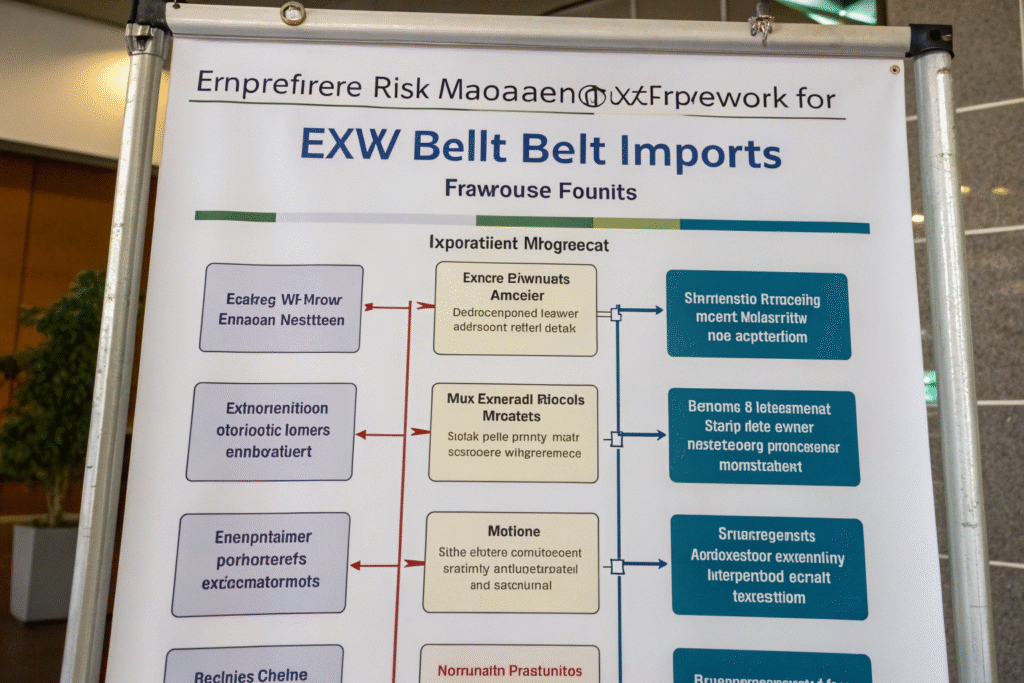
How Can EXW Risks Be Managed Effectively?
The risk transfer inherent in EXW terms requires specific management approaches to prevent unexpected costs and disruptions.
What Insurance Strategies Protect EXW Shipments?
The extended insurance responsibility under EXW—from factory gate to final destination—creates both coverage challenges and optimization opportunities. Standard cargo policies typically cover from port to port, requiring specialized coverage for the domestic transportation segments included in EXW responsibility. Successful EXW importers often secure annual marine cargo policies that automatically cover all shipments regardless of incoterm, avoiding the administrative burden of arranging separate coverage for each movement while ensuring consistent protection.
The insurance strategy should include careful review of policy terms regarding storage at the factory before shipment, transportation to the port, and storage at destination before customs clearance. Many standard policies contain limitations or exclusions for these segments that can create coverage gaps exactly when problems are most likely to occur. The most comprehensive approaches include contingent liability insurance that protects against suppliers' failure to maintain proper insurance for the portions they control, particularly important when goods are damaged while still technically in the supplier's possession but already under the buyer's insurance.
How Can Payment Terms Mitigate EXW Risks?
The payment term structure becomes particularly important under EXW since buyers lose leverage once goods leave the factory. Traditional letters of credit that provide payment upon shipment presentation offer less protection since shipment occurs from the factory rather than from the port. Successful EXW negotiators often use progressive payment terms—typically 30% with order, 40% after passed inspection but before shipment, and 30% after successful arrival at destination—that maintain leverage while recognizing the supplier's cash flow needs.
The payment term advantage extends to currency risk management, where EXW's longer buyer-controlled supply chain creates additional exchange rate exposure. The most sophisticated approaches use forward contracts that lock in exchange rates for anticipated payments, hedging against currency fluctuations during production and transportation periods. This financial management represents another hidden cost factor that must be incorporated into EXW calculations but, when properly managed, can create additional savings beyond the obvious purchase price advantages.
Conclusion
Negotiating EXW terms for cost-efficient belt imports requires a comprehensive approach that looks beyond the attractive surface-level pricing to manage the substantial responsibilities transferred to the buyer. The most successful EXW implementations combine detailed cost calculation, clear communication protocols, strategic logistics partnerships, and proactive risk management to transform the theoretical advantages of EXW into genuine bottom-line benefits.
As global supply chains become more complex and competitive, mastery of EXW terms provides significant advantages for importers willing to invest the necessary expertise and systems. The cost savings potential—typically 10-20% compared to simpler terms—justifies this investment while building supply chain capabilities that deliver value beyond individual shipments.
Ready to optimize your belt imports using EXW terms? Contact our Business Director, Elaine, at elaine@fumaoclothing.com to discuss our EXW management expertise and sourcing strategies that deliver true cost efficiency through sophisticated trade term implementation.