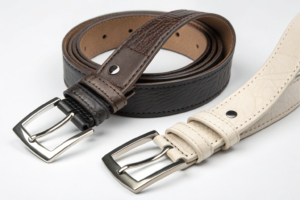
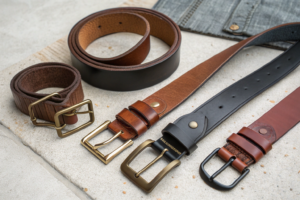
Travelers and urban professionals face growing concerns about pickpocketing and theft in crowded spaces. Traditional security measures like money belts are often bulky, uncomfortable, and inconvenient to access. The market demands a solution that combines everyday fashion with discreet protection, creating a significant opportunity for brands that can deliver both style and security.
Sourcing belts with integrated anti-theft technology requires identifying specialized manufacturers who combine RFID-blocking materials, hidden compartment engineering, and tamper-resistant buckle mechanisms. These functional fashion accessories must maintain aesthetic appeal while providing discreet security features that protect valuables from both physical theft and digital scanning.
The convergence of security needs and fashion consciousness has created a sophisticated niche in the accessories market. Understanding the technical specifications and manufacturing requirements is essential for successful product development in this category.
What Core Security Features Define Anti-Theft Belts?
Authentic anti-theft belts incorporate multiple security layers that work together to protect valuables. The most effective designs address both physical theft attempts and digital security threats without compromising on comfort or style.
These belts typically feature RFID-blocking material, strategically placed hidden compartments, and reinforced construction that resists slashing or quick removal. The best designs integrate these elements so seamlessly that the belt appears completely ordinary to observers while providing comprehensive protection for the wearer.

How effective are RFID-blocking compartments?
RFID-blocking compartments use materials that create a Faraday cage effect, preventing electromagnetic fields from penetrating and scanning your credit cards or passport chips. High-quality implementations typically incorporate multiple layers of metalized fabric or fine metal mesh that blocks the 13.56 MHz frequency used by most credit cards and access cards. When sourcing, verify that manufacturers test their materials against actual RFID scanners to ensure complete protection rather than partial signal reduction.
What makes hidden compartments truly secure?
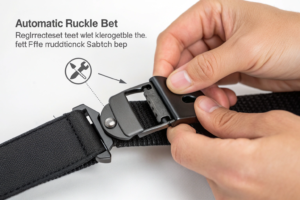
Truly secure hidden compartments feature discreet openings that require specific, non-obvious actions to access. The best designs use magnetic clasps with precise alignment, silent zippers with hidden pulls, or sliding mechanisms that blend seamlessly with the belt's design. The compartment should be positioned where it's difficult for thieves to access without the wearer's knowledge, typically at the back or sides, and constructed from durable materials that prevent accidental opening during movement.
Which Manufacturing Methods Ensure Durability and Security?
The manufacturing process for anti-theft belts requires specialized equipment and expertise beyond standard belt production. Security features must withstand daily use while maintaining their protective functions over the product's lifetime.
Advanced cutting machines create precise compartments without weakening the belt structure, while specialized sewing techniques ensure hidden seams remain discreet yet strong. Manufacturers must balance material thickness for security with flexibility for comfort, often using layered construction methods that combine multiple materials with different properties.

What specialized equipment is required?
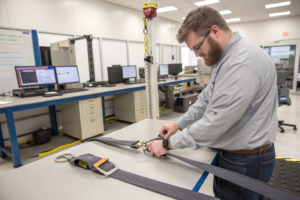
Manufacturing anti-theft belts requires RF welding machines to create seamless RFID-blocking pockets, precision laser cutters for accurate compartment openings, and specialized sewing machines capable of handling multiple material layers. Factories need quality control equipment to test RFID effectiveness and stress-test mechanisms. These capital investments separate specialized security accessory manufacturers from conventional belt factories.
How does layered construction enhance security?
Layered construction combines materials with complementary properties: an outer layer of genuine leather or high-quality synthetic for appearance, a middle layer of ballistic nylon or polyester mesh for slash resistance, and an inner layer of metalized fabric for RFID protection. This approach creates a belt that's difficult to cut quickly, prevents electronic theft, and maintains a fashionable appearance. The integration of these layers requires advanced pattern-making to ensure the belt remains flexible and comfortable despite the multiple material layers.
How to Verify Security Claims During Factory Sourcing?
With growing consumer interest in anti-theft products, some manufacturers exaggerate security capabilities. Implementing a rigorous verification process during factory selection ensures the products you source deliver genuine protection.
A comprehensive assessment should include physical testing of materials, verification of security feature functionality, and examination of quality control processes. This due diligence prevents false claims that could damage your brand's reputation and leave customers vulnerable.
What tests validate RFID protection claims?
Validating RFID protection requires actual scanning tests using ISO/IEC 14443 compliant RFID readers at the 13.56 MHz frequency. Reputable manufacturers should provide third-party test reports from accredited laboratories demonstrating complete signal blocking. During factory visits, bring your own RFID cards and reader to conduct spot checks. Also examine how the RFID-blocking material is integrated—continuous lining without gaps or seams is essential for complete protection.
How do you stress-test hidden compartments?
Stress-test hidden compartments by testing the opening mechanism hundreds of times to ensure it remains functional, checking for material wear around access points, and applying pressure to ensure seams don't separate. For zippered compartments, test the zipper durability by opening and closing repeatedly under load. Magnetic closures should maintain their hold strength even when the belt is twisted or pulled. These tests verify the security features will withstand real-world use without failure.
What Market Trends Are Driving Anti-Theft Belt Demand?
Understanding the evolving market landscape helps brands position their anti-theft belt offerings effectively. Several converging trends are creating sustained growth in this product category across multiple consumer segments.
Urbanization, increased travel post-pandemic, and growing awareness of digital theft risks have made consumers more proactive about personal security. Simultaneously, advancements in materials and manufacturing have made security features more compatible with fashionable designs, expanding the potential market beyond traditional security-conscious buyers.
Which consumer segments show strongest growth?
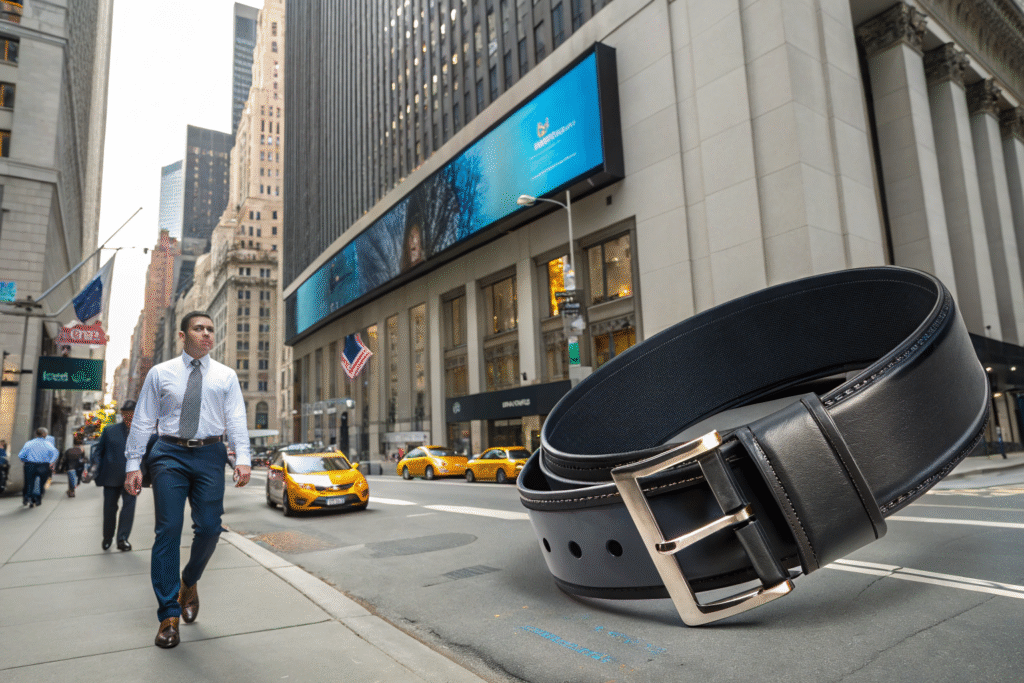
The strongest growth comes from frequent travelers, digital nomads, and urban commuters who regularly navigate crowded environments. The student market, particularly those studying abroad or in urban campuses, represents another expanding segment. Additionally, luxury travelers seeking discreet security without sacrificing style are driving premium offerings. Understanding these segments' specific needs—from compartment size to aesthetic preferences—ensures product-market fit.
How is smart technology integration evolving?
The next evolution involves integrating smart technology, such as Bluetooth tracking chips to locate lost belts, tension sensors that alert to tampering attempts, and even emergency notification features. Some manufacturers are experimenting with biometric locks for compartments and integrated power banks for device charging. While these advanced features increase complexity, they represent the frontier of anti-theft technology and offer significant differentiation in the marketplace.
Conclusion
Sourcing belts with integrated anti-theft technology requires partnering with manufacturers who possess specialized expertise in security features, durable construction methods, and rigorous testing protocols. The most successful products seamlessly blend these protective elements with fashionable designs that appeal to security-conscious consumers without signaling vulnerability.
If your brand is looking to develop anti-theft belts with verified security features, our factory specializes in manufacturing these technically advanced accessories. We incorporate RFID protection, durable hidden compartments, and tamper-resistant mechanisms into stylish designs. Contact our Business Director, Elaine, at elaine@fumaoclothing.com to discuss your specific security and design requirements.