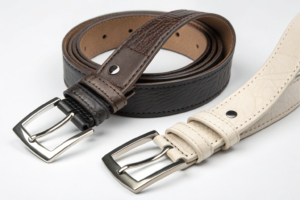
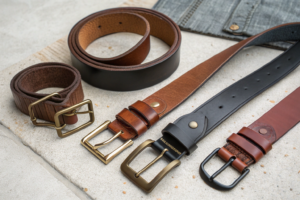
The sports apparel industry is witnessing a significant shift in accessory technology, with traditional belts being replaced by advanced quick-dry alternatives. Athletes and fitness enthusiasts increasingly encounter the discomfort of sweat-soaked belts during intense activities, leading to chafing, odor retention, and performance limitations that conventional materials cannot adequately address.
Quick-dry belts are dominating sports apparel markets because they combine moisture-wicking technology, lightweight durability, and antimicrobial properties that address fundamental athletic needs. These belts prevent discomfort, reduce skin irritation, and maintain performance integrity during intense physical activities, making them essential for serious athletes and casual fitness enthusiasts alike.
The revolution in sports accessories reflects broader trends in athletic wear where functionality and comfort converge. Understanding the technological advantages and consumer benefits explains why quick-dry belts are becoming the standard in sports apparel collections worldwide.
What Moisture Management Technologies Power Quick-Dry Belts?
The core technology behind quick-dry belts involves advanced moisture management systems that work on multiple levels to keep athletes dry and comfortable. These technologies have evolved from basic synthetic materials to sophisticated multi-layer systems that actively transport moisture away from the body.
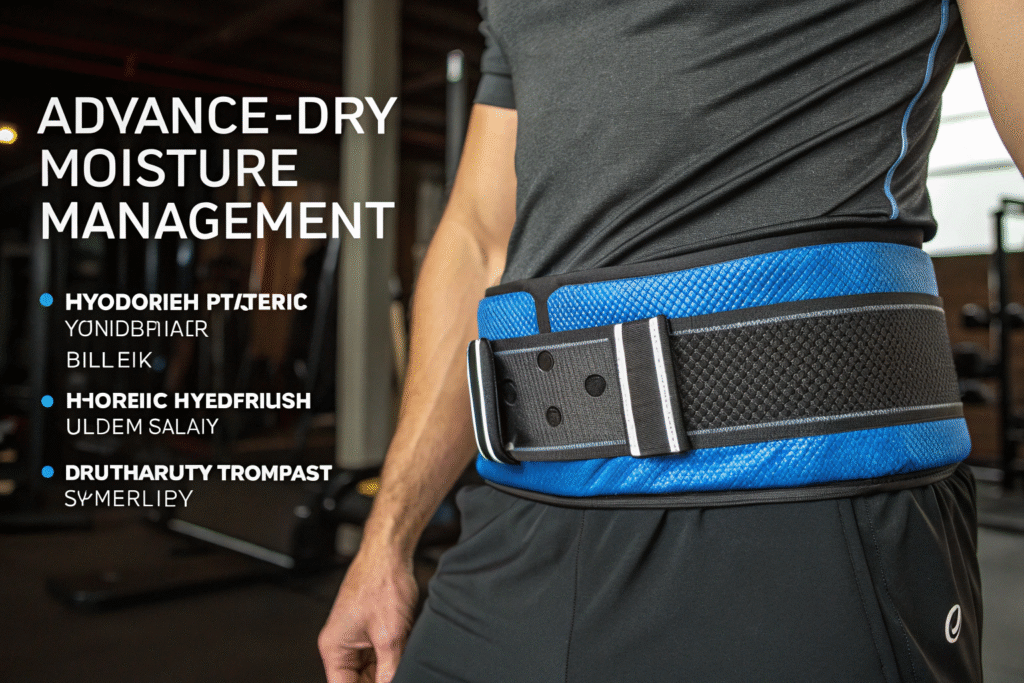
Modern quick-dry belts incorporate hydrophilic and hydrophobic fiber combinations that create capillary action, pulling sweat away from the skin to the belt's outer surface where it can evaporate rapidly. This scientific approach to moisture control represents a significant advancement over traditional belt materials that simply absorb and retain moisture.
How do moisture-wicking fabrics actually work?
Moisture-wicking technology utilizes capillary action principles where microscopic channels in synthetic fibers pull moisture along their surface. Advanced materials like polyester microfiber and specialized nylon blends are engineered with cross-sections that maximize surface area for rapid evaporation. These technical fabrics can move moisture up to 50% faster than natural materials, ensuring that sweat is continuously drawn away from the skin during even the most intense athletic activities.
What role do construction methods play in drying speed?
The construction of quick-dry belts significantly impacts their performance through strategic ventilation zones and seamless welding techniques. Laser-cut perforations in high-sweat areas increase airflow without compromising durability, while bonded seams eliminate stitching that can trap moisture. Multi-layer constructions often feature moisture-diverting inner layers and rapidly evaporating outer surfaces, creating a systematic approach to moisture management that works throughout the entire belt structure.
How Do Quick-Dry Belts Enhance Athletic Performance?
The performance benefits of quick-dry belts extend far beyond simple comfort, directly impacting athletic output, endurance, and recovery. These advantages are particularly noticeable during extended training sessions and competitive events where every physical factor matters.
By addressing fundamental comfort and practical concerns, these belts allow athletes to maintain focus and performance levels that might otherwise be compromised by distraction and discomfort. The psychological advantage of knowing your equipment won't fail you is equally valuable.
What specific performance metrics improve?
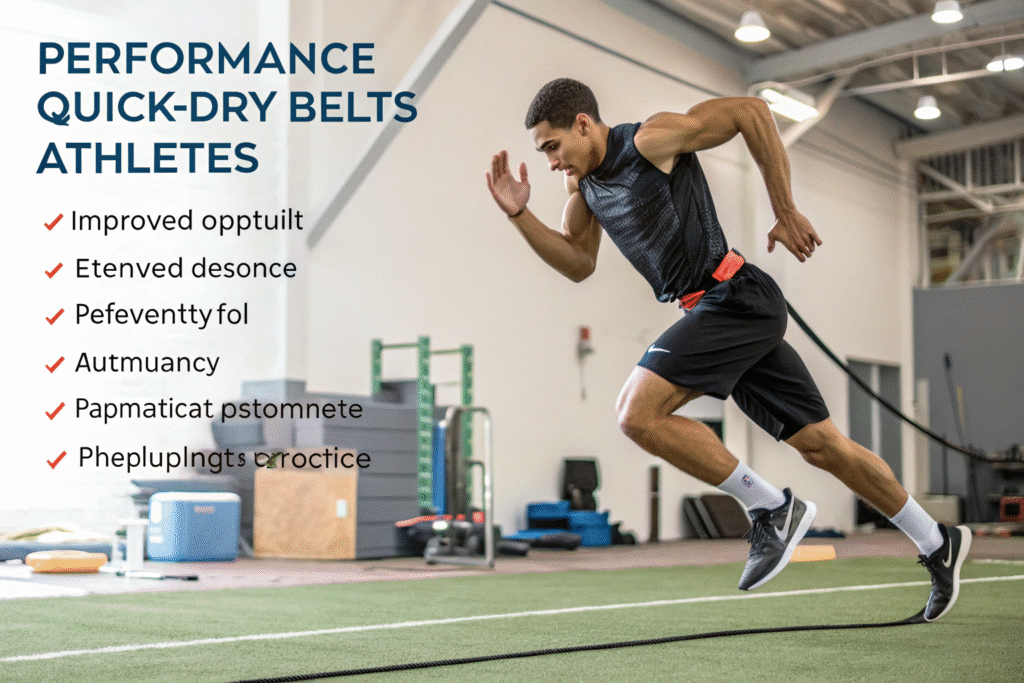
Athletes using quick-dry belts demonstrate measurable improvements in several key areas: reduced thermal stress during endurance activities, decreased friction-related injuries, and maintained core temperature regulation. The weight reduction compared to water-logged traditional belts also contributes to energy conservation over extended periods. Studies show that proper moisture management can extend peak performance duration by up to 17% in high-intensity sports by preventing the physiological strain caused by excessive moisture retention.
How does comfort impact athletic focus?
The psychological impact of comfort should not be underestimated in athletic performance. Quick-dry belts eliminate the distraction of discomfort caused by wet fabric clinging to skin, allowing athletes to maintain concentration on technique and strategy. This uninterrupted focus is particularly crucial in precision sports and endurance events where mental stamina directly correlates with performance outcomes. The confidence derived from reliable equipment enables athletes to push their limits without hesitation.
What Materials Science Innovations Drive This Category?
The dominance of quick-dry belts in sports markets is underpinned by significant advancements in materials science and textile engineering. These innovations have transformed basic synthetic materials into high-performance technical fabrics specifically designed for athletic applications.
Today's quick-dry belts represent the convergence of multiple technological disciplines, creating products that offer benefits unimaginable just a decade ago. The continuous evolution of materials ensures this category remains at the forefront of sports innovation.

Which advanced polymers deliver best results?
Leading quick-dry belts utilize polypropylene microfibers for their inherent hydrophobic properties and excellent moisture-wicking capabilities. Recent innovations include phase-change materials originally developed for aerospace applications that actively regulate temperature. Additionally, bio-based polymers derived from castor oil and other renewable sources are gaining popularity for their sustainable profile while maintaining high performance standards expected by athletes.
How are antimicrobial treatments evolving?
Modern antimicrobial technologies in quick-dry belts have progressed beyond simple silver-ion treatments to include self-cleaning nanomaterials and enzyme-based odor control systems. These advanced treatments are integrated at the polymer level rather than applied as surface coatings, ensuring long-lasting effectiveness through repeated washing and heavy use. The integration of natural antimicrobial agents like chitosan derived from shellfish waste represents an exciting frontier in sustainable performance technology.
How Are Brands Differentiating Their Quick-Dry Belt Offerings?
As the quick-dry belt market expands, brands are implementing sophisticated differentiation strategies to capture specific consumer segments and usage scenarios. The evolution from basic functional products to specialized solutions reflects the market's maturation and increasing consumer sophistication.
Differentiation occurs across multiple dimensions including design innovation, specialized features, and targeted marketing that addresses specific athletic needs and lifestyle preferences.
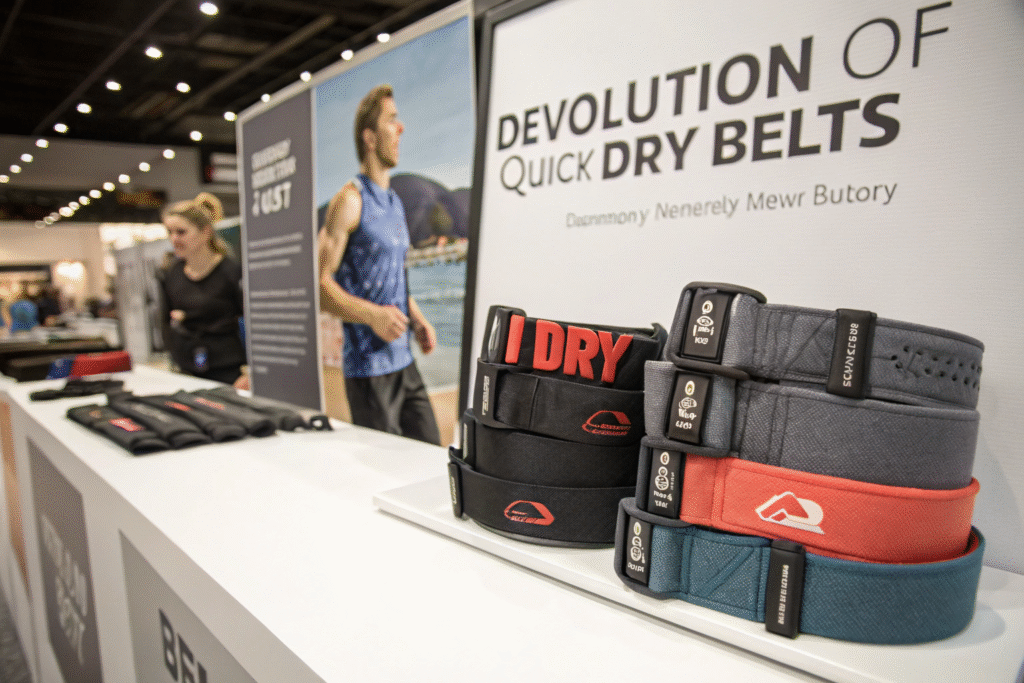
What design innovations are capturing market attention?
Progressive brands are introducing magnetic quick-release systems that allow instant adjustment and removal, even during activity. Reflective elements integrated directly into the belt material enhance safety for night-time athletes without adding bulk. Modular systems that allow customization of pouch configurations and accessory attachments are particularly popular among trail runners and adventure racers who need to carry essential gear during extended outings.
How are brands targeting specific sports segments?
Specialization has become key to market success, with brands developing sport-specific designs that address unique requirements. Swimming brands focus on chlorine-resistant materials and secure pocket designs, while hiking manufacturers prioritize abrasion resistance and gear attachment points. The tactical market demands extreme durability and minimalist profiles, whereas yoga practitioners prefer ultra-lightweight flexibility and aesthetic appeal. This targeted approach ensures each user group finds products optimized for their specific activities.
Conclusion
Quick-dry belts represent the natural evolution of sports accessories, combining advanced materials science with practical athletic needs to create products that genuinely enhance performance and comfort. Their market dominance reflects the growing consumer expectation that every element of their athletic gear should contribute positively to their experience, not merely avoid causing problems.
If your brand is looking to develop high-performance quick-dry belts for the sports market, our factory specializes in advanced moisture-wicking technologies and athletic-focused manufacturing. Contact our Business Director, Elaine, at elaine@fumaoclothing.com to discuss how we can help create cutting-edge quick-dry belts for your sports apparel collection.