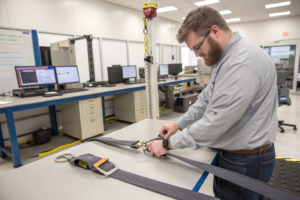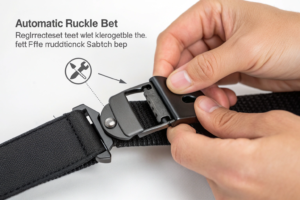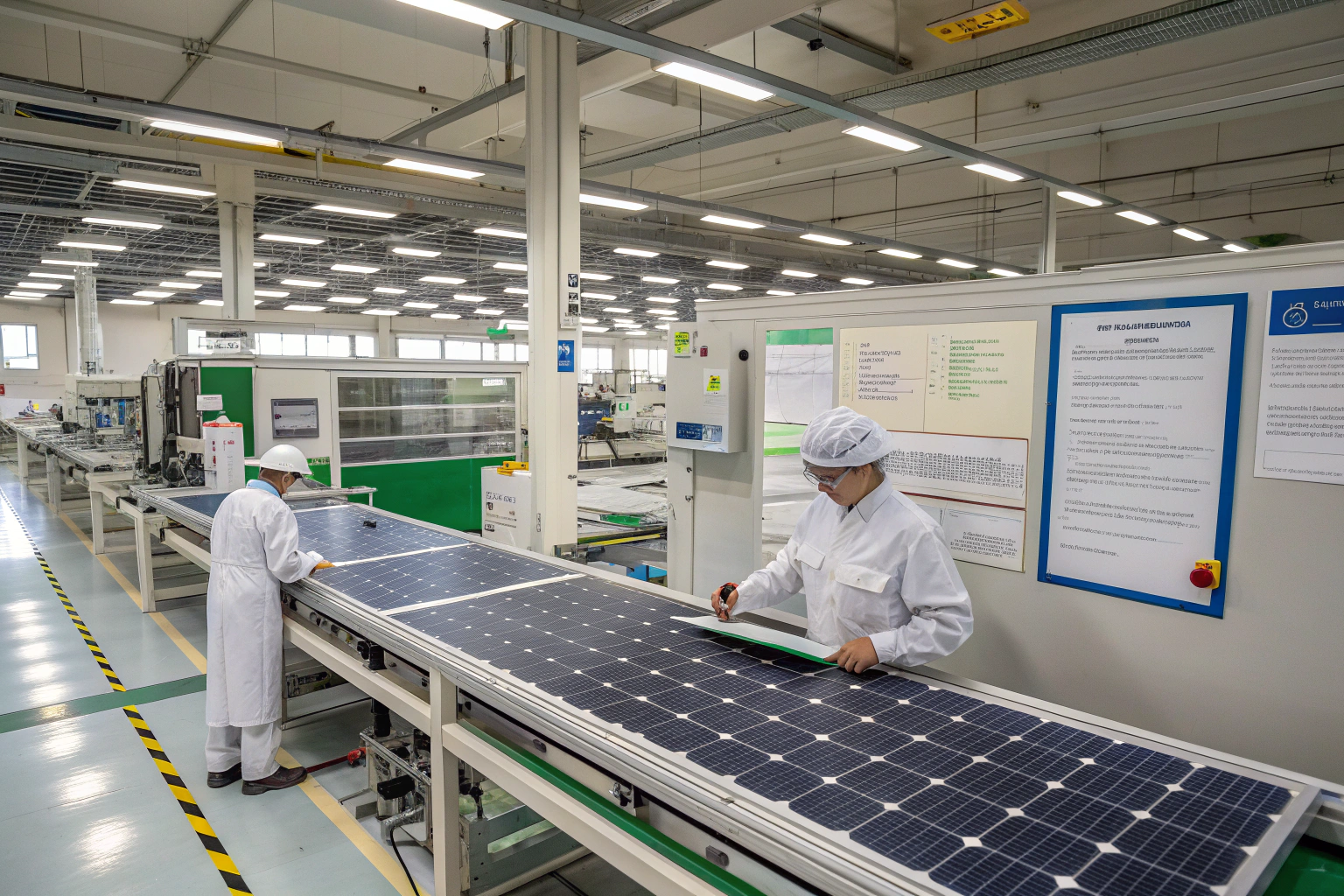
The global fashion industry faces increasing pressure to reduce its environmental footprint, with accessories manufacturing coming under particular scrutiny. Brands and retailers now encounter consumer demand for genuinely sustainable products, not just greenwashed marketing claims. The complexity of leather and textile supply chains makes climate-neutral certification particularly challenging yet valuable for market differentiation.
Sourcing climate-neutral certified belt manufacturers requires verifying third-party certifications, auditing supply chain transparency, evaluating carbon reduction initiatives, and assessing offset programs. True climate neutrality encompasses raw material sourcing, manufacturing processes, energy usage, and transportation emissions throughout the entire production lifecycle.
Identifying genuinely climate-neutral manufacturers involves moving beyond surface-level claims to examine comprehensive environmental management systems. The certification process must cover everything from raw material extraction to finished product delivery, ensuring authentic climate accountability rather than selective reporting.
What Certifications Verify Authentic Climate Neutrality?
Third-party certifications provide the foundation for verifying climate-neutral claims, but not all certifications carry equal weight in the industry. Understanding the differences between various environmental standards helps buyers identify manufacturers with genuine climate commitments rather than superficial marketing approaches.
Reputable certifications require comprehensive emissions accounting, verified reduction targets, and transparent offset mechanisms. These programs typically involve annual audits and continuous improvement requirements that ensure ongoing compliance rather than one-time achievements.
Which international standards are most recognized?
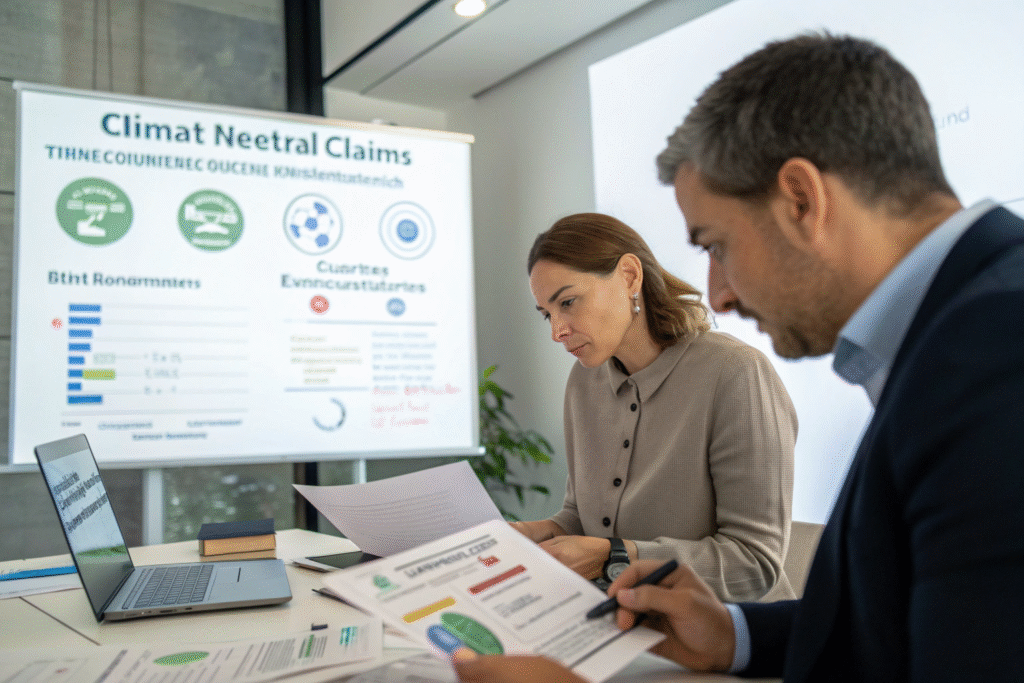
The Climate Neutral Certified standard stands as the most comprehensive global certification, requiring manufacturers to measure, offset, and reduce all scope 1, 2, and 3 emissions. The CarbonTrust Neutral certification provides robust verification with particular strength in European markets, while PAS 2060 offers an internationally recognized specification for carbon neutrality demonstration. These standards require independent verification and transparent public reporting, ensuring claims withstand scrutiny from environmentally conscious consumers and business partners.
How do certification levels impact sourcing decisions?
Certification levels significantly influence both environmental impact and market perception. Basic certifications may cover only direct manufacturing emissions (Scope 1), while comprehensive certifications include supply chain and product lifecycle emissions (Scope 3). Manufacturers with full-scope certification typically demonstrate deeper environmental commitment and more sophisticated supply chain management, making them more reliable partners for brands building authentic sustainability narratives. The investment required for comprehensive certification often correlates with overall manufacturing quality and business sophistication.
How to Evaluate Manufacturing Carbon Reduction Initiatives?
Beyond certification paperwork, genuine climate-neutral manufacturers implement concrete carbon reduction strategies across their operations. Assessing these initiatives requires examining energy sources, production efficiency, material selection, and waste management practices.
The most credible manufacturers combine multiple reduction strategies rather than relying exclusively on carbon offsets. A comprehensive approach typically includes energy efficiency, renewable power, material innovation, and circular economy principles that collectively minimize the carbon footprint before considering offsets.
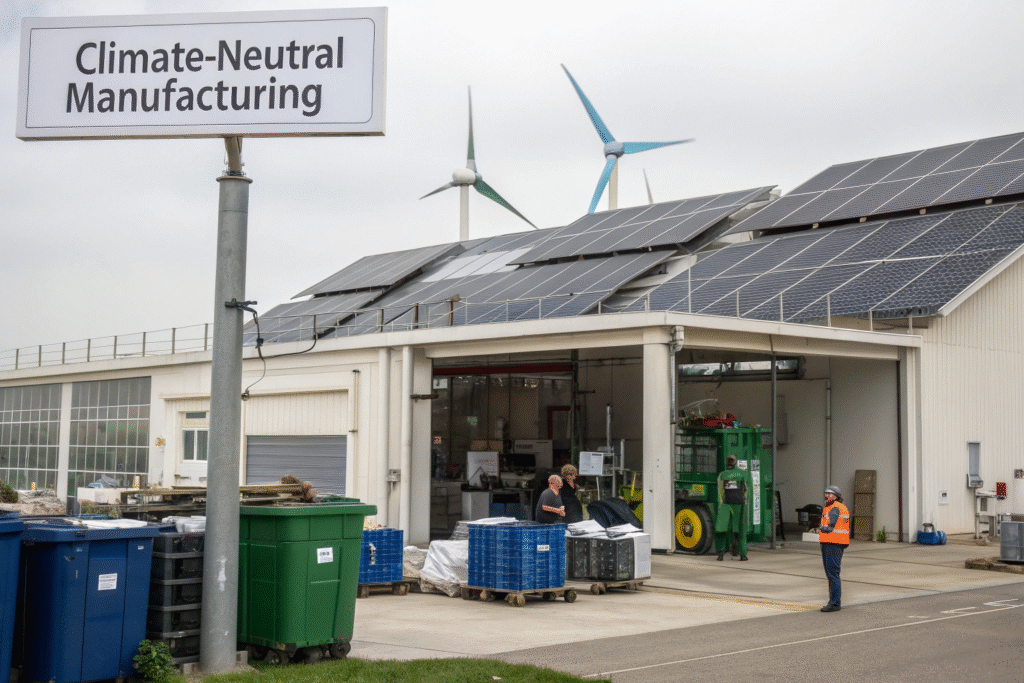
What energy transition strategies are most effective?
Leading climate-neutral manufacturers typically implement solar power installation for manufacturing facilities, energy-efficient machinery with regenerative systems, and purchasing verified renewable energy certificates for grid power. The most advanced facilities combine these approaches, often achieving 70-90% reduction in operational emissions before implementing offsets. Manufacturers should provide detailed energy audits and reduction timelines that demonstrate continuous improvement rather than static compliance with minimum standards.
How do material innovations contribute to carbon reduction?
Progressive manufacturers implement bio-based alternatives to traditional leather, recycled metal components, and water-based finishing systems that significantly reduce carbon intensity. The most significant reductions often come from material selection, with innovative plant-based materials typically generating 50-80% fewer emissions than conventional leather production. Manufacturers should provide lifecycle assessment data for their material choices and demonstrate active research into further carbon reduction through material innovation.
What Supply Chain Transparency Measures Ensure Authenticity?
Climate neutrality claims extend beyond factory gates to encompass the entire supply chain, making transparency and traceability essential verification components. Manufacturers must demonstrate control and visibility over their raw material sources, component suppliers, and logistics partners.
Comprehensive supply chain mapping provides the foundation for accurate carbon accounting and genuine climate neutrality. The most credible manufacturers maintain detailed records of their tier-one and tier-two suppliers, along with transportation and distribution networks.
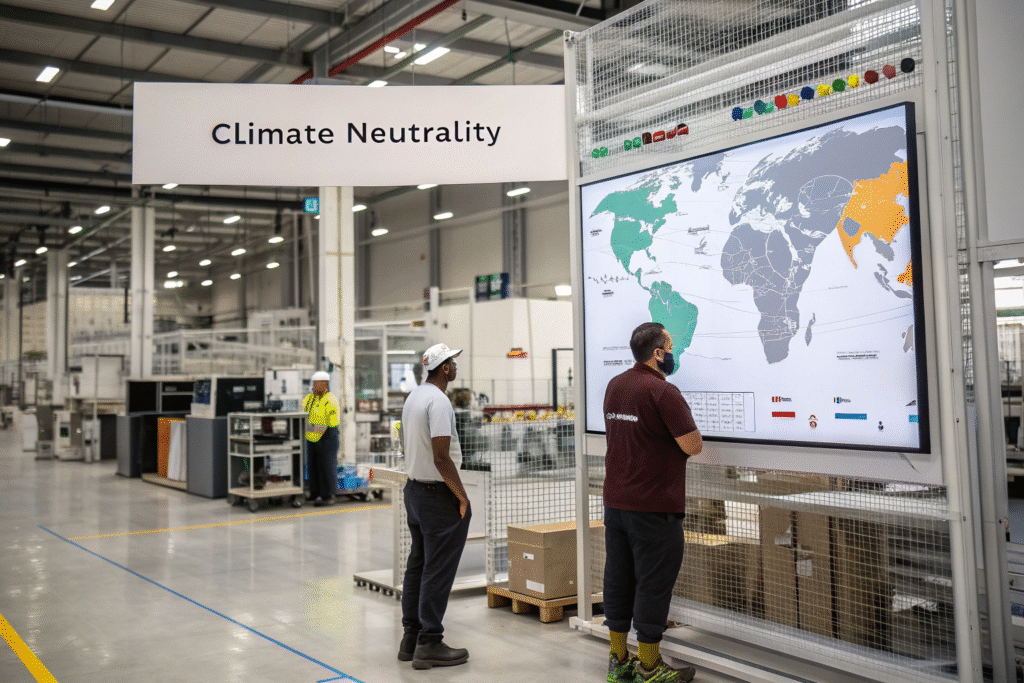
How can buyers verify supply chain emissions reporting?
Credible manufacturers provide third-party verified emissions data for their entire supply chain, including raw material production, component manufacturing, and transportation. They typically maintain digital tracking systems that document the carbon footprint of individual material batches through platforms like blockchain-based traceability systems. Buyers should request specific evidence of supply chain engagement, including supplier code of conduct implementation, regular supplier environmental audits, and collaborative reduction initiatives with key material providers.
What transportation strategies minimize carbon impact?
Climate-neutral manufacturers optimize transportation through route efficiency software, modal shifts from air to sea freight, and logistics partner selection based on environmental performance. The most advanced operations utilize electric or hybrid vehicles for local distribution and optimize container utilization to minimize shipping volume. Manufacturers should provide specific data on their transportation carbon intensity and demonstrate active partnerships with logistics providers who share their climate commitment through verified reduction programs.
How Do Offset Programs Complement Manufacturing Practices?
Carbon offset programs represent the final component of climate neutrality, addressing emissions that cannot yet be eliminated through operational improvements. The quality and verification of offset projects significantly impact the credibility of climate-neutral claims.
Strategic offset programs complement rather than replace genuine reduction efforts, addressing residual emissions while manufacturers continue to implement long-term reduction strategies. Offset selection should prioritize additionality, permanence, and verification.
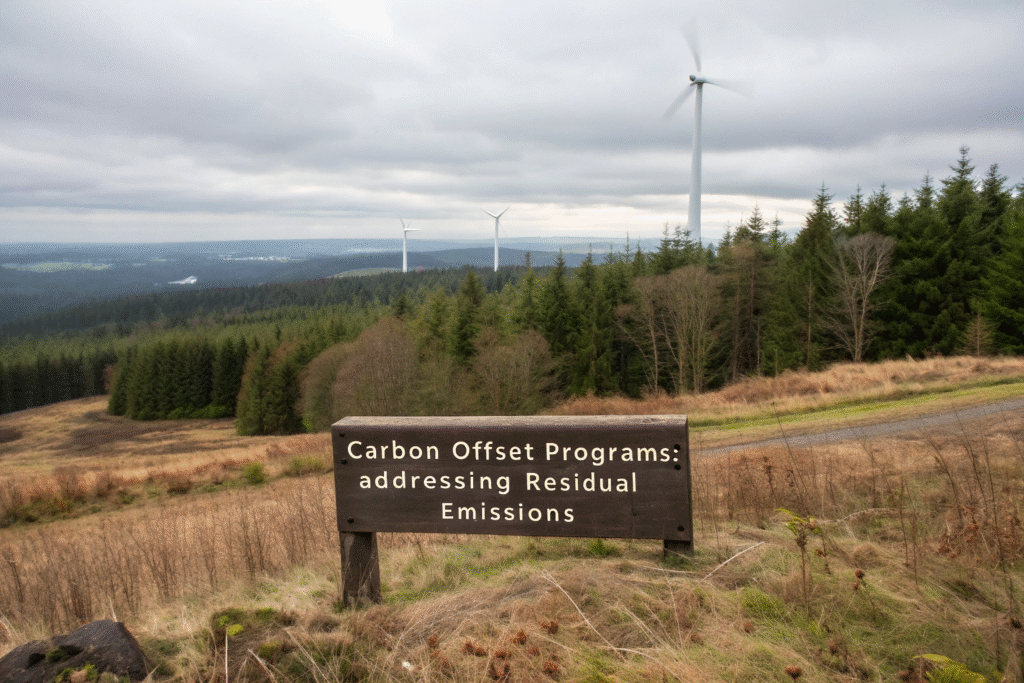
What characteristics define high-quality carbon offsets?
High-quality offsets demonstrate additionality by funding projects that wouldn't occur without offset revenue, provide permanent emissions reduction through verified methodologies, and offer co-benefits like biodiversity protection or community development. The most credible manufacturers typically invest in Gold Standard or Verified Carbon Standard certified projects with regular independent verification. Manufacturers should provide transparent documentation of their offset purchases and retirement certificates demonstrating specific tonnage matched to their measured emissions.
How should manufacturers integrate offsets with reduction strategies?
Progressive manufacturers treat offsets as a transitional solution while pursuing aggressive internal reduction targets, typically following the mitigation hierarchy of avoid, reduce, then offset. They typically allocate significant resources to operational improvements before purchasing offsets, with many leading manufacturers targeting 80-90% reduction through operational changes before addressing remaining emissions through offsets. This approach demonstrates genuine climate commitment rather than treating offsets as a license to continue business-as-usual emissions.
Conclusion
Sourcing climate-neutral certified belt manufacturers requires comprehensive evaluation of certifications, reduction initiatives, supply chain transparency, and offset quality. Brands must look beyond basic certification to examine the depth of environmental management systems and the authenticity of carbon accounting throughout the entire production lifecycle. The manufacturers delivering genuine climate neutrality typically demonstrate sophisticated environmental management that extends across their operations and supply networks.
If your brand is seeking climate-neutral certified belt manufacturing partners, our factory maintains comprehensive climate certification with transparent supply chain mapping and verified reduction initiatives. Contact our Business Director, Elaine, at elaine@fumaoclothing.com to discuss how we can help meet your sustainability objectives with authentically climate-neutral belt production.