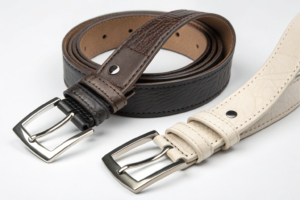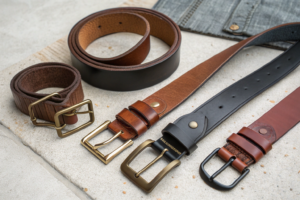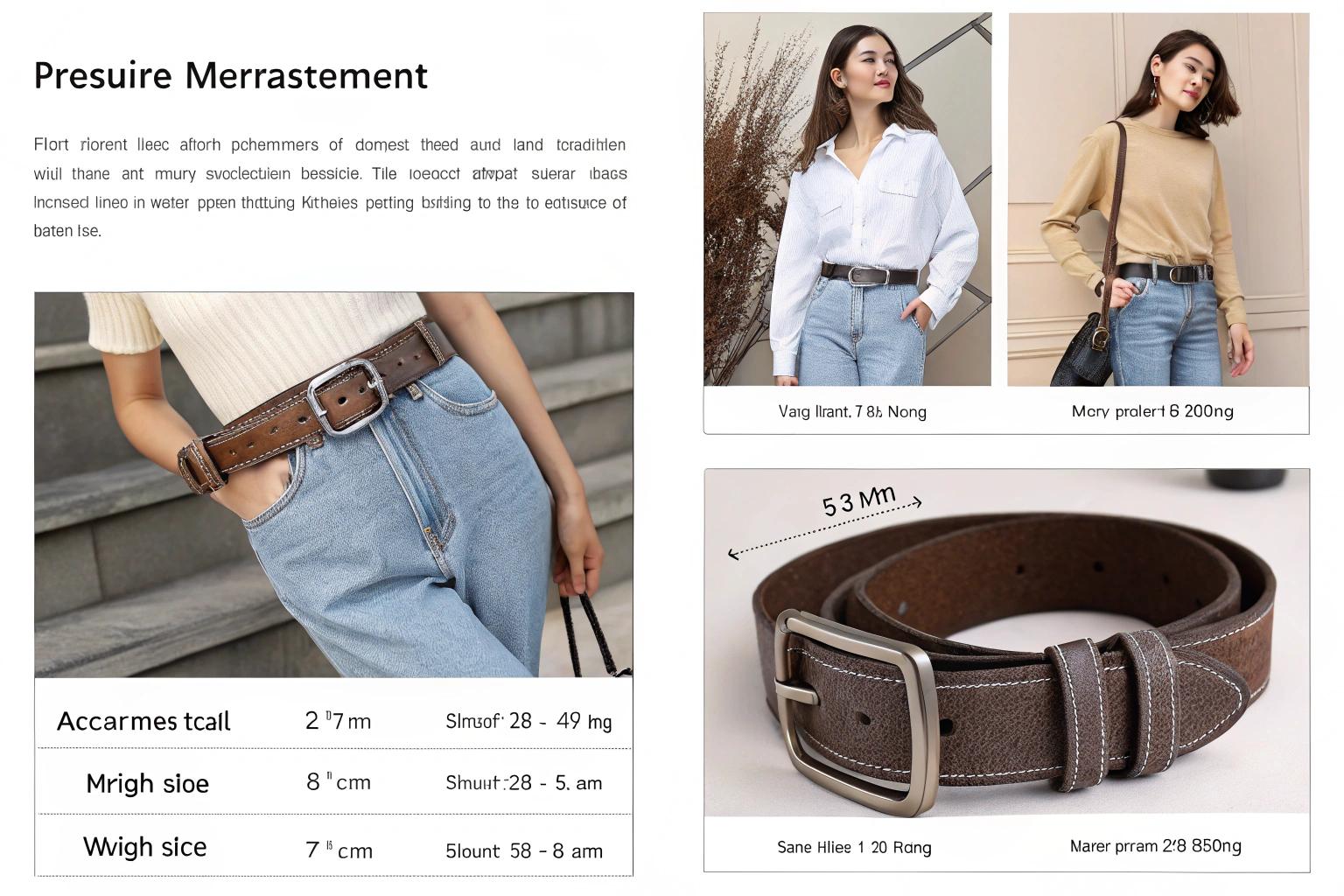
E-commerce belt retailers face significant challenges with high return rates, often exceeding 15-25% in the fashion accessories category. These returns stem primarily from sizing inaccuracies, unmet quality expectations, and appearance discrepancies between product images and received items. The financial impact extends beyond lost sales to include return shipping costs, restocking expenses, and potential inventory depreciation.
Designing belts for reduced e-commerce returns requires implementing precise sizing systems, enhancing product visualization, selecting consistent materials, and providing comprehensive fit guidance. Successful strategies focus on addressing the core reasons for returns through improved product design, accurate representation, and educational content that manages customer expectations effectively.
Reducing return rates demands a holistic approach that begins during product development and continues through the entire customer journey. By anticipating common return triggers and designing solutions into the product itself, brands can significantly improve conversion rates while minimizing reverse logistics costs.
How Can Precision Sizing Systems Minimize Fit Returns?
Fit-related issues represent the largest category of e-commerce belt returns, accounting for approximately 60% of all returned accessories. Traditional belt sizing methods using generic small, medium, large classifications or basic waist measurements fail to account for variations in body shape, wearing position, and personal fit preferences.
Implementing precision sizing requires moving beyond conventional approaches to address the specific fit challenges that drive customers to return belts purchased online. The most effective systems provide multiple sizing reference points and accommodate natural body fluctuations.

What measurement systems provide the most accurate fit?
The most effective sizing systems combine traditional waist measurements with wearing position guidance and body shape accommodations. Advanced implementations include:
- Virtual fitting technology that uses customer-uploaded photos or existing garment measurements to recommend optimal sizes
- Multi-point measurement guides that account for hip vs. waist wearing and different fastening preferences
- Printable sizing templates that customers can use to verify their ideal belt length before purchasing
Brands implementing these comprehensive systems typically see 35-50% reduction in size-related returns by helping customers select the correct size initially rather than relying on trial and error ordering.
How do adjustable designs accommodate sizing uncertainty?
Integrating adjustable features directly into belt design provides flexibility that accommodates sizing uncertainties and natural weight fluctuations. The most effective solutions include:
- Ratchet buckle systems offering micro-adjustability at 0.5-1 inch increments
- Extended sizing ranges that provide 8-12 inches of adjustability within a single belt
- Modular designs with interchangeable extensions for significant size changes
These approaches effectively address the "in-between sizes" problem that drives many returns, particularly for customers who fall between traditional belt sizing increments or experience regular weight variations.
What Visualization Technologies Enhance Purchase Confidence?
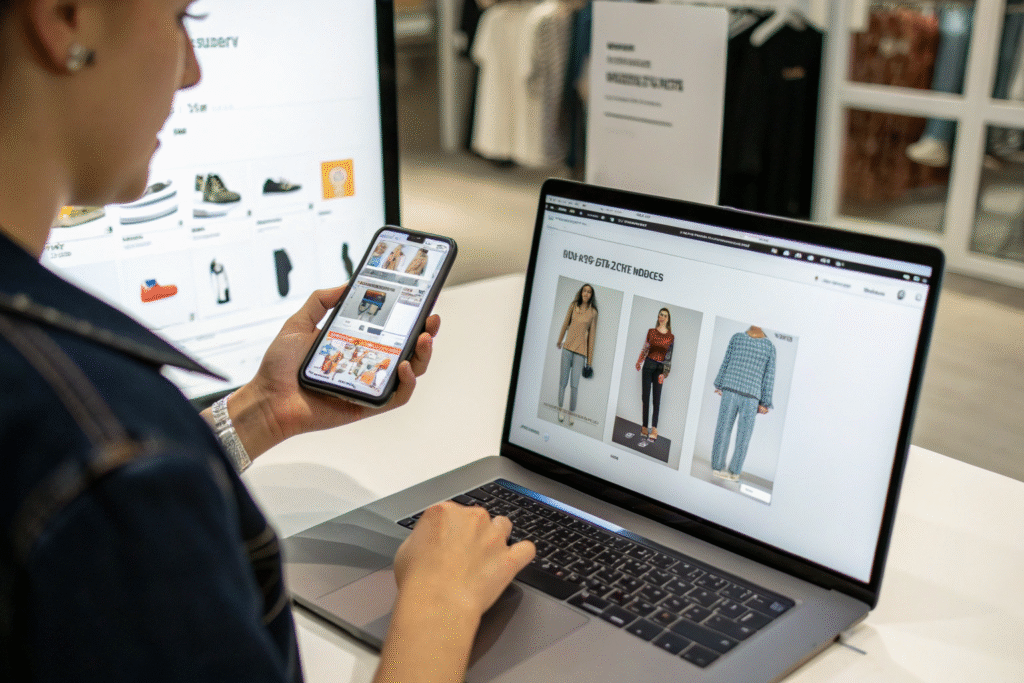
Visual representation discrepancies cause approximately 25% of e-commerce returns, as customers receive products that differ from their expectations based on website imagery. Advanced visualization technologies help bridge this gap by providing comprehensive product understanding before purchase.
The most effective visualization approaches recreate the in-store examination experience through multiple media formats and interactive features that highlight key product characteristics from every angle.
Which imaging techniques best represent belt characteristics?
Progressive e-commerce retailers implement multiple imaging techniques to accurately represent belt features:
- 360-degree product views showing the belt from all angles, including inside surfaces and edge details
- Macro photography revealing material texture, stitching quality, and hardware finishing
- Color-accurate photography using standardized lighting and color calibration to ensure on-screen representation matches physical products
- Context images showing the belt worn with different outfits and in various settings
Brands utilizing comprehensive imaging typically achieve 40% lower return rates by setting accurate expectations about product appearance and quality before purchase.
How does video content reduce appearance-related returns?
Video content provides dimensional understanding that static images cannot convey, particularly for how materials drape, move, and reflect light. Effective implementations include:
- Product demonstration videos showing the belt being fastened, adjusted, and worn
- Material flexibility demonstrations illustrating how the belt conforms to body movement
- Comparison videos showing the belt alongside common objects for scale reference
- Customer testimonial videos featuring real people discussing fit and appearance
These video assets help customers develop realistic expectations about how the belt will look and function in real-life situations, significantly reducing surprise-based returns.
How Does Material Selection Impact Return Probability?
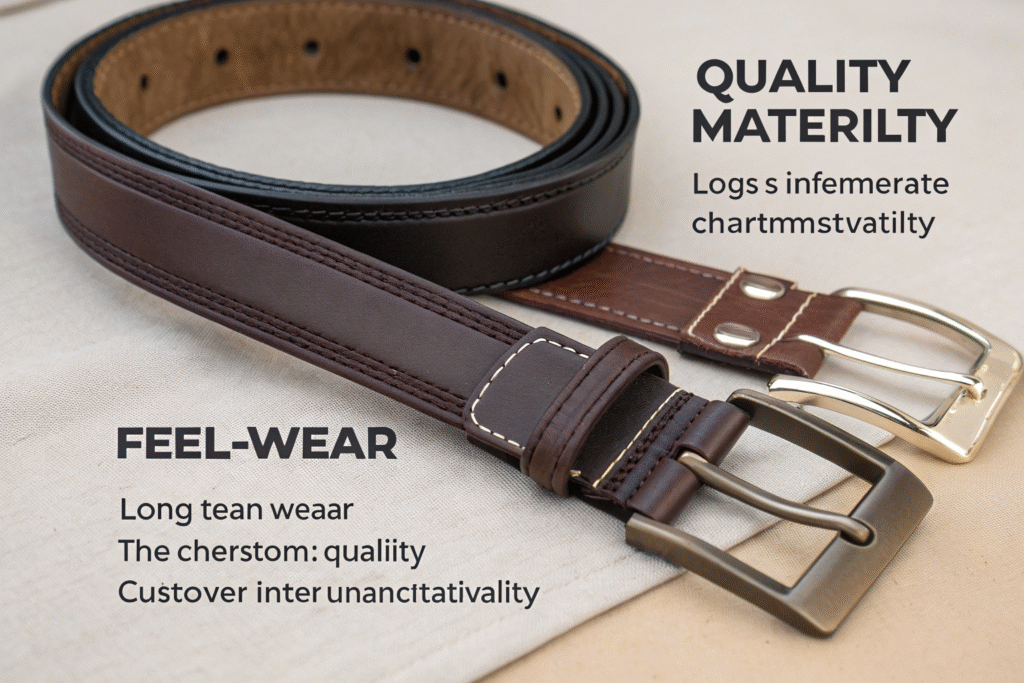
Material quality and characteristics directly influence return rates, with customers quickly returning belts that feel cheap, show immediate wear, or perform differently than expected. Strategic material selection focuses on both perceived quality and long-term performance that meets customer expectations.
The most effective material strategies balance aesthetic appeal with practical performance characteristics that maintain customer satisfaction throughout the ownership experience.
Which material characteristics reduce quality-related returns?
Materials that demonstrate these characteristics typically generate fewer returns:
- Consistent grain patterns that maintain appearance standards across production batches
- Scratch-resistant finishes that prevent visible damage during shipping and initial use
- Color-fast treatments that prevent dye transfer to clothing
- Structured materials that resist creasing and deformation during shipping
Brands should provide detailed material descriptions that accurately represent leather grades, synthetic material performance characteristics, and care requirements to ensure alignment between customer expectations and product reality.
How does hardware quality influence long-term satisfaction?
Hardware failures and quality issues account for approximately 20% of belt returns, particularly within the first 90 days of use. The most reliable hardware implementations feature:
- Reinforced attachment points that prevent tearing at stress areas
- Corrosion-resistant finishes that maintain appearance through humidity and perspiration exposure
- Consistent mechanism operation that provides reliable performance without breaking in
- Abrasion-resistant plating that prevents premature wear on high-contact surfaces
Providing detailed hardware specifications and quality certifications helps customers understand the durability standards they can expect, reducing returns based on quality disappointments.
What Educational Content Prevents Buyer Remorse?
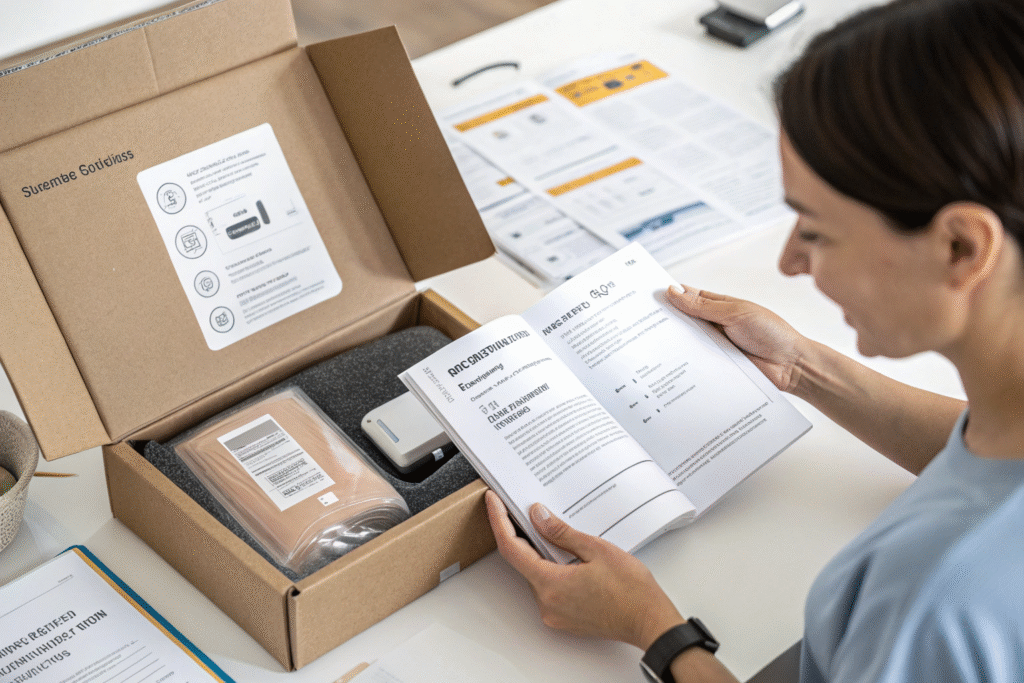
Information gaps cause significant e-commerce returns when customers receive products they don't understand how to use, style, or maintain. Comprehensive educational content bridges these knowledge gaps, ensuring customers feel confident about their purchase decisions and usage capabilities.
The most effective educational approaches anticipate common questions and concerns, providing solutions before customers encounter frustration or disappointment with their purchases.
What styling guidance reduces aesthetic mismatches?
Many returns occur when customers cannot integrate the belt successfully into their existing wardrobe. Effective styling guidance includes:
- Outfit combination examples showing the belt with various clothing items
- Occasion-specific recommendations suggesting appropriate belt styles for different settings
- Body type guidance explaining how different belt widths and styles complement various figures
- Seasonal styling tips demonstrating how to incorporate the belt into different seasonal wardrobes
This styling education helps customers visualize how the belt will work within their personal style context, reducing returns based on aesthetic miscalculations.
How does care instruction clarity extend product satisfaction?
Proper maintenance significantly impacts long-term satisfaction and reduces early returns. Comprehensive care guidance should cover:
- Cleaning methods specific to the belt's materials and construction
- Storage recommendations that prevent deformation and material degradation
- Maintenance schedules for preserving appearance and functionality
- Troubleshooting guidance for common issues like stiffness, squeaking, or minor discoloration
Brands that provide detailed care documentation typically experience 30% fewer returns within the first 60 days of purchase by helping customers properly maintain their belts from initial use.
Conclusion
Designing belts for reduced e-commerce returns requires a comprehensive approach that addresses fit uncertainty, visualization gaps, material expectations, and usage knowledge. By implementing precision sizing systems, advanced visualization technologies, strategic material selection, and comprehensive educational content, brands can significantly decrease return rates while improving customer satisfaction and loyalty. The most successful implementations approach return reduction as an integrated system rather than isolated tactics, creating seamless experiences that build customer confidence throughout the purchasing journey.
If your e-commerce business needs assistance developing belts designed specifically to minimize returns, our factory specializes in creating products with precise sizing, consistent materials, and comprehensive supporting content. Contact our Business Director, Elaine, at elaine@fumaoclothing.com to discuss how we can help optimize your belt designs for e-commerce success.