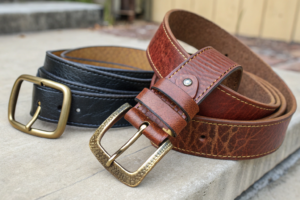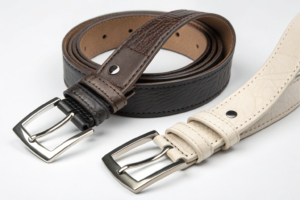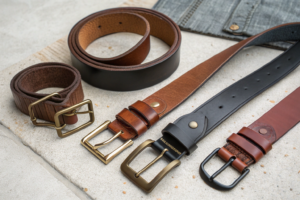
Outdoor belts face constant exposure to sunlight that can cause fading, cracking, and material degradation, compromising both appearance and functionality. Many manufacturers claim UV resistance, but without proper verification, these claims can lead to premature product failure and customer dissatisfaction. The verification process requires systematic testing and documentation to ensure materials perform as promised in real-world conditions.
Verifying UV resistance in outdoor belt materials requires standardized laboratory testing, material composition analysis, accelerated weathering protocols, and real-world performance validation. The most reliable verification combines quantitative data from controlled testing with qualitative assessment of material behavior under extended UV exposure to predict long-term performance accurately.
Understanding the specific verification methods and standards helps manufacturers, brands, and consumers distinguish genuine UV-resistant materials from those with superficial or temporary protection. This knowledge is particularly crucial for outdoor belts used in applications where material failure could have significant consequences.
What Laboratory Testing Standards Verify UV Resistance?
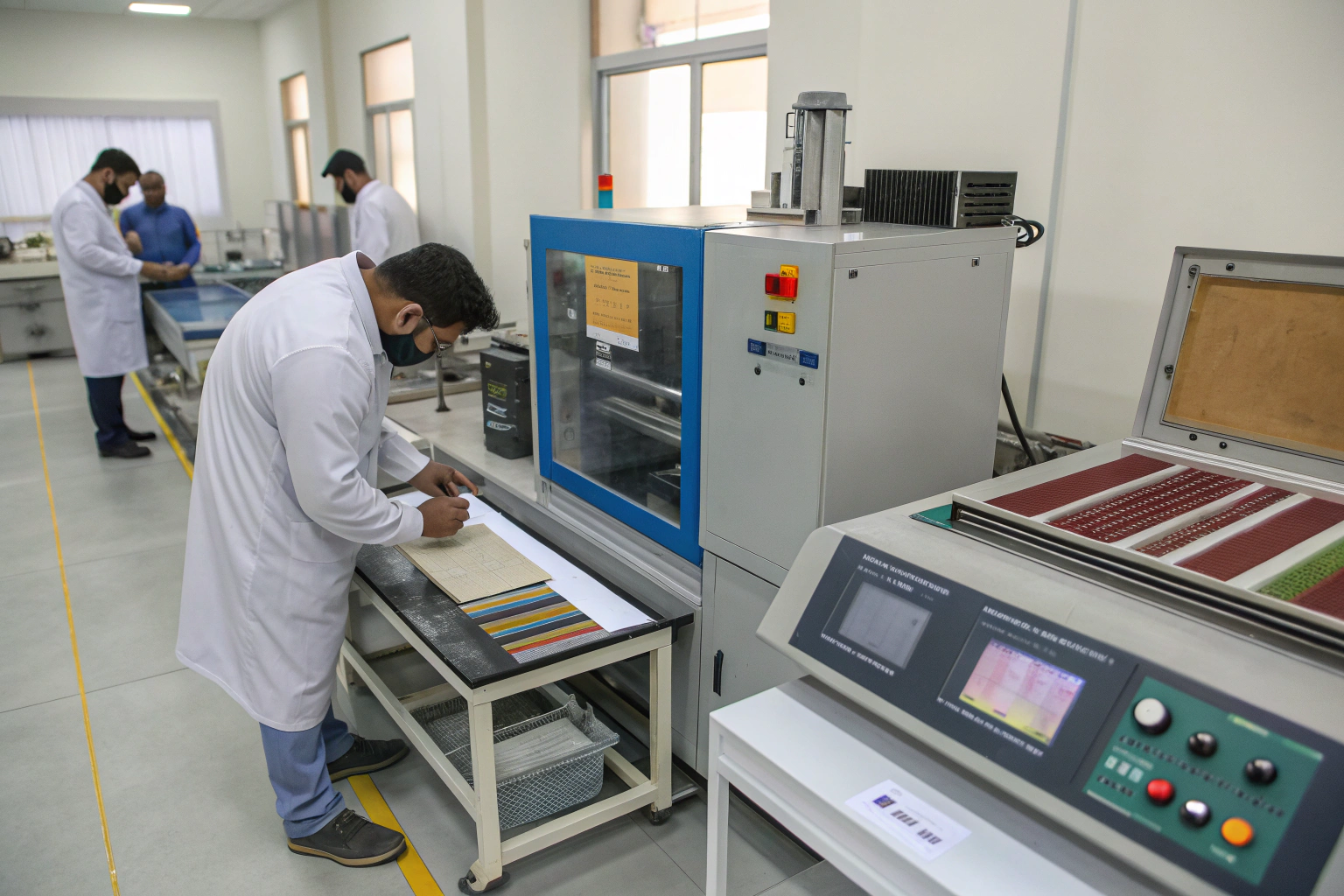
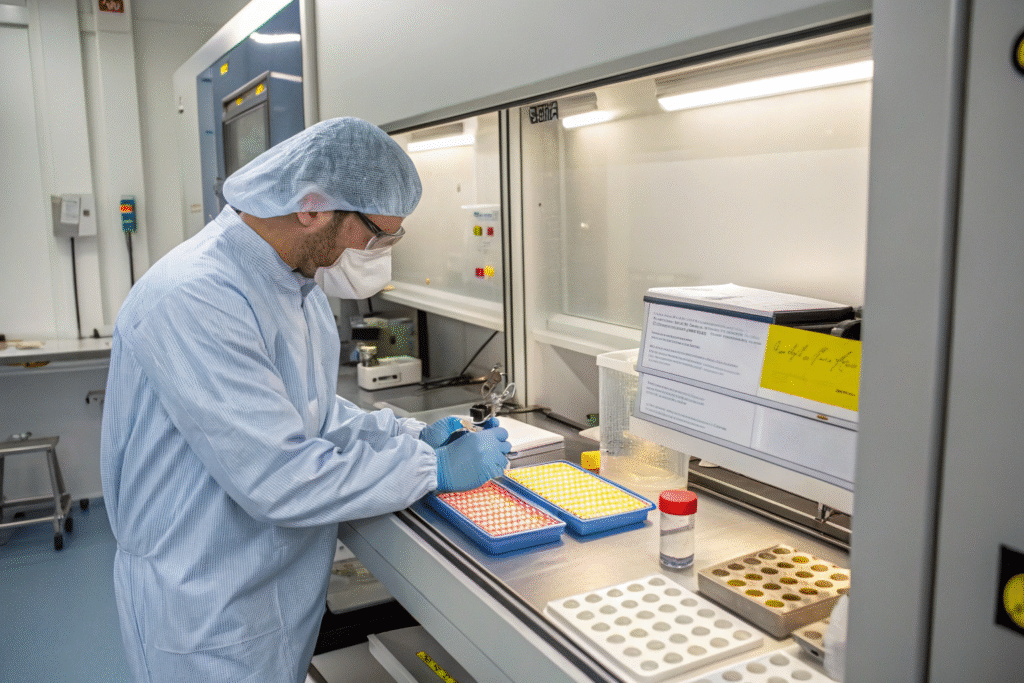
Laboratory testing provides the foundation for credible UV resistance verification, using controlled conditions to simulate years of outdoor exposure in a compressed timeframe. These standardized tests generate reproducible data that allows objective comparison between different materials and treatments.
The most respected testing protocols come from international standards organizations that have developed specific methodologies for evaluating material degradation under UV exposure. These tests measure both visual changes and physical property deterioration that indicate material breakdown.
Which ASTM standards apply to belt material testing?
Several ASTM International standards are particularly relevant for verifying UV resistance in belt materials:
- ASTM G154 covers operating principles for fluorescent UV lamp apparatus that simulates UV damage
- ASTM D4329 specifies test conditions for plastics using fluorescent UV lamps
- ASTM D4587 applies to coatings and paints commonly used on belt hardware and finishes
- ASTM D5208 focuses on photographic degradation measurements
These standards provide precise protocols for sample preparation, exposure cycles, temperature control, and evaluation criteria that ensure testing consistency across different laboratories and materials. Manufacturers following these protocols can generate comparable data that reliably predicts real-world performance.
How does ISO certification enhance credibility?
ISO standards for material testing provide additional verification frameworks, with ISO 4892 series being particularly important for plastics and composites used in belt manufacturing. The key advantages of ISO-certified testing include:
- International recognition of test results across markets
- Standardized reporting formats that facilitate comparison
- Regular audit requirements that ensure testing consistency
- Comprehensive scope covering various material types and applications
Manufacturers with ISO-certified testing capabilities typically provide more reliable UV resistance data, as their methods and equipment undergo regular verification by independent auditors. This certification is particularly valuable for brands marketing internationally or targeting commercial/industrial applications.
How Does Material Composition Influence UV Resistance?
The inherent UV resistance of belt materials varies significantly based on their chemical composition and manufacturing processes. Understanding these fundamental characteristics helps predict performance before extensive testing and informs material selection decisions for outdoor applications.
Different materials respond to UV exposure in distinct ways, with some demonstrating natural resistance while others require additives or treatments to achieve acceptable performance. This knowledge enables more targeted verification efforts based on material type.

What natural materials offer inherent UV resistance?
Some materials used in belt manufacturing demonstrate natural UV resistance:
- Full-grain leather contains natural oils and dense fiber structure that provides moderate UV resistance, though it still requires protection for extended outdoor use
- Webbing made from solution-dyed synthetic fibers demonstrates excellent colorfastness because the pigment is integrated throughout the fiber rather than applied superficially
- Polyester and nylon fabrics offer good UV resistance when properly constructed and treated
- Vegetable-tanned leathers typically outperform chrome-tanned alternatives in UV resistance due to their natural tanning agents
Understanding these inherent characteristics helps set realistic performance expectations and determines whether additional UV protective treatments are necessary for specific applications.
How do synthetic materials and additives enhance performance?
Synthetic materials achieve UV resistance through various mechanisms:
- Carbon black additives in polymers provide excellent UV absorption and are particularly effective in black belts
- Hindered amine light stabilizers (HALS) work by neutralizing free radicals formed during UV exposure
- UV absorbers like benzotriazoles convert UV radiation into harmless heat energy
- Ceramic and metal oxide nanoparticles create physical barriers that scatter and reflect UV radiation
Verification should include documentation of specific additives and their concentrations, as this information predicts both initial performance and longevity of UV protection. Materials with built-in stabilization typically outperform surface-treated alternatives in long-term outdoor applications.
What Performance Metrics Determine Real-World UV Resistance?
Quantifying UV resistance requires specific performance metrics that translate laboratory findings into predictable real-world behavior. These metrics provide objective criteria for comparing materials and establishing minimum performance standards for different applications.
The most useful metrics combine measurements of visual changes with assessments of physical property retention that directly impact product functionality and lifespan. This comprehensive approach ensures verification addresses both aesthetic and practical concerns.

How is colorfastness measured and evaluated?
Colorfastness testing follows standardized procedures to quantify color change:
- CIELAB color space measurements provide numerical values for color change (ΔE) that objectively quantify fading
- Gray scale assessments visually rate color change against standardized references
- Spectrophotometer readings track specific wavelength reflectance changes indicating chemical degradation
- Digital imaging analysis captures and quantifies subtle changes invisible to the naked eye
Manufacturers should provide specific data on color change after equivalent outdoor exposure periods (typically 6 months, 1 year, and 2 years) to help brands understand how belt appearance will evolve during normal use. Acceptable ΔE values vary by application but generally should not exceed 3-5 units for premium products.
What mechanical property changes indicate UV degradation?
Beyond visual changes, UV resistance verification must assess mechanical property retention:
- Tensile strength reduction measured according to ASTM D5035 for textiles
- Elongation at break changes indicating loss of flexibility
- Peel strength measurements for laminated or coated materials
- Hardness changes in polymers and composites
- Accelerated aging correlation establishing equivalence between laboratory hours and real-world months
Materials demonstrating less than 20% reduction in key mechanical properties after equivalent 2-year outdoor exposure typically meet commercial quality standards for outdoor belts. More demanding applications may require even better performance retention.
How Can Brands Verify Supplier UV Resistance Claims?
Verifying supplier claims requires a systematic approach that combines documentation review, independent testing, and real-world validation. Brands cannot rely solely on manufacturer assertions, particularly when product performance directly impacts customer satisfaction and brand reputation.
A comprehensive verification strategy addresses both initial qualification of new suppliers and ongoing monitoring of production consistency. This dual approach ensures UV resistance claims remain valid throughout the business relationship.

What documentation should suppliers provide?
Reputable material suppliers should readily provide:
- Third-party test reports from accredited laboratories following recognized standards
- Material composition details including specific UV stabilizers and their concentrations
- Batch testing records demonstrating consistency across production runs
- Accelerated aging data with clear correlation to real-world performance
- Quality control protocols for monitoring UV resistance during manufacturing
This documentation should be specific, recent, and from recognized testing organizations. Brands should be wary of vague claims like "UV resistant" without supporting data or references to specific testing standards.
How can brands conduct affordable verification testing?
Brands can implement practical verification strategies without excessive cost:
- Sample testing of production batches rather than comprehensive evaluation
- Focused testing on critical performance metrics rather than full compliance verification
- Partnering with university laboratories that offer testing services at educational rates
- Using simplified test methods that provide indicative rather than certified results
- Implementing spot checking of received goods rather than testing every shipment
Even basic verification, such as exposing samples to direct sunlight alongside control materials with known performance, provides valuable validation of supplier claims. This approach is particularly effective for detecting significant deviations from promised performance.
Conclusion
Verifying UV resistance in outdoor belt materials requires a multi-faceted approach combining standardized laboratory testing, material composition analysis, performance metric evaluation, and supplier claim validation. The most effective verification strategies address both initial qualification and ongoing production monitoring to ensure consistent performance. By implementing systematic verification processes, brands can confidently select materials that will maintain their appearance and functionality through extended outdoor exposure, protecting both product integrity and brand reputation.
If your brand needs assistance verifying UV resistance in belt materials or sourcing genuinely UV-resistant components, our factory maintains comprehensive testing capabilities and documentation for all our outdoor belt materials. Contact our Business Director, Elaine, at elaine@fumaoclothing.com to discuss how we can help ensure your outdoor belts withstand extended UV exposure.