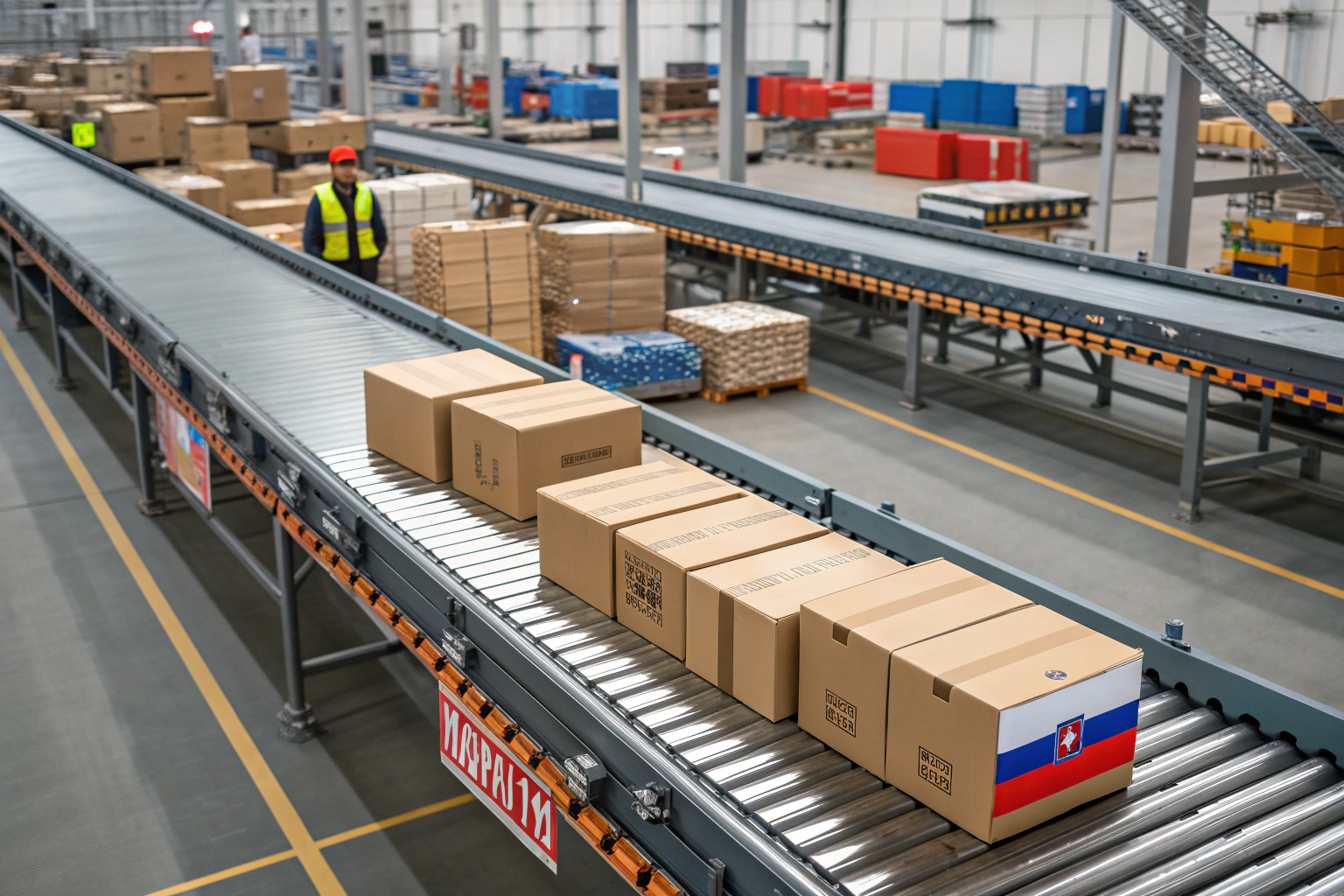
Importing belts into Russia presents unique logistical challenges that require specialized solutions to navigate complex customs regulations, lengthy transit routes, and evolving trade dynamics. Recent geopolitical developments have fundamentally reshaped supply chains, forcing importers to develop innovative approaches to maintain reliable inventory while controlling costs.
Key logistics solutions for Russian belt importers include developing multi-modal transit strategies, leveraging Eurasian Economic Union trade agreements, implementing advanced customs clearance protocols, establishing bonded warehousing networks, and building resilient supplier relationships that can adapt to rapidly changing trade conditions.
Successful navigation of the Russian import landscape requires a sophisticated understanding of both traditional logistics principles and the unique factors shaping contemporary Russian trade. The most effective solutions combine established practices with creative adaptations to current market realities.
How Can Multi-Modal Transit Strategies Optimize Russian Imports?
The closure of traditional European land routes has necessitated the development of sophisticated multi-modal shipping strategies that combine sea, land, and air transport in innovative configurations. These approaches balance transit time, cost efficiency, and reliability while navigating the new geography of Russia-bound freight.
Successful multi-modal strategies require careful coordination between different transport segments and a deep understanding of the capabilities and limitations of various routing options in the current trade environment.

What sea-land routes currently offer the best reliability?
Several sea-land corridors have emerged as reliable options for Russian imports:
- China-Kazakhstan-Russia route utilizing Chinese ports, rail through Kazakhstan, and trucking to Russian distribution centers
- Turkish sea transit to Novorossiysk and other Black Sea ports with onward truck distribution
- Iranian corridor using Persian Gulf ports with northbound truck transport through Azerbaijan
- Arctic Sea Route during navigable months offering direct access to northern Russian ports
According to international logistics analyses, the China-Kazakhstan-Russia corridor currently handles approximately 45% of China-Russia container traffic, with transit times of 25-35 days from Chinese manufacturing centers to Moscow. This route benefits from Eurasian Economic Union trade agreements that simplify customs between member states.
How can air freight be strategically incorporated?
Air freight solutions serve specific import needs despite higher costs:
- Sample shipments for quality approval and design confirmation
- Urgent replenishment of fast-moving stock keeping units
- High-value luxury belts where transport costs represent smaller percentage of total value
- Testing new products with minimal initial quantities before committing to sea shipment
- Seasonal peak support ensuring availability during high-demand periods
The most cost-effective approach typically combines regular sea shipments for bulk inventory with strategic air shipments for time-sensitive needs. This balanced approach typically maintains 98%+ inventory availability while controlling total logistics costs at 12-18% of goods value, compared to 25-35% for pure air solutions.
What Customs Clearance Strategies Ensure Smooth Import?
Russian customs procedures have become increasingly complex, requiring specialized knowledge and careful preparation to avoid costly delays. Successful importers develop comprehensive customs strategies that address documentation, classification, valuation, and compliance requirements specific to belt imports.
Proactive customs management not only prevents delays but can also significantly reduce import duties through strategic classification and leveraging available trade agreements.
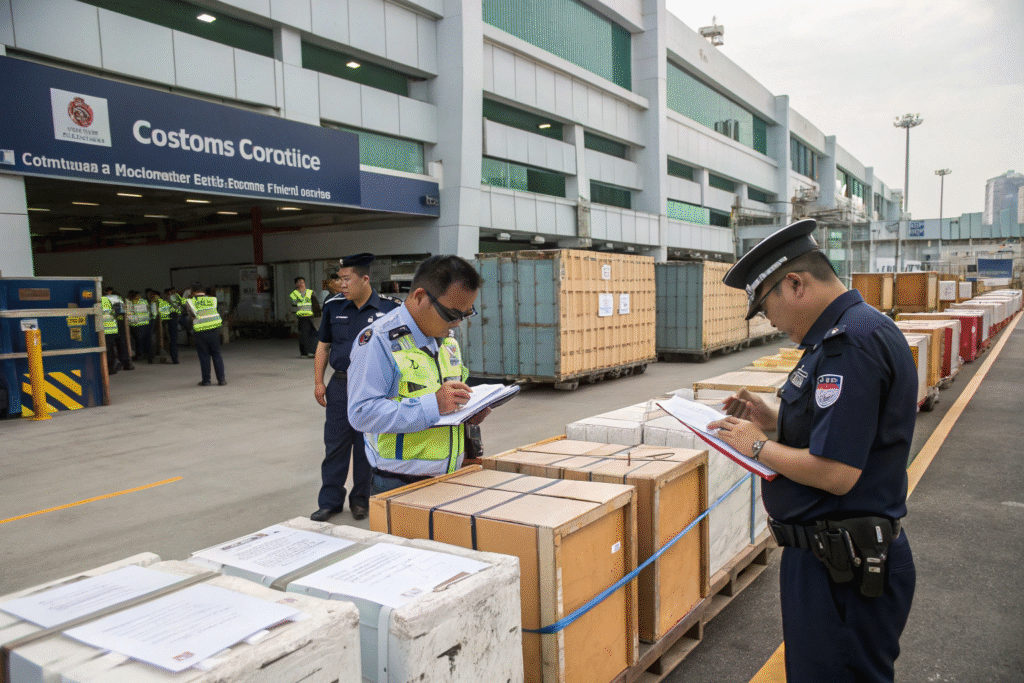
How can HS code optimization reduce import duties?
Strategic HS code classification offers legitimate duty advantages:
- Material-based classification distinguishing between leather (4203.30.0000), textile (4203.30.0009), and plastic (4203.30.0010) belts with different duty rates
- Value declaration strategies that properly account for manufacturing costs while optimizing duty calculations
- Origin documentation leveraging trade agreements that offer preferential rates for EAEU partner countries
- Component analysis for belts with multiple materials where primary material determines classification
- Sample shipment testing verifying classification decisions before full-scale shipments
According to Russian customs statistics, proper HS code optimization can reduce import duties by 3-7 percentage points for belt products, creating substantial cost savings over multiple shipments. Working with customs brokers specializing in fashion accessories typically yields the best classification outcomes.
What documentation preparation prevents clearance delays?
Comprehensive documentation is essential for efficient customs processing:
- Commercial invoices with detailed product descriptions, materials breakdown, and accurate valuation
- Packing lists correlating exactly with invoice declarations and physical shipments
- Certificate of origin properly authenticated for preferential duty treatment when applicable
- Import licenses where required for certain product categories or values
- Technical compliance certificates confirming products meet Russian safety standards
The Federal Customs Service of Russia typically processes properly documented shipments within 3-5 days, while incomplete documentation can cause delays of 2-3 weeks. The most successful importers develop standardized documentation templates that ensure consistency across all shipments.
How Does Bonded Warehousing Enhance Supply Chain Flexibility?
Bonded warehousing has emerged as a critical strategy for Russian importers seeking to manage inventory efficiently while optimizing cash flow and reducing import duty payments. These facilities allow importers to store goods without immediate customs clearance, providing significant operational and financial advantages.
Strategic use of bonded warehouses enables importers to maintain safety stock, consolidate shipments, and respond quickly to market demands while deferring duty payments until goods enter the Russian domestic market.

What operational advantages do bonded warehouses provide?
Bonded facilities offer multiple operational benefits:
- Duty deferral paying import duties only when goods are released for domestic distribution
- Quality inspection capability verifying products before completing customs formalities
- Consolidation opportunity combining multiple shipments for more efficient customs processing
- Re-export flexibility allowing goods to be redirected to other markets without Russian import duties
- Seasonal planning maintaining inventory for peak seasons without early duty payments
These advantages are particularly valuable for fashion products like belts where seasonal demand fluctuations can create significant inventory management challenges. Bonded warehousing typically reduces inventory carrying costs by 15-25% through duty deferral alone.
How can bonded facilities support just-in-time distribution?
Modern bonded warehouses enable sophisticated distribution strategies:
- Cross-docking operations transferring imports directly to outbound domestic transportation
- Value-added services including price tagging, security tagging, and promotional packaging
- Inventory management systems providing real-time visibility of bonded and domestic stock
- E-commerce fulfillment directly serving Russian consumers from bonded facilities
- Quality control processes inspecting goods before domestic release to prevent returns
These capabilities allow importers to maintain 2-4 weeks of inventory in bonded status while achieving 1-3 day delivery times across major Russian markets. The most advanced facilities offer integrated logistics solutions that streamline the entire import-to-customer process.
What Payment and Sourcing Strategies Mitigate Risks?
The current trade environment requires sophisticated financial and sourcing strategies that protect against currency volatility, payment obstacles, and supply chain disruptions. Successful importers develop multi-layered approaches that maintain operational continuity while managing financial risks.
These strategies encompass diversified supplier networks, flexible payment mechanisms, and contingency planning that ensures consistent product availability despite external challenges.

How can payment obstacles be navigated effectively?
Russian importers have developed several solutions for international payments:
- Third-country intermediaries using entities in friendly jurisdictions to process payments
- Alternative currency settlements utilizing Chinese yuan, UAE dirhams, or other non-dollar currencies
- Barter and offset arrangements where applicable for large-volume relationships
- Escrow services providing security for both importers and suppliers
- Cryptocurrency transactions where both parties accept digital currency payments
According to international trade analyses, approximately 65% of Russia-China trade now occurs in yuan, while another 20% utilizes Hong Kong dollar or other Asian currencies. These alternative payment channels typically add 3-7% to transaction costs but ensure supply continuity.
What sourcing adaptations enhance supply chain resilience?
Strategic sourcing adjustments mitigate supply chain vulnerabilities:
- Supplier diversification across multiple countries and regions
- Nearshoring opportunities utilizing Turkish, Serbian, and other regional manufacturers
- Inventory buffer strategies maintaining higher safety stock levels to absorb disruptions
- Modular product design enabling component sourcing from multiple regions
- Local assembly operations importing components for final assembly in Russia or neighboring countries
These approaches help importers maintain supply chain resilience despite external pressures. The most successful importers typically maintain 3-4 primary suppliers across different regions, ensuring that disruption in one area doesn't halt their entire supply chain.
Conclusion
Russian belt importers require sophisticated logistics solutions that address unique challenges through multi-modal transport strategies, optimized customs clearance, strategic bonded warehousing, and resilient payment and sourcing approaches. Success in the current environment demands flexibility, creativity, and deep expertise in both traditional logistics and emerging trade patterns. By implementing comprehensive solutions that address the full import lifecycle, companies can maintain reliable supply chains while managing costs and risks effectively.
If your company imports belts into Russia and needs logistics partners with specific expertise in Russian supply chains, our organization has developed specialized solutions for fashion accessories importation. Contact our Business Director, Elaine, at elaine@fumaoclothing.com to discuss how we can help optimize your Russian import logistics.